


The shoot featured Russell skillfully maneuvering a Mercedes-AMG car through tight corners, echoing the high-octane drifting style made famous by the film Tokyo Drift. This not only showcases Russell’s driving prowess but also highlights Mercedes’ commitment to engaging with fans through innovative marketing strategies.
As Formula 1 prepares for its return to Japan, the recreation serves as a reminder of the cultural impact motorsport has on popular media. Russell’s performance is expected to resonate with both racing enthusiasts and movie fans alike, creating a buzz leading up to the race weekend.
This initiative underscores the intersection of sports and entertainment, a growing trend in the automotive world. By tapping into the nostalgia of Tokyo Drift, Russell and Mercedes aim to attract a broader audience, enhancing the excitement surrounding the Japanese GP set to take place on October 8, 2023.
The significance of Tokyo Drift in car culture and motorsport
The 2006 film “The Fast and the Furious: Tokyo Drift” has become a cultural touchstone within both car culture and motorsport. Its depiction of drifting, a driving technique that involves intentionally oversteering the car to maintain control while navigating tight corners, has significantly influenced automotive enthusiasts and professional drivers alike. The film showcased the vibrant underground car scene in Tokyo, highlighting the fusion of Japanese automotive engineering and street racing, which has since inspired countless fans and drivers around the world.
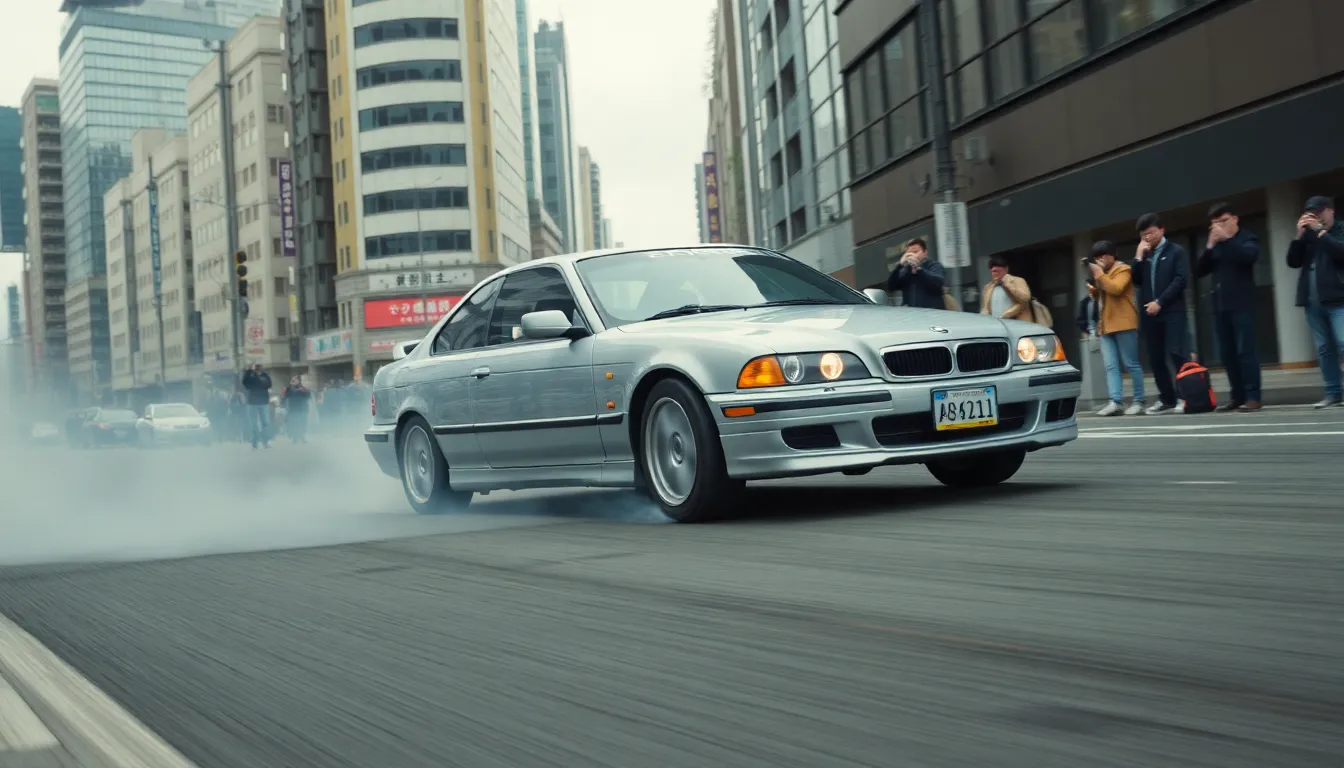
Tokyo Drift not only popularized drifting as a motorsport discipline but also introduced audiences to the intricacies of Japanese car culture. The film’s emphasis on style, speed, and precision resonated with a generation of car enthusiasts, leading to a resurgence in interest in Japanese cars and tuning. This cultural impact has been felt globally, as more drivers seek to emulate the skills and aesthetics portrayed in the film, further bridging the gap between cinema and real-life motorsport.
In recent years, Formula 1 has recognized the significance of drifting and car culture in engaging younger audiences. The integration of drifting elements into promotional events and collaborations with popular figures, such as George Russell’s recent homage to the iconic Tokyo Drift scene, reflects a broader trend in motorsport to connect with fans through innovative and entertaining experiences.
The evolution of drifting in motorsport
Drifting has evolved from a grassroots motorsport into a recognized competitive discipline, with events like Formula Drift gaining international acclaim. The rise of social media has further propelled the visibility of drifting, allowing enthusiasts to share their skills and experiences with a global audience. As drifting continues to gain traction, collaborations between professional drivers and popular culture, such as Russell’s recent shoot, serve to celebrate this evolution and highlight the sport’s dynamic relationship with entertainment.
Exploring the impact of drifting on motorsport popularity
The recent recreation of the iconic “Tokyo Drift” scene by George Russell during the Mercedes Japanese GP shoot has sparked considerable interest in the motorsport community. This event not only highlights the skills of the driver but also showcases the cultural significance of drifting within the broader context of motorsport. Various stakeholders, including drivers, teams, sponsors, and fans, all have distinct interests in the portrayal of drifting in motorsport.
One of the main actors in this scenario is George Russell, who aims to enhance his image and appeal to a younger audience through such high-profile stunts. His performance in a drifting context can attract more fans to Formula 1, particularly those who might be more familiar with drifting from other motorsport disciplines. Additionally, Mercedes, as a team, seeks to leverage this event to promote its brand and connect with the Japanese market, where drifting has a significant cultural footprint.
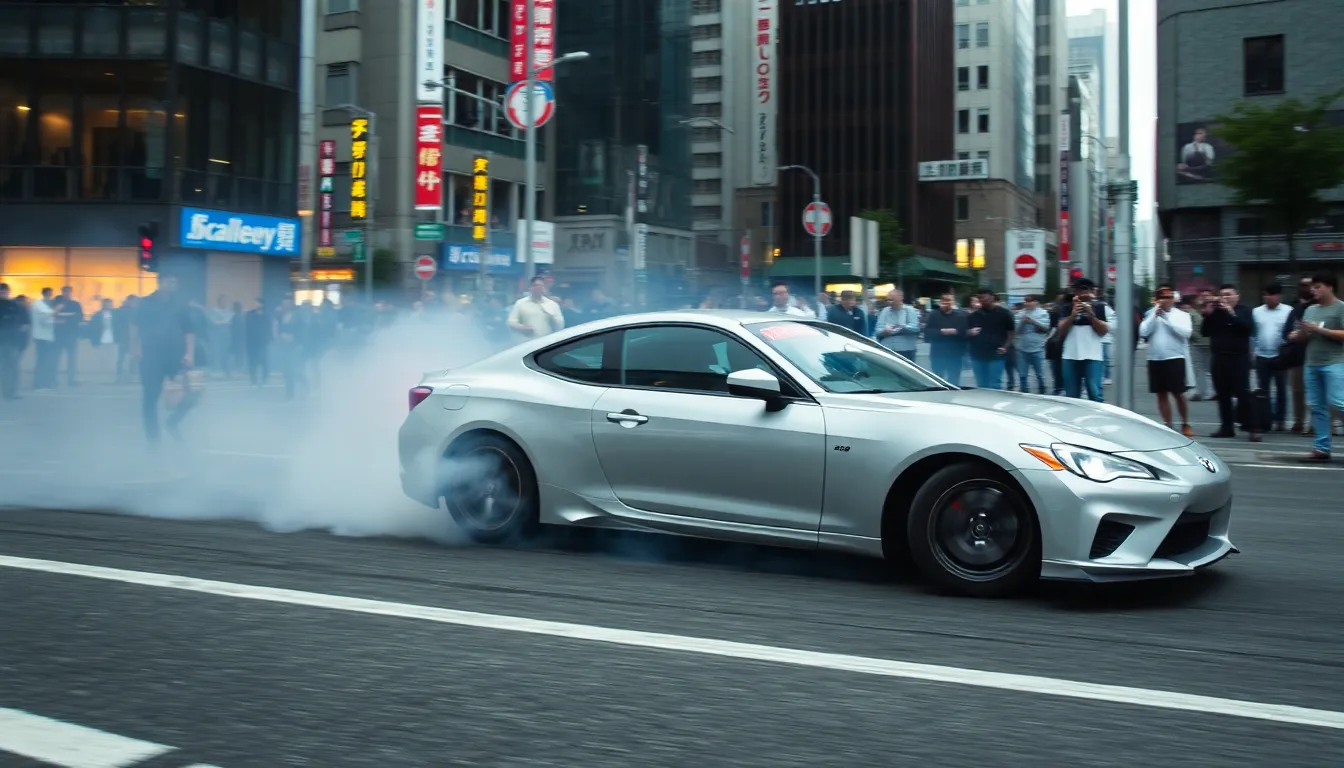
However, the intersection of drifting with traditional motorsport raises several conflicts and trade-offs. While drifting can enhance the entertainment value of motorsport, it may also dilute the technical precision and competitive spirit that are central to Formula 1. Some purists argue that incorporating such elements could undermine the sport’s integrity, leading to debates about what constitutes ‘real’ racing.
- Driver Interests: Drivers like Russell may benefit from increased popularity and sponsorship opportunities.
- Team Branding: Teams use such events to strengthen their brand identity and market reach.
- Cultural Impact: Drifting’s popularity can attract a diverse audience, expanding the fanbase.
- Regulatory Concerns: The FIA may need to consider regulations regarding the portrayal of drifting in official events.
- Economic Implications: Increased viewership can lead to higher revenues from sponsorships and merchandise sales.
As the motorsport landscape continues to evolve, the blending of drifting with traditional racing formats will likely remain a contentious topic. Stakeholders must navigate these complexities carefully to balance the thrill of entertainment with the foundational elements of competitive racing.
How this shoot affects fan engagement and brand visibility
The recent recreation of the iconic “Tokyo Drift” scene by George Russell during the Japanese GP shoot has significant implications for various groups, particularly motorsport fans, automotive brands, and the entertainment industry. Fans of Formula 1 and the Fast and Furious franchise are likely to feel a heightened sense of connection to both the sport and the cinematic world, as this blend of racing and popular culture resonates deeply with their interests.
From a business perspective, automotive brands, especially Mercedes, stand to gain increased visibility and engagement. By associating themselves with a beloved film franchise, they can attract a younger demographic that may not have previously engaged with Formula 1. This crossover appeal could lead to a surge in merchandise sales and brand loyalty, as fans are drawn to the innovative marketing strategies employed during the shoot.
In the short term, the immediate impact is likely to be seen in social media engagement, with fans sharing clips and images from the shoot, thereby amplifying brand presence online. In the mid-term, this could translate into increased viewership for the Japanese GP and subsequent races, as the excitement generated by such creative endeavors encourages more fans to tune in. Additionally, local businesses in Japan, particularly those related to tourism and hospitality, may experience a boost as fans flock to experience the locations featured in the shoot.
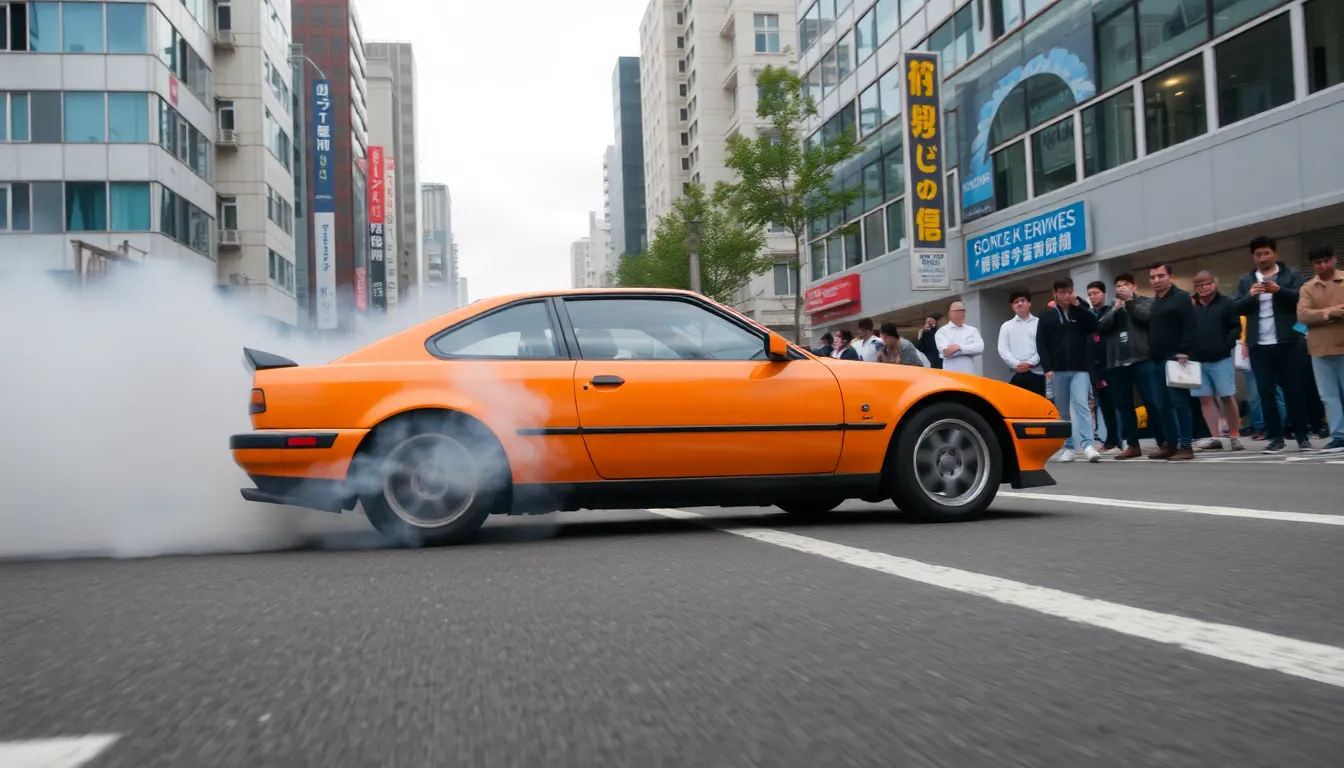
- Increased fan engagement: Fans are more likely to participate in discussions and share content related to the event.
- Boost in brand visibility: Mercedes and associated sponsors may see a rise in brand recognition and loyalty.
- Economic opportunities: Local businesses could benefit from increased tourism and spending related to the event.
- Potential risks: If the execution is poorly received, it could backfire and negatively impact brand reputation.
Overall, the collaboration between motorsport and pop culture exemplified by this shoot presents both exciting opportunities and potential pitfalls. The key will be in how effectively the involved parties leverage this moment to create lasting connections with fans and consumers alike.
A: The purpose was to engage fans and showcase the fun side of motorsport while highlighting George Russell’s driving skills. A: The shoot took place in Japan, coinciding with the Japanese Grand Prix to enhance its cultural relevance. A: Fans expressed excitement on social media, appreciating the blend of popular culture and motorsport. A: This creative shoot enhances Mercedes’ image as an innovative and fun brand, appealing to a younger audience. A: Given the positive reception, there is potential for more creative collaborations that merge motorsport with popular culture.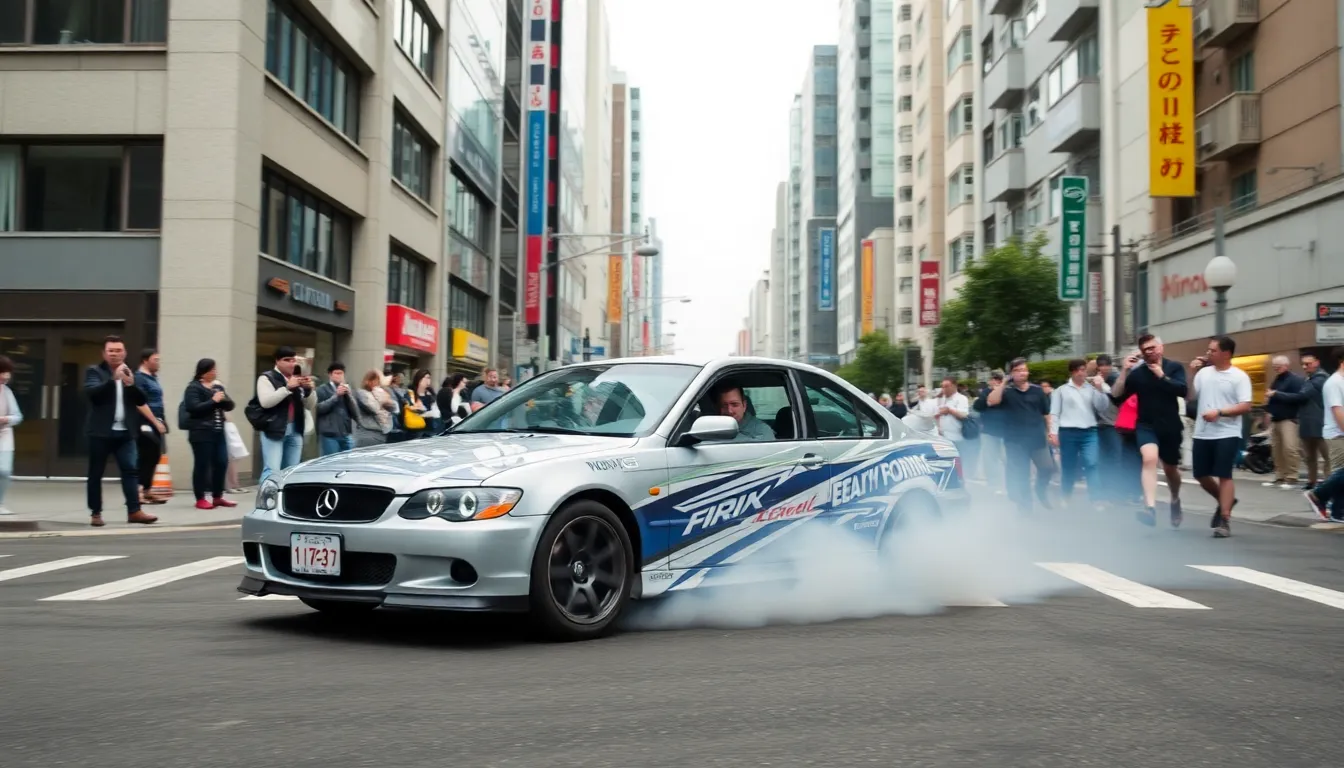
Frequently asked questions about the Tokyo Drift shoot
Key takeaways and future implications of the shoot
George Russell’s recreation of the iconic “Tokyo Drift” scene during the Japanese GP shoot not only showcases the synergy between motorsport and popular culture, but also highlights the growing trend of brands leveraging cinematic moments to engage fans. This innovative approach could redefine how teams and sponsors connect with audiences, creating memorable experiences that resonate beyond the racetrack.
As Formula 1 continues to evolve, the implications of such creative endeavors are significant. Teams may increasingly seek to blend entertainment with sport, potentially leading to new marketing strategies and fan engagement initiatives that draw on the emotional connections forged through film and media.
- The crossover between motorsport and popular culture will likely become a key strategy for teams looking to enhance brand visibility.
- Expect to see more collaborations between F1 teams and filmmakers or influencers, aiming to create viral content that captivates a broader audience.
- Fan engagement may shift towards experiential events that combine racing with entertainment, enhancing the overall viewer experience.
- Increased focus on storytelling in marketing campaigns could lead to deeper emotional connections with fans, fostering loyalty and support.