


As of October 2023, several prediction markets have emerged, allowing participants to speculate on the likelihood of specific events occurring in conflict zones. This has led to calls from various advocacy groups and lawmakers for stricter regulations on these platforms, arguing that they exploit tragedy for entertainment and profit. Critics emphasize that such betting can desensitize the public to the realities of war and diminish the gravity of human loss. For more on the potential ethical implications of such practices, see our article on the impact of international agreements.
Prominent figures in the political arena have voiced their concerns, with some lawmakers proposing legislation aimed at curbing these betting activities. The ethical implications of war-related gambling have prompted discussions about the responsibility of betting companies in moderating content and ensuring that their platforms do not contribute to the glorification of violence. As the situation evolves, the intersection of technology, ethics, and warfare remains a pressing issue for society.
Additionally, the rise of social media has amplified the visibility of these betting markets, drawing in a younger audience that may not fully grasp the consequences of their wagers. This demographic shift raises further questions about the influence of digital culture on perceptions of conflict and the normalization of betting on tragic events. Stakeholders are now faced with the challenge of balancing freedom of expression with the need for ethical standards in the gambling industry.
Understanding the background of prediction markets
Prediction markets, platforms where participants can buy and sell shares in the outcome of future events, have gained traction since their inception in the late 20th century. Originally designed for political forecasting and economic predictions, these markets have evolved to encompass a wide range of topics, including sports, entertainment, and even global events such as wars. The rise of the internet has further facilitated the growth of these markets, allowing for real-time trading and a broader audience.

Historically, the concept of betting on future events can be traced back to ancient civilizations, where wagers were placed on outcomes of battles and sporting events. However, modern prediction markets began to take shape in the 1980s and 1990s, with platforms like the Iowa Electronic Markets (IEM) providing a legal avenue for political betting. The IEM demonstrated that prediction markets could yield accurate forecasts, often outperforming traditional polling methods, somewhat akin to how wages in competitive markets can influence investment decisions.
In recent years, the rise of social media and online communities has transformed the landscape of prediction markets, making them more accessible and popular. However, this increased visibility has also led to ethical concerns, particularly surrounding the betting on violent or tragic events, such as wars. Critics argue that these markets can desensitize individuals to human suffering and commodify tragedy, leading to calls for regulation and oversight.
The impact of technology on prediction markets
The integration of advanced technology and data analytics into prediction markets has changed how information is processed and utilized. Algorithms can now analyze vast amounts of data to predict outcomes with remarkable accuracy. While this innovation has improved the reliability of predictions, it has also raised questions about the moral implications of profiting from human conflict and suffering. The juxtaposition of technological advancement and ethical considerations continues to fuel debates on the future of prediction markets.
Key stakeholders and issues in the prediction market debate
The ongoing discussions surrounding prediction markets, particularly those related to war outcomes, involve a diverse array of stakeholders. These include market participants, regulatory bodies, advocacy groups, and the general public. Each group has distinct interests that shape the discourse on the legality and ethical implications of such markets.
Market participants, including traders and investors, are primarily motivated by the potential for profit. They view prediction markets as innovative platforms for speculation and investment. However, the nature of these markets raises ethical concerns, especially when linked to sensitive topics like armed conflict. The prospect of profiting from human suffering presents a moral dilemma that has sparked significant backlash.
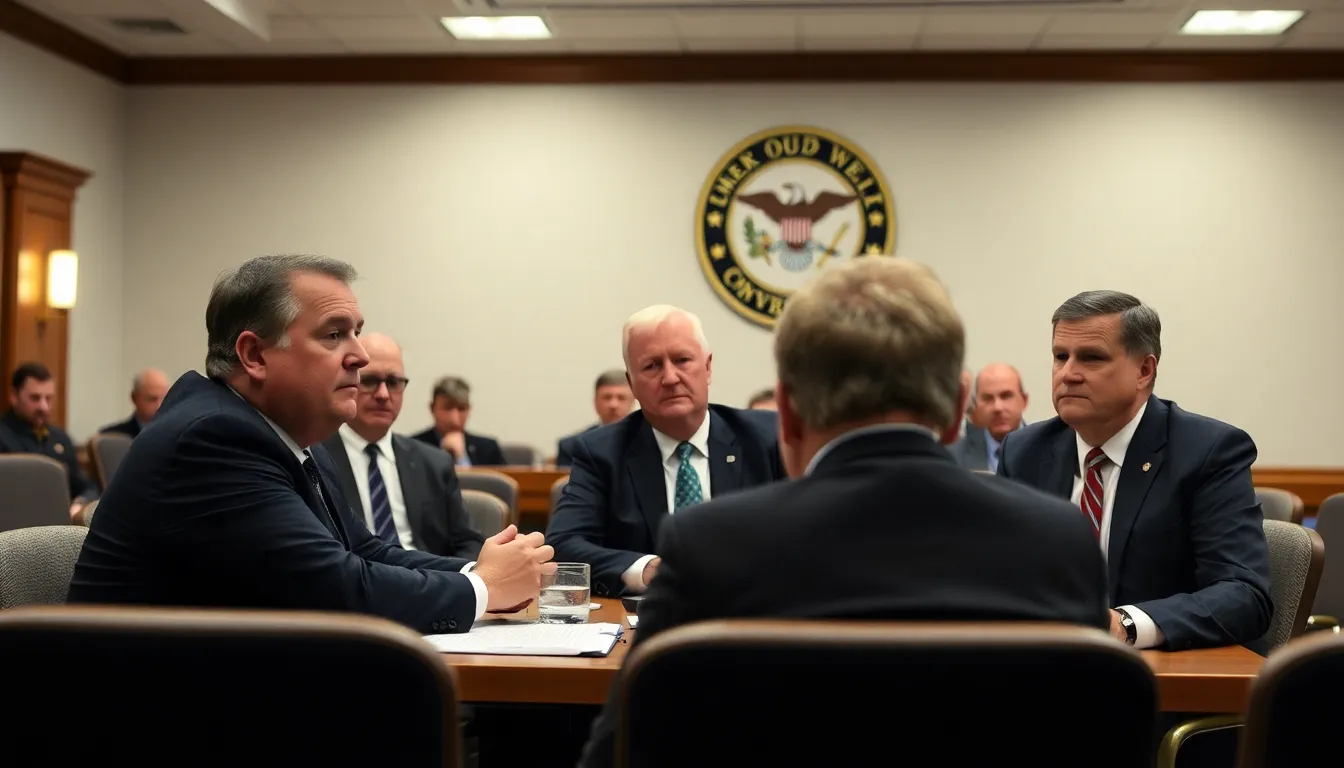
Regulatory bodies, such as government agencies and financial authorities, are tasked with overseeing these markets to ensure compliance with existing laws. Their interests often conflict with those of market participants, as they seek to protect public welfare and maintain order in financial systems. The challenge lies in balancing regulation with the right to engage in free market activities, especially when the stakes involve life and death.
- Ethical concerns: The morality of betting on war outcomes raises significant questions about human rights and dignity.
- Legal implications: Different jurisdictions have varying laws regarding gambling and prediction markets, complicating enforcement and regulation.
- Public sentiment: The general public’s reaction can influence political decisions, with strong opposition potentially leading to stricter regulations.
- Economic impact: Prediction markets can affect financial markets and investor behavior, leading to broader economic consequences.
Advocacy groups, including human rights organizations, argue for stricter regulations or outright bans on these markets. They emphasize the need to protect vulnerable populations and prevent the commodification of tragedy. This perspective often clashes with the views of those who champion free-market principles and the right to engage in voluntary transactions.
Who is affected by these betting practices and their implications
The rise of gruesome war bets has far-reaching implications for various groups, industries, and regions. Primarily, individuals who engage in these betting practices, including gamblers and those with a vested interest in conflict outcomes, are directly affected. Additionally, the broader public, including families of those involved in conflicts, can feel the emotional and psychological toll of such betting behaviors.
In the short term, businesses related to online betting platforms may experience a surge in traffic and revenue as more individuals seek to place bets on war-related events. This could lead to increased scrutiny from regulators and policymakers, prompting discussions around the ethical implications of such markets. The gambling industry may also face reputational risks as public backlash grows against these practices.
In the mid-term, the normalization of war betting could influence public perception of conflicts, potentially desensitizing individuals to the human suffering involved. This shift may impact policy decisions, as lawmakers grapple with how to regulate such markets without infringing on personal freedoms. Furthermore, regions directly affected by conflict may see an increase in social unrest, as communities react to the commodification of violence.

- Emotional distress for families and communities affected by war.
- Regulatory challenges for the gambling industry as governments respond to public concern.
- Potential for increased social unrest in regions directly impacted by conflicts.
- Opportunities for advocacy groups to push for ethical standards in betting practices.
While there are clear risks associated with gruesome war bets, there may also be opportunities for innovation in responsible betting practices. Advocacy for ethical gambling could lead to the development of platforms that promote awareness and education around the implications of such bets, potentially reshaping the industry for the better.
A: Prediction markets are exchange-traded markets created for the purpose of trading the outcome of events. Participants buy and sell shares based on their predictions, with prices reflecting the perceived likelihood of outcomes. A: War bets are deemed gruesome because they involve wagering on violent and tragic events, such as conflicts and casualties, which raises ethical and moral concerns among the public. A: There are increasing calls for regulatory frameworks to govern prediction markets, particularly to prevent exploitation and ensure ethical standards in betting practices. A: Such bets can desensitize individuals to the realities of war, reducing it to a mere game, which may lead to a distorted understanding of the human cost involved. A: Regulations vary by country, with some places having strict laws while others have little to no oversight, leading to a patchwork of legal frameworks.
Frequently asked questions about war betting and prediction markets
Outlook on the future of prediction markets and regulatory measures
The recent rise in ‘gruesome’ war bets has sparked significant debate regarding the ethical implications and regulatory frameworks surrounding prediction markets. As public concern grows, stakeholders must navigate the delicate balance between freedom of expression and the potential for exploitation in these markets. The call for stricter regulations may reshape the landscape of prediction markets, prompting key players to reassess their strategies and operations.
Moving forward, it is essential to monitor how regulatory bodies respond to these challenges. The evolution of public sentiment and legal frameworks will likely influence the viability of prediction markets, compelling operators to adopt more responsible practices while maintaining user engagement.
- Increased scrutiny from regulatory bodies may lead to more stringent compliance requirements for prediction market operators.
- Public backlash could drive platforms to implement measures that promote ethical betting practices and transparency.
- Emerging technologies may provide innovative solutions to monitor and mitigate harmful betting behaviors.
- Stakeholders should prepare for potential shifts in user demographics as ethical considerations become more prominent in betting culture.
- Ongoing discussions about the morality of war-related betting could influence broader societal attitudes towards prediction markets.