


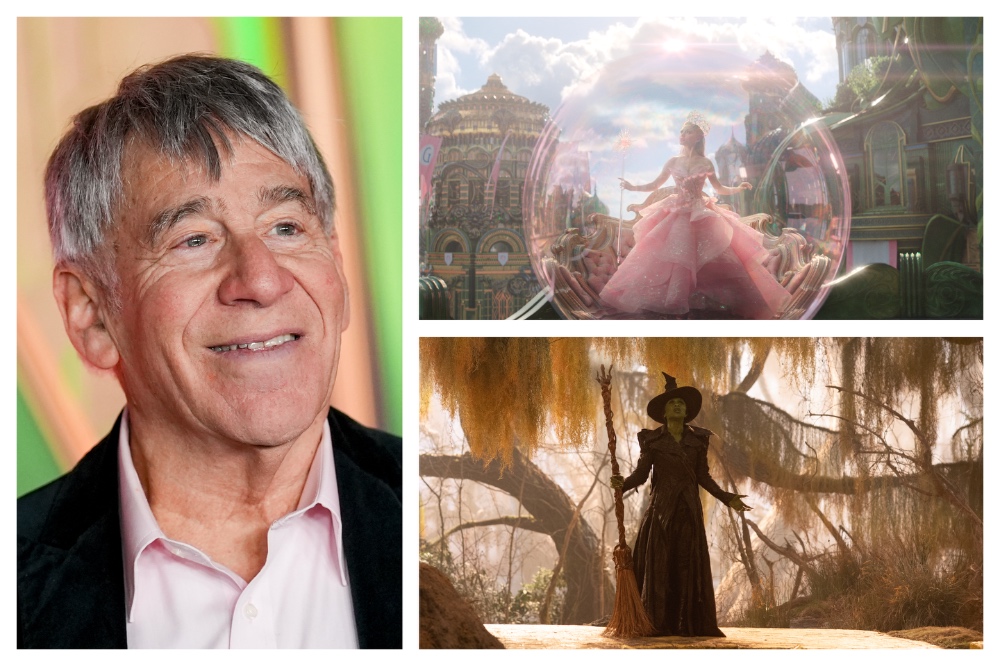
The release of these songs coincides with the ongoing discussions about the relevance of “Wicked” in today’s America. Schwartz has articulated that the themes explored in the new music address issues such as acceptance, friendship, and the complexity of human relationships. As the nation grapples with divisive challenges, these messages may provide a sense of comfort and unity.
In an interview, Schwartz hinted at the possibility of further explorations within the “Wicked” universe, suggesting that he may be involved in additional projects related to the story. This potential expansion could lead to new spinoffs or adaptations, keeping the narrative fresh and engaging for both new and longtime fans. The anticipation surrounding these developments highlights the enduring popularity of the “Wicked” franchise.
As the musical continues to tour and attract audiences worldwide, Schwartz’s latest contributions are poised to reinvigorate interest and spark conversations about its themes. The intersection of art and societal reflection remains a powerful force, and Schwartz’s work exemplifies how musical theater can engage with pressing issues of the day.

The legacy of Wicked and its cultural impact
Since its debut on Broadway in 2003, “Wicked” has become a cultural phenomenon, captivating audiences with its reimagined tale of the witches of Oz. The musical, based on Gregory Maguire’s novel, explores themes of friendship, identity, and societal norms, resonating with a diverse audience. Its exploration of complex characters and moral ambiguities has sparked discussions about acceptance and the nature of good and evil, making it a relevant piece in today’s sociopolitical landscape.
The original score by Stephen Schwartz not only garnered critical acclaim but also produced iconic songs that have become anthems for many. Tracks like “Defying Gravity” and “For Good” have transcended the stage, entering popular culture and influencing a generation of artists and performers. The musical’s success has paved the way for a deeper examination of Broadway’s role in reflecting and shaping societal values, particularly in times of political upheaval.
Political and Social Reflections
Wicked’s narrative, which challenges traditional notions of heroism and villainy, parallels the current political climate in America. As society grapples with issues of division, identity politics, and the quest for justice, Schwartz’s new songs for “Wicked: For Good” are poised to reflect these evolving themes. The musical’s emphasis on understanding and empathy resonates deeply in a time when dialogue around social justice and equality is more critical than ever.
Moreover, the economic impact of “Wicked” cannot be overlooked. As one of Broadway’s longest-running shows, it has contributed significantly to the theater district’s economy, drawing millions of tourists and creating jobs. The continued interest in spinoffs and new material indicates a thriving market for theatrical storytelling, which Schwartz hints at with his comments on potential future visits to Oz.

As “Wicked” continues to evolve, it remains a touchstone for discussions about art’s role in society. Schwartz’s contributions through new music not only enhance the existing narrative but also invite audiences to reflect on their own experiences and the larger American story, ensuring that the legacy of “Wicked” endures in both theatrical and cultural contexts, much like the themes found in contemporary storytelling.
Exploring the themes and messages in Schwartz’s new music
Stephen Schwartz, the renowned composer behind the musical phenomenon ‘Wicked’, has recently unveiled two new songs titled ‘For Good’. These additions not only enrich the narrative of the original production but also reflect deeper societal themes relevant to contemporary America. Schwartz’s work often intertwines personal and societal struggles, prompting audiences to reflect on their own experiences and the broader implications of their choices.
At the heart of Schwartz’s new music is a dialogue about connection and the impact of individual actions. The songs explore themes of friendship, sacrifice, and the moral complexities of one’s decisions. This resonates with audiences who are navigating a divided social landscape, where personal relationships can often clash with ideological differences. Schwartz’s approach encourages listeners to consider how their interactions shape their communities and the nation as a whole.
Key stakeholders in this scenario include:

- Stephen Schwartz: As the creator, Schwartz aims to convey messages of unity and reflection through his music, while also exploring potential new avenues for storytelling within the ‘Wicked’ universe.
- Theater Producers and Investors: They have a vested interest in the commercial success of the new songs and any potential spinoff productions, balancing artistic integrity with profitability.
- Fans and Audiences: They seek meaningful content that resonates with their own experiences and reflects current societal issues, influencing ticket sales and engagement.
- Critics and Media: Their reviews and analyses can significantly shape public perception and the longevity of Schwartz’s new works.
Moreover, the introduction of these songs raises questions about the future of the ‘Wicked’ franchise. The potential for spinoffs or adaptations hinges on audience reception and the ability to maintain the essence of the original while exploring new narratives. This presents a challenge for producers who must weigh the risks of innovation against the expectations of loyal fans.
In summary, Schwartz’s new music serves as a catalyst for discussions around personal responsibility and societal cohesion. As stakeholders navigate the complexities of artistic expression and commercial viability, the evolving landscape of musical theater continues to reflect the challenges and hopes of contemporary America.
How these songs may influence the future of musical theater
The release of Stephen Schwartz’s new songs from ‘Wicked: For Good’ is poised to impact various groups, including theatergoers, performers, and the broader entertainment industry. Fans of musical theater, particularly those who have followed ‘Wicked’ since its inception, will likely feel a renewed sense of excitement and engagement. This demographic, primarily consisting of young adults and families, could see an uptick in attendance at live performances, which has been crucial for theaters recovering from pandemic-related downturns.
In the short term, the introduction of these songs may lead to a surge in ticket sales and merchandise associated with ‘Wicked’. Regional theaters and local production companies may also benefit as they look to incorporate these new pieces into their performances. Additionally, the buzz generated by Schwartz’s work could inspire other composers to explore similar themes, leading to a wave of innovative productions that reflect contemporary societal issues.
However, there are risks associated with such high-profile releases. Established productions may face increased competition as new works emerge, potentially diverting audiences and funding away from traditional favorites. Furthermore, if the new songs do not resonate with audiences as hoped, it could lead to a backlash that affects Schwartz’s reputation and the ongoing success of ‘Wicked’.
- Theatergoers: Increased engagement and attendance at live performances.
- Performers: Opportunities for new roles and creative expression in regional and national productions.
- Industry: Potential for revitalization of local theaters and increased competition among productions.
- Composers: Inspiration to explore new themes and narratives in musical theater.
In the mid-term, the impact of these songs could extend beyond immediate ticket sales. The cultural conversations sparked by Schwartz’s lyrics may influence public discourse on relevant social issues, thereby affecting how theater is perceived as a medium for change. This could lead to increased funding and support for the arts, as policymakers recognize the importance of musical theater in shaping societal narratives.
A: The titles of the new songs have not been explicitly revealed yet. However, they are part of the Wicked: For Good project and are expected to resonate deeply with audiences. A: The new songs delve into themes of hope, resilience, and the complexities of American society, reflecting Schwartz’s insights on current issues. A: Yes, Schwartz has hinted at the potential for spinoffs, mentioning that he might be participating in other visits to Oz in the future. A: While the songs are new and have yet to be performed widely, early reactions from fans and critics are highly positive, indicating excitement for their themes. A: The release timeline for the new songs has not been officially announced, but fans are eagerly awaiting updates from Schwartz and the Wicked team.
Frequently Asked Questions about Schwartz’s new work
Key takeaways and future outlook for Schwartz and Wicked
Stephen Schwartz’s addition of two new songs to the beloved musical ‘Wicked: For Good’ reflects a deep engagement with contemporary American themes, showcasing the ongoing relevance of the narrative. As Schwartz explores the intersection of personal and societal challenges through his music, audiences can expect a richer exploration of the characters and their journeys, resonating with current cultural dialogues.
Looking ahead, the potential for further expansions into the ‘Wicked’ universe suggests exciting opportunities for both fans and creators. Schwartz’s openness to participating in future projects indicates a commitment to evolving the story, which may lead to new interpretations and experiences for audiences.
- Schwartz’s new songs may highlight significant social issues, inviting audiences to reflect on their own experiences and the state of America.
- The success of these additions could pave the way for more musical adaptations and expansions within the ‘Wicked’ franchise.
- Fans should keep an eye on upcoming announcements regarding potential spinoffs or related projects that Schwartz might be involved in.
- As Schwartz continues to evolve his work, expect a blend of nostalgia and innovation that could attract both new and longtime fans.
- The integration of contemporary themes may enhance the musical’s appeal, making it relevant for future generations.