


The petition, filed by a women’s rights organization, argued that menstrual leave could help alleviate the stigma surrounding menstruation and support women’s health needs. However, the court stated that such a policy could lead to discrimination against women in hiring practices, further complicating their position in the workforce. This decision raises critical questions about how to balance health considerations with the potential for bias in employment, as discussed in articles about India’s top court.
Activists and labor organizations have expressed disappointment over the ruling, emphasizing that menstrual leave could be a necessary step toward recognizing and accommodating women’s health issues. They argue that without proper policies in place, women may continue to face challenges in the workplace, including absenteeism and a lack of support during their menstrual cycles. The debate continues as stakeholders assess the implications of this ruling on women’s employment rights in India, similar to the ongoing discussions in other countries.
As the discussion evolves, it is clear that the Supreme Court’s ruling has far-reaching implications for gender equality in India. The decision not only impacts women’s health policies but also reflects broader societal attitudes toward women in the workforce. The ongoing conversation surrounding menstrual leave underscores the need for comprehensive solutions that address both health and employment equity for women.
Understanding the background of menstrual leave in India
The discussion around menstrual leave in India has gained traction in recent years, reflecting broader societal changes regarding women’s health and workplace rights. Historically, menstruation has been a taboo subject in Indian society, often shrouded in silence and stigma. This cultural backdrop has made it challenging for women to advocate for their rights related to menstrual health, including the need for leave during periods of severe discomfort or pain.
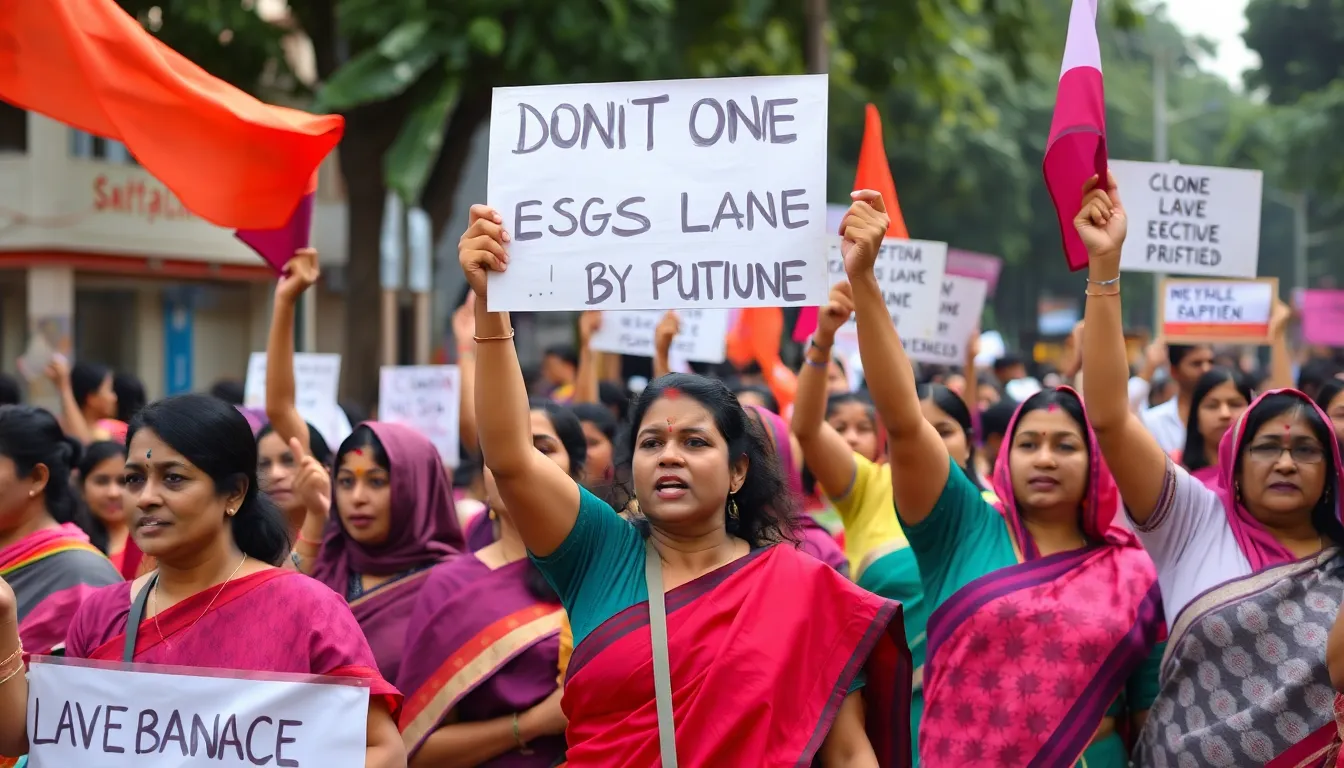
In 2021, a petition was filed in the Supreme Court of India seeking to mandate menstrual leave for women in the workforce. Proponents argued that such a policy would acknowledge the physical challenges many women face during their menstrual cycles and promote gender equality in the workplace, paralleling debates seen in countries like Japan. However, critics have raised concerns that instituting menstrual leave could reinforce stereotypes about women’s capabilities and potentially lead to discrimination in hiring practices, with the fear that employers might hesitate to hire women due to perceived absenteeism.
Legal Precedents and Global Context
Globally, several countries have implemented menstrual leave policies, with varying degrees of success. For instance, Japan has had a menstrual leave policy since the 1940s, while some companies in Spain have begun to adopt similar measures. These examples have sparked debates in India about the potential benefits and drawbacks of such policies. The Indian legal landscape, however, remains complex, with existing labor laws not specifically addressing menstrual leave, thereby leaving the issue largely unregulated.
The Supreme Court’s recent rejection of the menstrual leave petition underscores the ongoing struggle for women’s rights in India. It highlights the need for a more nuanced understanding of women’s health issues within the legal and political frameworks. As society continues to evolve, the conversation around menstrual leave is likely to persist, reflecting the broader fight for gender equality and women’s rights in the workplace.
Key stakeholders and issues surrounding the ruling
The recent ruling by India’s Supreme Court regarding a petition for menstrual leave has drawn attention to a range of stakeholders, each with distinct interests. The primary actors in this situation include women’s rights organizations, employers, government bodies, and the judiciary. Each of these groups has varying perspectives on the implications of menstrual leave policies in the workplace.
Women’s rights organizations advocate for policies that recognize and accommodate women’s health needs, arguing that menstrual leave could promote gender equality in the workplace. Their interest lies in ensuring that women are not penalized for biological processes, which can impact their work performance. Conversely, employers may view such policies as a potential burden, fearing increased costs and disruptions to productivity. This creates a tension between promoting employee welfare and maintaining operational efficiency.
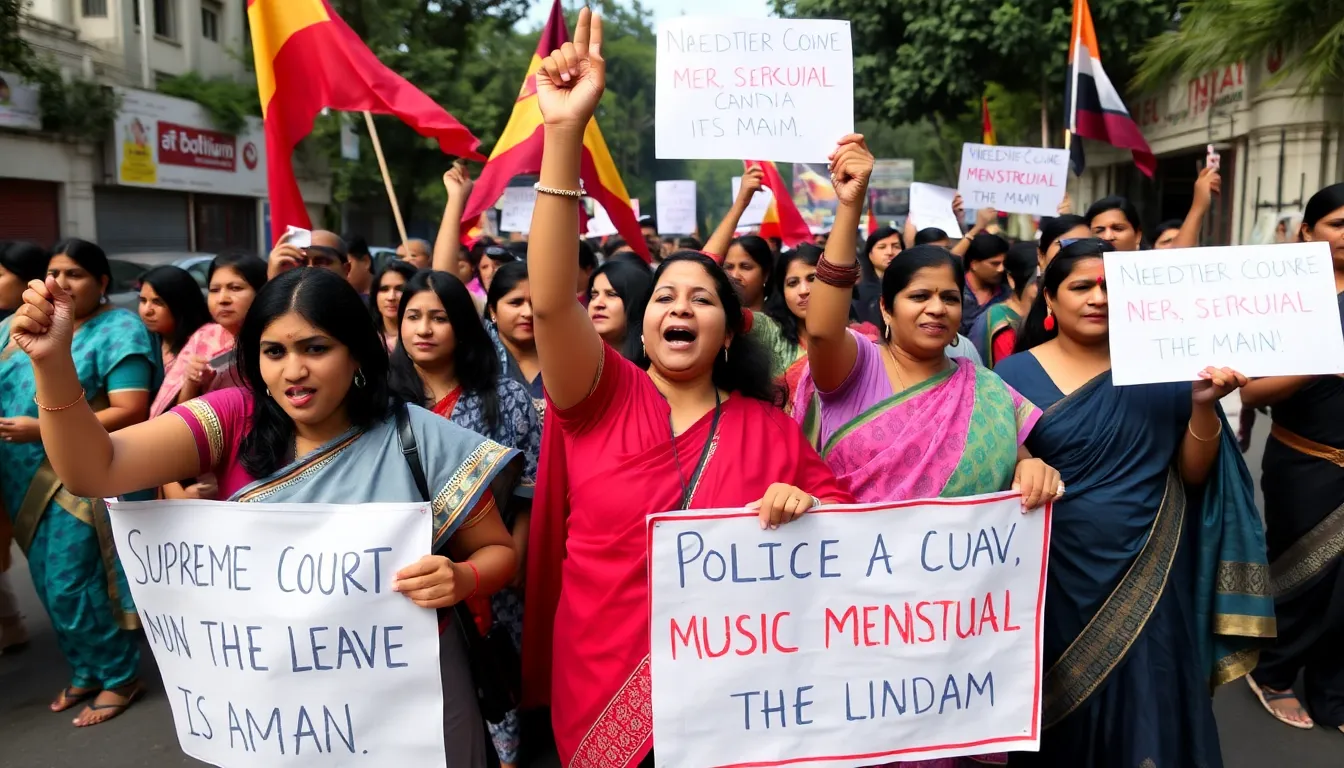
Government bodies also play a crucial role in this dynamic, as they are responsible for creating and enforcing labor laws. Their interest lies in balancing the rights of employees with the needs of businesses. The judiciary, tasked with interpreting the law, must navigate these conflicting interests while considering broader societal implications, such as gender equality and workplace rights.
- Legal implications: The ruling raises questions about the legality of menstrual leave and its enforcement, potentially setting precedents for future labor laws.
- Economic considerations: Employers may face increased costs associated with implementing menstrual leave policies, leading to concerns about their financial viability.
- Social impact: The decision could influence public perception of women’s health issues and the stigma surrounding menstruation in the workplace.
- Gender equality: The ruling reflects ongoing debates about women’s rights and the need for inclusive workplace policies.
As this issue unfolds, it highlights the complexities of balancing gender equity with economic realities, revealing the intricate interplay between law, society, and the workplace. Stakeholders will need to navigate these challenges carefully to forge a path that respects women’s rights while addressing the concerns of employers and the economy at large.
Potential effects on women in the workforce
The recent decision by India’s top court to reject the menstrual leave petition has significant implications for women across various sectors. Women in industries such as education, healthcare, and corporate settings may feel the immediate impact, as the lack of formal support for menstrual health could lead to increased absenteeism or decreased productivity. This decision may further perpetuate existing biases against hiring women, particularly in roles that require physical presence and stamina.
In the short term, the rejection of this petition may reinforce stereotypes about women’s capabilities in the workplace. Employers might become hesitant to hire women, fearing that they may need time off for menstrual-related issues. This could lead to a decrease in job opportunities for women, particularly in regions where traditional views on gender roles are still prevalent.
Mid-term impacts could see a shift in workplace policies as companies reassess their stance on women’s health issues. While some organizations may choose to implement informal policies to support their female employees, others might remain rigid, leading to a divide in workplace culture. This inconsistency could create challenges in retaining female talent, as women seek environments that acknowledge and support their health needs.
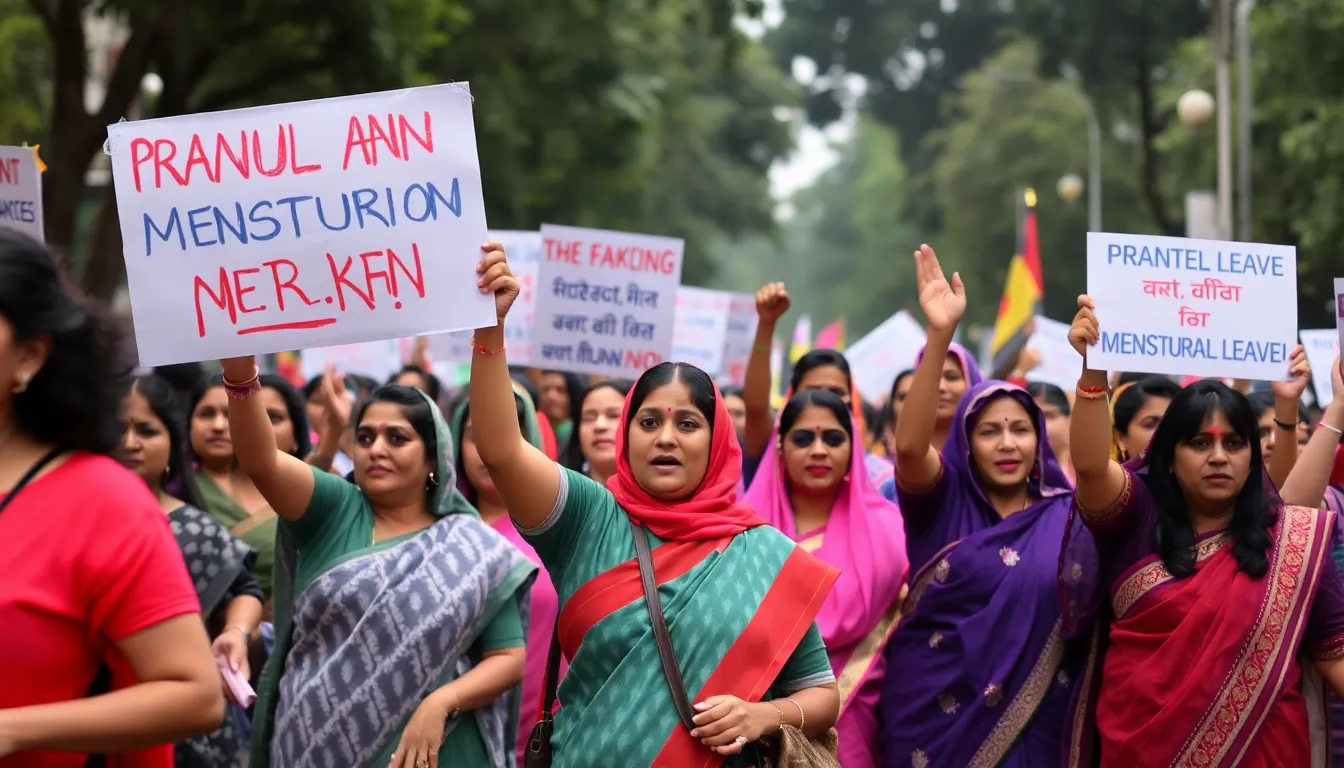
- Risk of increased gender discrimination: Employers may be less inclined to hire women, fearing potential absenteeism.
- Opportunity for advocacy: Women’s rights groups may use this decision to galvanize support for broader health policies.
- Potential for policy evolution: Companies may develop their own menstrual health initiatives to attract and retain female employees.
Overall, the decision not only affects women’s employment prospects but also highlights the need for a cultural shift in how menstrual health is perceived in the workplace. As discussions around women’s health continue, there may be opportunities for progressive companies to lead in creating supportive environments, ultimately benefiting their workforce and productivity.
A: The petition sought to establish a legal framework for menstrual leave for women in the workplace, aiming to address health and equality issues. A: The court stated that granting menstrual leave could lead to discrimination against women in hiring practices. A: The ruling raises concerns about gender equality and the recognition of women’s health issues in the workplace. A: Yes, some countries like Japan and South Korea have policies that allow for menstrual leave, highlighting a different approach to women’s health. A: Many women’s rights advocates have criticized the ruling, arguing it undermines efforts to promote gender equality in the workplace.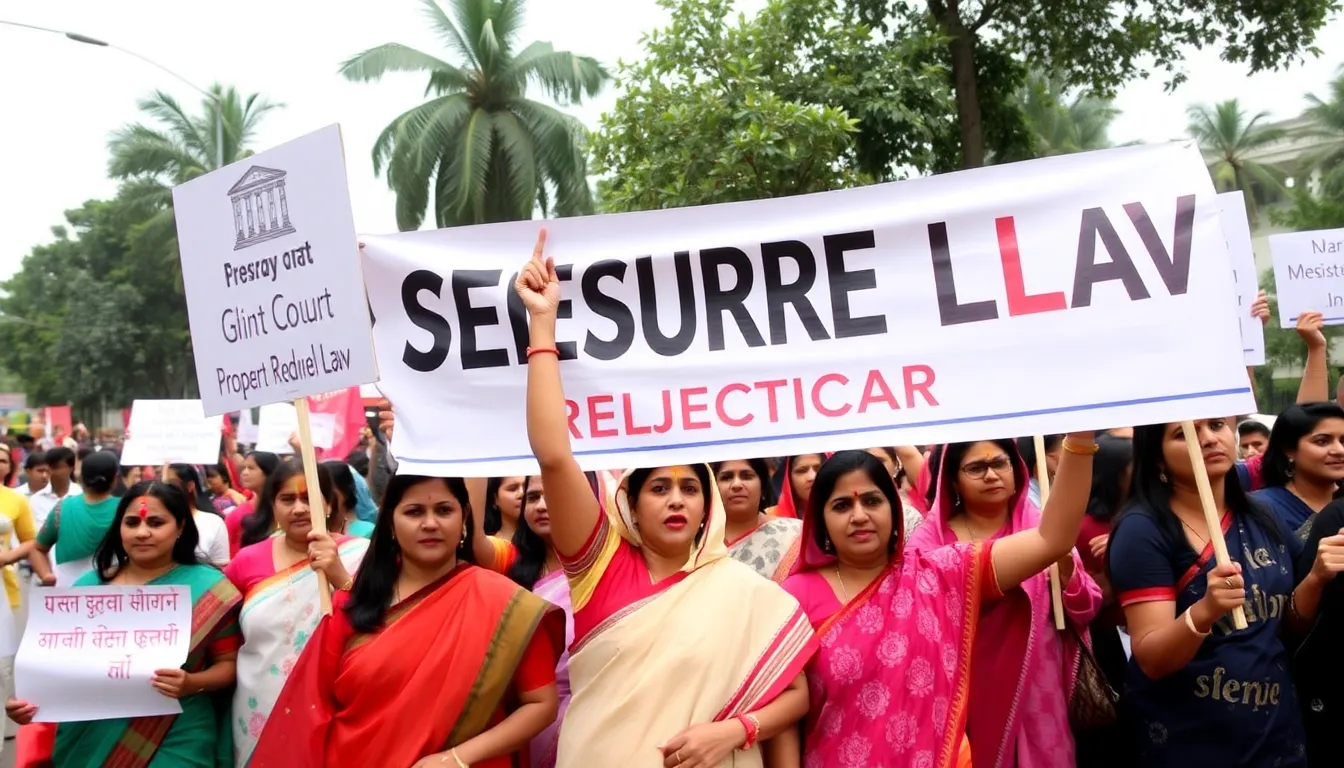
Frequently asked questions about menstrual leave
Looking ahead: implications of the ruling
The recent decision by India’s top court to reject the petition for menstrual leave highlights the ongoing challenges women face in the workplace. This ruling not only reflects societal attitudes towards women’s health issues but also raises concerns about gender equality and workplace inclusivity. As organizations navigate this landscape, the implications of such legal decisions will likely resonate across various sectors, influencing hiring practices and workplace policies.
Moving forward, companies may need to reassess their approach to women’s health and well-being, considering the broader implications of this ruling. The conversation around menstrual leave could evolve, prompting businesses to explore alternative support mechanisms that foster a more inclusive environment for female employees.
- Organizations may need to enhance their employee wellness programs to address women’s health issues more comprehensively.
- Companies should consider implementing flexible work arrangements to support employees during their menstrual cycles.
- There may be increased advocacy for policy changes that promote gender equality in the workplace, pushing for more inclusive labor laws.
- Employers could benefit from training programs that educate staff on women’s health issues to foster a more understanding work culture.