


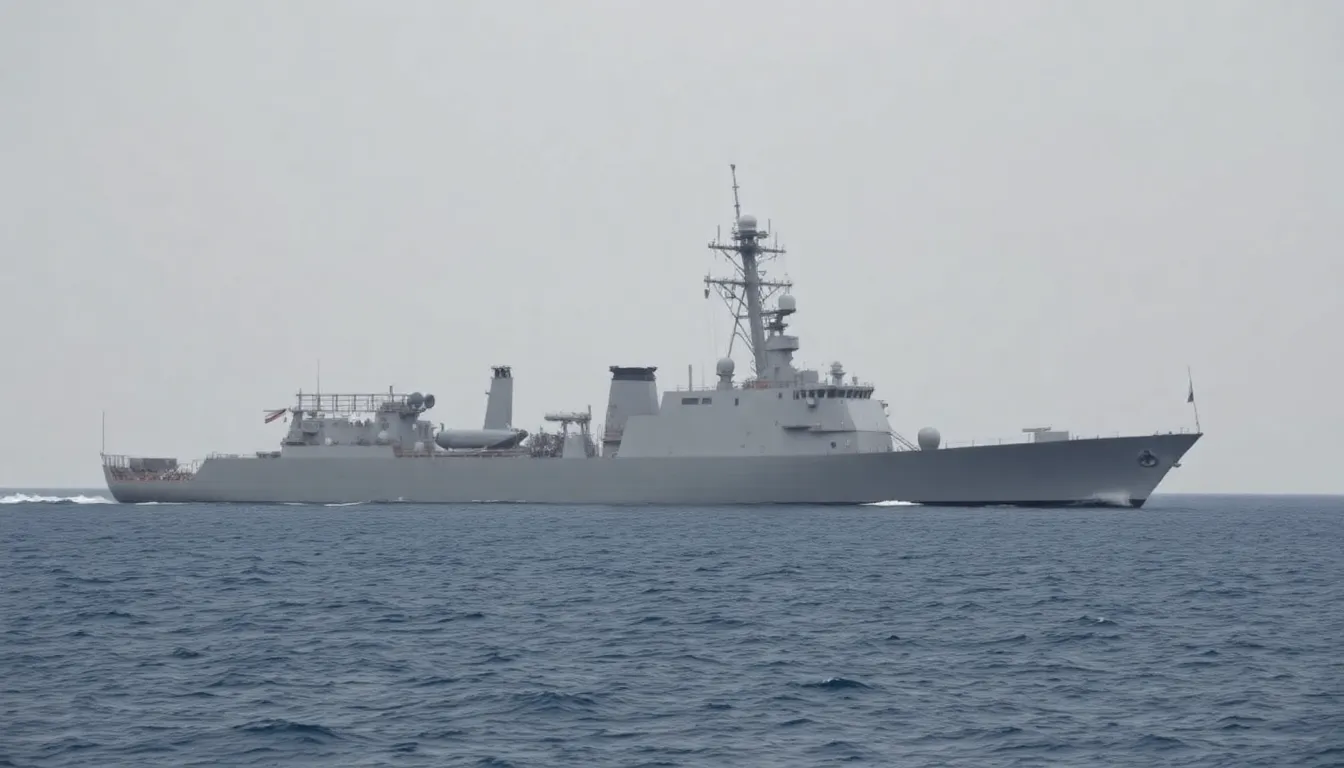
The Kharg was reportedly engaged in operations aimed at enhancing its naval capabilities when it encountered difficulties. Iranian officials stated that the ship experienced a fire that led to its eventual sinking, although the exact circumstances remain under investigation. This incident comes amid heightened military activities in the Gulf, where both Iranian and U.S. forces have been increasingly active, as highlighted in a related article about the US submarine sinking the Iranian warship.
Analysts suggest that the loss of the Kharg could impact Iran’s naval strategy and its ability to project power in the region. The ship was not only a symbol of Iran’s maritime ambitions but also played a crucial role in logistical support for naval operations. Its sinking raises questions about Iran’s readiness and resilience in the face of potential maritime threats, echoing the themes of energy prices affected by the Iran conflict.
This event also underscores the broader geopolitical dynamics at play, as the U.S. continues to monitor Iranian naval movements closely. The Iranian military’s response to this incident may influence future engagements and strategies in the Gulf, where both nations have a history of confrontations. The implications of the Kharg‘s sinking extend beyond military capabilities, potentially affecting diplomatic relations as well.
Exploring the historical tensions between Iran and the US
The relationship between Iran and the United States has been fraught with tension since the mid-20th century, marked by a series of pivotal events that have shaped their interactions. One significant milestone occurred in 1953 when a CIA-backed coup overthrew Iran’s democratically elected Prime Minister, Mohammad Mossadegh, reinstating the Shah, Mohammad Reza Pahlavi. This event sowed deep-seated resentment among Iranians towards the US, as it was perceived as an act of imperialism that disregarded their sovereignty.
The 1979 Iranian Revolution further escalated tensions when the Shah was overthrown, leading to the establishment of an Islamic Republic under Ayatollah Khomeini. The subsequent hostage crisis, in which 52 American diplomats and citizens were held for 444 days, solidified the animosity. This event not only severed diplomatic ties but also set the stage for decades of hostility, with both nations viewing each other with suspicion and disdain.
Throughout the 1980s and 1990s, the US adopted a policy of containment towards Iran, particularly during the Iran-Iraq War when the US supported Iraq. This period saw increased military presence in the Gulf region and sanctions against Iran, which further exacerbated economic hardships and fueled anti-American sentiment among the Iranian populace. The situation was complicated by Iran’s nuclear ambitions in the early 2000s, leading to heightened tensions and a series of international negotiations.
The sinking of the Iranian warship
The recent sinking of an Iranian warship by the US can be seen as a culmination of these longstanding tensions. The incident, which occurred amidst heightened military posturing and rhetoric from both sides, serves as a stark reminder of the volatile nature of their relationship. The warship, once a symbol of Iran’s naval aspirations, now lies at the bottom of the sea, representing not just a loss of military capability but also a significant blow to national pride and a potential catalyst for further conflict, affecting various stakeholders as discussed in the article on international dynamics and communication.
Key stakeholders and their interests in the conflict
The sinking of the Iranian warship by the United States has drawn attention from various stakeholders, each with distinct interests and perspectives. These stakeholders include the Iranian government, the United States military, regional allies, and international organizations, all of whom are affected by the implications of this incident.
The Iranian government is primarily interested in maintaining its sovereignty and military reputation. The loss of a naval vessel can be perceived as a significant blow to national pride and security. Iran may seek to leverage this incident to rally domestic support against perceived external aggression, while also attempting to garner sympathy from allies and neutral nations.
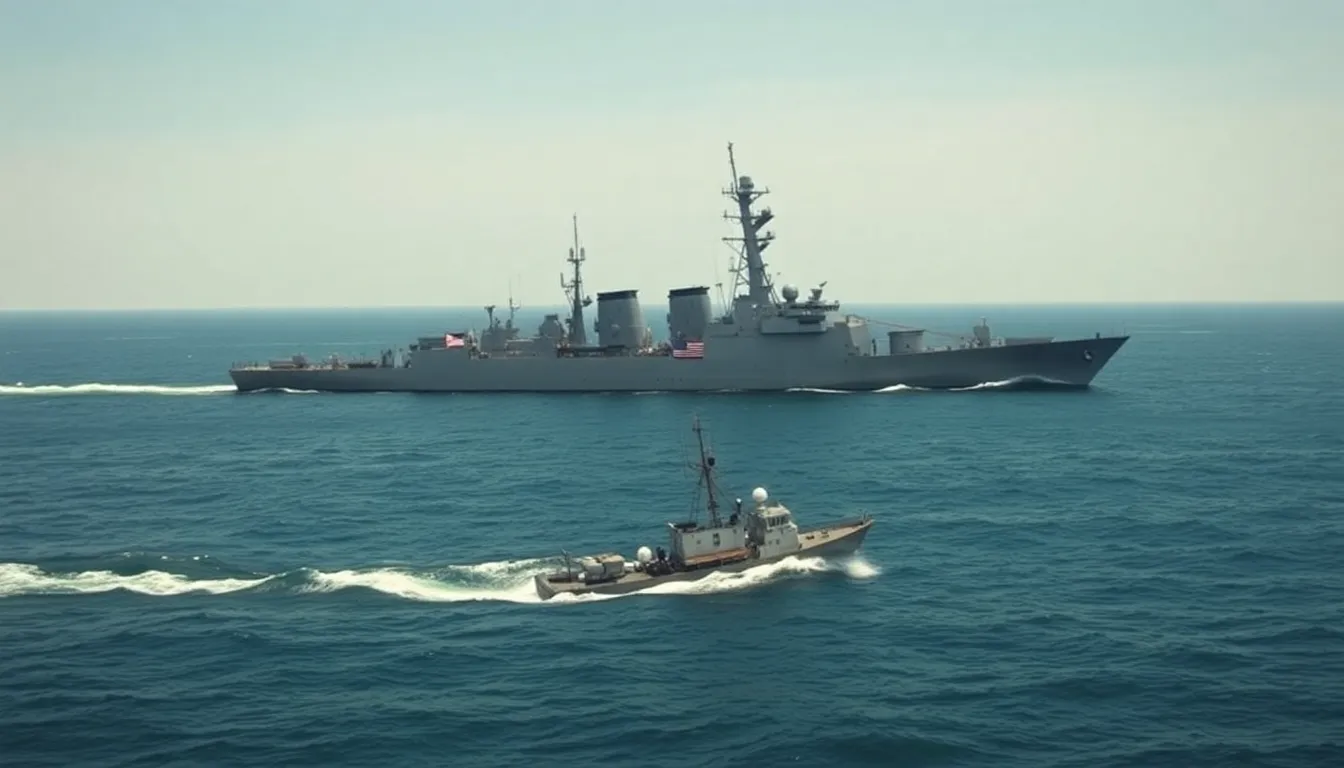
On the other hand, the United States military aims to assert its dominance and deterrence capabilities in the region. The sinking of the warship can be viewed as a strategic move to reinforce its stance against Iranian naval activities, particularly in contested waters. This action may also serve to reassure U.S. allies in the region, such as Saudi Arabia and Israel, who view Iran as a direct threat.
- Regional allies: Countries like Saudi Arabia and the United Arab Emirates may see the U.S. action as a validation of their own security concerns regarding Iran’s military capabilities.
- International organizations: Entities such as the United Nations may face pressure to address the incident, focusing on issues of maritime law and the potential for escalation in military conflicts.
- Economic implications: The incident could impact trade routes and oil supply chains, raising concerns among global markets about stability in the Persian Gulf.
Legal issues also arise from this incident, particularly concerning the laws of armed conflict and maritime engagement. The interpretation of these laws may influence international reactions and could lead to calls for accountability or further diplomatic negotiations.
Assessing the impact on regional stability and international relations
The sinking of the Iranian warship by the US has significant implications for various groups, industries, and regions. Key stakeholders include military personnel, maritime shipping companies, and regional governments. The incident heightens tensions in the already volatile Middle East, affecting diplomatic relations and security dynamics among nations.
In the short term, local populations in affected areas may experience increased military presence and heightened security measures. This could disrupt daily life, particularly in ports and coastal regions where shipping routes are critical. Businesses reliant on maritime trade may face delays and increased costs due to heightened scrutiny and potential retaliatory actions.
Mid-term impacts could extend to international oil markets, as instability in the region often leads to fluctuations in oil prices. Countries that depend heavily on oil exports may see economic repercussions, while alternative energy industries could benefit from a shift in focus due to rising tensions. Additionally, this incident could prompt a reevaluation of defense spending and military strategies among neighboring countries.
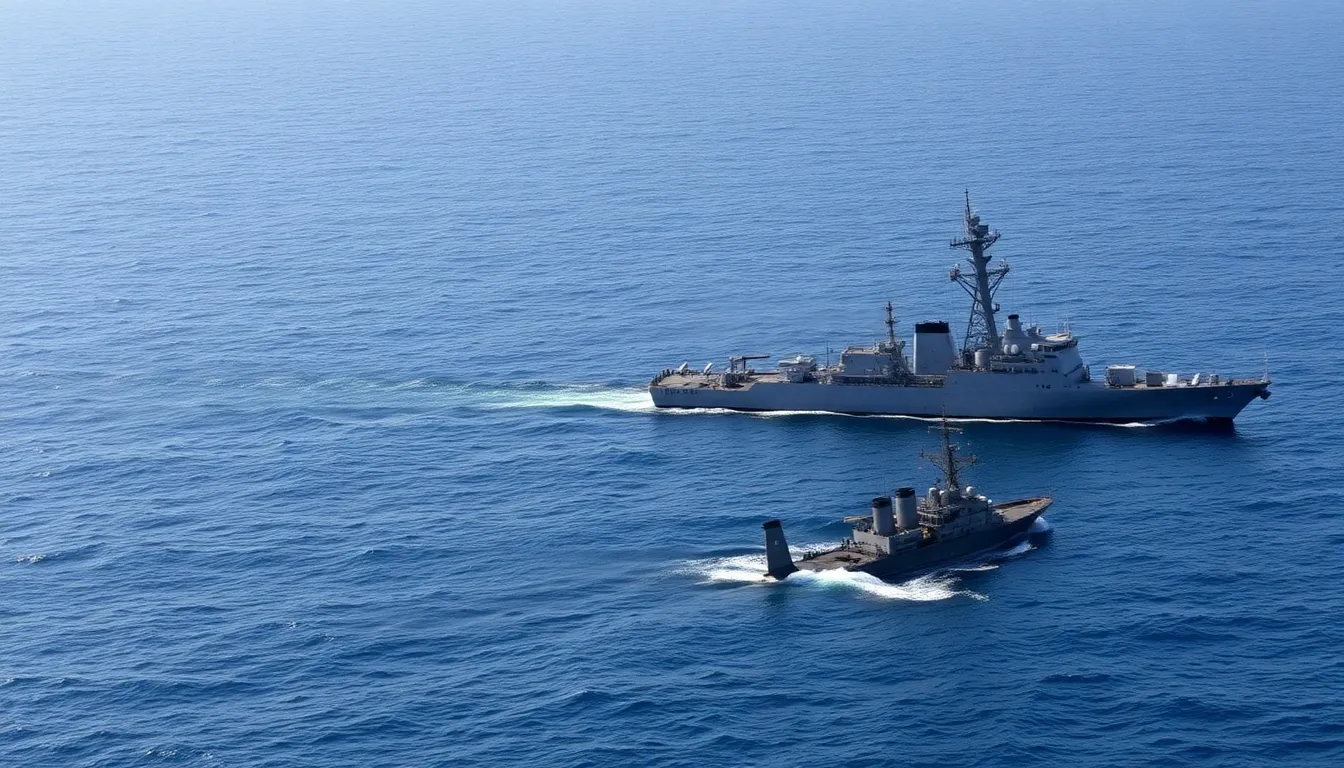
- Increased military activity: Heightened naval presence may disrupt trade routes.
- Economic volatility: Potential fluctuations in oil prices affecting global markets.
- Policy shifts: Countries may reconsider alliances and defense strategies.
- Emerging opportunities: Growth in alternative energy sectors as reliance on oil is questioned.
While risks abound, opportunities may arise for diplomatic negotiations aimed at de-escalation. Countries may seek to engage in dialogue to prevent further military confrontations, leading to potential collaborative efforts in security and trade.
A: The Iranian warship was sunk during a military engagement with US forces, which escalated tensions in the region. The incident is part of a larger pattern of confrontations between the two nations. A: Iran has condemned the attack, calling it an act of aggression. The Iranian government has vowed to retaliate and has increased its military readiness in response. A: This incident further strains already tense relations between the US and Iran, potentially leading to increased military presence in the region and heightened diplomatic conflicts. A: Various countries have expressed concern over the incident, urging both sides to exercise restraint and seek diplomatic solutions to avoid further escalation. A: The sinking raises serious concerns about maritime security in the Persian Gulf, prompting discussions on the need for increased naval patrols and international cooperation to ensure safe passage.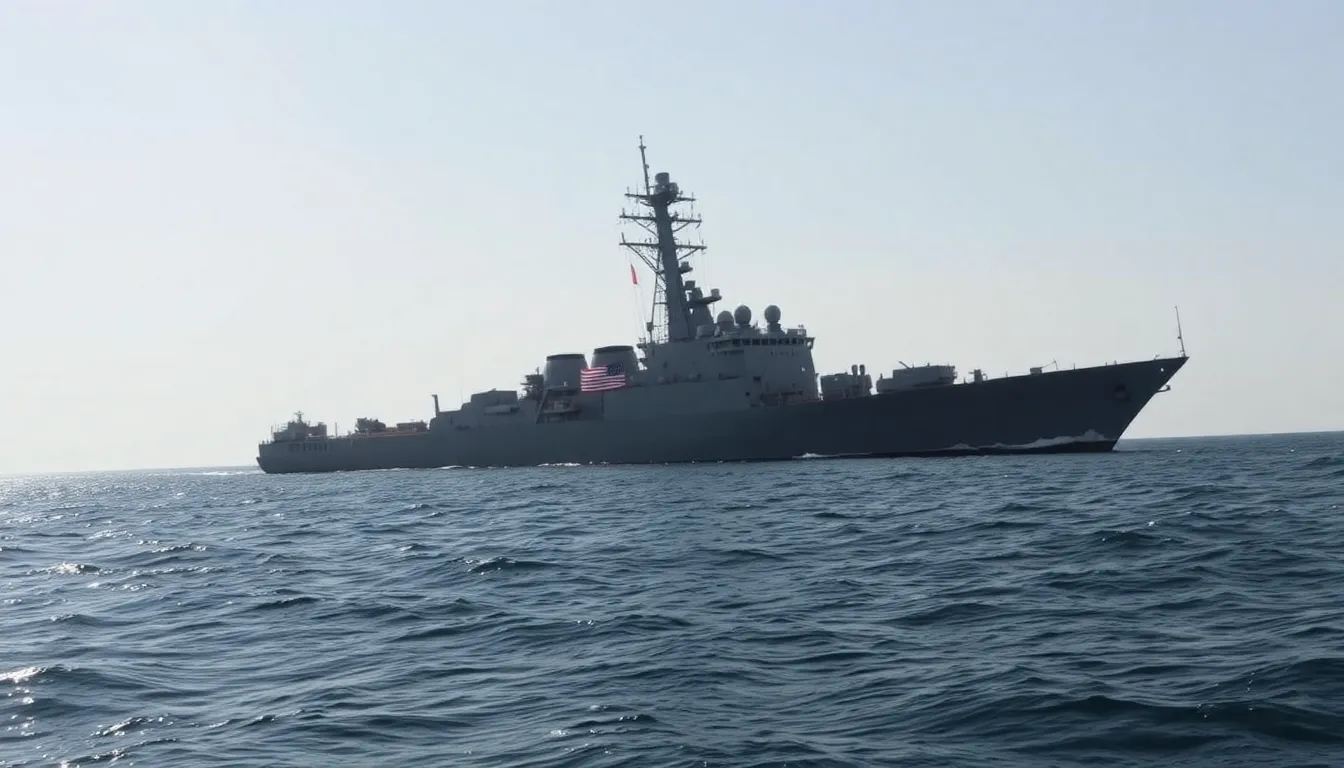
Common questions about the Iranian warship incident
Key takeaways and future implications of the incident
The sinking of the Iranian warship by the US marks a significant moment in the ongoing tensions between Iran and the United States. This incident not only highlights the fragility of maritime security in the region but also underscores the potential for escalation in military confrontations. As both nations navigate their strategic interests, the implications of this event will likely resonate throughout international relations and influence future military engagements.
In the wake of this incident, observers should remain vigilant regarding the evolving dynamics in the Persian Gulf. The response from Iran, both militarily and diplomatically, will be crucial in shaping the future landscape of US-Iran relations and broader regional stability.
- The potential for increased military posturing in the Persian Gulf from both Iran and the US could lead to further confrontations.
- Iran’s response may involve asymmetric warfare tactics, including cyber operations or proxy engagements in the region.
- International diplomatic efforts may intensify as other nations seek to mediate tensions and prevent escalation.
- Monitoring the reactions from regional allies of both Iran and the US will provide insights into shifting alliances and power dynamics.
- Future naval operations in the area may see heightened security measures and increased presence from international naval forces.