


The coalition is expected to include a diverse array of stakeholders, including law enforcement officials, state governors, and community leaders. A key aspect of this effort is the proposed collaboration with Mexican authorities to enhance cross-border cooperation. For more on the implications of international partnerships, you can read about Pentagon summons Anthropic chief amid AI regulation dispute. This partnership aims to disrupt the supply chains of drugs and arms that facilitate cartel operations.
Recent statistics highlight the urgency of this initiative, with drug overdoses in the U.S. reaching record highs, largely attributed to fentanyl and other synthetic opioids trafficked by these cartels. In 2022 alone, over 100,000 overdose deaths were reported, prompting calls for immediate action from both federal and state officials. The coalition’s formation is seen as a critical step towards addressing this escalating public health crisis.
Trump’s announcement follows a series of high-profile incidents linked to cartel violence, including targeted killings and kidnappings that have drawn national attention. As he rallies support for this coalition, the former president emphasizes the need for a robust and unified response to what he describes as a national security threat. The effectiveness of this coalition will depend on its ability to coordinate efforts and implement actionable strategies to dismantle cartel operations.
Exploring the historical context of drug cartels in the United States
The issue of drug cartels in the United States is deeply rooted in a complex interplay of historical, political, and economic factors that have evolved over decades. The rise of these organizations can be traced back to the mid-20th century when the demand for illegal drugs began to surge, coinciding with significant social changes and the counterculture movement of the 1960s. As the demand grew, so did the supply, leading to the establishment of powerful cartels that would come to dominate the drug trade.

In the 1980s, the Colombian cartels, particularly the Medellín and Cali cartels, became notorious for their influence and brutality. These organizations not only controlled the production and distribution of cocaine but also engaged in violent conflicts with law enforcement and rival gangs. The U.S. government’s response included increased military and financial support to combat drug trafficking, culminating in initiatives like Plan Colombia, which aimed to eradicate coca production and dismantle cartel operations.
As the Colombian cartels were targeted, Mexican drug trafficking organizations began to fill the void, leading to the emergence of powerful groups like the Sinaloa and Zetas cartels. The shift in focus from Colombian to Mexican cartels marked a significant change in the landscape of drug trafficking in the United States. These organizations adapted to the U.S. law enforcement strategies, becoming more decentralized and diversified in their operations, which made them harder to dismantle.
The socio-economic impact of drug cartels
The socio-economic consequences of drug cartels have been profound, affecting communities on both sides of the border. In the U.S., the opioid crisis has been exacerbated by the influx of synthetic opioids and other narcotics, leading to a public health emergency. Meanwhile, in Mexico, the violent turf wars between rival cartels have resulted in tens of thousands of deaths and widespread fear, undermining social stability and economic development. For insights on political shifts that impact such issues, check out Nepal election 2026 overview and main candidates.
In recent years, the political landscape has also shifted, with leaders like Donald Trump advocating for a more aggressive stance against drug cartels. This includes proposals to build a wall along the U.S.-Mexico border and to enhance law enforcement cooperation. Trump’s new coalition aims to address the issue by uniting various stakeholders, including law enforcement agencies, local communities, and international partners, to combat the growing threat posed by these organizations.
Analyzing the stakeholders involved in the fight against cartels
The recent initiative led by former President Donald Trump to form a coalition aimed at eradicating drug cartels has drawn attention from various stakeholders, each with distinct interests and motivations. These actors include government entities, law enforcement agencies, political figures, and community organizations, all of whom play crucial roles in shaping the discourse and actions surrounding cartel violence and drug trafficking.
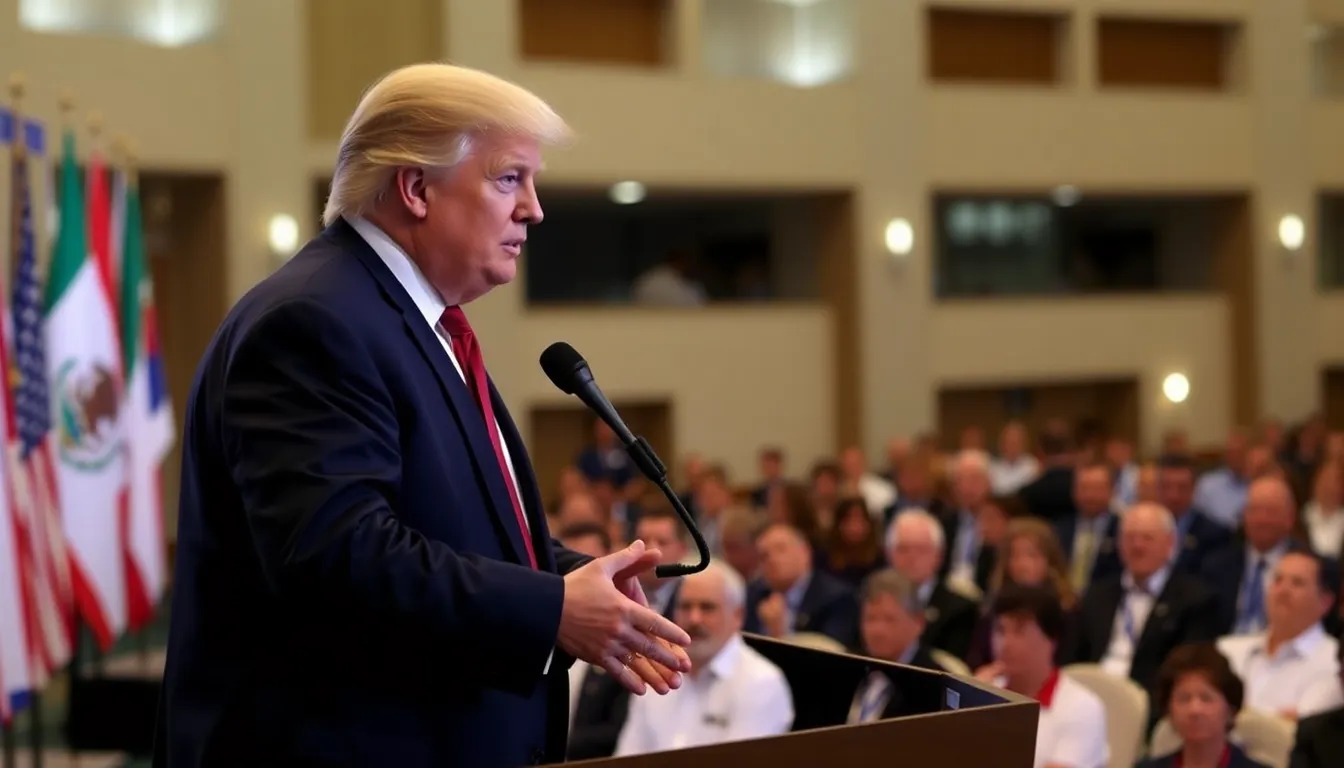
One of the primary stakeholders is the U.S. federal government, which has a vested interest in reducing drug-related crimes and improving national security. The Department of Justice and the Drug Enforcement Administration (DEA) are particularly focused on dismantling cartel operations, as they directly impact public safety and health. Their efforts often involve complex legal frameworks and international cooperation, especially with neighboring countries like Mexico, where many cartels operate.
On the other hand, local communities affected by cartel violence are also significant stakeholders. These communities seek safety, economic stability, and social justice. They often face the brunt of cartel activities, leading to a demand for stronger law enforcement and community support programs. However, there can be conflicts between law enforcement strategies and community needs, particularly when aggressive policing tactics are perceived as exacerbating tensions rather than alleviating them.
- Political Interests: Different political factions may leverage the issue of cartels for electoral gain, leading to potential disagreements on the best approaches to address the problem.
- International Relations: The coalition’s formation could strain U.S.-Mexico relations, especially if it involves unilateral actions that bypass diplomatic channels.
- Economic Implications: Efforts to eradicate cartels could impact local economies, particularly in regions reliant on industries that may be indirectly connected to cartel activities.
Additionally, non-governmental organizations (NGOs) and advocacy groups represent another layer of stakeholders. They often focus on the human rights implications of anti-cartel measures, advocating for approaches that prioritize rehabilitation over incarceration. Their involvement highlights the trade-offs between enforcing the law and addressing the root causes of drug addiction and cartel influence. This is a complex issue also seen in discussions like Blaring sirens on smartphones to warn Australians of major disasters under emergency alerts overhaul.
Assessing the potential impact on communities and law enforcement
The formation of a new coalition by Trump aimed at eradicating cartels is poised to affect various groups, industries, and regions across the United States. Primarily, communities that have been plagued by cartel-related violence and drug trafficking will feel the immediate impacts, as law enforcement agencies ramp up efforts to combat these issues.
In the short term, residents in high-risk areas may experience an increase in police presence and operations targeting cartel activities. This heightened enforcement could lead to a temporary reduction in crime rates, providing a sense of safety to local communities. However, it may also result in increased tensions between law enforcement and residents, particularly in areas with a significant presence of immigrant populations.
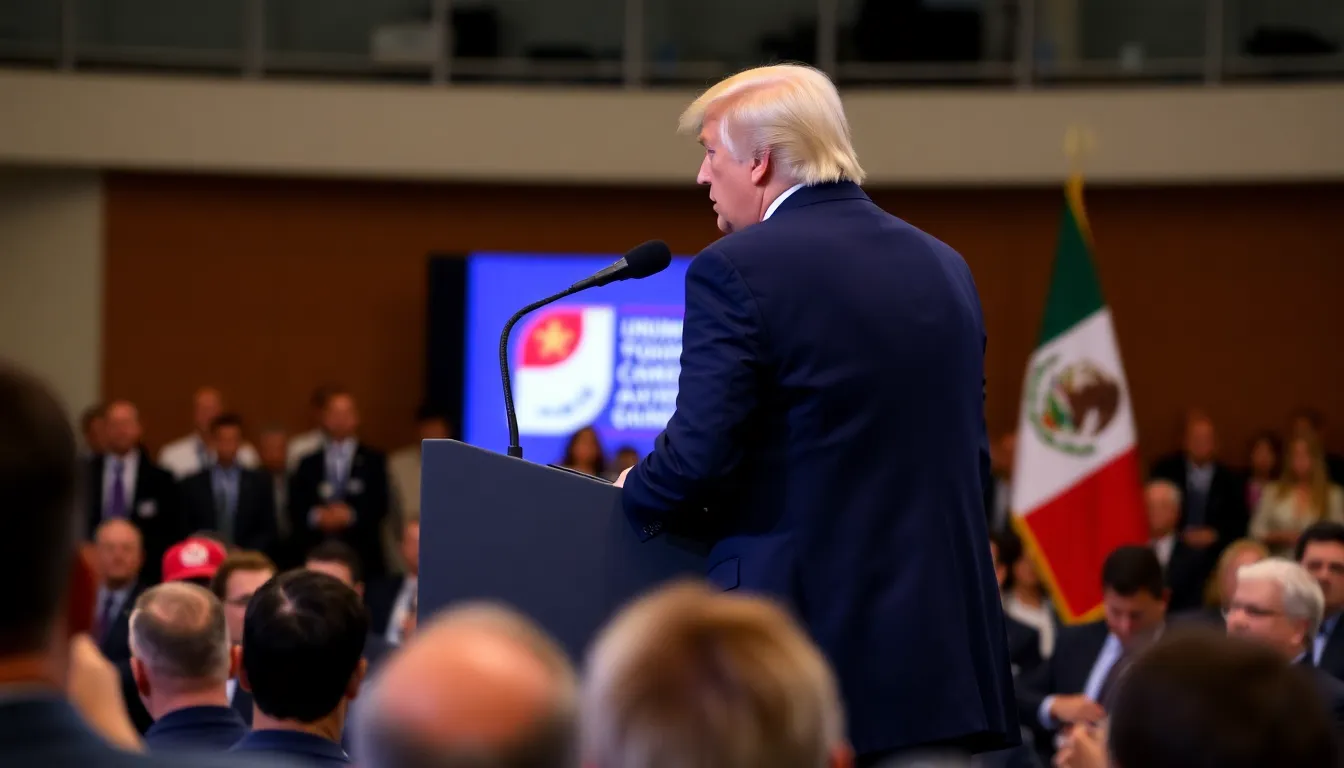
Mid-term impacts could include shifts in local economies, especially in regions heavily affected by cartel operations. Businesses that have been operating under the shadow of cartel influence may find new opportunities to thrive as law enforcement disrupts these networks. Conversely, industries such as agriculture or small retail may face challenges if cartel-related violence spills over into their operations.
- Communities: Increased safety but potential for conflict with law enforcement.
- Local businesses: Opportunities for growth as cartel influence wanes.
- Law enforcement: Strain on resources and potential backlash from community relations.
Moreover, the coalition’s initiatives may lead to new policy developments at both state and federal levels, influencing how law enforcement approaches drug-related crimes. This could pave the way for more comprehensive drug policy reforms, potentially creating a ripple effect on related industries, such as healthcare and rehabilitation services.
A: The primary goal is to develop effective strategies to combat drug cartels and reduce their influence in the United States. A: The coalition includes law enforcement officials, community leaders, and experts in drug policy and prevention. A: This coalition aims to implement innovative approaches and foster collaboration across different sectors to enhance the fight against cartels. A: The coalition may encounter resistance from established cartel networks and face logistical challenges in coordinating efforts across jurisdictions. A: The coalition plans to announce its initiatives in the coming months, with a focus on immediate action and long-term strategies.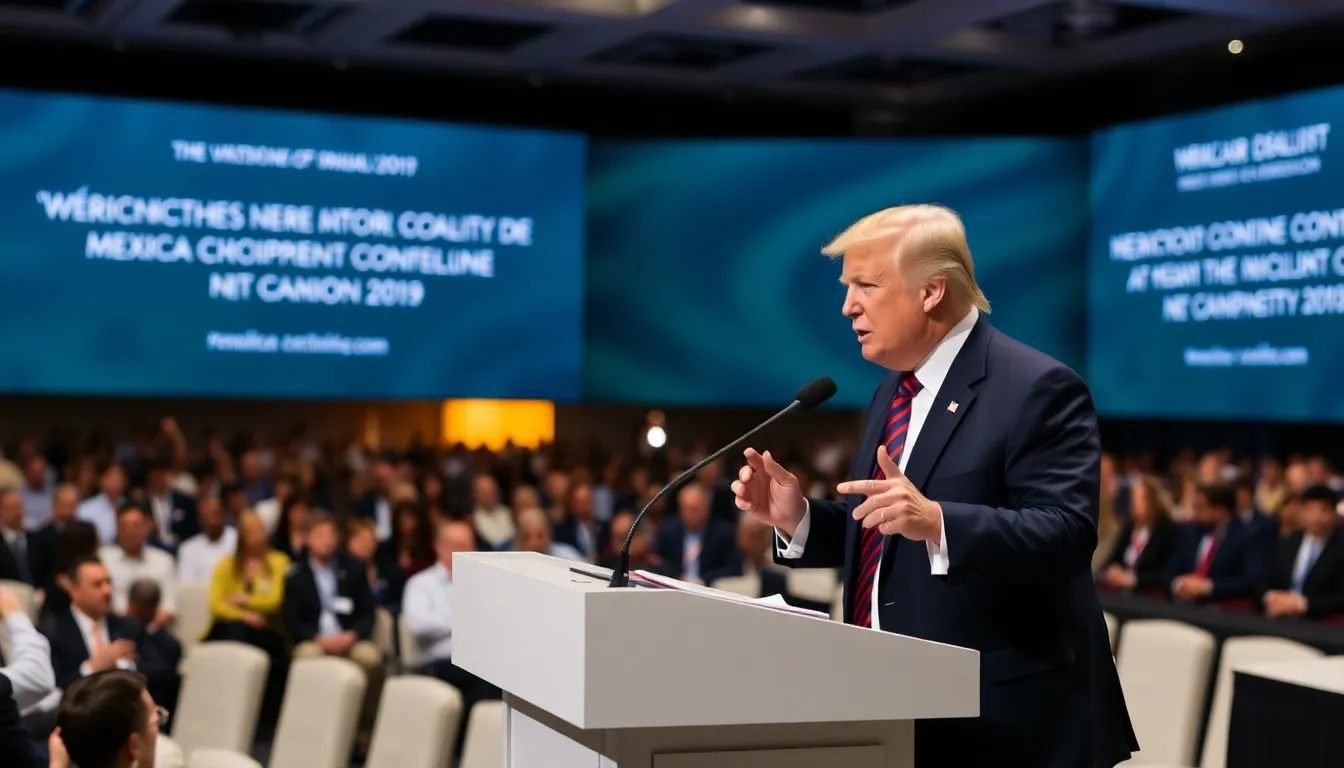
Frequently asked questions about the new coalition
Key takeaways and future outlook on cartel eradication efforts
The recent coalition formed by Trump to combat cartels marks a significant shift in the approach to drug trafficking and organized crime. By uniting various stakeholders, including law enforcement, local communities, and international partners, this initiative aims to create a more comprehensive strategy to dismantle cartel operations. The emphasis on collaboration may lead to more effective intelligence sharing and resource allocation, potentially altering the landscape of drug enforcement in the U.S. and beyond.
As this coalition develops, it will be crucial to monitor its implementation and the response from cartel organizations. The evolving dynamics of this conflict could reshape not only law enforcement tactics but also public perception and policy surrounding drug use and trafficking. Stakeholders should remain vigilant about the potential for both positive outcomes and unintended consequences as these efforts unfold.
- Increased collaboration: Expect enhanced cooperation among federal, state, and local law enforcement agencies, which may improve operational effectiveness.
- Community engagement: The coalition’s focus on local communities could lead to grassroots initiatives that empower citizens to participate in combating drug-related issues.
- International partnerships: Watch for strengthened ties with foreign governments, which may facilitate cross-border efforts to tackle cartel operations.
- Policy implications: Changes in drug policy may arise as the coalition seeks to address the root causes of cartel influence beyond enforcement alone.
- Potential backlash: Be aware of possible retaliatory actions from cartels, which could affect both law enforcement and community safety.