


The issue stems from the limited capacity of mobile networks to handle the influx of users in a concentrated area. According to a report by the Federal Communications Commission (FCC) in 2022, cellular networks are typically designed to support a certain number of users per square mile. When this threshold is exceeded, as is common at large events, the network becomes congested, resulting in service disruptions.
This heavy usage exacerbates the problem, as seen during the 2023 UEFA Champions League final, where many fans reported being unable to connect to networks despite their devices showing signal strength. Understanding the implications of connectivity issues during such events is crucial for both organizers and network providers.
Moreover, the deployment of temporary cell towers, known as mobile cell on wheels (COWs), is often limited by logistical challenges and regulatory hurdles. While some event organizers attempt to enhance connectivity through these measures, they may not be sufficient to meet the needs of all attendees. This ongoing issue highlights the need for improved planning and investment in mobile infrastructure to support large-scale events.
The growing popularity of large-scale events and its impact on mobile networks
Over the past two decades, the popularity of large-scale events such as music festivals and sports matches has surged dramatically. This increase can be attributed to a combination of factors, including the rise of social media, which amplifies the visibility of these events, and a growing culture of experiential entertainment. As more people flock to these gatherings, the demand for mobile connectivity has skyrocketed, putting unprecedented pressure on existing network infrastructure.
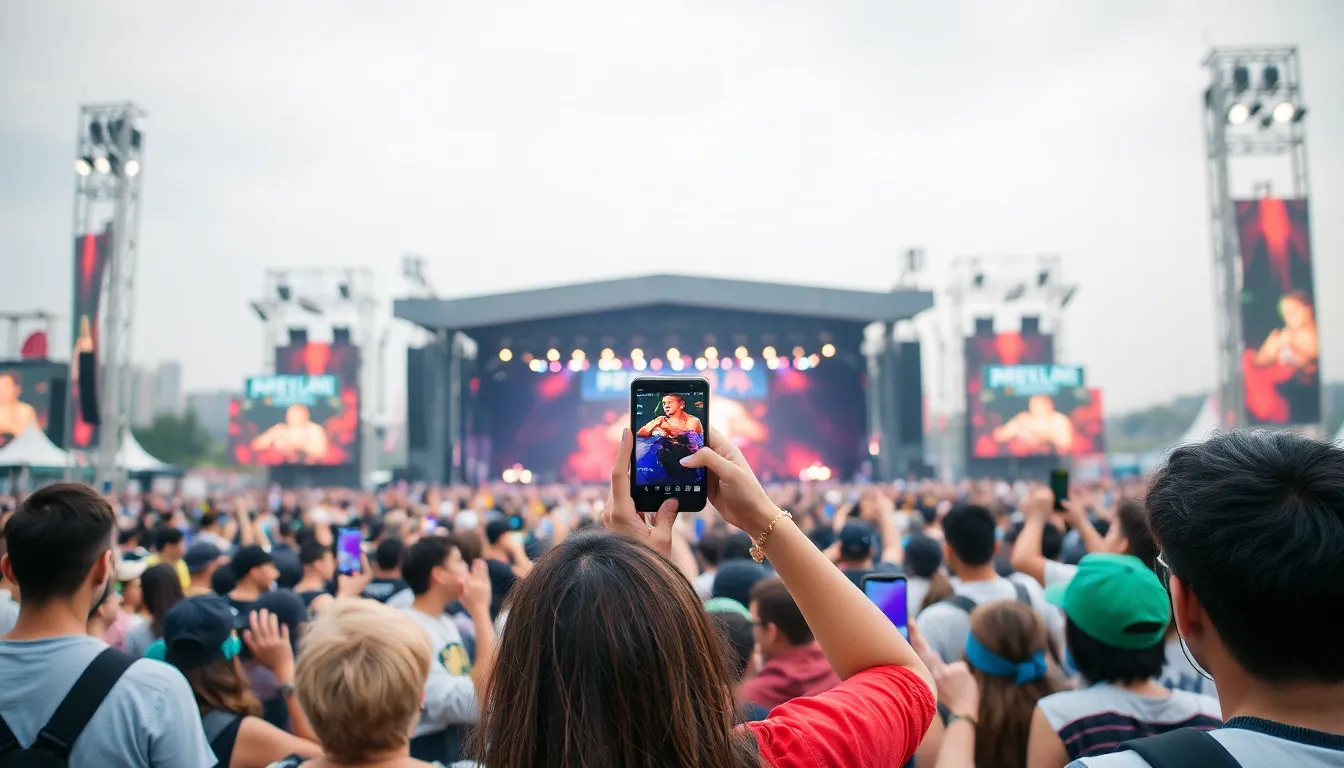
Historically, mobile networks were designed to handle a relatively stable number of users spread across urban and suburban areas. However, the sudden influx of thousands, if not millions, of attendees at a single event creates a unique challenge. Network operators often struggle to provide adequate coverage and capacity, leading to dropped calls and slow data speeds. This phenomenon is not new; it has been observed at major events for years, but the scale and frequency have increased significantly in recent years.
The evolution of mobile technology
While 4G networks have improved connectivity, they are still not equipped to handle the massive spikes in demand that occur during large events, highlighting the need for advancements such as 5G technology that could alleviate some of the congestion.
Moreover, the allocation of spectruma limited resource essential for mobile communicationhas historically been a contentious issue. Regulatory bodies have struggled to keep up with the rapid growth of mobile technology and the increasing demand for bandwidth. This has led to delays in deploying new technologies, such as 5G, which could alleviate some of the congestion experienced at large gatherings.
This includes the development of temporary mobile towers, improved infrastructure planning, and better coordination between event organizers and network providers. Understanding the historical context of connectivity challenges is crucial for addressing the challenges of connectivity at these gatherings.
Key factors contributing to signal issues at crowded venues
As large gatherings such as festivals and sports matches attract thousands of attendees, the demand for mobile network services surges significantly. This creates a complex environment where multiple stakeholders are involved, each with their own interests and concerns. Understanding these actors is crucial to comprehending the challenges of maintaining signal quality in such crowded venues.
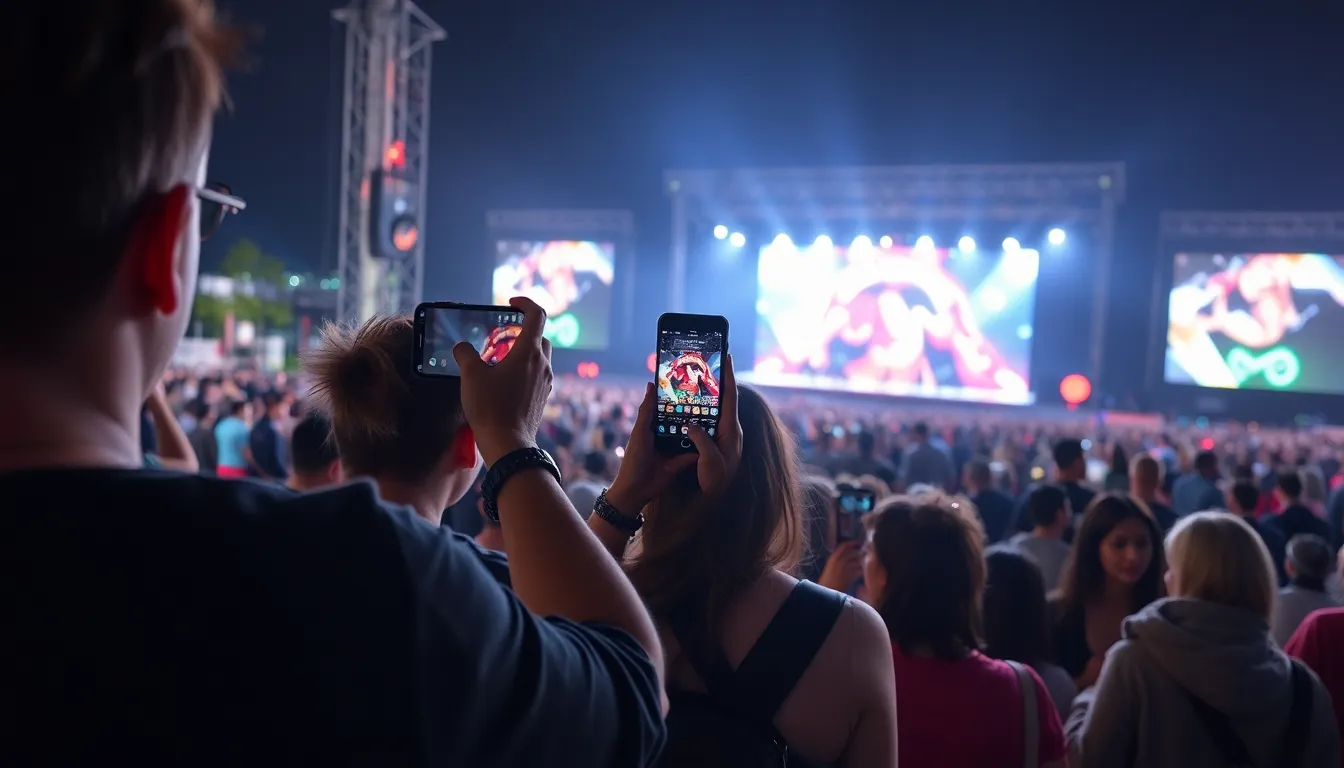
The primary stakeholders include mobile network operators, event organizers, venue owners, and attendees. Mobile network operators aim to provide reliable service but face limitations in infrastructure and capacity. Event organizers, on the other hand, are focused on ensuring a seamless experience for attendees, which includes connectivity. Venue owners must balance the needs of both operators and event organizers while adhering to local regulations.
Several key issues arise from this interplay of interests. Firstly, the physical infrastructure required to support high volumes of data traffic is often inadequate. Many venues were not designed to handle the influx of mobile users, leading to network congestion. Secondly, the economic aspect comes into play; mobile operators may be hesitant to invest heavily in temporary infrastructure for short-term events, which can lead to inadequate coverage.
- Infrastructure limitations: Many venues lack the necessary equipment to support high data demands.
- Regulatory hurdles: Local governments may impose restrictions on the installation of temporary cell towers or antennas.
- Cost vs. benefit: Mobile operators must weigh the financial implications of investing in additional capacity for short events.
- Attendee behavior: Increased use of social media and streaming services during events exacerbates network congestion.
- Event planning: Poor coordination between stakeholders can lead to insufficient network planning.
These factors contribute to a cycle of frustration for attendees who expect reliable service during major events. The challenge lies in finding a balance between the interests of all stakeholders while addressing the technical and economic constraints that limit signal availability in crowded venues.
How poor signal affects attendees and event organizers
At large events such as festivals and sports matches, poor mobile signal can significantly impact multiple groups, including attendees, event organizers, and local businesses. Attendees often rely on their devices for communication, navigation, and social media sharing, making a lack of connectivity frustrating. Event organizers face challenges in coordinating logistics, managing crowd safety, and engaging with their audience in real-time.
The short-term impacts of inadequate signal coverage can lead to heightened dissatisfaction among attendees, which may deter them from returning to future events. Additionally, local businesses that rely on foot traffic and mobile engagement may see a decline in sales as potential customers are unable to connect with online services or share their experiences on social media.
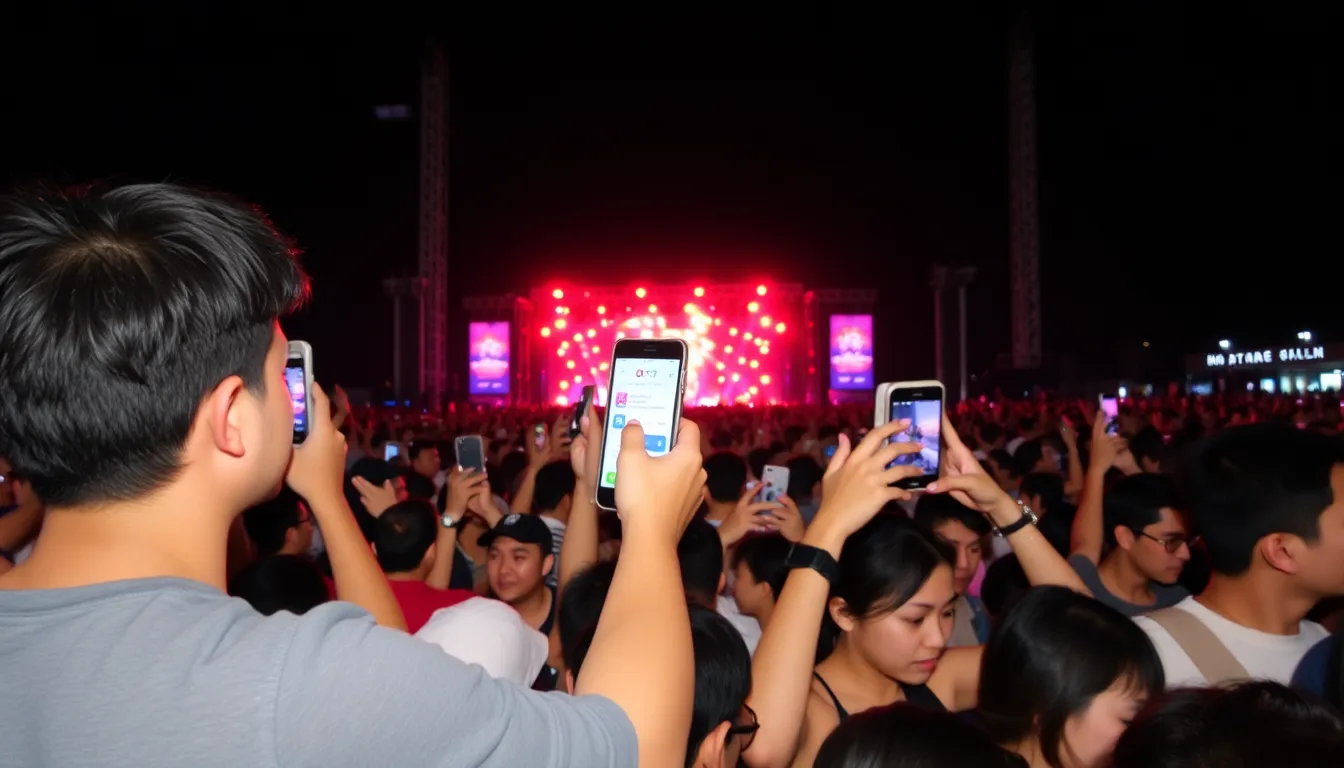
In the mid-term, the ripple effects could prompt event organizers to reconsider their venue choices or invest in temporary infrastructure to boost signal strength. This could lead to increased operational costs, which may be passed on to attendees through higher ticket prices. However, there is also an opportunity for technology companies to collaborate with event organizers to develop innovative solutions, such as portable cell towers or enhanced Wi-Fi networks.
- Increased attendee frustration and dissatisfaction
- Decline in local business sales due to reduced foot traffic
- Higher operational costs for event organizers
- Opportunities for tech companies to provide connectivity solutions
Regions hosting large-scale events may also face unique challenges, as the influx of attendees can strain existing infrastructure. This can lead to calls for policy changes to improve telecommunications in these areas, potentially benefiting the local community in the long run. However, without proactive measures, the cycle of poor connectivity may continue to hinder both event success and local economic growth.
A: Festivals often attract large crowds, which can overwhelm local cell towers. The high demand for data and calls can lead to network congestion, making it difficult for users to connect. A: Similar to festivals, sports matches see a surge in mobile usage. Additionally, the physical structures of stadiums can interfere with signal strength, further complicating connectivity. A: Yes, many organizers are now investing in temporary cell towers or Wi-Fi networks to enhance connectivity. However, these solutions can be costly and logistically challenging. A: Attendees can prepare by downloading content beforehand, using offline maps, and informing friends of meeting points to minimize reliance on mobile connectivity. A: As technology advances, solutions like 5G and improved infrastructure may help alleviate these issues, but widespread implementation will take time.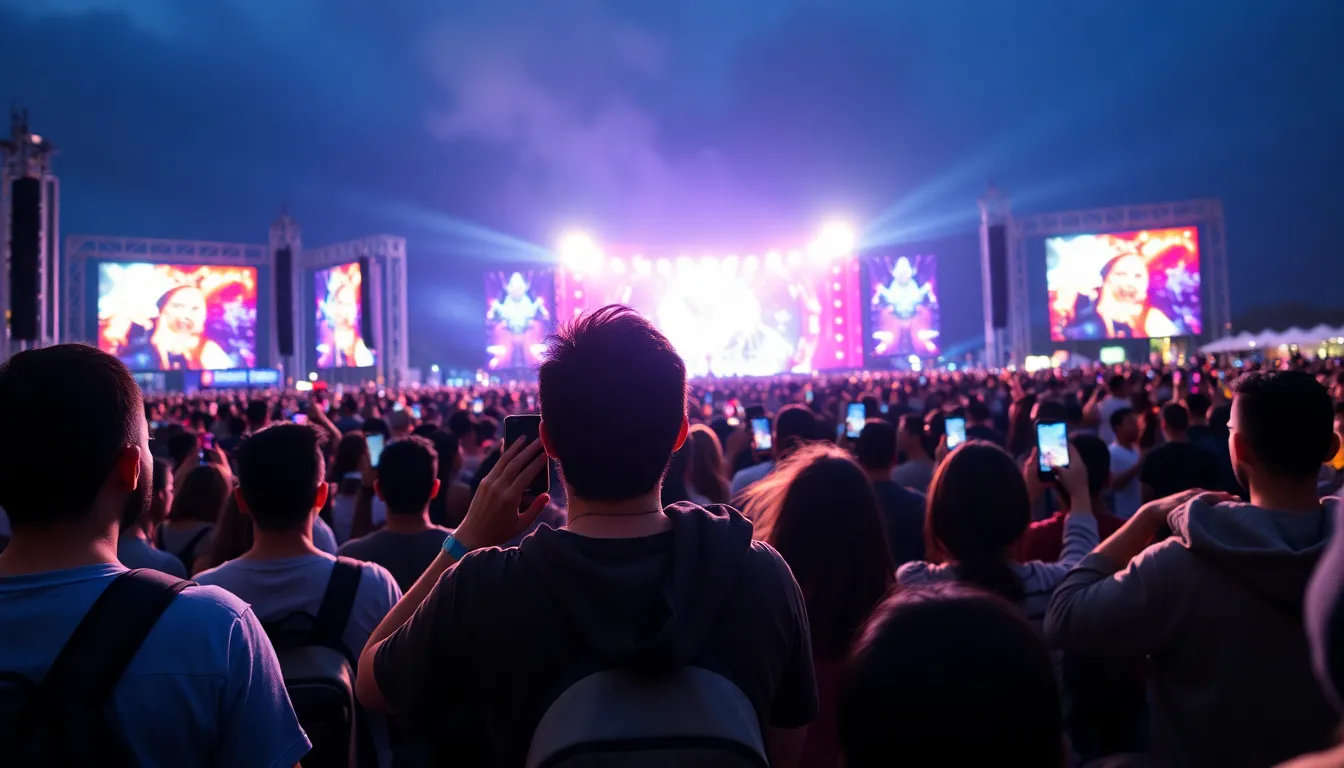
Common questions about mobile signal issues at events
Future solutions for improving mobile connectivity at large gatherings
As the popularity of festivals and sports matches continues to grow, the demand for reliable mobile connectivity becomes increasingly critical. The challenges posed by overcrowded networks and limited infrastructure highlight the need for innovative solutions to enhance communication during these events. By understanding the underlying issues, stakeholders can explore various strategies to improve mobile service and ensure that attendees remain connected.
Looking ahead, advancements in technology, infrastructure investment, and strategic planning will play a pivotal role in addressing connectivity challenges. Event organizers, telecommunications companies, and local governments must collaborate to implement effective measures that can accommodate large crowds while maintaining robust network performance.
- Invest in temporary infrastructure: Deploying additional cell towers or Wi-Fi hotspots can significantly enhance connectivity during peak times.
- Utilize data analytics: Analyzing crowd patterns can help optimize network resources and predict high-demand areas.
- Encourage offline engagement: Promoting offline activities can reduce network strain and improve overall attendee experience.
- Explore 5G technology: Implementing 5G networks can provide faster speeds and greater capacity, making it easier to handle large crowds.
- Foster partnerships: Collaboration between event organizers and telecom providers can lead to tailored solutions that address specific connectivity needs.