


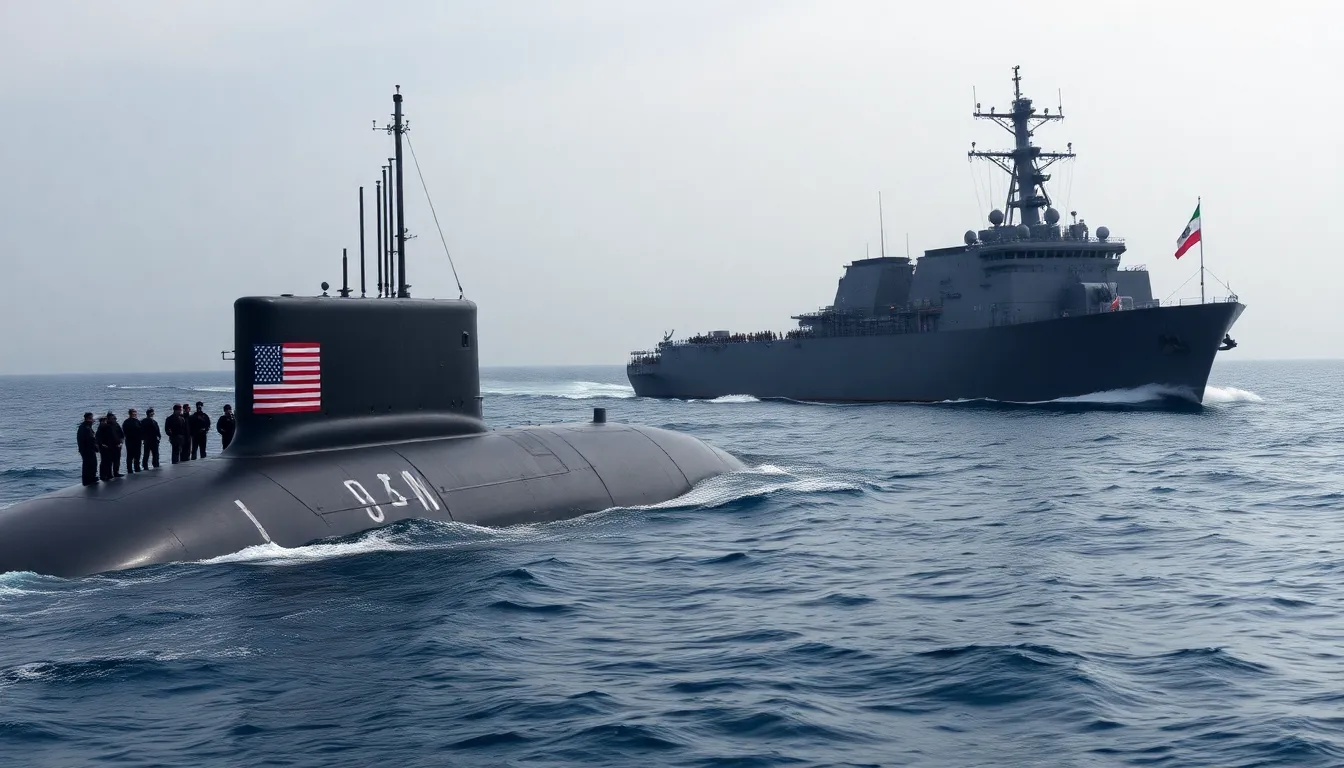
The Iranian vessel, identified as the Kharg, was engaged in naval exercises when it was targeted by the submarine. US officials stated that the action was taken in response to perceived threats from Iran, particularly concerning its military activities and influence in the region. The Pentagon emphasized that the operation was conducted in accordance with international law.
This event has drawn widespread attention, as it signifies a potential shift in US military engagement in the Middle East. Analysts suggest that this incident could lead to further military confrontations, raising concerns about a broader conflict that might extend beyond the region. For more information on how this conflict may affect global oil markets, you can read our article on energy prices.
In response to the sinking, Iranian officials condemned the action, labeling it an act of aggression. They have vowed to retaliate, heightening fears of an escalating cycle of violence. The international community is calling for restraint, urging both sides to engage in dialogue to de-escalate the situation.
Understanding the background of US-Iran tensions
The relationship between the United States and Iran has been fraught with tension since the mid-20th century, shaped by a series of political upheavals and military confrontations. The 1953 coup, which saw the CIA orchestrate the overthrow of Iranian Prime Minister Mohammad Mossadegh, set a precedent for American involvement in Iranian affairs.
In the decades that followed, both nations engaged in a series of proxy conflicts, particularly during the Iran-Iraq War in the 1980s, where the US supported Iraq. This era marked the beginning of a long-standing adversarial relationship, characterized by accusations of terrorism, nuclear ambitions, and regional destabilization. The US’s withdrawal from the Joint Comprehensive Plan of Action (JCPOA) in 2018 under President Trump further escalated tensions, leading to a series of military confrontations in the Gulf region.
Key Events Leading to Recent Escalations
Several key events have contributed to the current state of conflict. The assassination of Iranian General Qassem Soleimani in January 2020 by a US drone strike was a pivotal moment, prompting Iran to retaliate with missile strikes on US bases in Iraq. Additionally, incidents such as the seizure of oil tankers in the Strait of Hormuz and the downing of an American drone have heightened military posturing on both sides. These events have not only increased hostilities but have also drawn in other regional players, complicating the geopolitical landscape.
As tensions escalated, the US has maintained a significant military presence in the region, viewing Iran’s actions as a direct threat to its allies and interests. The recent sinking of an Iranian warship by a US submarine marks a troubling escalation, signaling that the conflict is now spilling beyond the traditional confines of the Middle East. This incident underscores the potential for broader military engagement, as both nations navigate a precarious balance of power in an increasingly volatile environment.
Key stakeholders and issues surrounding the conflict
The recent sinking of an Iranian warship by a US submarine marks a significant escalation in tensions between the United States and Iran, drawing in various stakeholders with vested interests in the region. Key actors include the United States government, the Iranian government, regional allies such as Israel and Saudi Arabia, and international organizations like the United Nations.
The United States, under the Biden administration, aims to maintain its influence in the Middle East while countering Iranian military expansion. This incident may be perceived as a show of strength, reinforcing US commitment to its allies and deterring Iranian aggression. Conversely, Iran views US actions as a direct threat to its sovereignty and regional ambitions, leading to heightened military readiness and calls for retaliation.
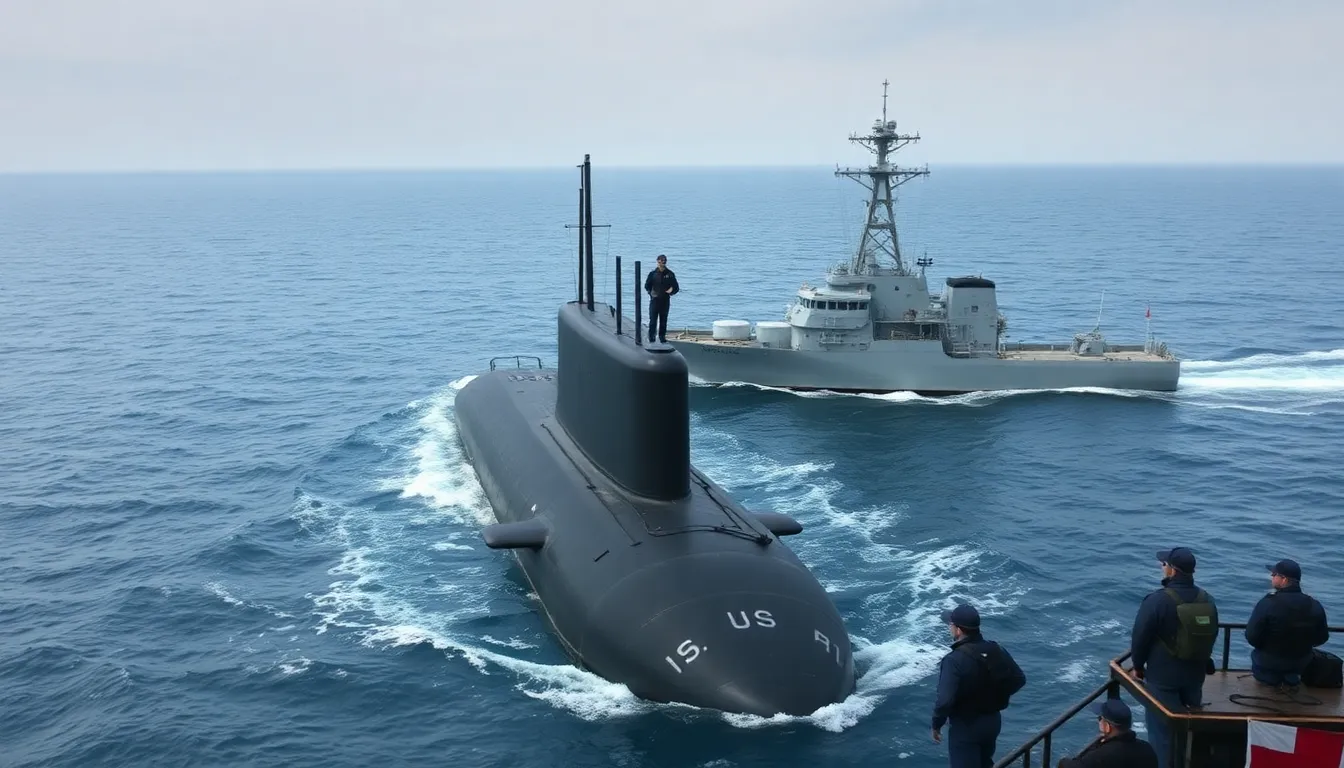
Regional allies, particularly Israel and Saudi Arabia, have a vested interest in the outcome of this conflict. They seek to ensure that Iran does not gain a strategic advantage that could threaten their security. This situation presents a complex trade-off for these nations, as they must balance their support for US actions with the risk of provoking further Iranian retaliation.
- Military Engagement: Increased military presence and potential for further confrontations in the Gulf region.
- Economic Sanctions: Possible escalation of sanctions against Iran, affecting its economy and regional influence.
- Diplomatic Efforts: Challenges in diplomatic negotiations, particularly regarding nuclear agreements and regional security frameworks.
- Global Reactions: Varied responses from international actors, influencing future alliances and geopolitical dynamics.
Legal issues also arise from this conflict, particularly concerning international maritime laws and the rules of engagement in combat situations. The United States may argue its actions were justified under self-defense principles, while Iran may seek to challenge these claims through international legal channels, complicating the situation further. Exploring these legal dimensions can provide insights into the broader implications of military actions.
Potential impacts on regional stability and global markets
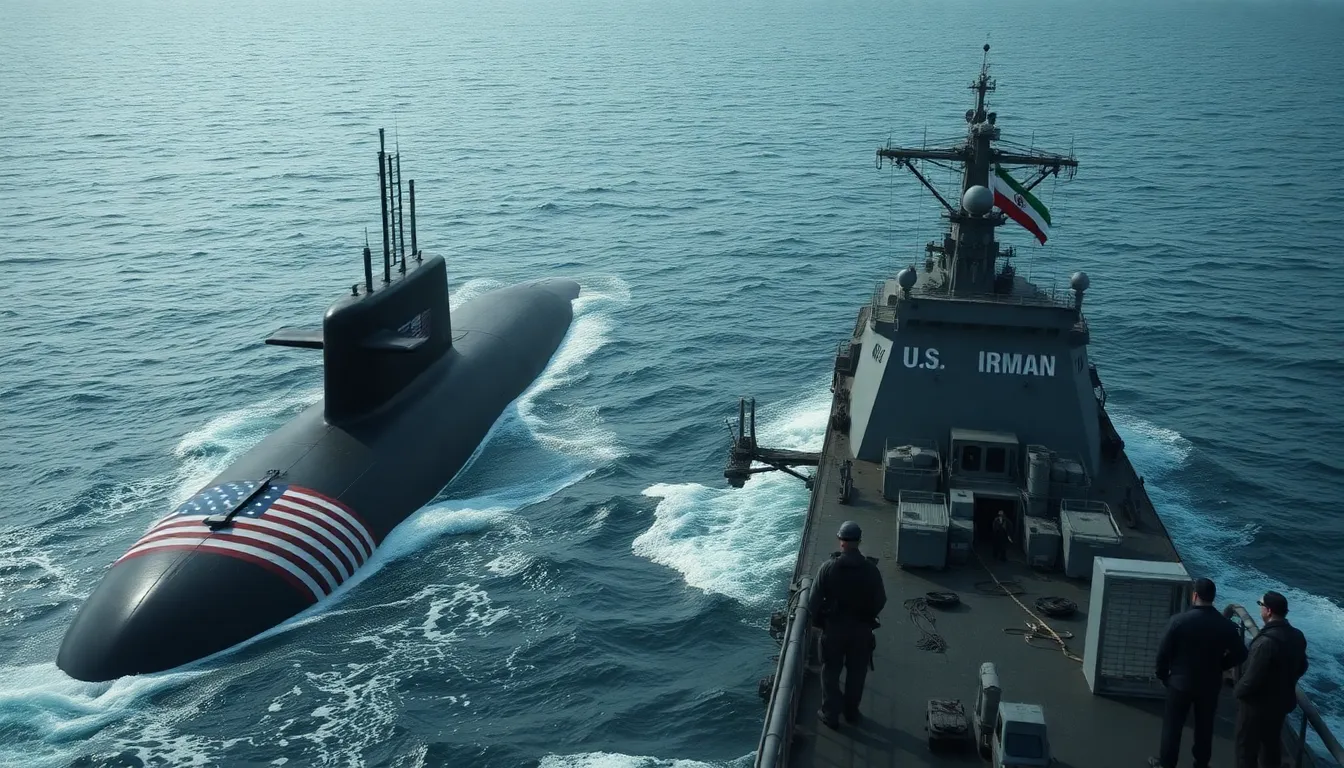
The recent sinking of an Iranian warship by a US submarine has significant implications for various groups and industries, particularly in the Middle East and beyond. The immediate impact is felt by military personnel and their families, as tensions escalate in a region already fraught with conflict. Additionally, the maritime shipping industry faces increased risks, as naval routes in the Persian Gulf become more perilous.
In the short term, businesses involved in oil and gas production may experience volatility in prices due to fears of supply disruptions. Countries heavily reliant on oil exports, such as Iran and its regional neighbors, could see their economies adversely affected, leading to potential social unrest. Furthermore, the heightened military presence in the area may lead to increased insurance costs for shipping companies, impacting global trade.
Mid-term consequences could include shifts in foreign policy, as nations reassess their alliances and military strategies in response to the conflict. Countries like Saudi Arabia and the UAE may bolster their military capabilities, while nations like Russia and China could exploit the situation to expand their influence in the region. This realignment could create opportunities for defense contractors and security firms.
- Increased military spending in the Middle East.
- Potential for higher oil prices affecting global markets.
- Opportunities for defense and security industries.
- Risks of broader conflict affecting international relations.
As the situation evolves, consumers may also feel the impact through rising prices at the pump and potential shortages of goods reliant on maritime transport. The overall sentiment among investors may shift towards caution, affecting stock markets worldwide as uncertainties loom over the geopolitical landscape.
A: The incident occurred amidst escalating tensions between the US and Iran, driven by ongoing military confrontations and strategic maneuvers in the region. A: Iran has condemned the attack, vowing to take necessary actions to protect its maritime interests and retaliate against US forces. A: The sinking raises concerns about the safety of international shipping lanes, potentially leading to increased military presence and heightened risks for commercial vessels. A: Yes, the incident has the potential to escalate into a broader military conflict if diplomatic efforts fail and retaliatory actions are taken. A: Other countries in the region, including allies and adversaries, are closely monitoring the situation, as their responses could influence the dynamics of the conflict.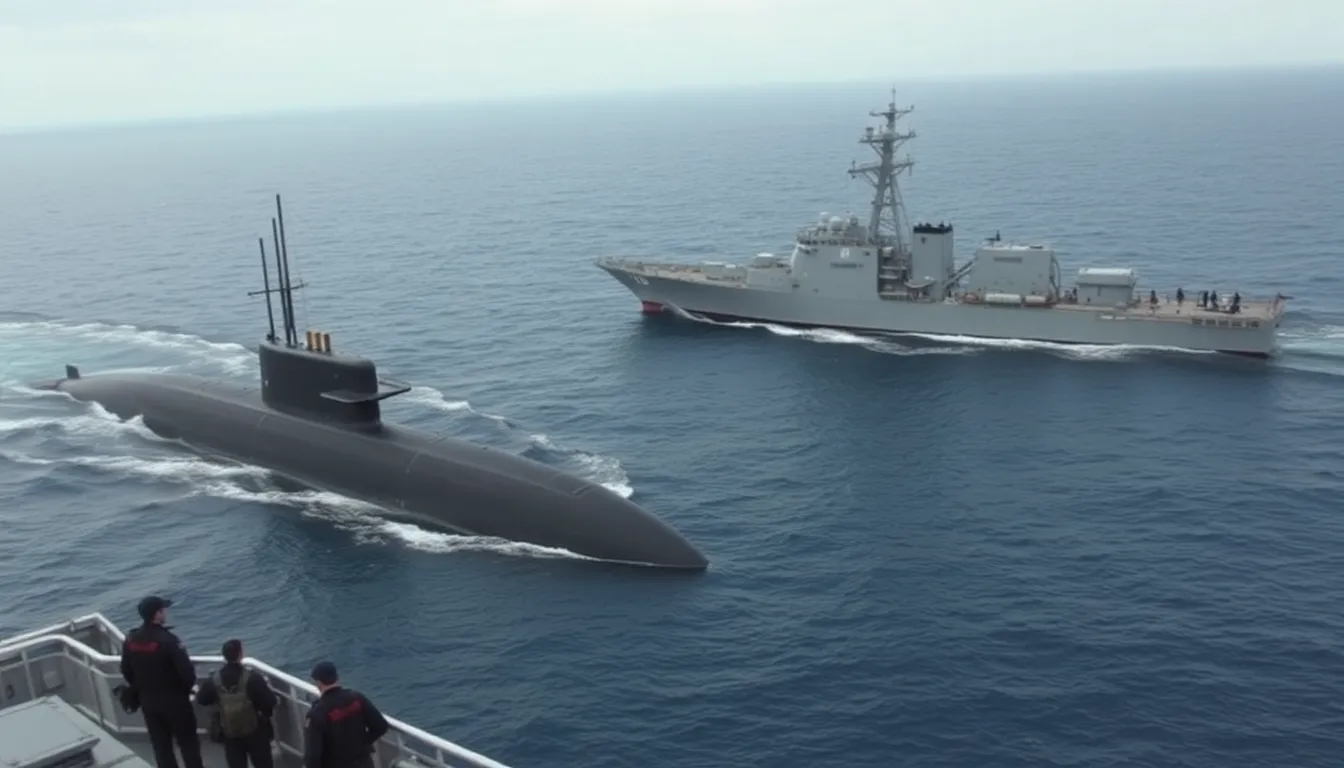
Frequently asked questions about the incident
Insights and future outlook on US-Iran relations
The recent sinking of an Iranian warship by a US submarine marks a significant escalation in tensions between the two nations, with potential ramifications that extend beyond the Middle East. As military engagements become increasingly direct, the geopolitical landscape is shifting, prompting a reevaluation of strategies by both the US and Iran. This incident not only highlights the fragility of regional stability but also raises questions about the broader implications for international maritime security and diplomatic relations.
Moving forward, it will be critical to monitor the responses from both nations and their allies, as well as the potential for further military actions or diplomatic initiatives. The situation underscores the need for a robust dialogue to prevent further escalation and to address the underlying issues that fuel conflict in the region.
- Watch for potential retaliatory actions from Iran, which may include asymmetric warfare tactics or targeting US interests in the region.
- Monitor changes in US military posture in the Gulf, including increased naval presence or joint exercises with allies.
- Observe the reactions of global powers and regional allies, as their involvement could influence the trajectory of US-Iran relations.
- Consider the impact on global oil markets, particularly if military actions disrupt shipping routes in the Strait of Hormuz.
- Stay alert for shifts in diplomatic efforts, as countries may seek to mediate or exacerbate tensions in response to the evolving situation.