


Despite the optimistic statements from Iranian negotiators, the marathon session concluded without a formal agreement. The absence of a deal highlights the complexities and lingering tensions surrounding Iran’s nuclear program, which has been a point of contention since the U.S. withdrawal from the Joint Comprehensive Plan of Action (JCPOA) in 2018.
The discussions have focused on issues such as uranium enrichment levels and sanctions relief, with both sides expressing a willingness to engage further. However, the lack of tangible outcomes raises questions about the feasibility of reaching a consensus in the near future, especially as deadlines loom for both parties.
International observers are closely monitoring the situation, as any breakthrough could have significant implications for regional stability and global diplomatic relations. The next scheduled talks are set for late October, with hopes that continued dialogue may lead to a more concrete resolution.
Understanding the backdrop of the ongoing negotiations
The ongoing negotiations surrounding Iran’s nuclear program have deep historical roots, dating back to the early 2000s when concerns over Iran’s nuclear ambitions first emerged. The international community, led by the United States and European allies, has grappled with Iran’s pursuit of nuclear technology, which Tehran insists is for peaceful purposes. However, suspicions have long fueled tensions, leading to a series of sanctions and diplomatic efforts aimed at curbing Iran’s nuclear capabilities, as discussed in articles about related geopolitical strategies.
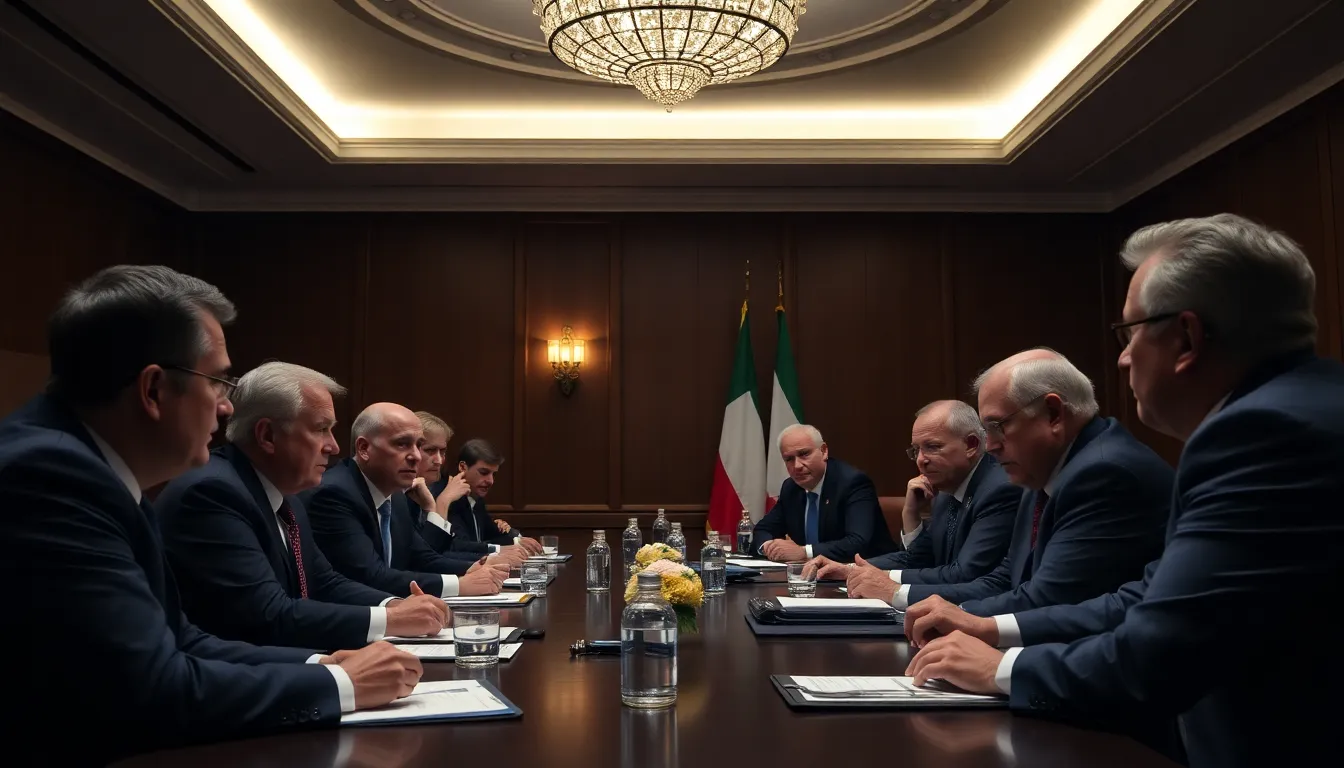
In 2015, a significant milestone was reached with the Joint Comprehensive Plan of Action (JCPOA), a landmark agreement between Iran and six world powers. The deal aimed to limit Iran’s nuclear activities in exchange for relief from economic sanctions. However, the U.S. withdrawal from the agreement in 2018 under the Trump administration marked a turning point, exacerbating tensions and leading Iran to gradually step back from its commitments under the JCPOA.
The economic fallout from sanctions has had a profound impact on Iran’s economy, leading to high inflation and a devaluation of its currency. This economic distress has fueled domestic discontent and complicated the Iranian government’s position in negotiations. As the new Iranian administration, led by President Ebrahim Raisi, seeks to navigate these challenges, the stakes in the current talks have never been higher, especially considering the implications for broader regional stability.
Recent Developments in Negotiations
In recent months, there have been renewed efforts to revive the JCPOA, with both sides expressing a willingness to engage in dialogue. However, the marathon negotiation sessions have highlighted the complexities involved, as issues such as sanctions relief, nuclear inspections, and regional security concerns remain contentious. Despite claims of progress, the absence of a concrete deal underscores the fragile nature of the negotiations and the deep-seated mistrust that continues to characterize U.S.-Iran relations.
Key stakeholders and issues at play in the talks
The ongoing negotiations surrounding Iran’s nuclear program involve several key stakeholders, each with distinct interests and concerns. The primary actors include the Iranian government, the United States, the European Union, and regional powers such as Israel and Saudi Arabia. Each party’s stance is shaped by a combination of national security, economic interests, and geopolitical strategies.
The Iranian government seeks to secure relief from economic sanctions while maintaining its nuclear capabilities for what it claims are peaceful purposes. This desire for economic revitalization is critical, given the country’s ongoing economic struggles exacerbated by sanctions. Iran’s leadership aims to demonstrate progress in the talks to bolster domestic support and legitimacy.
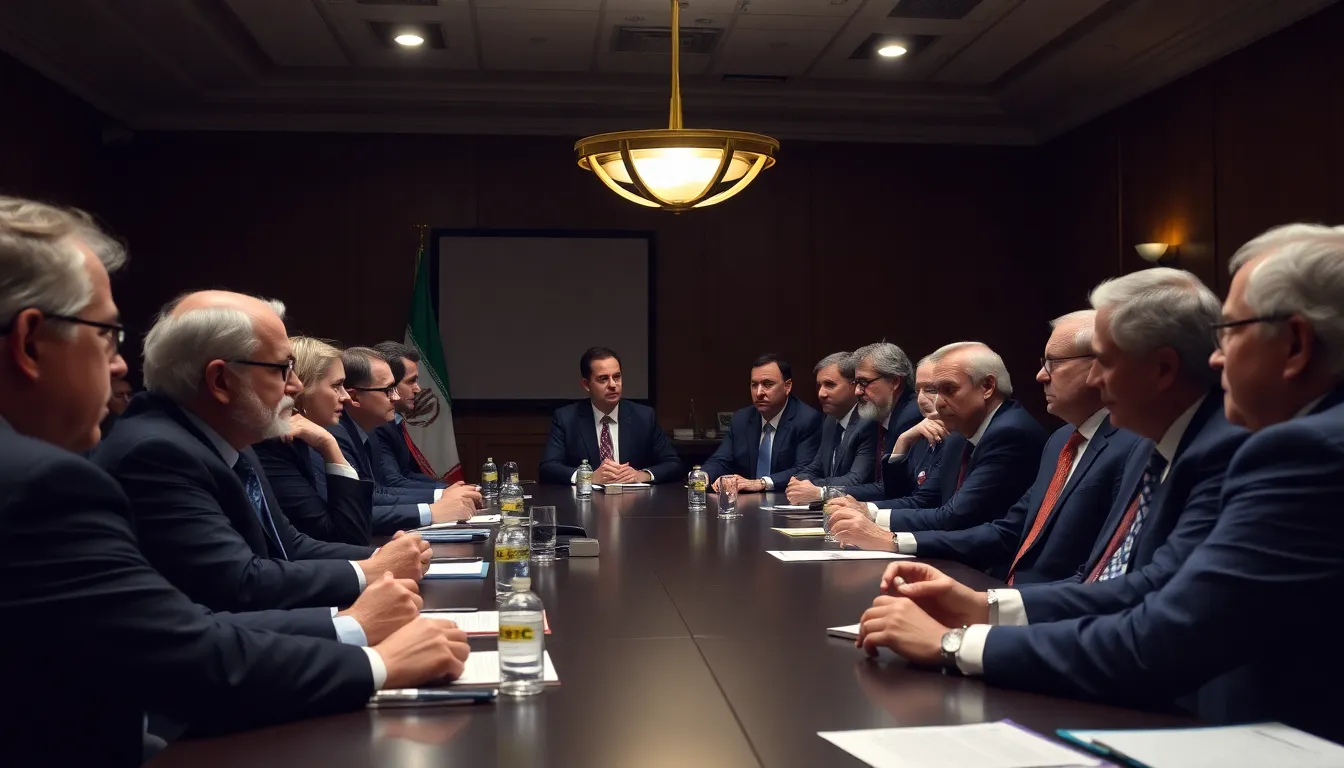
On the other hand, the United States and its allies, particularly within the EU, are focused on ensuring that Iran does not develop nuclear weapons. Their interests lie in curbing Iran’s nuclear ambitions while also addressing regional stability. The U.S. administration faces pressure to balance diplomatic engagement with a firm stance against Iran’s perceived threats, particularly from Israel and Saudi Arabia, which view a nuclear-capable Iran as a direct danger to their national security.
- Conflicts of Interest: The U.S. and its allies prioritize non-proliferation, while Iran emphasizes its right to enrich uranium.
- Economic Trade-offs: Sanction relief for Iran is contingent on verifiable commitments to limit its nuclear program.
- Geopolitical Tensions: Regional players, especially Israel, are concerned about the implications of any deal that allows Iran to retain significant nuclear capabilities.
- Legal Framework: The negotiations are framed under international agreements, including the Joint Comprehensive Plan of Action (JCPOA), which complicates the discussions.
- Domestic Pressures: Each stakeholder faces internal pressures that influence their negotiating positions and willingness to compromise.
The complexity of these negotiations is further compounded by the historical mistrust between Iran and the West, making it challenging to reach a consensus. As the marathon sessions continue, the stakes remain high, not just for the involved parties but for global security and economic stability as well.
Potential effects on regional stability and international relations
The ongoing negotiations involving Iran have significant implications for various groups and industries across the Middle East and beyond. Key stakeholders include Iranian citizens, regional governments, international businesses, and global powers engaged in diplomacy with Iran. Each of these groups faces unique challenges and opportunities as talks progress without reaching a definitive agreement.
In the short term, Iranian citizens may experience increased uncertainty in their daily lives. Economic conditions, which are already strained due to sanctions and inflation, could worsen if negotiations fail to yield positive results. This could lead to further instability within Iran, impacting social cohesion and public sentiment towards the government.
For regional governments, the lack of a deal could heighten tensions, particularly among countries that view Iran’s nuclear ambitions as a direct threat. In the mid-term, this could lead to an arms race or increased military spending in the region, as nations seek to bolster their defenses against perceived threats. Conversely, if talks eventually succeed, there could be a thawing of relations, allowing for increased trade and cooperation.
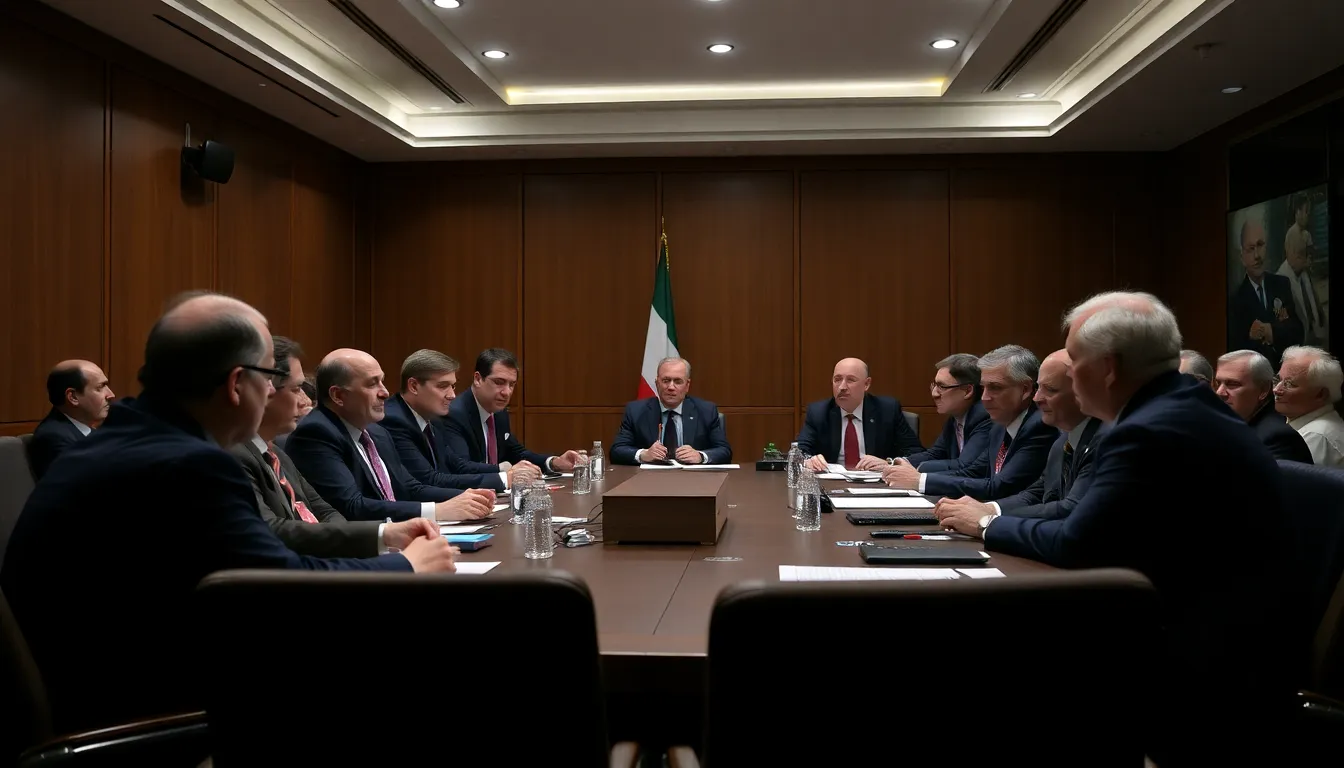
International businesses eyeing opportunities in Iran may find themselves in a precarious position. In the short term, companies may hesitate to invest or engage with Iranian markets due to the uncertainty surrounding sanctions and regulatory changes. However, should a deal be reached, the potential for lucrative partnerships and access to a large consumer market could present significant opportunities for growth.
- Increased economic strain on Iranian citizens.
- Heightened regional military tensions.
- Potential for future trade opportunities if a deal is reached.
- Uncertainty for international businesses considering investment.
- Impact on global oil markets depending on sanctions and negotiations.
Overall, the outcome of these negotiations will resonate far beyond the negotiating table, influencing daily life, business operations, and policy decisions across multiple fronts.
A: The primary issues included nuclear program limitations, sanctions relief, and regional security concerns. These factors have historically complicated negotiations. A: Despite reported progress, significant disagreements remain on key terms, preventing a consensus. The complexity of the issues involved requires more time for resolution. A: The lack of a deal may strain Iran’s relations with Western countries while also impacting its ties with regional partners. The ongoing uncertainty could lead to increased tensions. A: Continued negotiations without a deal may prolong economic sanctions, hindering Iran’s economic recovery and growth prospects. The economy remains vulnerable to external pressures. A: The parties are expected to reconvene for further discussions, with hopes of bridging gaps on contentious issues. Ongoing dialogue remains crucial for any potential agreement.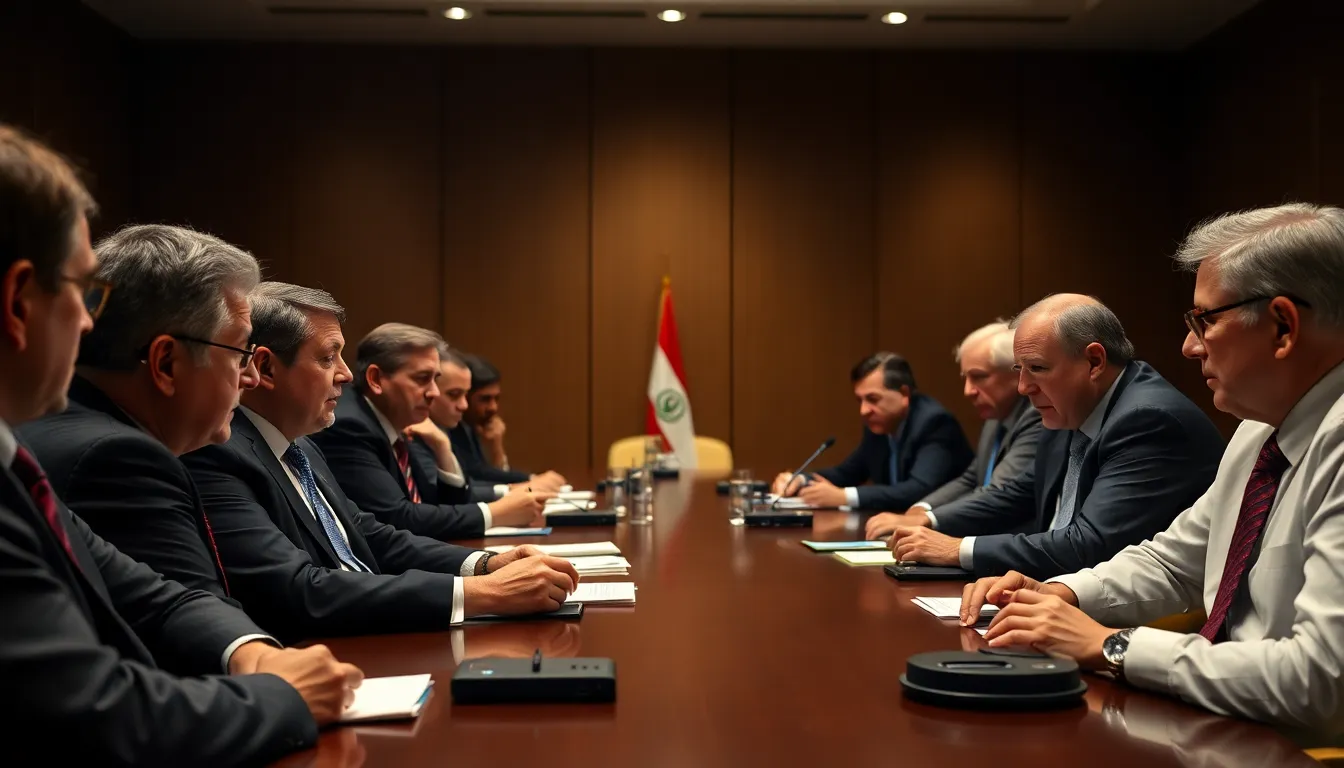
Frequently asked questions about the negotiations
Looking ahead: insights and future prospects
The recent marathon negotiation sessions have underscored the complexities of reaching a consensus among Iranian officials and international stakeholders. While progress has been noted, the absence of a definitive agreement highlights the ongoing challenges that persist in these discussions. Observers should remain vigilant as the dynamics evolve, particularly in light of the geopolitical landscape and domestic pressures within Iran.
<pAs the situation develops, it is crucial to consider the potential ramifications of both successful and stalled negotiations on regional stability and international relations. The interplay between diplomacy and domestic politics will likely shape the path forward, making it essential to monitor key developments closely.
- Increased Diplomatic Engagement: Continued dialogue may lead to incremental agreements, potentially easing tensions and fostering cooperation.
- Domestic Reactions: Watch for shifts in public opinion within Iran as citizens respond to the outcomes of these negotiations.
- Geopolitical Implications: The negotiations could influence relations with neighboring countries and global powers, particularly regarding sanctions and trade.
- Monitoring Compliance: If an agreement is reached, the focus will shift to compliance and verification mechanisms, which will be critical for long-term success.