


The film’s release on October 12, 2023, has sparked discussions about the representation of women’s issues in Egyptian cinema, a topic that has increasingly gained attention in recent years.
Critics have praised the film for its authentic storytelling and strong performances, particularly from its lead actress, who embodies the resilience of youth amid adversity. The film’s success at various film festivals prior to its Oscar submission has further solidified its status as a significant contribution to contemporary Egyptian cinema.
As the film prepares for its international debut, it stands as a testament to the evolving landscape of Arab storytelling, emphasizing the importance of diverse voices in global cinema. The recognition of ‘Happy Birthday’ at such a prestigious level underscores the potential for cultural dialogue and understanding through film.
Background on Egypt’s film industry and Oscar submissions
Egypt has a rich cinematic history that dates back to the early 20th century, often regarded as the birthplace of Arab cinema. The industry flourished during the mid-20th century, producing iconic films that captured the social and political landscape of the time. However, the landscape has shifted dramatically in recent decades due to various socio-political challenges, including economic instability and censorship, which have impacted filmmakers’ ability to produce and distribute their work.
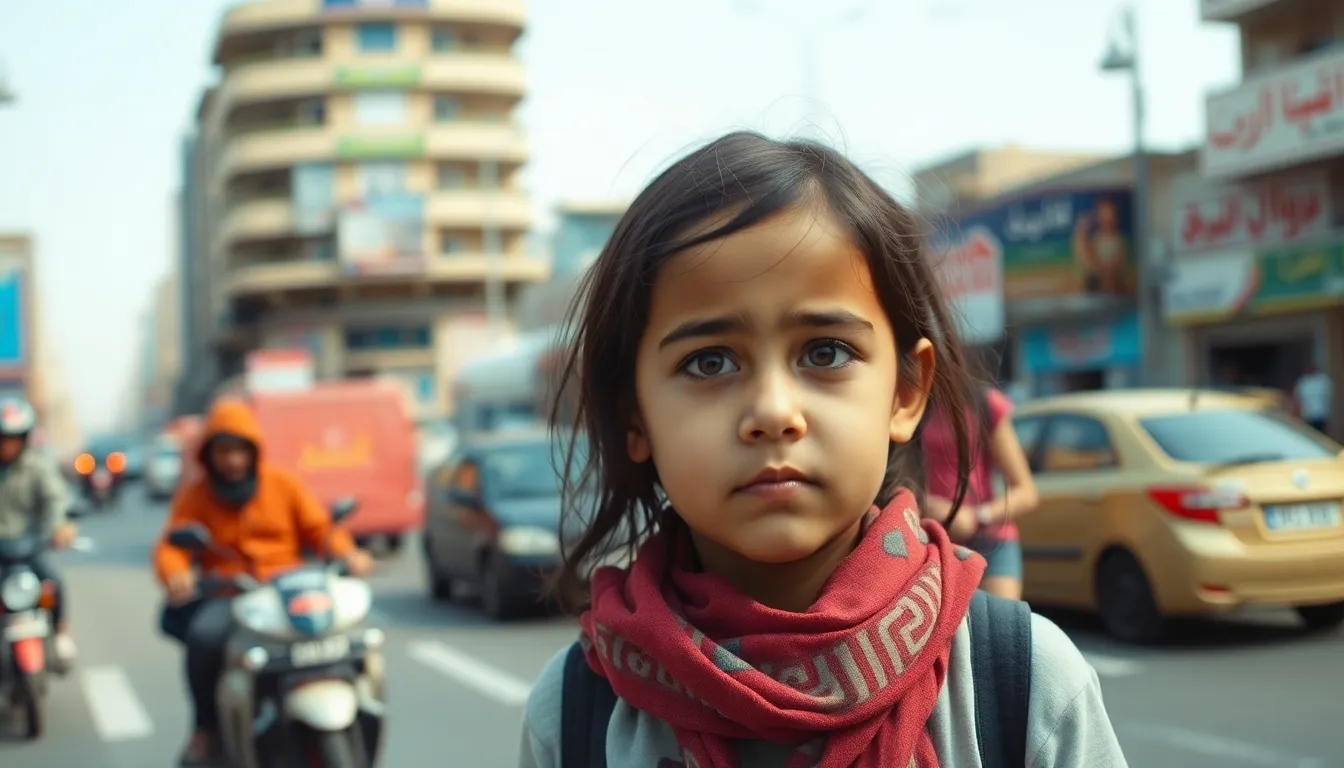
Despite these challenges, a new wave of filmmakers has emerged in recent years, reflecting a broader movement within Egyptian cinema that seeks to tell authentic stories that resonate with contemporary audiences.
Oscar submissions from Egypt have often been a reflection of the country’s evolving cultural identity. In recent years, films tackling themes of social justice, gender equality, and the struggles of everyday life have gained recognition both locally and internationally. The selection of ‘Happy Birthday’ as Egypt’s official Oscar submission underscores a growing trend of highlighting the voices of marginalized communities, particularly those of women and children.
Milestones in Egyptian Cinema
Key milestones in Egyptian cinema include the establishment of the Cairo Film Festival in 1976, which has become a significant platform for showcasing Arab films. Additionally, films like ‘The Yacoubian Building’ and ‘Cairo 678’ have garnered international acclaim, paving the way for future submissions to the Oscars. These films have not only achieved commercial success but have also sparked important conversations around social issues, setting a precedent for future filmmakers to explore similar themes.
Key themes and issues presented in the film
‘Happy Birthday’ sheds light on the struggles faced by young girls in Cairo, encapsulating the broader societal issues that affect their lives. The film portrays the daily challenges, including poverty, gender inequality, and familial responsibilities, which are critical themes that resonate with many audiences.
One of the main actors in this narrative is the Egyptian government, which plays a significant role in shaping the socio-economic landscape. The government’s policies on education and women’s rights directly impact the protagonist’s opportunities and future. This raises questions about the effectiveness of these policies and their implementation in real-life scenarios.
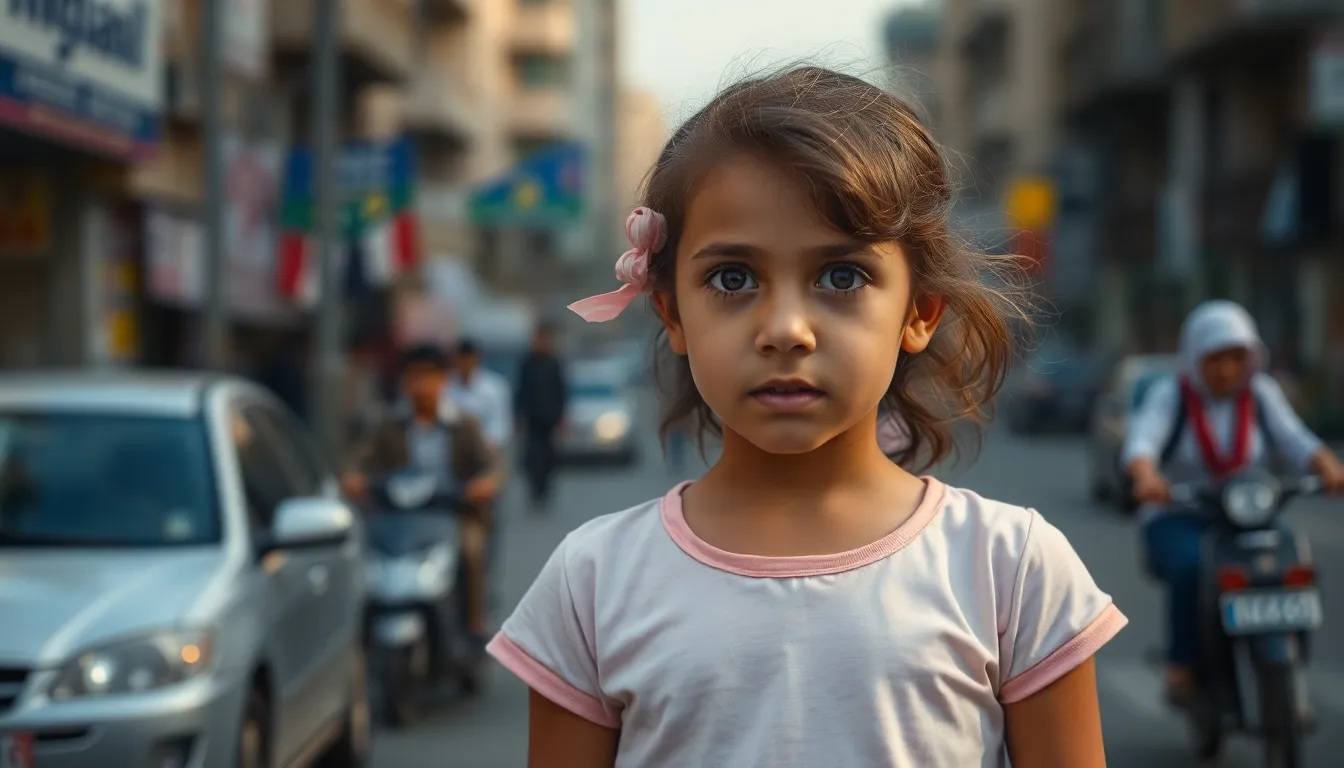
Furthermore, various non-governmental organizations (NGOs) are involved in advocating for women’s rights and education in Egypt. Their interests lie in promoting gender equality and providing resources to empower young girls. However, they often face challenges in reaching their goals due to bureaucratic hurdles and cultural resistance.
- Gender Inequality: The film highlights the systemic barriers that young girls face, which are often rooted in cultural norms and traditions.
- Poverty: Economic hardships are a recurring theme, illustrating how financial constraints limit the choices available to families.
- Education Access: The protagonist’s struggle for education reflects broader issues of access and quality in the Egyptian education system.
- Family Dynamics: The film explores the impact of familial expectations and responsibilities on young girls, adding complexity to their personal aspirations.
These themes not only reflect the individual experiences of the characters but also serve as a microcosm of the larger societal issues in Egypt. The film invites viewers to consider the interplay between personal struggles and systemic challenges, urging a deeper understanding of the context in which these young girls navigate their lives.
Impact on audiences and the film industry in Egypt
Additionally, filmmakers and the broader film industry in Egypt stand to benefit from the attention this film garners, potentially inspiring a new wave of storytelling that addresses social issues in cinematic narratives.
In the short term, the film’s release can spark conversations around the challenges faced by young girls in Cairo. This dialogue may influence public perception and policy discussions regarding women’s rights and education. As audiences engage with the film’s themes, there is a potential for increased advocacy around these issues, leading to greater awareness and community involvement.
Mid-term impacts could be seen in the film industry itself, where success at international film festivals may encourage more investments in local productions. This could lead to a diversification of stories being told, as filmmakers feel empowered to explore complex narratives that reflect societal issues. Moreover, the film’s success might attract foreign filmmakers and collaborators, creating opportunities for cross-cultural projects.
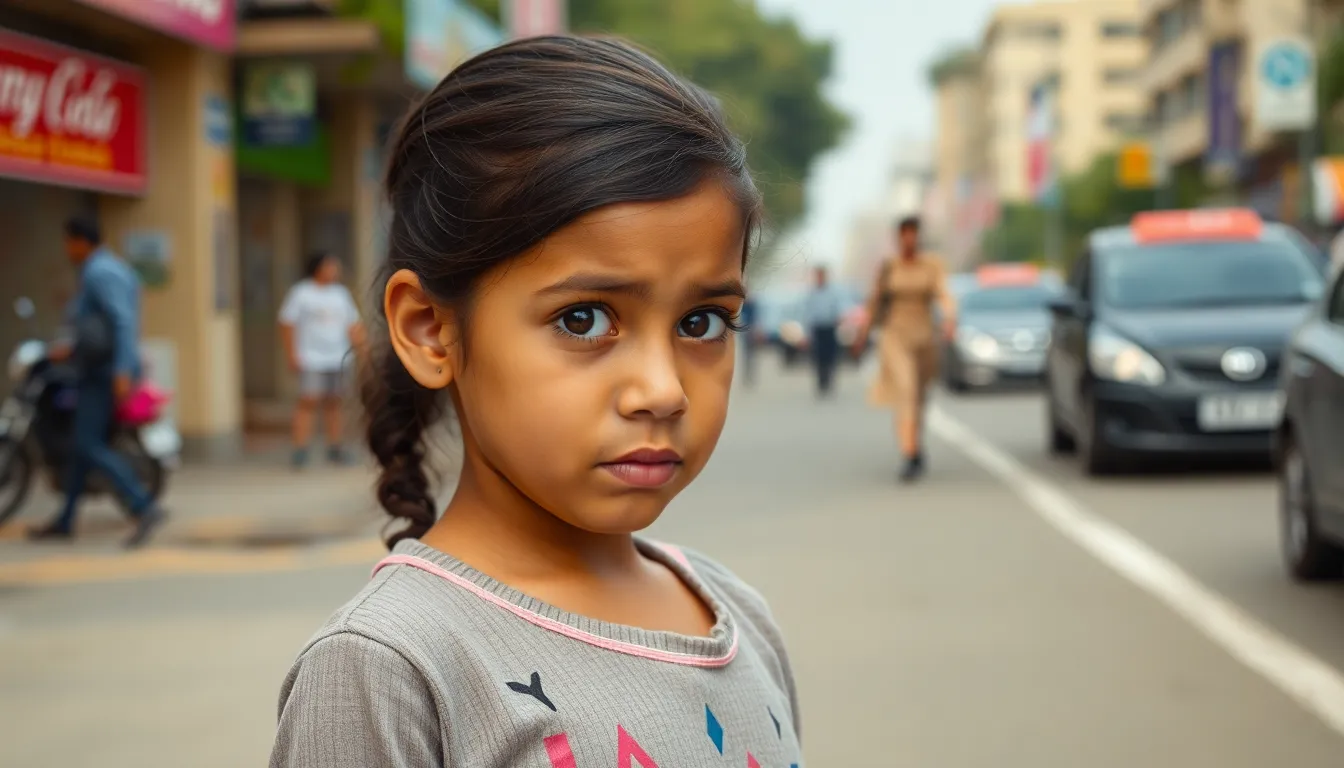
- Increased awareness: The film brings attention to the societal challenges faced by young girls in Egypt.
- Policy discussions: It may influence local policies related to education and women’s rights.
- Investment in local cinema: Success could lead to more funding and interest in Egyptian films.
- Cultural exchange: Opportunities for collaboration with international filmmakers may arise.
However, there are risks associated with the film’s release. Controversial themes may provoke backlash from conservative groups, potentially stifling future productions that aim to tackle similar subjects. Additionally, if the film does not perform well internationally, it could deter investors from supporting future Egyptian cinema, leading to a stagnation in the industry.
A: Happy Birthday follows the life of a young girl in Cairo as she navigates the challenges of her environment, showcasing her resilience and struggles. A: The film was selected for its unique storytelling and the way it highlights important social issues, making it a strong representative of Egyptian cinema. A: The film was directed by a talented newcomer, marking a significant debut in the Egyptian film industry. A: The film delves into themes of poverty, resilience, and the struggles of young girls in a challenging environment. A: Critics have praised Happy Birthday for its emotional depth and strong performances, highlighting its potential impact on audiences.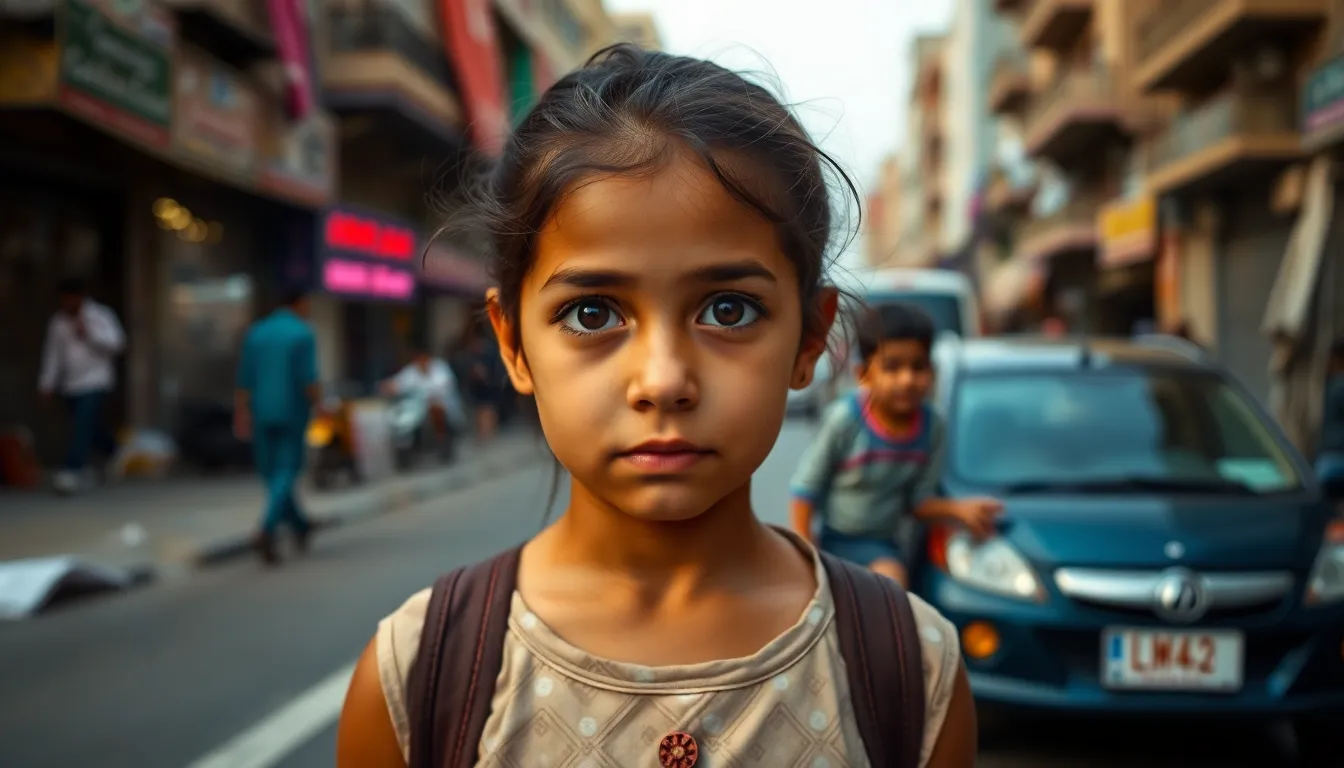
Frequently Asked Questions about Happy Birthday
Key takeaways and future outlook for Egyptian cinema
‘Happy Birthday’ stands as a testament to the evolving landscape of Egyptian cinema, showcasing the potential for storytelling that resonates on both local and global stages. The film’s candid portrayal of a young girl’s struggles in Cairo not only highlights pressing social issues but also reflects a growing trend towards more personal and authentic narratives in the region’s film industry.
As Egypt continues to produce compelling films that challenge societal norms and engage with universal themes, it is crucial for filmmakers to harness this momentum. The success of such narratives can pave the way for future projects that explore diverse perspectives and experiences, ultimately enriching the cinematic tapestry of the country.
- The film’s success may encourage more filmmakers to tackle sensitive social issues, fostering a culture of critical engagement through cinema.
- Increased international attention on Egyptian films could lead to more collaborations and co-productions, expanding the reach of local stories.
- The portrayal of young female protagonists may inspire a new wave of storytelling focused on women’s experiences in the Arab world.
- As audiences become more receptive to authentic narratives, there is potential for greater investment in independent filmmaking, further diversifying the Egyptian film landscape.