


As of August 2023, the U.S. Travel Association reported that domestic travel spending is also lagging, with many Americans opting for local vacations rather than traveling to major tourist destinations. The lingering effects of inflation and rising costs are leading consumers to prioritize essential spending over leisure travel. This situation mirrors the understanding of economic trends discussed in our article on Understanding the Stock Slide and Slow Sales in China’s E.V. Market.
Moreover, the recent surge in global fuel prices has further complicated travel plans, making air travel more expensive and less appealing. Airlines have responded by cutting back on routes and increasing fares, which has contributed to a decrease in overall travel demand.
Key events, such as the ongoing recovery from the COVID-19 pandemic and geopolitical tensions, have also played a role in shaping travelers’ perceptions and decisions. For instance, the conflict in Ukraine has influenced travel patterns, as potential visitors reconsider their destinations due to safety concerns.
<pOverall, the combination of economic pressures, health concerns, and geopolitical factors has created a challenging environment for the U.S. tourism sector, raising questions about the industry's recovery trajectory and future viability.
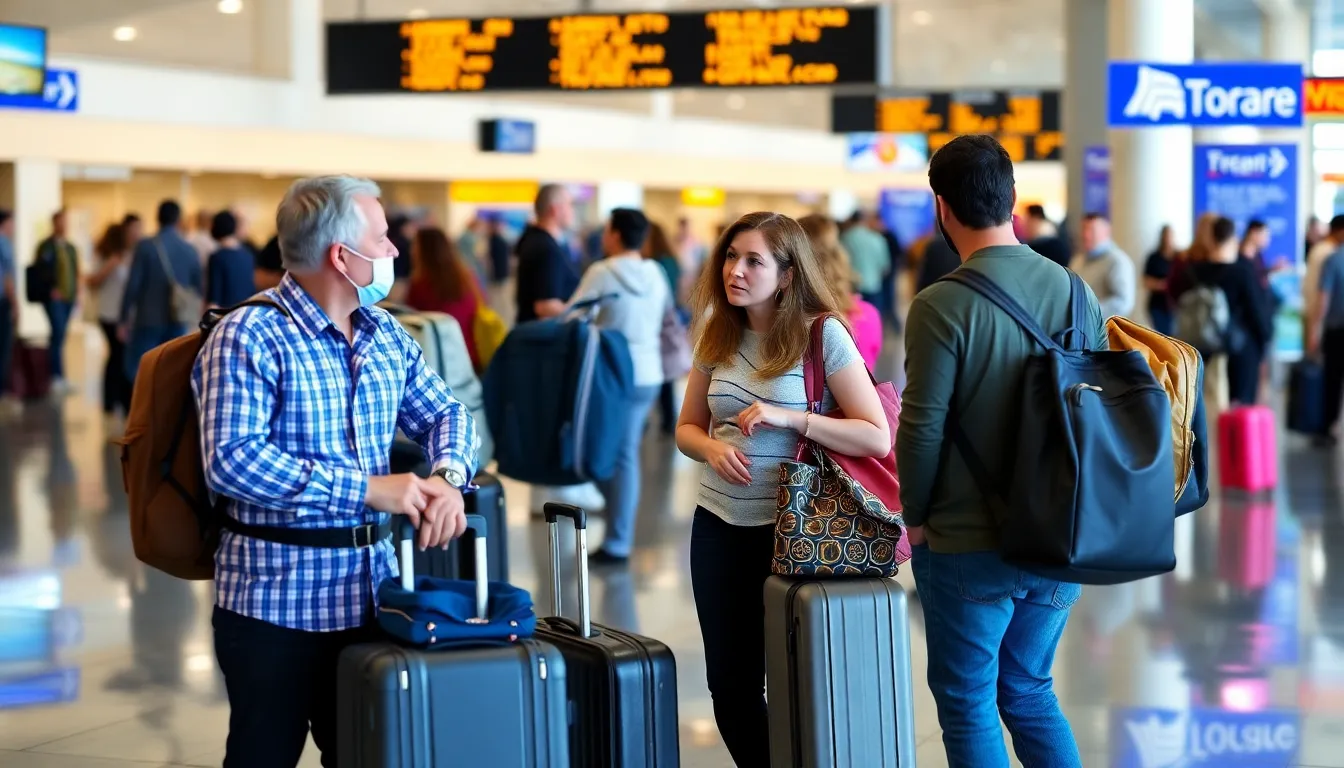
Historical context of tourism trends
The United States has long been a premier destination for international travelers, attracting millions each year with its diverse landscapes, cultural landmarks, and vibrant cities. However, the trajectory of tourism in the U.S. has been marked by fluctuations influenced by various historical, political, and economic factors. Understanding these dynamics is essential to grasp the current tourism slump, much like the factors discussed in Understanding Section 301 and Section 122 in Trump’s Tariff Strategy.
In the late 20th century, particularly during the 1980s and 1990s, the U.S. saw a boom in tourism, driven by a strong economy and a favorable exchange rate for foreign visitors. Key events, such as the 1996 Atlanta Olympics, showcased the country as a global tourism hub. However, this growth was not without its challenges, as the September 11 attacks in 2001 drastically altered the landscape of travel and tourism. Security concerns led to a significant decline in international visitors, which took years to recover.
Fast forward to the 2010s, the U.S. experienced a resurgence in tourism, bolstered by marketing campaigns and the rise of social media, which made travel more accessible. However, this period of growth was abruptly interrupted by the COVID-19 pandemic in 2020. Lockdowns, travel restrictions, and health concerns resulted in an unprecedented drop in tourism, with many businesses struggling to survive. The subsequent recovery has been uneven, with ongoing challenges affecting the sector.
Economic and Political Influences
The economic landscape plays a crucial role in shaping tourism trends. Inflation, fluctuating gas prices, and changing consumer spending habits have all contributed to the current slump. Additionally, political factors, including immigration policies and international relations, have impacted the perception of the U.S. as a safe and welcoming destination. As travelers reassess their priorities and destinations in light of these factors, the U.S. tourism industry faces a challenging path ahead.
Key stakeholders and issues affecting tourism
The ongoing tourism slump in the United States involves a complex interplay of various stakeholders, each with their own interests and concerns. Key actors include the federal government, state and local tourism boards, airlines, hotel chains, and the hospitality workforce. Each of these groups has a vested interest in the revival of the tourism sector, yet they often face conflicting priorities and challenges.
One of the primary stakeholders is the federal government, which plays a crucial role in shaping policies that affect travel and tourism. Their interest lies in stimulating economic growth and job creation through increased tourism. However, issues such as fluctuating travel restrictions, visa policies, and public health guidelines can create uncertainty for international travelers, ultimately impacting the tourism industry.
Local tourism boards and businesses, including hotels and attractions, are directly affected by the downturn in travel. They advocate for measures such as marketing campaigns and incentives to attract visitors. However, these efforts can be hampered by budget constraints and the need to balance public health with economic recovery. The interests of these stakeholders often clash, especially when resources are limited, reflecting some of the complexities seen in the discussion of NASA chief describes Boeing Starliner failure as one of the worst in history.
- Economic Recovery: The tourism industry is a significant contributor to the U.S. economy, and its recovery is vital for job restoration.
- Public Health Concerns: Ongoing health issues, such as pandemics, can deter travel, leading to a decline in tourism.
- Regulatory Challenges: Complicated visa processes and travel restrictions can hinder international tourism.
- Competition: Other countries are aggressively marketing their destinations, making it challenging for the U.S. to attract visitors.
- Environmental Sustainability: There is a growing demand for sustainable tourism practices, which can conflict with traditional tourism models.
Airlines and the broader transportation sector also play a pivotal role, as they are essential for facilitating travel. Their interests align with the need to increase passenger numbers, but they face challenges such as rising fuel costs and labor shortages. These economic pressures can lead to higher ticket prices, further discouraging potential travelers.
Lastly, the hospitality workforce, which includes service staff in hotels, restaurants, and attractions, is deeply affected by the tourism slump. Their interests center around job security and fair wages, but the economic downturn has led to layoffs and reduced hours. This situation creates a cycle where decreased service quality can further dissuade travelers from visiting, exacerbating the overall tourism decline.
Impact on the economy and local businesses
The ongoing tourism slump in the United States is affecting various groups, including local businesses, hospitality workers, and regional economies that rely heavily on tourist spending. Cities and states that depend on tourism revenue are witnessing a significant decline in income, leading to a ripple effect throughout the economy.
Industries such as hotels, restaurants, and entertainment venues are particularly hard hit. With fewer tourists visiting, these businesses face reduced revenues, leading to layoffs and reduced hours for employees. The hospitality sector, which employs millions, is experiencing a surge in unemployment, raising concerns about economic stability in affected areas.
In the short term, communities that thrive on tourism are likely to see a decrease in tax revenues, which can impact public services and infrastructure development. Local governments may struggle to maintain essential services, leading to potential cutbacks that affect residents. In the mid-term, the prolonged slump could result in permanent business closures, altering the landscape of popular tourist destinations.
- Job Losses: Many workers in the tourism sector face layoffs and reduced hours.
- Decreased Revenue: Local businesses are experiencing significant drops in income.
- Impact on Public Services: Reduced tax revenues may lead to cuts in essential services.
- Business Closures: Long-term impacts may result in permanent closures of businesses.
However, this situation also presents opportunities for local businesses to pivot and adapt. Some may focus on attracting domestic tourists or diversifying their offerings to appeal to local residents. Additionally, regions may invest in sustainable tourism practices, which could enhance their appeal in the long run, fostering a more resilient economy.
A: The tourism slump in the United States is primarily due to factors such as ongoing travel restrictions, economic uncertainty, and changes in consumer behavior. Additionally, safety concerns related to health crises have also played a significant role. A: The pandemic has drastically reduced international travel and led to a decline in domestic tourism as well. Many travelers are hesitant to visit crowded destinations, impacting overall tourism revenue. A: Yes, regions heavily reliant on tourism, such as major cities and popular vacation spots, have experienced more significant declines. Areas that depend on international visitors have been particularly hard hit. A: Various initiatives are being implemented, including marketing campaigns, safety protocols, and government support for the tourism sector. Destinations are also focusing on promoting local tourism. A: Recovery timelines vary, but experts suggest that a full rebound may take several years, depending on vaccination rates, economic recovery, and consumer confidence.
Frequently asked questions about tourism slump
Key insights and future outlook for tourism
The ongoing tourism slump in the United States reflects a complex interplay of factors, including economic uncertainties, changing consumer preferences, and evolving global travel dynamics. As the industry navigates these challenges, it is essential to identify potential pathways for recovery and growth. Stakeholders must remain vigilant and adaptable to the shifting landscape of travel, which may present both obstacles and opportunities in the coming years.
Looking ahead, several trends and considerations will shape the future of tourism in the U.S. Understanding these dynamics can help industry players make informed decisions and strategize effectively to revitalize the sector.
- Monitor economic indicators: Keep an eye on inflation rates, consumer spending, and employment data, as these will significantly influence travel decisions.
- Adapt to changing traveler preferences: Focus on providing personalized experiences and sustainable travel options to attract a more conscious consumer base.
- Invest in digital marketing: Leverage technology and social media to reach potential travelers and enhance engagement, particularly among younger demographics.
- Enhance health and safety measures: Prioritize safety protocols to reassure travelers and build confidence in the tourism experience.
- Explore alternative markets: Consider targeting emerging markets or niche segments that may offer new opportunities for growth.