


The conflict has been exacerbated by the ongoing instability in Afghanistan, particularly following the Taliban’s return to power in August 2021. Pakistan claims that Afghan-based militants have increasingly launched attacks into its territory, prompting the airstrikes as a defensive measure. The situation has drawn international attention, with calls for both sides to engage in dialogue to prevent further escalation, similar to discussions seen in recent peace efforts.
Local sources indicate that the airstrikes have targeted areas in Afghanistan’s Kunar and Nangarhar provinces, regions known for harboring militant factions. Reports suggest that the strikes have not only impacted militant infrastructure but also civilian areas, leading to concerns about humanitarian consequences. As the situation unfolds, the potential for a broader conflict between Pakistan and Afghanistan looms, with implications for regional stability.
Both governments have yet to issue formal statements addressing the strikes, though diplomatic channels remain open. Analysts warn that continued military actions could further destabilize the region and complicate efforts to address the underlying issues of militancy and governance in Afghanistan. Observers are closely monitoring the developments, as the repercussions of these airstrikes could resonate far beyond the immediate area.
Understanding the historical tensions between Pakistan and Afghanistan
The relationship between Pakistan and Afghanistan has been fraught with tension since the partition of British India in 1947. The creation of Pakistan led to the emergence of complex border issues, most notably the Durand Line, which was established in 1893 and remains a contentious dividing line between the two nations. Afghanistan has historically refused to recognize this border, leading to ongoing disputes and a sense of mistrust that has permeated their interactions.
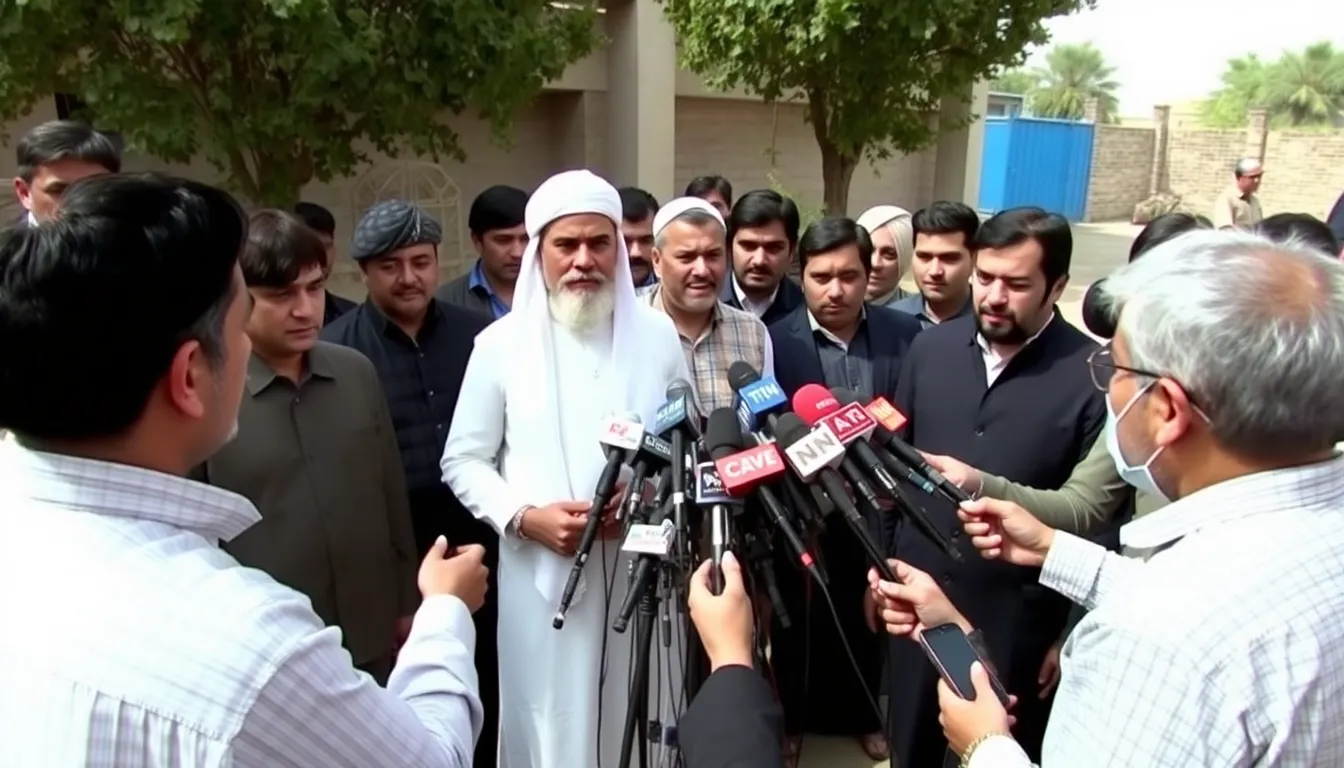
In the late 20th century, the Soviet invasion of Afghanistan in 1979 marked a significant turning point in the region. Pakistan, under General Zia-ul-Haq, became a key player in the U.S.-backed efforts to support the Afghan mujahideen against Soviet forces. This involvement not only solidified Pakistan’s influence in Afghanistan but also led to the rise of various militant groups, some of which have continued to operate across the porous border, complicating security and political dynamics.
The Taliban’s Rise and Its Aftermath
The emergence of the Taliban in the 1990s further complicated Pakistan-Afghanistan relations. Pakistan was one of the few countries to recognize the Taliban regime, which it viewed as a means to establish a friendly government in Kabul. However, the post-9/11 landscape shifted dramatically with the U.S. invasion of Afghanistan, leading to the ousting of the Taliban and a prolonged conflict that saw Pakistan accused of harboring Taliban leaders and supporting insurgency efforts against U.S. and Afghan forces.
In recent years, the withdrawal of U.S. troops and the subsequent resurgence of the Taliban have reignited tensions. Pakistan’s military operations against militant groups along the border have been met with retaliatory strikes from Afghanistan, leading to a cycle of violence that threatens regional stability. The situation is further exacerbated by economic challenges and political instability within both nations, making it difficult to achieve lasting peace.
As of now, the ongoing conflict and military strikes underscore the fragile nature of Pakistan-Afghanistan relations, rooted in decades of historical grievances, geopolitical maneuvering, and the complex interplay of local and international actors. Understanding this backdrop is essential to grasp the current events unfolding in the region.
Key stakeholders and the implications of the strikes
The recent airstrikes launched by Pakistan against targets in Afghanistan have drawn attention to a complex web of stakeholders involved in the region. Key actors include the Pakistani government, the Taliban-led Afghan government, international human rights organizations, and neighboring countries such as India and Iran, each with their own interests and concerns regarding the ongoing conflict.
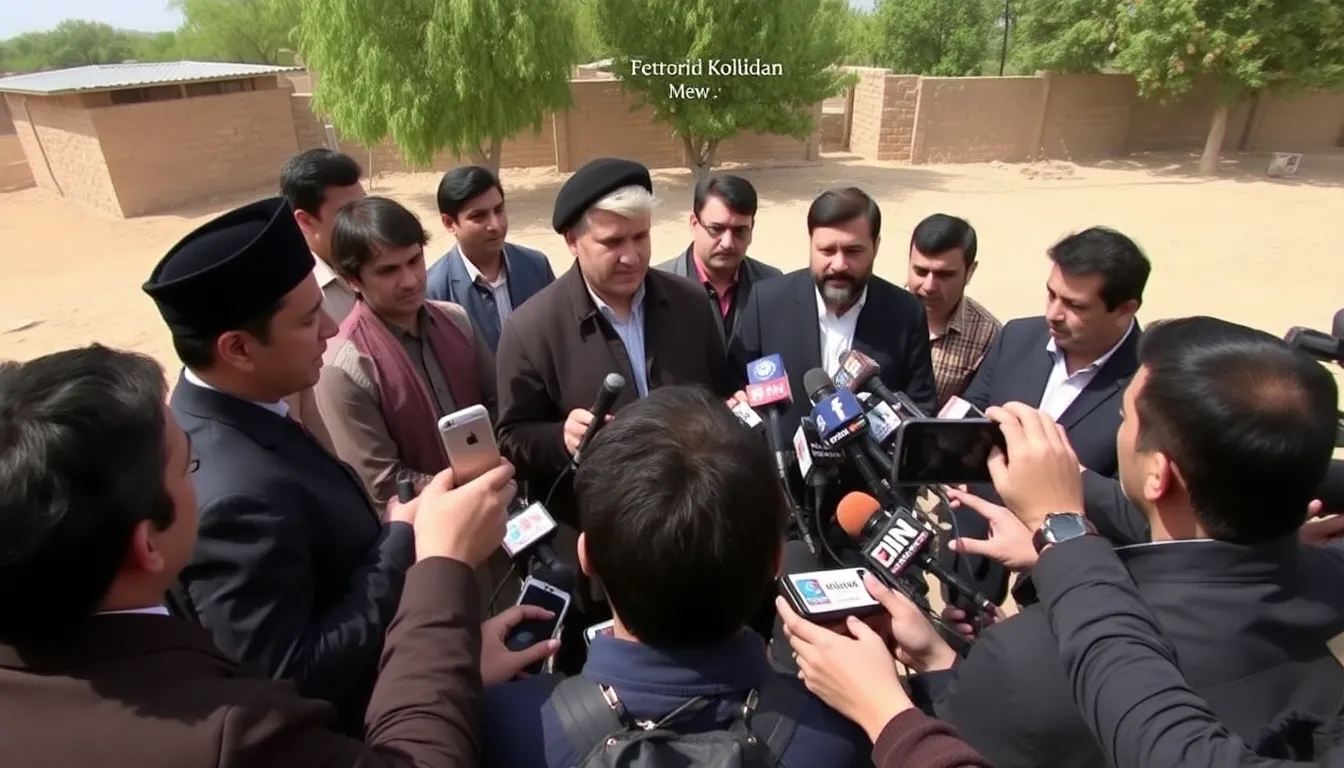
The Pakistani government, led by Prime Minister Shehbaz Sharif, is primarily focused on national security and counter-terrorism efforts. The strikes are seen as a response to perceived threats from militant groups operating from Afghan soil, which Pakistan claims have been responsible for attacks within its borders. This action aligns with Pakistan’s long-standing policy of combating terrorism, but it also risks escalating tensions with Afghanistan.
On the other hand, the Taliban, which now governs Afghanistan, views these strikes as a violation of its sovereignty and has condemned the actions as aggressive. The Taliban’s interest lies in consolidating power and maintaining control over its territory, while also seeking international legitimacy and support, often highlighted in reports from international human rights organizations. The strikes may hinder their efforts to gain recognition from other nations, complicating their diplomatic relations.
International human rights organizations are also key stakeholders, as they monitor the humanitarian implications of military actions in the region. They express concerns over civilian casualties and the potential for a humanitarian crisis resulting from increased military engagement. The strikes may exacerbate an already dire situation for Afghan civilians, who are facing economic hardship and insecurity.
- Escalation of Conflict: The strikes could lead to retaliatory actions from the Taliban, further destabilizing the region.
- Humanitarian Concerns: Increased military action raises fears of civilian casualties and displacement.
- International Relations: The strikes may affect Pakistan’s relations with other countries, particularly those advocating for Afghan sovereignty.
- Counter-Terrorism Efforts: While aimed at combating terrorism, the strikes could also provoke backlash against Pakistan’s military operations.
- Regional Stability: The situation may influence neighboring countries’ security policies and their responses to the evolving conflict.
The humanitarian and security impact on civilians in Afghanistan
The recent military strikes launched by Pakistan have significant implications for various groups within Afghanistan, particularly civilians who are already grappling with the aftermath of prolonged conflict. The immediate impact of these strikes is felt most acutely in border regions, where communities are often caught in the crossfire. The escalation of violence poses a grave risk to the safety and well-being of innocent civilians, leading to increased displacement and humanitarian crises.
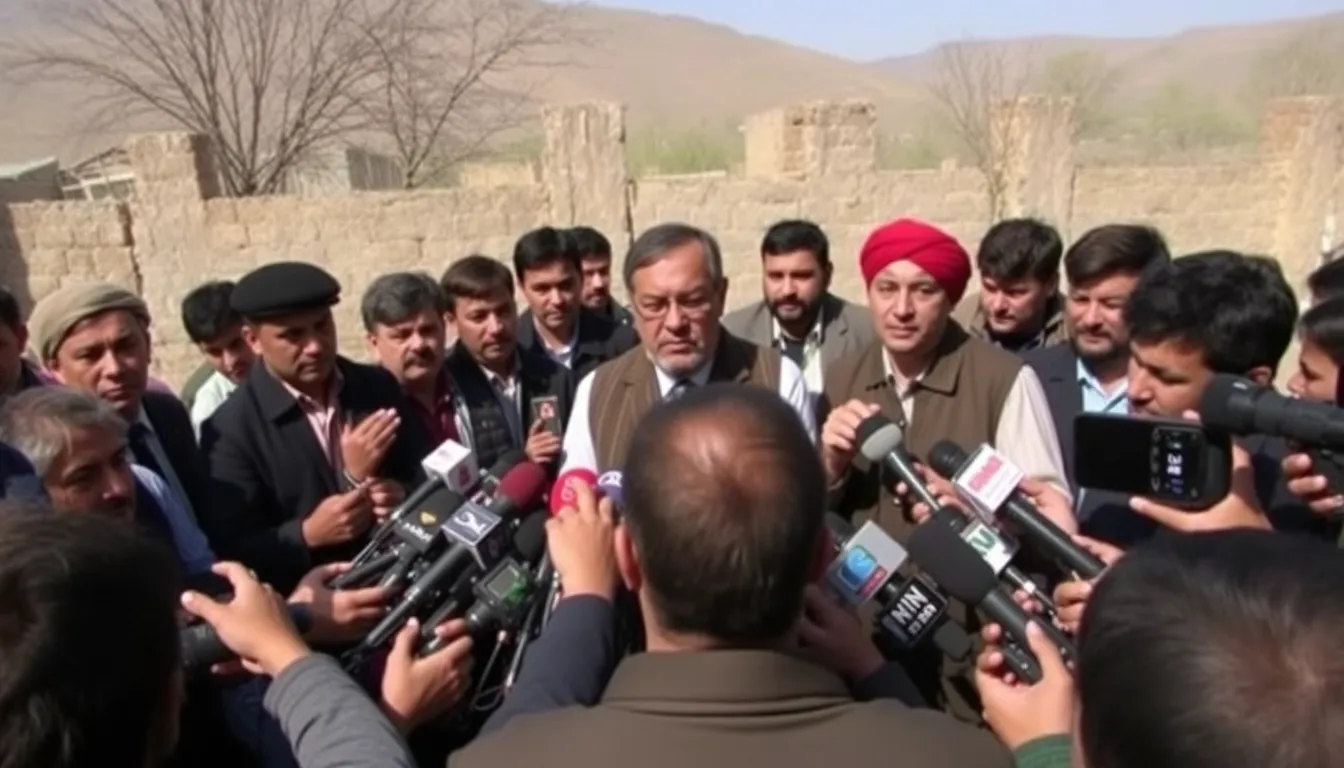
In the short term, the strikes exacerbate existing tensions and instability in Afghanistan. Daily life is disrupted as families flee their homes in search of safety, leading to overcrowded conditions in refugee camps and limited access to essential services. Businesses in affected areas face closures due to security concerns, resulting in economic downturns and loss of livelihoods. The agricultural sector, which is vital for many rural communities, is also at risk as farmers are unable to tend to their crops amidst ongoing violence.
In the mid-term, the ongoing conflict may lead to shifts in policy both within Afghanistan and among neighboring countries. The Afghan government may be compelled to increase military spending at the expense of social programs, further straining resources that could otherwise support education and healthcare. Additionally, international humanitarian organizations may face challenges in delivering aid, as security risks hinder their operations and access to affected populations.
- Displacement of civilians: Increased numbers of refugees and internally displaced persons.
- Economic impact: Business closures and loss of jobs, particularly in border regions.
- Humanitarian challenges: Strain on resources for aid organizations and healthcare services.
- Policy shifts: Potential changes in government spending priorities and international relations.
Despite the dire situation, there may be opportunities for regional dialogue and cooperation among affected nations. The international community could be prompted to engage more actively in peacebuilding efforts, potentially leading to a more stable environment in the long run. Additionally, local businesses that specialize in crisis response and recovery may see increased demand for their services as communities seek to rebuild and adapt to the changing circumstances.
A: The airstrikes were reportedly in response to ongoing security threats and militant activities along the border, which Pakistan claims are originating from Afghan territory. A: The Afghan government has condemned the airstrikes, calling them a violation of sovereignty and expressing concerns over civilian casualties. A: The strikes could lead to increased tensions between the two countries, potential retaliatory actions, and further destabilization of the region. A: International organizations and neighboring countries are closely monitoring the situation, urging both sides to engage in dialogue to prevent escalation. A: The humanitarian situation remains critical, with many civilians facing displacement and lack of access to essential services due to the ongoing conflict.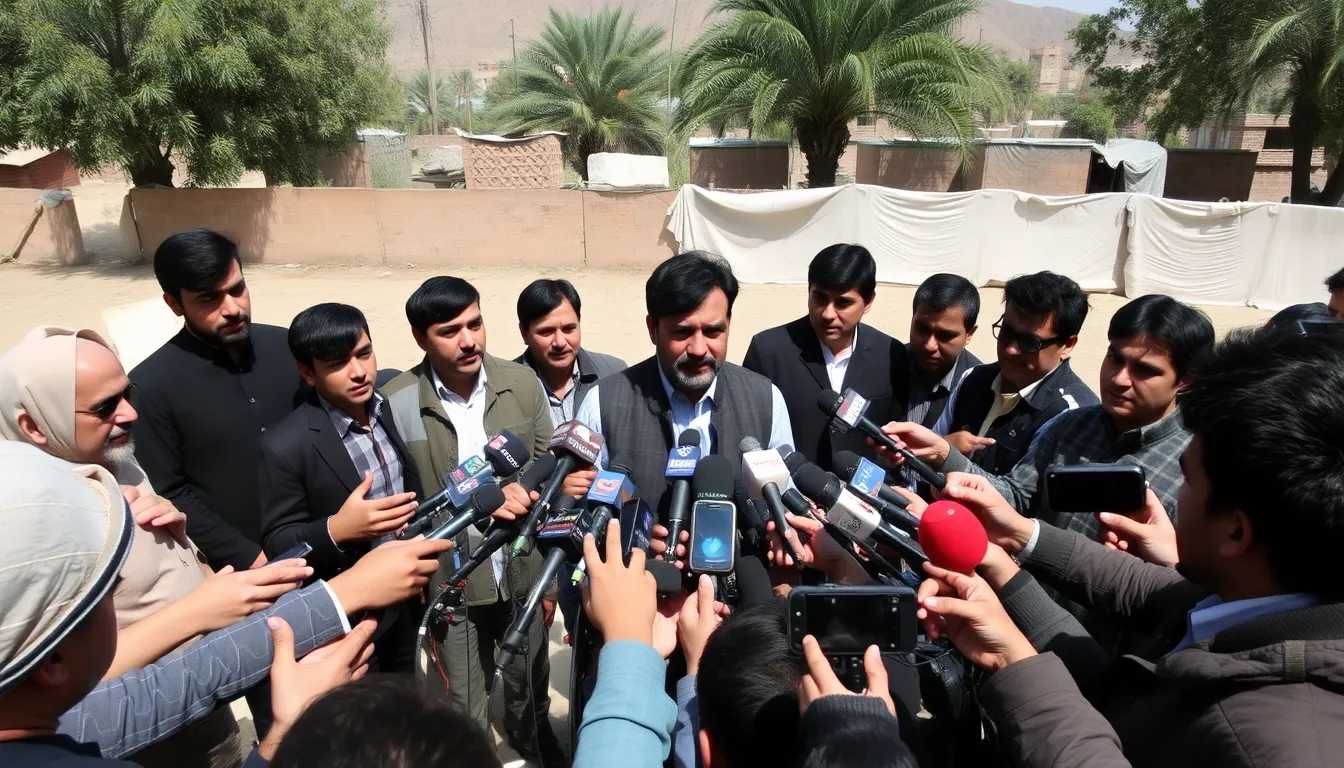
Frequently asked questions about the airstrikes
Future outlook on Pakistan-Afghanistan relations
The recent military actions taken by Pakistan against targets in Afghanistan signify a critical juncture in the historically complex relationship between the two nations. As tensions escalate, the implications for regional stability and security are profound. Analysts are closely monitoring the potential for retaliatory actions, shifts in alliances, and the broader impact on civilian populations caught in the crossfire.
Looking ahead, the situation warrants careful observation of diplomatic engagements and the response from international stakeholders. The evolving dynamics could lead to either an escalation of conflict or a renewed push towards negotiation and peace-building efforts.
- Increased military activity: Expect further military operations as Pakistan seeks to assert control and respond to perceived threats from Afghan territory.
- Humanitarian concerns: The conflict may exacerbate humanitarian crises, leading to increased displacement and suffering among civilians in border areas.
- International response: Watch for reactions from global powers, as the situation may prompt diplomatic interventions or sanctions aimed at de-escalating tensions.
- Regional alliances: The conflict might realign regional partnerships, with neighboring countries reassessing their positions based on the evolving security landscape.
- Potential for peace talks: Despite current hostilities, opportunities for dialogue may emerge, particularly if pressure mounts for a diplomatic resolution.