


On October 5, 2023, videos surfaced showing armed confrontations in urban areas, with heavy gunfire audible in the background. Reports indicate that law enforcement agencies have struggled to maintain order as cartel members engage in open combat, leading to the deployment of additional military forces to affected regions. The violence has disrupted daily life, with schools closing and residents being urged to stay indoors. This escalating crisis is a stark reminder of the ongoing challenges in combating drug-related crime in Mexico.
The aftermath of the cartel leader’s assassination highlights the ongoing power struggle within organized crime in Mexico. Analysts point out that such incidents often lead to a temporary escalation of violence as rival groups attempt to assert dominance. This situation raises concerns over public safety and the effectiveness of government strategies to combat drug-related crime.
As the situation develops, authorities are calling for increased cooperation from local communities to help restore peace. The Mexican government faces mounting pressure to address the root causes of cartel violence while ensuring the safety of its citizens. With the potential for further unrest, the coming days will be critical in determining the trajectory of violence in the region.
Understanding the background of cartel violence in Mexico
Mexico has long been plagued by cartel violence, a complex issue rooted in a combination of historical, political, and economic factors. The rise of drug cartels can be traced back to the late 20th century, when the demand for illegal drugs surged in the United States. This demand created lucrative opportunities for organized crime groups in Mexico, leading to the formation of powerful cartels such as the Sinaloa, Zetas, and Jalisco New Generation Cartel. Understanding this historical context is crucial, especially as we reflect on current events, such as critically analyzing responses to cartel-related incidents.
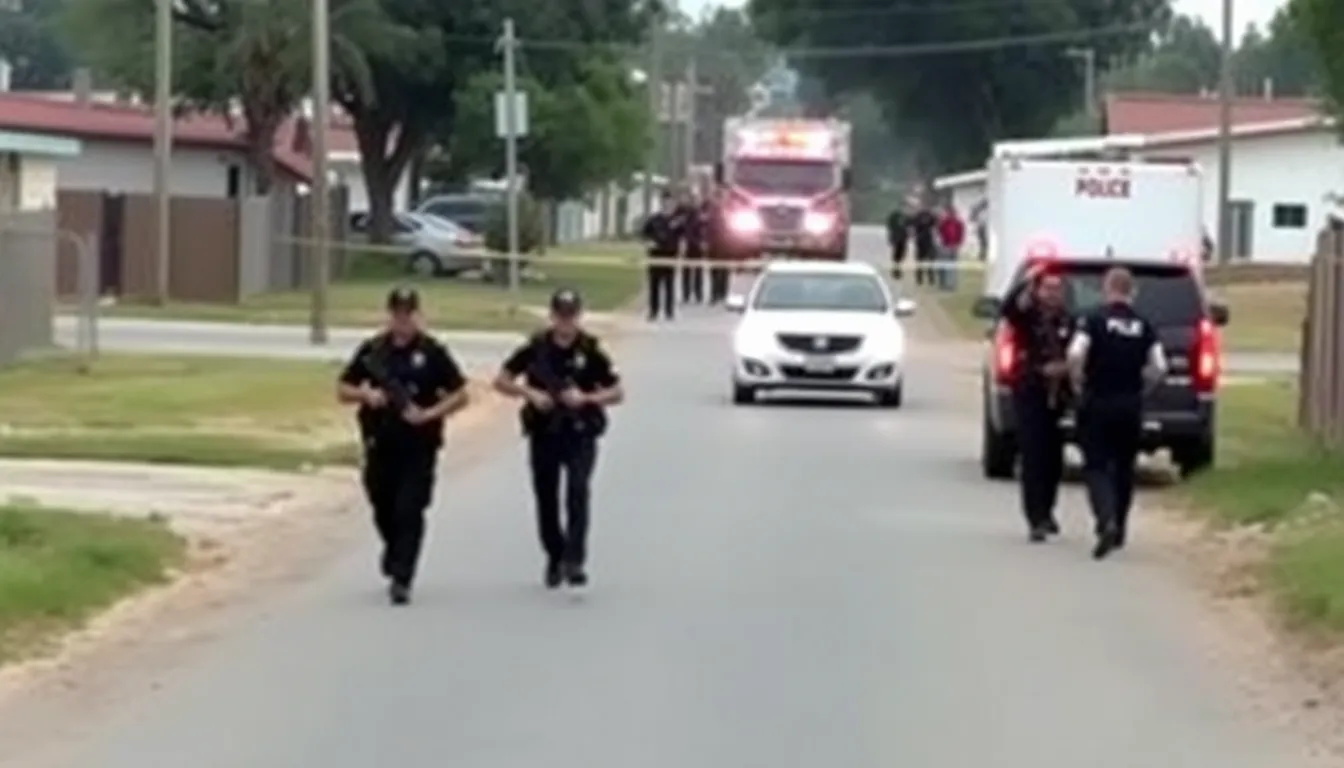
Political corruption and weak governance have exacerbated the problem, allowing cartels to operate with relative impunity. The Mexican government’s attempts to combat drug trafficking have often been met with limited success, resulting in a cycle of violence as rival cartels vie for control over lucrative drug routes and territories. The situation escalated dramatically in 2006, when then-President Felipe Calderón launched a military-led crackdown on drug cartels, which inadvertently intensified the violence and led to thousands of deaths.
Key Milestones in Cartel Violence
Several key events have marked the trajectory of cartel violence in Mexico. In 2014, the disappearance of 43 students in Ayotzinapa, Guerrero, highlighted the deep entanglement of cartels with local authorities and the military. This incident sparked widespread protests and calls for accountability, yet the violence continued unabated. More recently, the killing of prominent cartel leaders has often resulted in violent power struggles, as seen in the aftermath of the death of Joaquín “El Chapo” Guzmán, which led to a surge in conflicts among rival factions. Such power dynamics further amplify concerns paralleling those seen in the film industry, like the impact of external pressures on established systems.
As cartel violence continues to escalate, the impact on Mexican society is profound. Communities are often caught in the crossfire, with civilians bearing the brunt of the violence. The economic repercussions are also significant, as tourism and local businesses suffer in regions plagued by insecurity. Understanding the historical context of this violence is crucial for comprehending the current situation and the ongoing challenges faced by Mexico in restoring law and order.
Key stakeholders and issues surrounding cartel conflicts
The recent violence in Mexico following the killing of a prominent cartel boss has highlighted a complex web of stakeholders, each with distinct interests and motivations. The primary actors include various drug cartels, local and federal government authorities, law enforcement agencies, and the civilian population caught in the crossfire. Each group plays a crucial role in the ongoing conflict, which is characterized by a struggle for power, territory, and control over lucrative drug trafficking routes.
At the forefront are the rival cartels, which are vying for dominance in the drug trade. Their interests are often centered around maintaining or expanding their market share, leading to violent confrontations with one another. This competition can result in brutal tactics, including assassinations and public displays of violence, aimed at instilling fear and asserting control over specific regions.
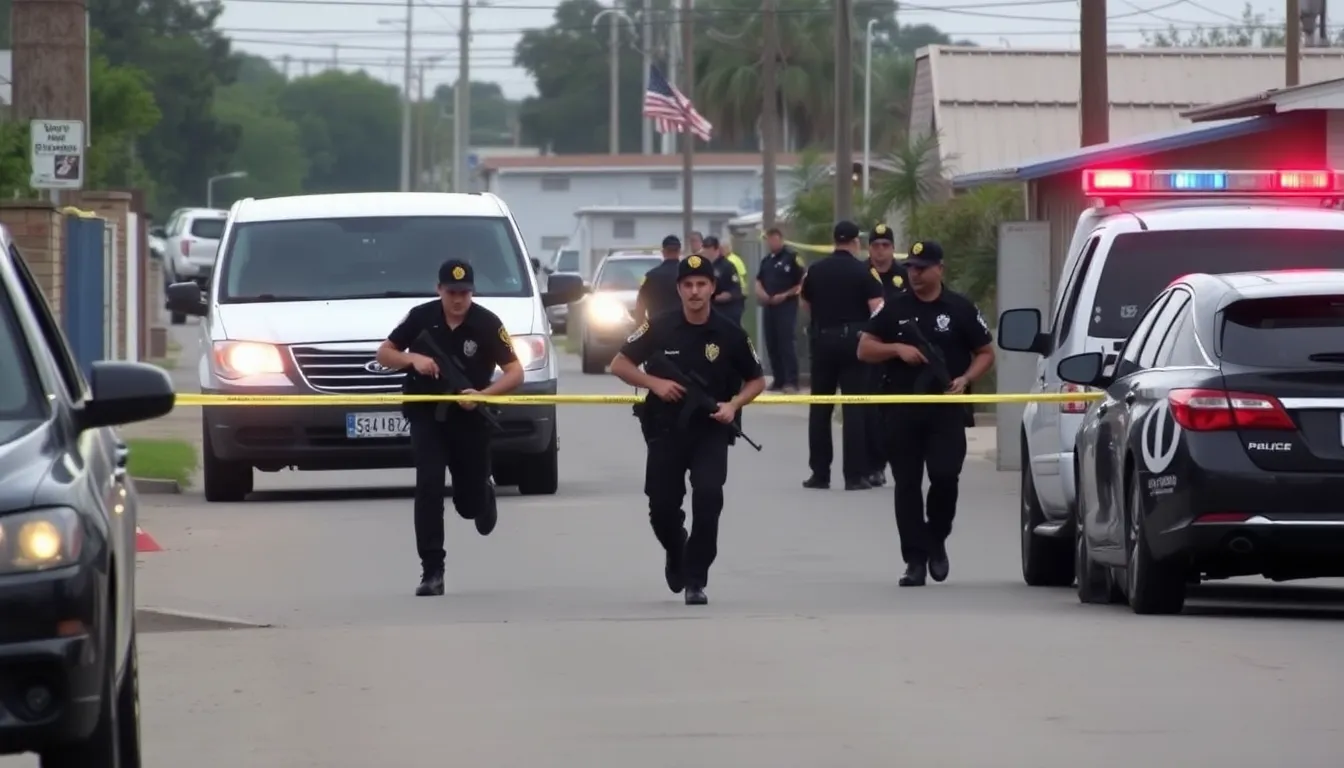
Local and federal governments face significant challenges in addressing cartel violence. Their interests lie in maintaining public safety and restoring order, but they often grapple with limited resources and corruption within law enforcement. The government’s response to cartel activities can lead to trade-offs, as aggressive crackdowns may provoke further violence, while a lack of action can embolden criminal organizations.
- Public Safety: The civilian population is often the most affected by cartel violence, facing risks to their safety and well-being.
- Economic Impact: Ongoing violence can deter investment and tourism, leading to economic downturns in affected regions.
- Legal Challenges: The judicial system struggles to prosecute cartel members effectively, often hindered by corruption and intimidation.
- International Relations: The U.S. and Mexico must navigate diplomatic relations, particularly concerning drug trafficking and border security.
Ultimately, the interplay between these stakeholders results in a dynamic and often volatile situation. The interests of cartels, government entities, and civilians are frequently at odds, leading to a cycle of violence that complicates efforts toward resolution and peace. Understanding these relationships is essential for grasping the broader implications of cartel conflicts in Mexico.
The impact of cartel violence on local communities and security
The recent killing of a prominent cartel boss has led to a significant escalation of violence in Mexico, affecting various groups and industries. Local communities, already grappling with the pervasive influence of drug cartels, now face heightened insecurity and fear. Residents are at risk of being caught in the crossfire, leading to a deterioration in the quality of life and a breakdown of social cohesion.
The tourism and hospitality industries are particularly vulnerable in the wake of this violence. Regions heavily reliant on tourism may experience a sharp decline in visitors, as travelers opt for safer destinations. This could result in job losses and economic downturns in areas that depend on tourist spending. Local businesses, from restaurants to shops, may also suffer as consumer confidence wanes.
In the short term, the surge in violence may prompt government responses, including increased military presence and law enforcement actions. While this may enhance security temporarily, it can also lead to tensions between the state and local populations. In the mid-term, policies aimed at addressing cartel violence could shift, potentially leading to more stringent regulations affecting businesses and personal freedoms.
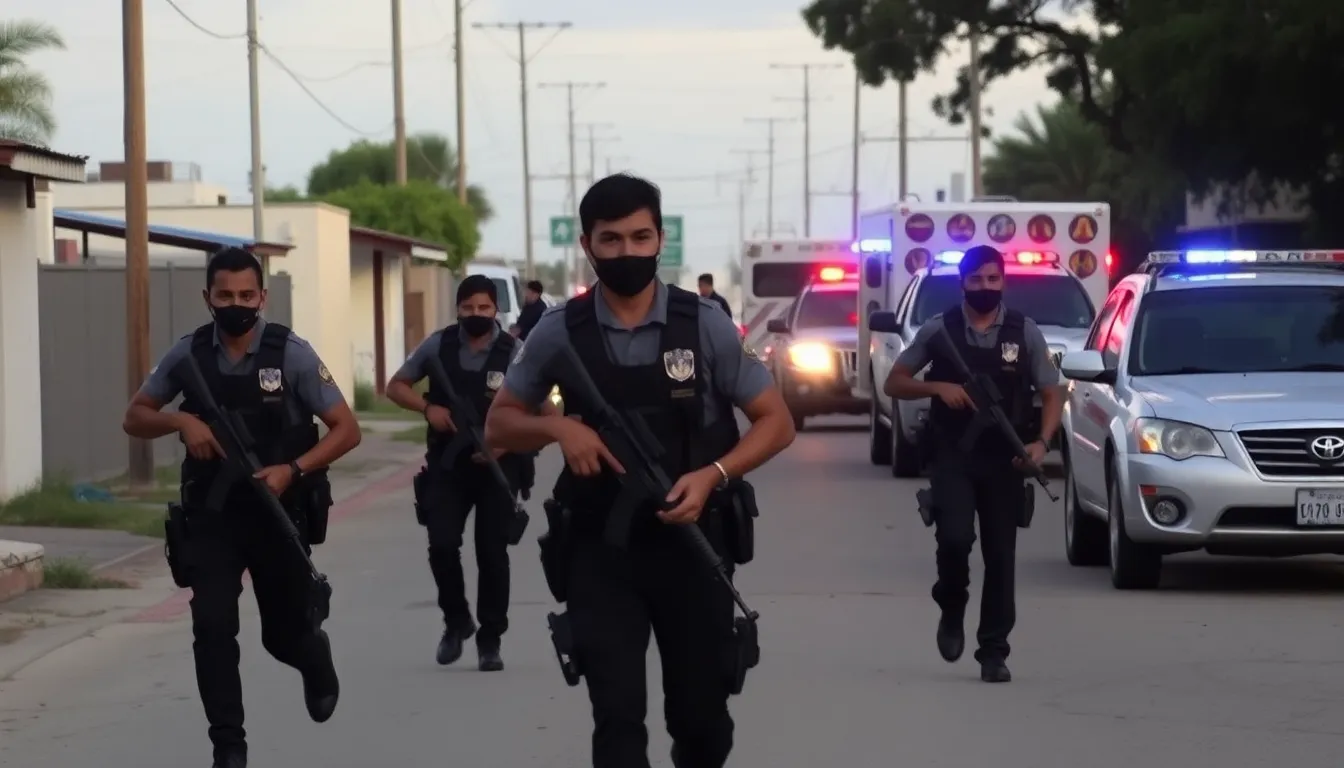
- Increased violence: Higher risks for civilians and local businesses.
- Economic downturn: Decline in tourism and local commerce.
- Policy changes: Potential for stricter law enforcement measures.
- Community resilience: Opportunities for local organizations to strengthen community ties.
While the immediate effects are dire, there may also be potential opportunities for community resilience and reform. Local organizations and NGOs could mobilize to support affected populations, fostering a sense of solidarity and encouraging initiatives aimed at rebuilding trust and safety in the community. This could lead to long-term positive changes in how communities engage with law enforcement and advocate for their needs.
A: The cartel boss was targeted due to ongoing rivalries and law enforcement efforts to dismantle his organization. This killing sparked immediate retaliatory violence. A: Many citizens are expressing fear and frustration over the escalating violence, calling for stronger government action to ensure safety. A: Authorities are increasing police presence in affected areas and conducting operations to apprehend those responsible for the violence. A: Yes, the violence can affect international relations and security cooperation, particularly with neighboring countries concerned about drug trafficking. A: Experts predict continued violence as rival factions vie for control, making it crucial for law enforcement to respond effectively.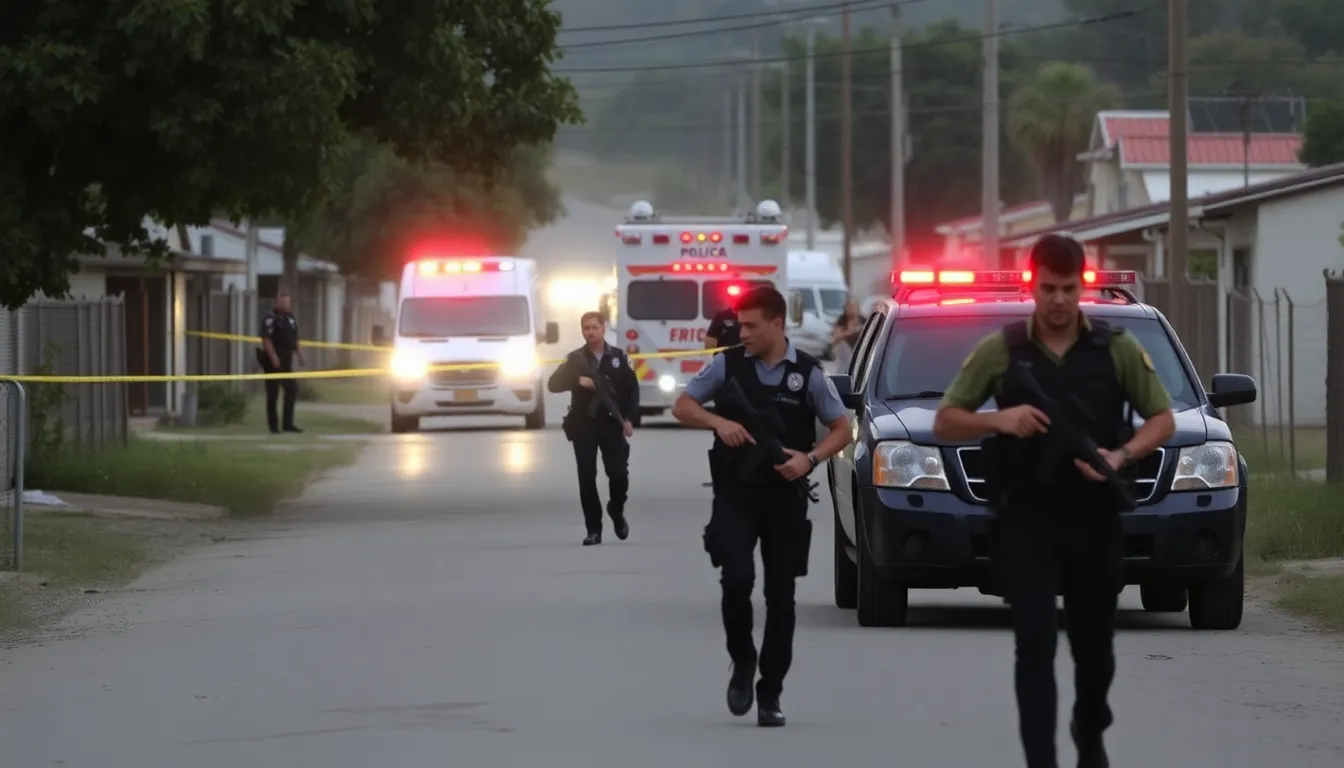
Frequently asked questions about the recent violence
Insights and outlook on the future of cartel violence in Mexico
The recent surge in violence following the killing of a prominent cartel leader underscores the ongoing instability in regions controlled by organized crime in Mexico. This situation reflects the broader implications for law enforcement, community safety, and regional governance as rival factions vie for power and influence. The response from both the government and the cartels will be critical in shaping the trajectory of violence in the coming months.
As the situation evolves, it is essential to monitor how these violent outbreaks affect local populations and the strategies employed by authorities to restore order. The potential for retaliatory attacks and the emergence of new alliances among criminal groups could further complicate efforts to stabilize affected areas.
- Increased Military Presence: Expect a heightened military response in regions impacted by cartel violence, which may lead to temporary reductions in violence but could also escalate tensions.
- Community Impact: The ongoing violence will likely exacerbate humanitarian issues, leading to displacement and increased fear among local populations.
- Shift in Cartel Dynamics: Watch for shifts in power among cartels, as new leaders may emerge or existing factions may realign in response to recent events.
- International Attention: The situation may attract greater scrutiny from international observers and governments, potentially influencing U.S.-Mexico relations regarding security cooperation.
- Long-term Policy Changes: This violence could prompt the Mexican government to reevaluate its approach to drug-related crime, leading to new policies aimed at addressing root causes.