


The situation has worsened in recent years, exacerbated by the COVID-19 pandemic, which led to increased unemployment and mental health challenges. In many cities, visible homelessness has surged, prompting public outcry and calls for action. Gauff’s comments resonate with many advocates who argue that no one should suffer or die simply for existing in public spaces. This pressing issue is echoed in discussions around social justice.
Key cities such as Los Angeles, New York, and San Francisco have become focal points for this crisis, with local governments struggling to provide adequate shelter and services. In 2022 alone, Los Angeles reported over 1,000 homeless deaths, highlighting the urgent need for comprehensive solutions. The issue is compounded by systemic factors, including lack of affordable housing, inadequate mental health care, and insufficient support systems.
As discussions around this topic gain momentum, it is crucial for policymakers and community leaders to address the root causes of homelessness. The public’s growing awareness, fueled by voices like Gauff’s, may help catalyze necessary legislative changes and funding allocations aimed at preventing further tragedies. The urgency of this issue demands immediate attention to ensure that basic human rights are upheld for all individuals, regardless of their circumstances, much like the efforts seen in civil rights advocacy.
Exploring the background of homelessness and societal neglect
The issue of homelessness in the United States is deeply rooted in a complex interplay of historical, political, and economic factors. Over the decades, various policies and societal attitudes have contributed to the marginalization of vulnerable populations. The post-World War II era saw a significant shift in urban development, with many low-income housing projects being dismantled in favor of gentrification and urban renewal, leading to a drastic decrease in affordable housing options.
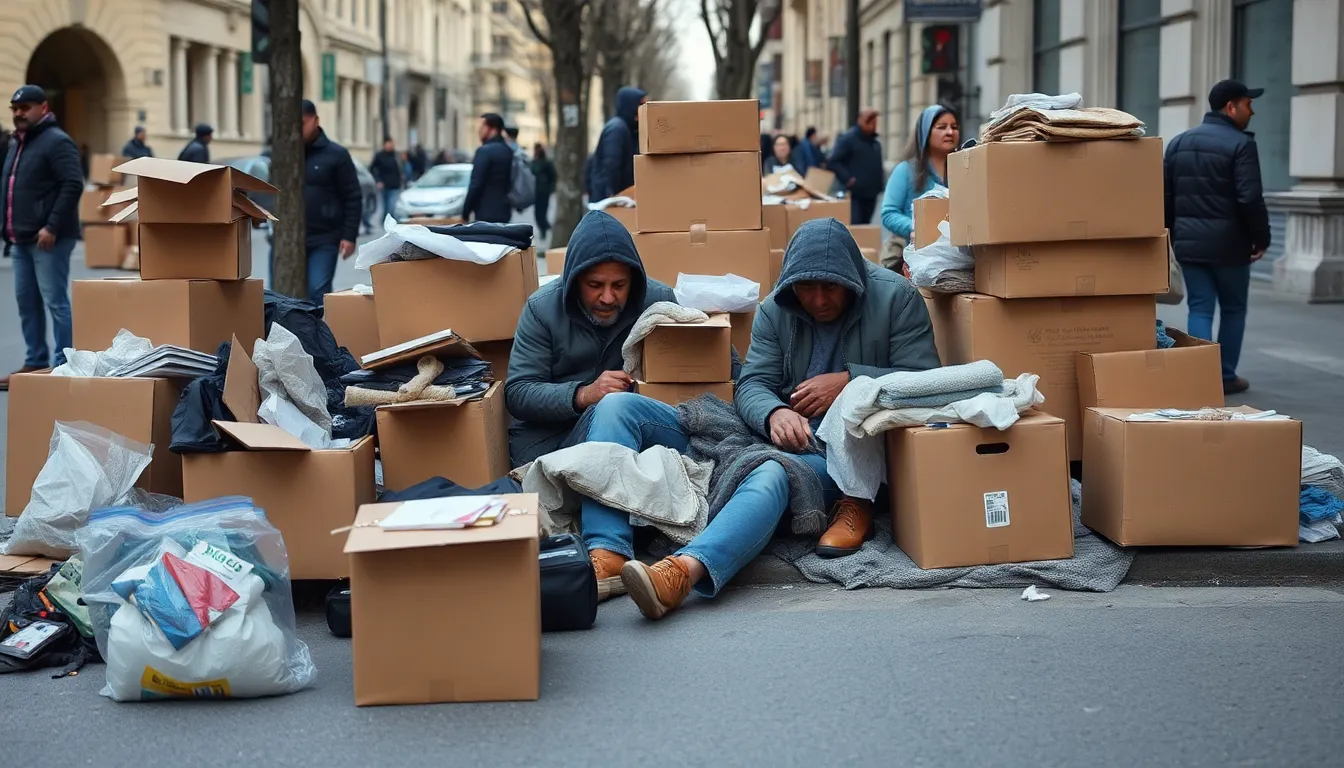
In the 1980s, a combination of economic recession and the deinstitutionalization of mental health facilities resulted in a surge in homelessness. Many individuals who previously received care in institutions found themselves without support or resources, leading to increased visibility of homelessness in urban areas. This period also marked a shift in public policy, where funding for social services was cut, leaving many without the necessary safety nets.
Key Milestones in the Fight Against Homelessness
Throughout the past few decades, there have been several key milestones that highlight the ongoing struggle against homelessness. The Stewart B. McKinney Act of 1987 was one of the first federal responses to address homelessness, providing funding for emergency shelters and services. However, despite these efforts, the number of homeless individuals continued to rise, exacerbated by the 2008 financial crisis which disproportionately affected low-income families, revealing stark parallels with economic policies.
Moreover, the COVID-19 pandemic has further highlighted the vulnerabilities of the homeless population, as many were left without access to basic sanitation and healthcare. The federal government’s response, including temporary housing initiatives and eviction moratoriums, has brought attention to the systemic failures that allow homelessness to persist. Activists and public figures, like Coco Gauff, are now calling for a renewed focus on addressing these issues, emphasizing that no one should have to suffer on the streets merely for existing.
Analyzing the key stakeholders and their roles in addressing this crisis
The recent statements by Coco Gauff highlight a pressing issue in the United States: the alarming number of individuals experiencing homelessness and the systemic failures that contribute to this crisis. Various stakeholders are involved, each with distinct interests and influence over potential solutions.
At the forefront are local and state governments, which are tasked with implementing policies that address homelessness. Their interests often revolve around budget constraints, public safety, and the political implications of their decisions. Many officials seek to balance the need for immediate relief with long-term solutions, such as affordable housing initiatives and mental health services.
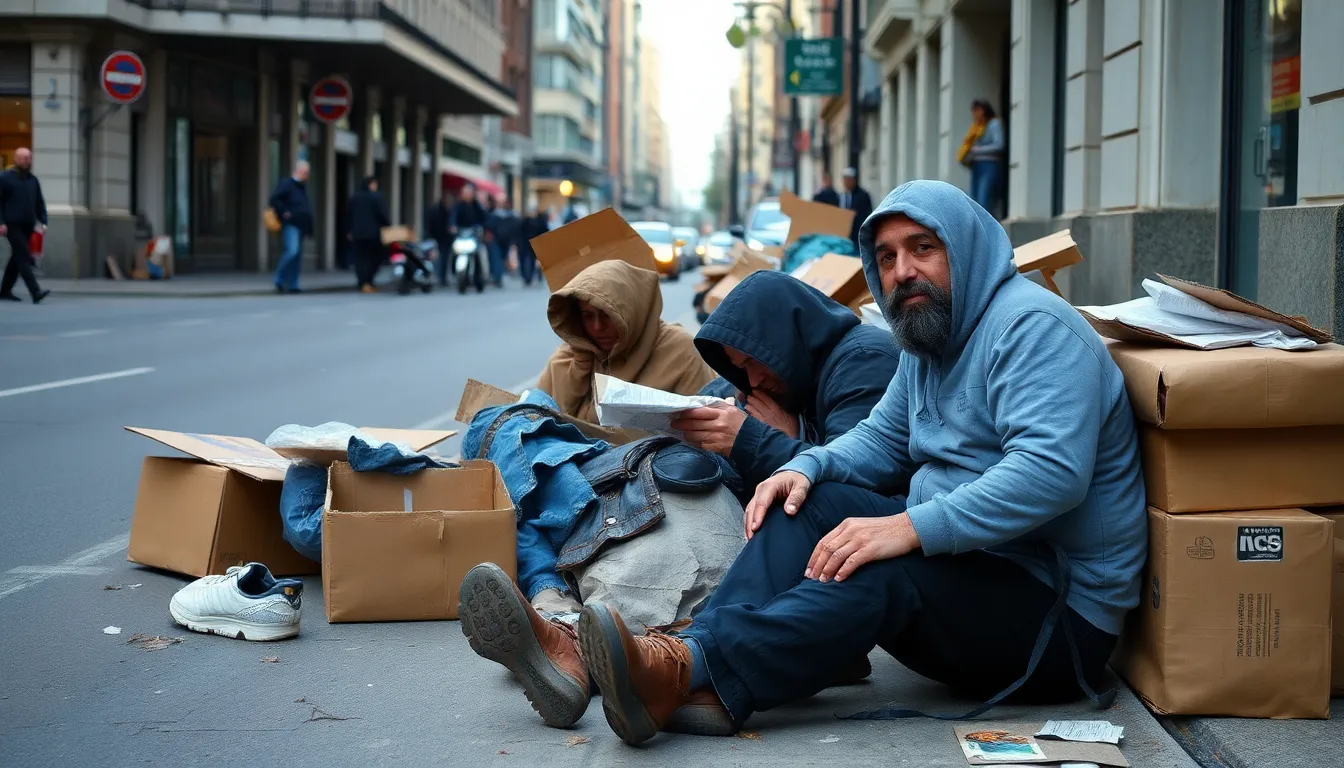
Nonprofit organizations and advocacy groups play a crucial role in supporting individuals facing homelessness. These entities often push for more comprehensive social services and funding, advocating for policies that prioritize human rights and dignity. Their interests are aligned with those of the affected populations, aiming to provide immediate assistance while also working toward systemic change.
Additionally, the private sector has a stake in addressing homelessness, particularly businesses that may be impacted by public perceptions and local community relations. Companies may engage in corporate social responsibility initiatives that address homelessness, but their involvement can also raise questions about profit motives versus genuine commitment to social issues.
- Local governments may face conflicts between budgetary constraints and the need for expanded services.
- Nonprofits often compete for limited funding, which can lead to fragmentation in service delivery.
- Businesses might prioritize short-term gains over long-term community investment, complicating collaborative efforts.
- The public’s perception of homelessness can influence political will and policy decisions.
- Legal issues, such as the rights of homeless individuals versus public space regulations, create ongoing challenges.
Understanding these dynamics is essential for comprehensively addressing the crisis of homelessness. Each stakeholder’s actions and interests shape the landscape of solutions available, highlighting the complexity of this humanitarian issue in the United States.
Examining the impact on communities and individuals affected by these issues
The ongoing crisis surrounding homelessness and social justice in the U.S. affects a diverse range of groups, including low-income families, marginalized communities, and individuals struggling with mental health issues. Urban areas, in particular, are witnessing heightened visibility of these challenges, leading to increased public discourse and concern.
In the short term, the immediate impact on daily life is significant. Communities may experience heightened tensions as residents grapple with the presence of homelessness in public spaces. Local businesses might see fluctuations in customer traffic due to safety concerns or negative perceptions associated with homelessness. Additionally, public services, including healthcare and law enforcement, may become overwhelmed as they attempt to address the urgent needs of affected individuals.
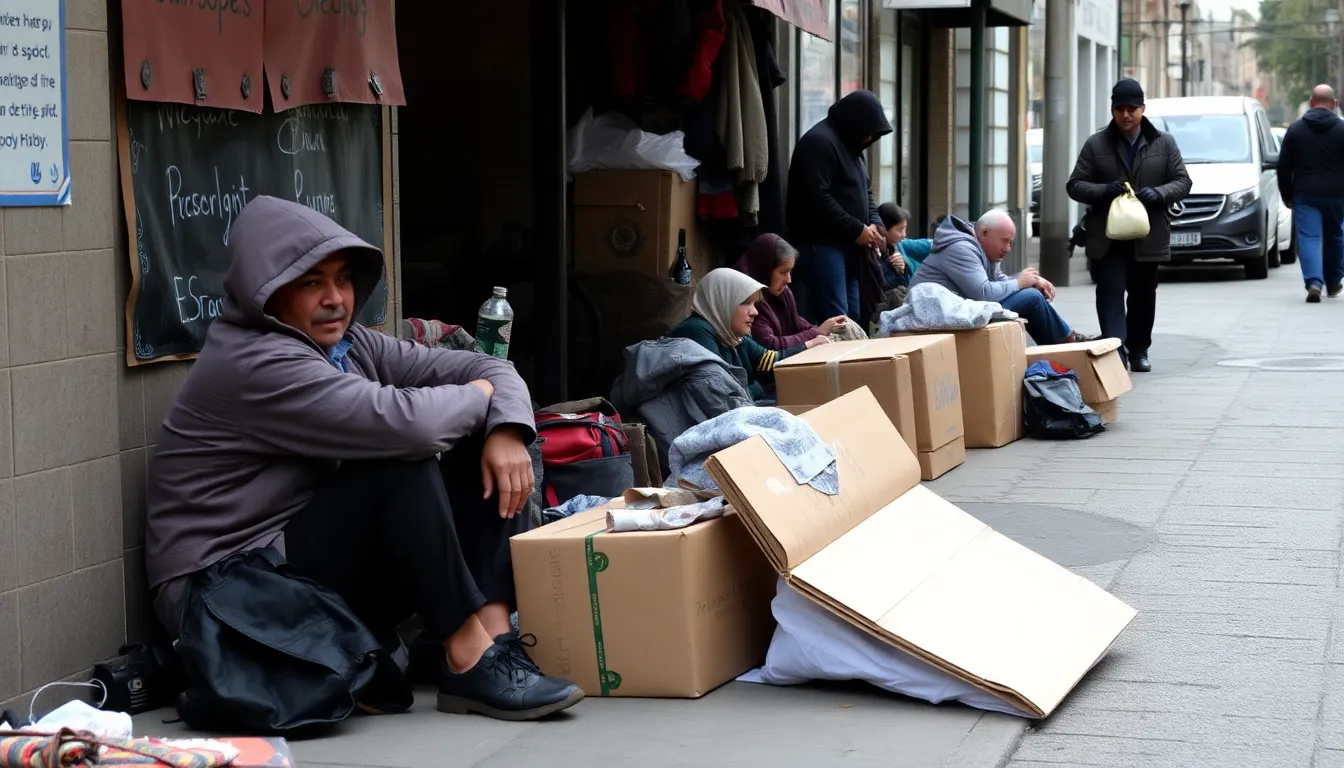
Mid-term effects could lead to shifts in policy as city officials and lawmakers respond to public outcry. This may result in increased funding for social services, affordable housing initiatives, and mental health support. However, there is also the risk of policies that prioritize punitive measures over compassionate solutions, potentially exacerbating the crisis rather than alleviating it.
- Risks: Increased social unrest and polarization, potential for ineffective policy responses.
- Opportunities: Enhanced community engagement, potential for innovative solutions in housing and social services.
- Impact on businesses: Changes in customer behavior, need for adaptive strategies to address community concerns.
Ultimately, the intersection of these issues presents both challenges and opportunities for communities and policymakers alike. Addressing the root causes of homelessness and social inequity could pave the way for more inclusive and sustainable urban environments.
A: Coco Gauff was motivated by witnessing the harsh realities faced by homeless individuals and felt compelled to use her platform to advocate for change. A: Gauff emphasized the need for systemic change to address homelessness, mental health support, and the importance of community engagement. A: Individuals can contribute by supporting local charities, advocating for policy changes, and raising awareness about homelessness in their communities. A: Gauff’s statements shed light on societal neglect and urge a collective responsibility to protect vulnerable populations. A: Yes, various organizations and government programs are working to provide resources, shelter, and support for homeless individuals across the country.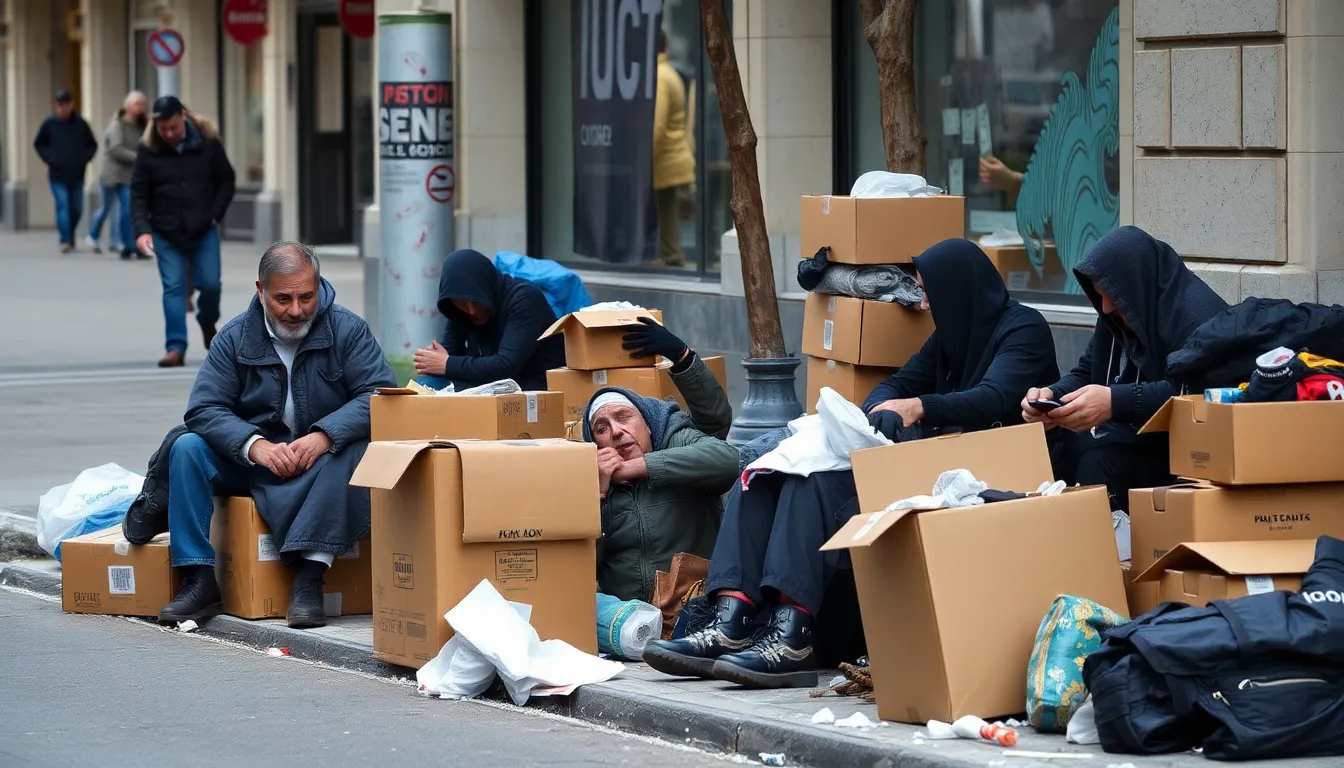
Frequently asked questions about Gauff’s statements and US issues
Key takeaways and future outlook on addressing street deaths
The recent statements by Coco Gauff highlight a pressing issue in the United States: the alarming number of individuals dying in the streets due to systemic failures. This situation underscores the need for a multifaceted approach that addresses not only immediate safety concerns but also the underlying socio-economic factors contributing to homelessness and street violence. As public awareness grows, there is an opportunity for communities and policymakers to collaborate on innovative solutions that prioritize human dignity and safety.
Moving forward, it is essential to monitor the effectiveness of proposed initiatives and to engage in ongoing dialogue about the societal changes necessary to prevent such tragedies from occurring. The involvement of young voices like Gauff’s can catalyze action and inspire a generation to advocate for lasting change.
- Increased funding for mental health and addiction services to address root causes of homelessness.
- Community-driven programs that promote safety and support for vulnerable populations.
- Legislative efforts aimed at reforming housing policies to ensure affordable and accessible options for all.
- Encouraging public-private partnerships to create job opportunities for marginalized communities.
- Ongoing advocacy and awareness campaigns to keep the conversation alive and pressure policymakers to act.