


Currently, several high-profile teams across various sports are grappling with this issue. For instance, in October 2023, reports surfaced about tensions within the locker room of a major football club, where players reportedly felt alienated by the coach’s tactics and communication style. Such dynamics can erode team morale and hinder performance on the field.
Experts note that losing the dressing room can happen for various reasons, including a lack of effective communication, poor results, or controversial decisions made by the management. This was evident during the recent season when a well-known basketball team saw a drop in performance after a series of public disagreements between the coach and star players, potentially echoing similar tensions faced by prominent clubs in other sports.
The implications of this issue extend beyond the immediate performance of the team. When a coach loses the dressing room, it can lead to significant changes in team structure, including potential firings or resignations. As seen in previous seasons, teams that fail to address these internal conflicts often find themselves struggling to regain their competitive edge.
The Historical Context of Team Dynamics
Throughout the history of sports, the concept of “losing the dressing room” has emerged as a critical issue affecting team performance and cohesion. This phrase typically refers to a situation where players no longer respect or respond to their coach or management, leading to a breakdown in communication and trust. Understanding how this phenomenon occurs requires examining various historical, social, and psychological factors that influence team dynamics.
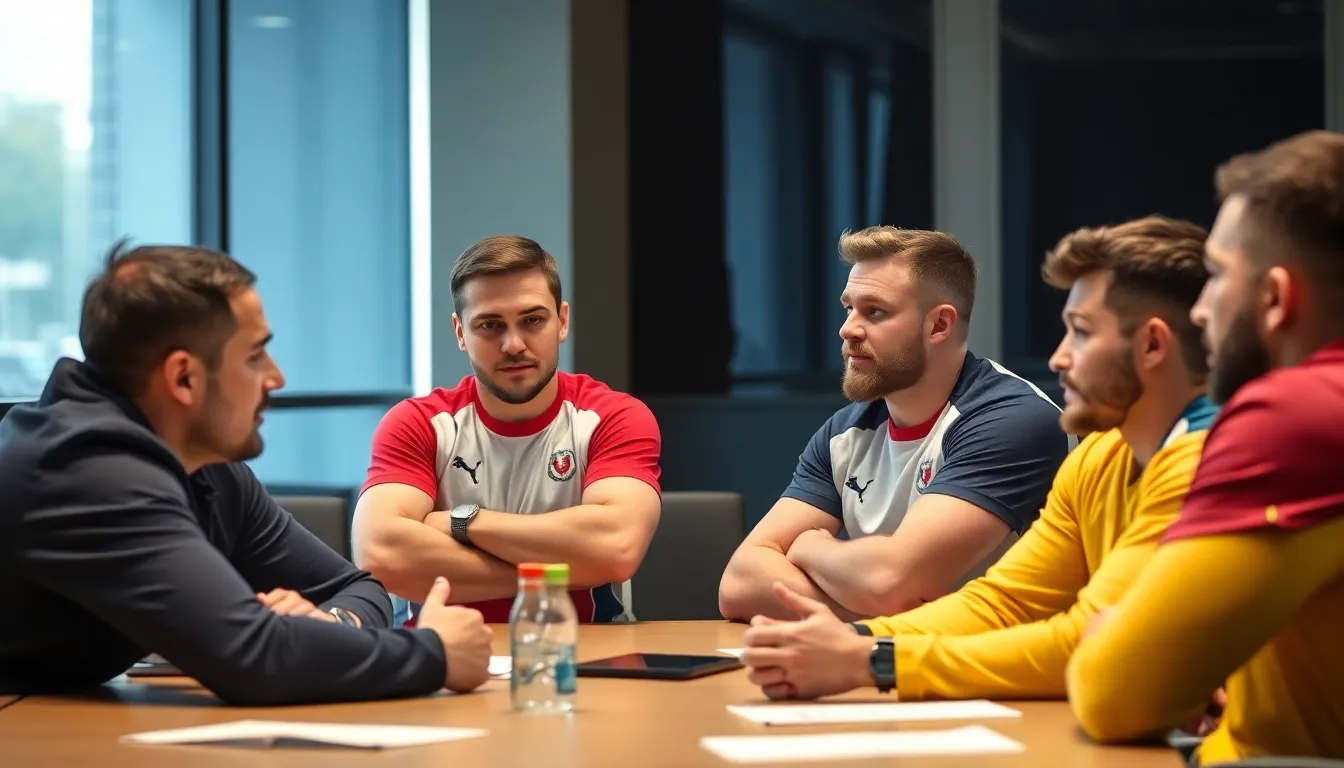
One of the earliest recorded instances of a team losing its dressing room can be traced back to the mid-20th century, when coaching styles began to shift dramatically. Coaches who employed authoritarian tactics often found their players rebelling against strict regimes. This shift highlighted the importance of mutual respect and open communication, which became pivotal in maintaining team morale and unity. Over time, the evolution of coaching philosophies has emphasized the need for a collaborative approach, yet instances of losing the dressing room continue to surface.
The economic pressures of professional sports have also contributed to this issue. As teams invest heavily in player contracts and facilities, the stakes increase, leading to heightened tensions within the locker room. Players may feel undervalued or overworked, especially if they perceive favoritism or inequity in how decisions are made. This can create an environment where dissent grows, ultimately resulting in a loss of faith in leadership.
Key Milestones in Team Dynamics
Several notable cases in sports history exemplify the consequences of losing the dressing room. For instance, the fallout from the 2013-2014 season of a prominent football club saw a once-successful coach dismissed after reports of player discontent and internal strife became public, illustrating the fragile nature of team dynamics and the rapidity with which a cohesive unit can fracture under pressure.
Moreover, the rise of social media has amplified the impact of losing the dressing room. Players now have platforms to voice their frustrations and concerns, which can escalate conflicts and draw public attention to internal issues. The visibility of these dynamics has made it imperative for teams to address concerns proactively, ensuring that players feel heard and valued to maintain a harmonious environment.
Key Factors Leading to Loss of Team Cohesion
The concept of “losing the dressing room” typically refers to a situation where a coach or manager loses the support and trust of their players. This phenomenon can have significant implications for team performance and overall morale. Understanding the key stakeholders involved and the underlying issues is crucial for grasping the dynamics at play.
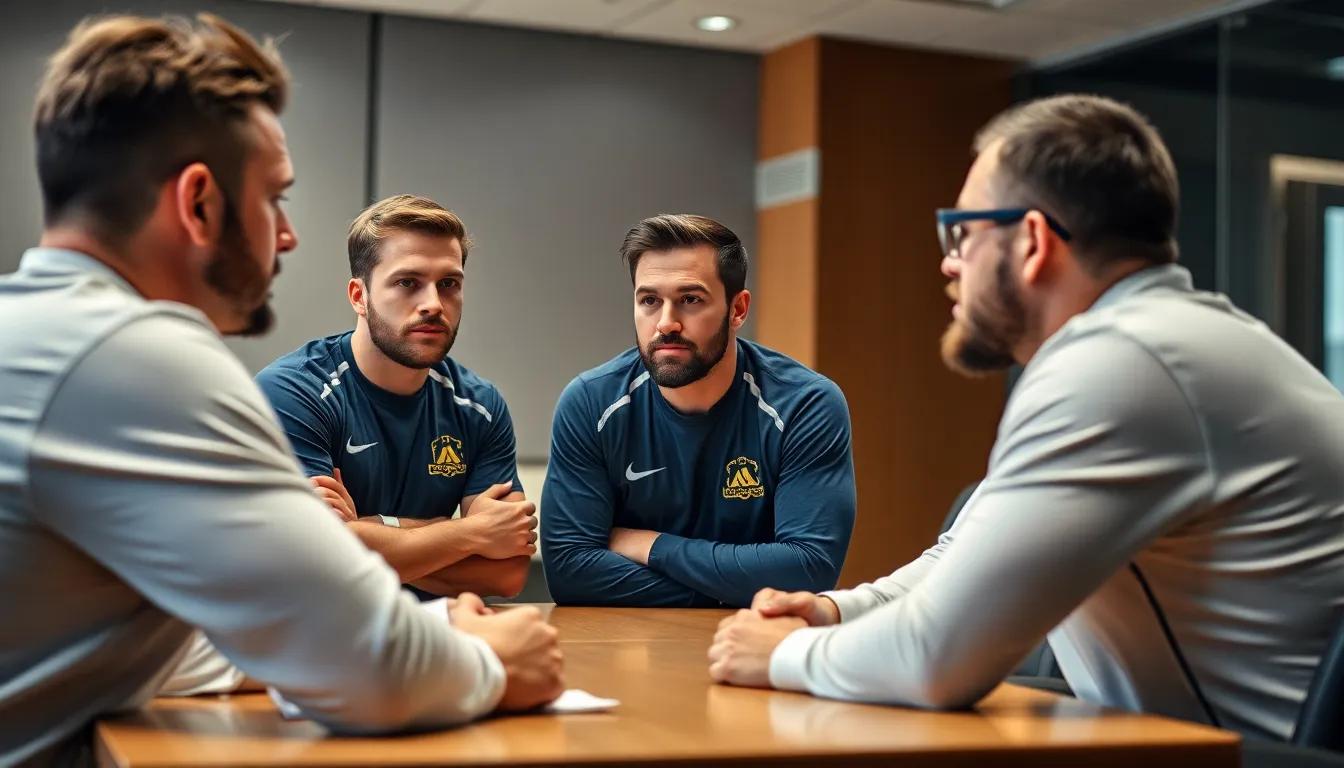
One of the primary actors in this scenario is the coaching staff, whose leadership style and decision-making processes can greatly influence team cohesion. Coaches who fail to communicate effectively or who exhibit favoritism may alienate players, leading to a breakdown in relationships. Additionally, the management of the team, including owners and executives, plays a pivotal role in setting the culture and expectations, which can either support or undermine the coach’s efforts.
Players themselves are crucial stakeholders, as their attitudes and behaviors can either foster a positive environment or contribute to discord, similar to the unsettling atmosphere described in reports regarding tensions within a major football club’s locker room.
- Communication Breakdown: Poor communication can lead to misunderstandings and resentment among players.
- Management Decisions: Changes in management or conflicting interests can undermine a coach’s authority.
- Player Dynamics: Conflicts among players, whether personal or professional, can disrupt team harmony.
- External Pressures: Media narratives and fan expectations can create additional stress that impacts team cohesion.
Legal and economic issues also play a role in this dynamic. For instance, contract negotiations and salary disparities can lead to feelings of unfairness among players, contributing to a lack of trust in the management. Moreover, the financial stakes involved in professional sports mean that decisions made by team owners can have far-reaching consequences on player morale and team performance.
How Losing the Dressing Room Affects Performance
The phrase “losing the dressing room” typically refers to a situation where a leader, such as a coach or manager, loses the support and trust of their team. This phenomenon can have significant repercussions across various sectors, particularly in sports, corporate environments, and even political arenas. The impact can ripple through different groups, including athletes, employees, management, and stakeholders.
In the short term, losing the dressing room can lead to decreased morale and productivity. For athletes, this may manifest as poor performance during games or competitions, while in corporate settings, it can result in reduced collaboration and innovation among team members. The immediate effects can create a toxic atmosphere where individuals feel disengaged and unmotivated, ultimately affecting overall outcomes.

In the mid-term, the ramifications can extend beyond immediate performance issues. Organizations may face increased turnover rates as dissatisfied employees seek opportunities elsewhere. Additionally, brands and companies may suffer reputational damage, leading to decreased customer loyalty and potential financial losses. This can create a cycle of instability that is challenging to reverse.
However, there are also potential opportunities that can arise from addressing the issue of losing the dressing room. By recognizing the signs early, leadership can initiate changes that foster a more inclusive and supportive environment. Implementing team-building exercises, open communication channels, and conflict resolution strategies can help rebuild trust and cohesion.
- Short-term impacts: Decreased morale and productivity.
- Mid-term impacts: Increased turnover and reputational damage.
- Opportunities: Team-building and improved leadership strategies.
A: Signs include decreased player motivation, lack of communication, and visible discord among team members. Coaches may notice players not supporting each other during games. A: Yes, it is possible to regain team cohesion through open communication, addressing player concerns, and fostering a positive environment. However, it requires effort from both management and players. A: Leadership is crucial as it sets the tone for team culture. Effective leaders promote trust, respect, and unity among players, which helps in preventing a loss of the dressing room. A: Yes, several high-profile teams in various sports have experienced this issue, often leading to coaching changes and poor performance. These cases serve as cautionary tales for team management. A: Coaches can prevent this by maintaining transparency, engaging with players regularly, and ensuring that all voices are heard. Building strong relationships is key to team success.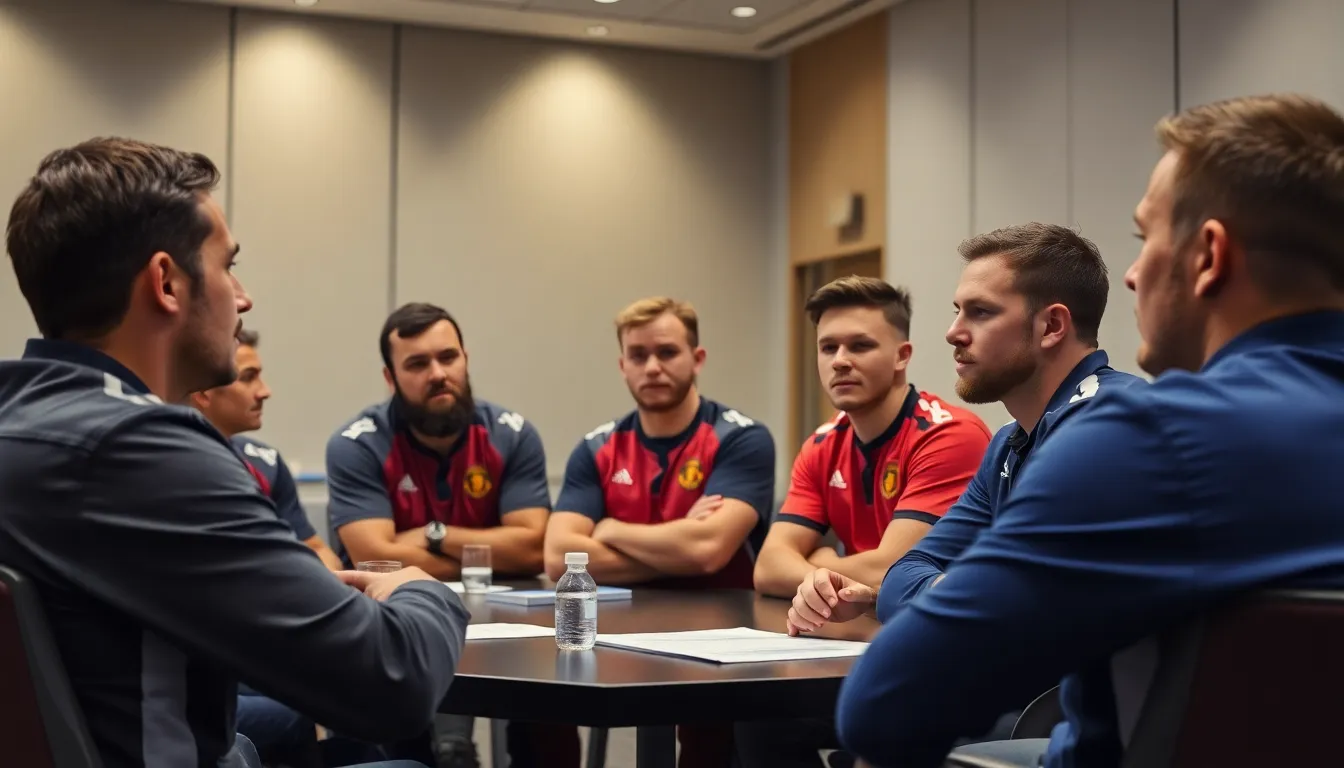
Frequently Asked Questions About Losing the Dressing Room
Key Takeaways and Future Outlook on Team Management
The concept of “losing the dressing room” serves as a critical indicator of a team’s internal dynamics and overall performance. It reflects not only the relationship between management and players but also highlights the importance of maintaining trust, communication, and motivation within a team. As organizations strive to achieve success, understanding the factors that contribute to this phenomenon is essential for leaders aiming to foster a positive environment.
Moving forward, teams must prioritize open dialogue and feedback mechanisms to ensure that all members feel valued and heard. By recognizing the early signs of discontent and addressing them proactively, management can mitigate the risk of losing the dressing room and maintain a cohesive, motivated squad.
- Monitor team morale through regular check-ins and anonymous feedback to identify potential issues early.
- Encourage transparent communication between players and management to build trust and understanding.
- Implement team-building activities that strengthen relationships and foster a sense of belonging among players.
- Recognize individual contributions and provide support to players facing challenges, reinforcing their importance to the team.
- Stay adaptable to changing dynamics within the team, ensuring that leadership styles evolve to meet the needs of players.