


Notably, several artists have emerged, blending traditional elements with contemporary styles, which has helped to rejuvenate the genre’s appeal. For instance, in January 2023, a popular K-pop group released a track that incorporated elements from this genre, leading to a spike in streaming numbers and social media mentions. Such collaborations are bridging the gap between generations and redefining the genre’s image. If you’re interested in the impact of K-pop on various genres, check out this article.
Industry experts point to the influence of global music trends, where retro sounds are increasingly celebrated. Events like the 2023 Seoul Music Awards featured performances that showcased this genre, drawing significant attention from both fans and critics alike. This recognition marks a pivotal moment for the genre, as it transitions from a niche interest to a mainstream phenomenon.
Moreover, the rise of online communities dedicated to this genre has created a supportive environment for artists and fans. Platforms like TikTok and YouTube have played a crucial role in promoting viral challenges and dance trends, which further amplify the genre’s visibility. As a result, what was once dismissed as kitsch is now being reinterpreted as a vibrant and essential part of Korea’s musical heritage, much like the insights shared in podcasts on classic literature that explore cultural narratives.
Understanding the Historical Context of the Genre
The Korean music genre in question, often referred to as “trot,” has deep roots in Korea’s cultural history, dating back to the early 20th century. Initially influenced by Western musical styles, trot emerged during the Japanese occupation of Korea (1910-1945) as a form of expression that resonated with the struggles and aspirations of the Korean people. Its catchy melodies and sentimental lyrics provided solace during a tumultuous period, making it a staple in the lives of many Koreans.

Throughout the decades, trot evolved, incorporating various musical elements while reflecting the changing social landscape of Korea. The genre gained immense popularity in the post-war era, particularly in the 1960s and 1970s, when it became synonymous with the burgeoning Korean entertainment industry. Iconic artists like Nam Jin and Lee Mi-ja became household names, and trot music was featured prominently in television dramas and films, solidifying its place in the cultural zeitgeist.
The Decline and Stigmatization of Trot
However, as Korea entered the global music scene in the 1990s with the rise of K-pop, trot began to lose its appeal among younger generations. It was often mocked for being outdated and tacky, leading to a significant decline in its popularity. The genre was relegated to the margins of the music industry, with many viewing it as a relic of the past, overshadowed by the glitz and glamour of contemporary pop music.
Despite its decline, trot maintained a loyal fan base, particularly among older Koreans who cherished the genre for its nostalgic value. In recent years, there has been a noticeable resurgence in interest, driven by a renewed appreciation for traditional music and cultural heritage. This revival is also fueled by the emergence of new artists who blend trot with modern musical styles, making it more accessible to younger audiences and challenging the stigma that once surrounded the genre. To learn more about innovative technologies affecting various industries, check out this piece.
Key Stakeholders and Issues Surrounding the Comeback
The resurgence of the once-mocked Korean music genre has attracted a diverse group of stakeholders, each with distinct interests. Key players include music producers, artists, record labels, and fans, alongside cultural critics and industry analysts. Their varying agendas shape the narrative around the genre’s revival and its implications on both local and global music scenes.
Music producers and record labels are primarily interested in capitalizing on the genre’s newfound popularity. They see an opportunity to tap into a lucrative market, especially as streaming services expand their reach. This economic incentive drives them to invest in new talent and promote the genre, creating a cycle of demand and supply that could redefine music consumption trends.

Artists are also significant stakeholders, as their careers can be greatly impacted by this revival. Many who once faced stigma may now find renewed interest in their work, leading to potential collaborations and performances that can enhance their visibility and financial success. However, artists may also experience pressure to conform to evolving industry standards, which can lead to conflicts over creative expression.
- Conflict of Interests: Traditionalists may resist the genre’s modern adaptations, fearing a loss of authenticity.
- Legal Issues: Copyright disputes may arise as older tracks are sampled or remixed, raising questions about intellectual property rights.
- Economic Trade-offs: The influx of investment could overshadow independent artists, leading to a homogenization of sound.
- Cultural Impact: The genre’s revival may challenge existing cultural narratives, prompting debates about cultural appropriation and authenticity.
Furthermore, government entities may play a role in regulating the music industry, particularly regarding copyright laws and cultural promotion initiatives. Their policies can either support or hinder the genre’s growth, depending on their focus on cultural heritage versus commercial interests. This regulatory landscape creates a complex environment where stakeholders must navigate legal frameworks while pursuing their goals.
The Impact on Artists and the Music Market
The resurgence of this once-mocked Korean music genre is significantly affecting various groups, particularly artists, producers, and the broader music market. Artists who previously faced criticism for embracing this genre are now finding renewed interest and validation. This shift is not only revitalizing their careers but also encouraging new artists to explore similar sounds, thereby diversifying the music landscape.
In terms of industry impact, record labels and streaming platforms are likely to see increased engagement and sales. The genre’s comeback may lead to a surge in live performances, merchandise sales, and collaborations across different musical styles. As audiences embrace the genre, there is potential for a broader cultural exchange, influencing fashion, dance, and other artistic expressions.
However, this revival also poses risks. The sudden popularity can lead to oversaturation in the market, potentially diluting the genre’s unique appeal. Additionally, there is a chance that mainstream success could alienate long-time fans who appreciated its original, more niche status. This tension between authenticity and commercialism could spark debates within the community.

- Short-term impacts: Increased visibility for artists, rise in streaming and sales, and more live events.
- Mid-term impacts: Potential for genre fusion, influence on fashion trends, and shifts in cultural perceptions.
- Opportunities: New collaborations, expansion into international markets, and growth of niche fanbases.
- Risks: Market oversaturation, potential loss of authenticity, and division among fans.
Regions with a strong connection to this genre, particularly in South Korea and parts of Southeast Asia, are likely to experience a cultural renaissance. This could lead to increased tourism and interest in local music scenes, benefiting local economies and fostering a sense of community pride.
A: The genre in question is a specific style of Korean music that was previously seen as tacky but is now gaining renewed interest among listeners. A: It was often considered lowbrow or overly commercial, leading to a stigma that overshadowed its artistic value. A: Several contemporary artists and producers are embracing this genre, blending it with modern influences to attract a new audience. A: Its comeback is influencing trends in music production and marketing, encouraging other artists to explore unconventional styles. A: The revival signifies a shift in cultural perceptions, showcasing a broader acceptance of diverse musical expressions within Korean society.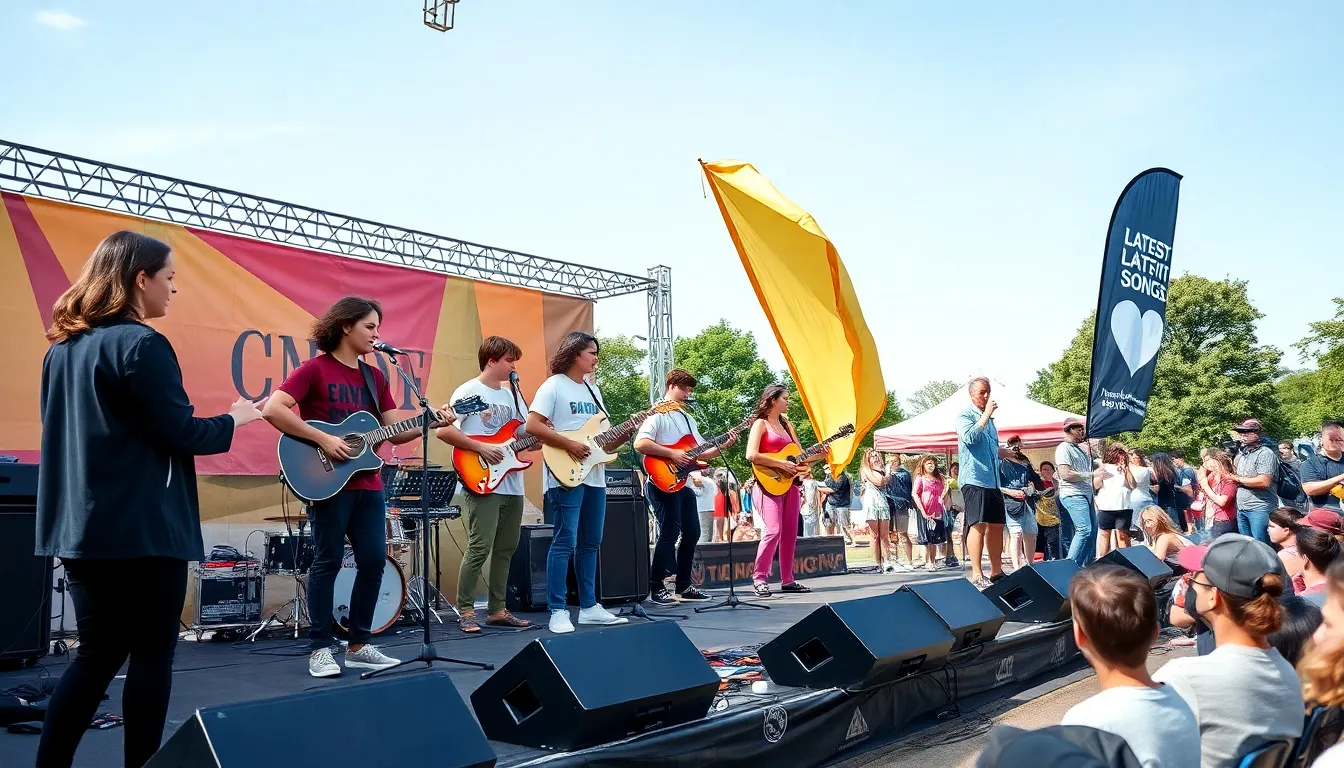
Frequently Asked Questions About the Genre
Insights and Future Outlook on the Genre’s Popularity
The resurgence of this once-mocked Korean music genre highlights a broader cultural shift towards embracing diverse musical styles. As audiences become more open to various forms of expression, the genre’s revival signifies not just a change in musical tastes but also an evolving perception of what is considered ‘cool’ or ‘tacky’. This evolution presents opportunities for artists and the industry alike to innovate and reach new audiences.
As the genre gains traction, it will be essential to monitor its influence on global music trends and collaborations. The blending of traditional and contemporary elements may pave the way for unique fusions that could redefine music production and consumption in the coming years.
- The genre’s revival may inspire a new wave of artists to experiment with its elements, leading to innovative sounds and collaborations.
- Increased visibility could result in a broader acceptance of previously marginalized musical styles within mainstream media.
- Industry stakeholders should consider the evolving audience demographics and preferences as they strategize marketing and distribution efforts.
- Watch for potential cross-cultural exchanges that may emerge as the genre influences other music scenes globally.
- Continued engagement on social media platforms will play a crucial role in sustaining the genre’s popularity and connecting with fans.