


Recent releases, such as “The Legend of Zelda: Breath of the Wild” in 2017 and its highly anticipated sequel, “Tears of the Kingdom,” which launched in May 2023, have garnered critical acclaim and commercial success. These titles have not only pushed the boundaries of open-world design but have also introduced new gameplay mechanics that resonate with both new and veteran players. For a deeper understanding of the franchise’s innovations, check out our article on the evolution of gaming mechanics.
The franchise’s ongoing popularity can be attributed to its rich storytelling, memorable characters, and immersive worlds. Nintendo has successfully maintained a balance between nostalgia and modernization, appealing to a diverse audience that spans generations. This strategy has ensured that The Legend of Zelda remains relevant in an ever-changing gaming landscape.
Furthermore, the franchise’s presence in popular culture has expanded through various media, including merchandise, animated adaptations, and fan conventions. This cross-platform engagement has helped solidify its status as a cultural icon, further enhancing its appeal to fans old and new.
A brief history of The Legend of Zelda series
The Legend of Zelda series made its debut on February 21, 1986, in Japan, created by the visionary Shigeru Miyamoto and Takashi Tezuka. This groundbreaking action-adventure game introduced players to the land of Hyrule, where they embarked on epic quests to rescue Princess Zelda and defeat the evil Ganon. The game’s innovative design combined exploration, puzzle-solving, and combat, setting a new standard for video games and captivating audiences around the world. This iconic history contributes to why fans celebrate its legacy, similar to the way Cees Nooteboom’s novels have been appreciated for their impact.
In the years following its release, The Legend of Zelda evolved through various iterations, each one building upon the last. The introduction of 3D graphics in “The Legend of Zelda: Ocarina of Time” in 1998 marked a significant milestone, not only for the franchise but for the gaming industry as a whole. This title is often heralded as one of the greatest video games of all time, thanks to its immersive storytelling, expansive world, and innovative gameplay mechanics that influenced countless titles that followed.
As the series progressed, it adapted to changing technologies and gaming trends. The release of “The Legend of Zelda: The Wind Waker” in 2002 showcased a distinct cel-shaded art style that divided fans but ultimately expanded the franchise’s appeal. The series continued to innovate with titles like “The Legend of Zelda: Breath of the Wild,” which redefined open-world gameplay, allowing players unprecedented freedom in how they approached challenges and exploration.
Cultural Impact and Legacy
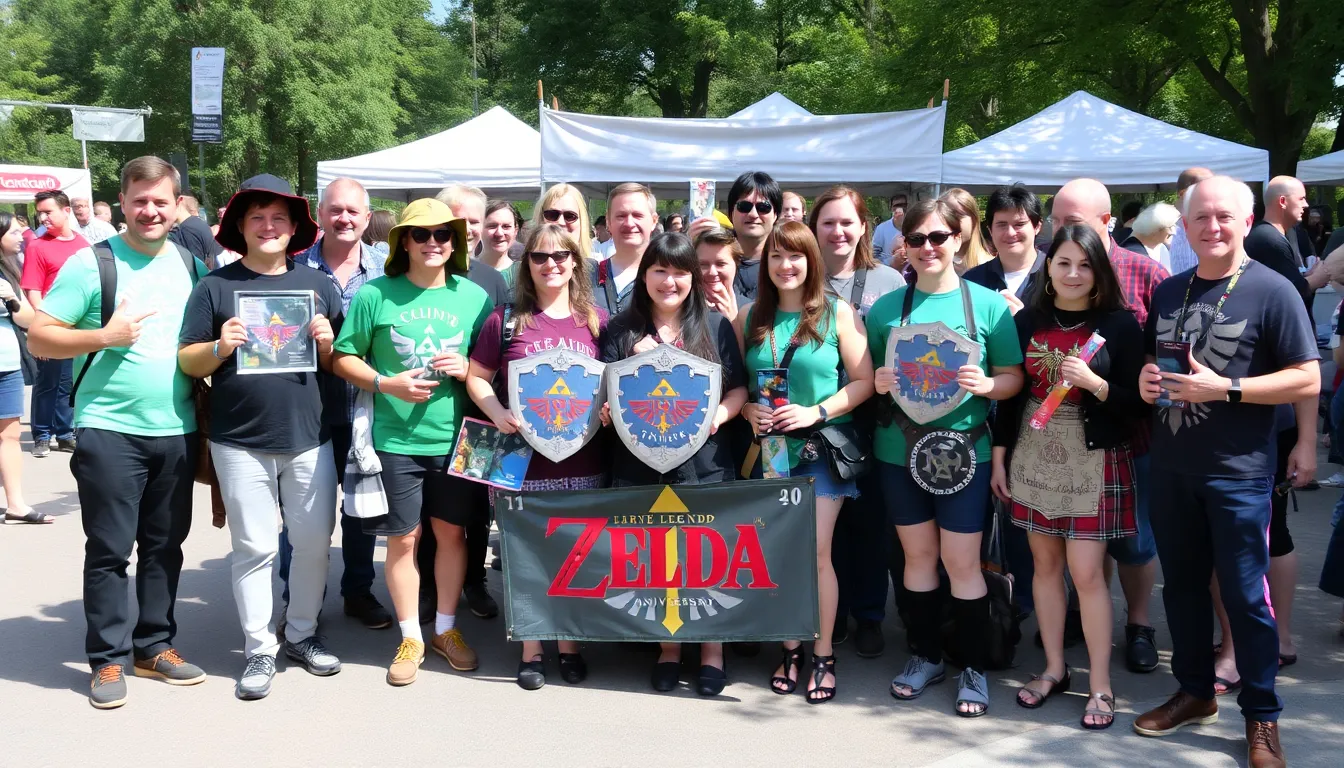
The Legend of Zelda has not only thrived commercially but has also left an indelible mark on popular culture. Its music, characters, and lore have permeated various forms of media, inspiring fan art, music covers, and even academic studies. The series has fostered a dedicated community of fans who celebrate its legacy through conventions, fan theories, and collaborative projects, ensuring that its influence endures as it enters its fourth decade. Similar to how Toy Story has managed to engage its audience over the years.
Key factors contributing to the series’ success
The Legend of Zelda series has captivated audiences for four decades, and its longevity can be attributed to a combination of dedicated stakeholders and evolving industry dynamics. Key actors include Nintendo, the game developers, fans, and the broader gaming community, each with their own interests and motivations.
Nintendo, as the publisher and creator, aims to maintain the franchise’s relevance and profitability. This involves continuous innovation in gameplay and storytelling, which keeps both new and veteran players engaged. The company’s commitment to quality and creativity has led to the development of iconic titles that resonate with diverse audiences.
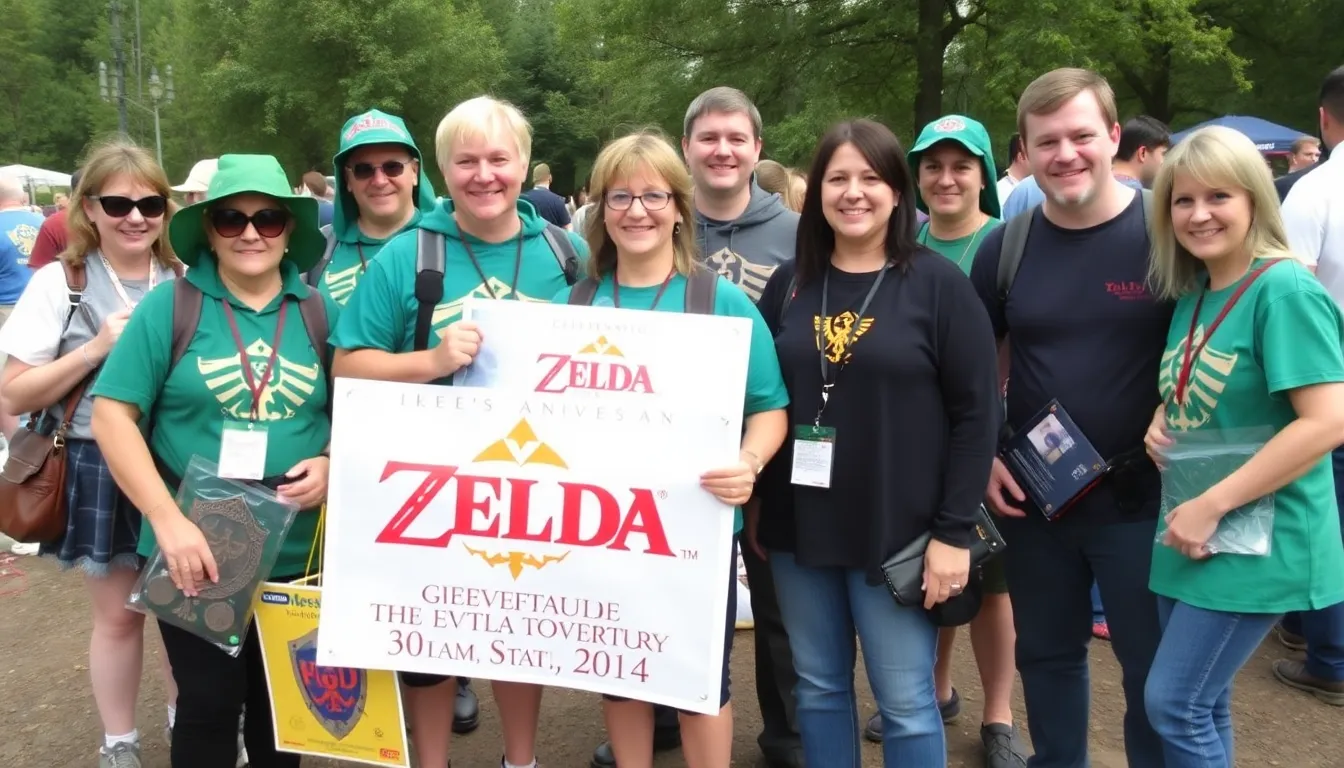
Fans of The Legend of Zelda hold a significant stake in the series’ direction. Their loyalty and passion influence game development through feedback and community engagement. The rise of social media has amplified fan voices, allowing them to express their desires for certain gameplay elements or storylines, which can sometimes lead to conflicts between fan expectations and the creative vision of developers.
- Innovation vs. Tradition: Balancing new gameplay mechanics with beloved classic elements can create tension between maintaining the series’ identity and attracting new players.
- Market Competition: The gaming industry is highly competitive, with numerous franchises vying for attention. Zelda must continually adapt to stay relevant against emerging titles.
- Legal Issues: Intellectual property rights and licensing can pose challenges, especially as fan creations and modifications blur the lines of ownership.
Additionally, the economic landscape surrounding video games has shifted dramatically. The rise of digital distribution and microtransactions has changed how games are marketed and sold. Nintendo’s strategies in adapting to these trends will play a crucial role in the franchise’s future viability.
The influence of The Legend of Zelda on gaming culture
The impact of The Legend of Zelda extends far beyond its dedicated fanbase, affecting various groups, industries, and regions. Gamers of all ages, from nostalgic players who grew up with the series to new fans discovering it for the first time, are all part of the extensive community that celebrates this iconic franchise. Additionally, game developers and publishers are influenced by the innovative gameplay and storytelling methods pioneered by Zelda, inspiring new titles across the industry.
In the short term, the anniversary is likely to spark renewed interest in the series, leading to increased sales of both classic and modern Zelda titles. This resurgence can benefit businesses in the gaming industry, such as retailers, streaming platforms, and merchandise vendors. The event can also drive social media engagement, with fans sharing their experiences and memories, which can enhance community building and brand loyalty.
In the mid-term, the continued relevance of The Legend of Zelda may encourage game developers to invest in similar open-world and adventure genres, potentially shifting industry trends. This could lead to a diversification of gaming experiences, with more titles aimed at exploring rich narratives and immersive worlds. However, there is a risk that the overwhelming nostalgia could overshadow innovation, leading to a market saturated with derivative works instead of fresh ideas.

- Increased sales: Boost in sales for both classic and new titles.
- Community engagement: Enhanced interaction among fans on social media platforms.
- Industry inspiration: Developers may create new games influenced by Zelda’s gameplay mechanics.
- Merchandising opportunities: Growth in merchandise related to the franchise.
Regions with a strong gaming culture, such as North America, Japan, and parts of Europe, are particularly affected by the anniversary celebrations. Local gaming events, conventions, and online discussions can thrive as fans come together to commemorate their love for the series. This cultural phenomenon not only strengthens the gaming community but also has the potential to attract new audiences, expanding the reach of the franchise and its influence on global gaming culture.
A: The Legend of Zelda introduced open-world exploration and puzzle-solving elements that were groundbreaking for its time. It allowed players to navigate a vast world and tackle challenges in a non-linear fashion. A: Over the years, The Legend of Zelda has incorporated new mechanics such as 3D graphics, voice acting, and online multiplayer features, while still maintaining its core essence of exploration and adventure. A: Fans appreciate the rich storytelling, memorable characters, and innovative gameplay that The Legend of Zelda consistently delivers. The nostalgia factor also plays a significant role in keeping the community engaged. A: Some of the most beloved titles include The Legend of Zelda: Ocarina of Time, The Legend of Zelda: Breath of the Wild, and The Legend of Zelda: A Link to the Past, each praised for their unique contributions to the franchise. A: The Legend of Zelda stands out due to its innovative gameplay, deep lore, and consistent quality. It has influenced many other franchises and remains a benchmark for adventure games.
Frequently asked questions about The Legend of Zelda
Looking ahead: The future of The Legend of Zelda
The enduring appeal of The Legend of Zelda series can be attributed to its innovative gameplay, captivating storytelling, and the ability to evolve with the times while staying true to its roots. As the series marks its 40th anniversary, it is clear that the franchise has not only survived but thrived by continuously engaging both new and long-time fans. The future holds exciting possibilities as technology advances and gaming landscapes shift.
As we look forward, several key factors will likely influence the trajectory of The Legend of Zelda. From the integration of new gaming technologies to the exploration of diverse narratives, the series is poised to continue its legacy while adapting to the preferences of a modern audience.
- Embrace of New Technologies: Future titles may leverage advancements in virtual reality and augmented reality to create immersive experiences that draw players deeper into Hyrule.
- Diverse Storytelling: The series could explore more varied narratives and character arcs, reflecting broader themes and perspectives that resonate with a global audience.
- Community Engagement: Continued interaction with the fanbase through events, social media, and user-generated content may strengthen loyalty and foster a sense of community.
- Cross-Platform Potential: Expanding availability on multiple platforms could enhance accessibility, allowing more players to experience the magic of Zelda.
- Sustainability in Game Design: Focusing on environmentally conscious practices in game development may appeal to a growing demographic concerned with sustainability.