


The launchpad test is part of the preparations for the Artemis program, which aims to establish a sustainable human presence on the Moon by the end of the decade. Engineers monitored various systems during the test, including fuel loading and engine performance, to validate the rocket’s readiness for future launches. For more information on NASA’s plans, check out our article on the future of space exploration.
This event is particularly significant as it comes after a series of delays and challenges that the Artemis program has faced over the past few years. With the successful completion of this test, NASA is one step closer to launching the Artemis I mission, which is expected to send an uncrewed Orion spacecraft on a journey around the Moon.
The Artemis program is not only a pivotal moment for NASA but also for international space exploration efforts. By returning humans to the Moon, NASA hopes to pave the way for future missions to Mars and beyond, fostering collaboration with international partners and advancing scientific research, which is essential for realizing the potential of human spaceflight.
Understanding the significance of the Artemis program
The Artemis program represents a pivotal shift in NASA’s approach to space exploration, aiming to return humans to the Moon by 2024 and establish a sustainable presence there by the end of the decade. This initiative is not only about lunar exploration but also serves as a stepping stone for future missions to Mars. The program is named after Artemis, the twin sister of Apollo, symbolizing a new era of exploration that builds on the achievements of the Apollo missions of the 1960s and 1970s.
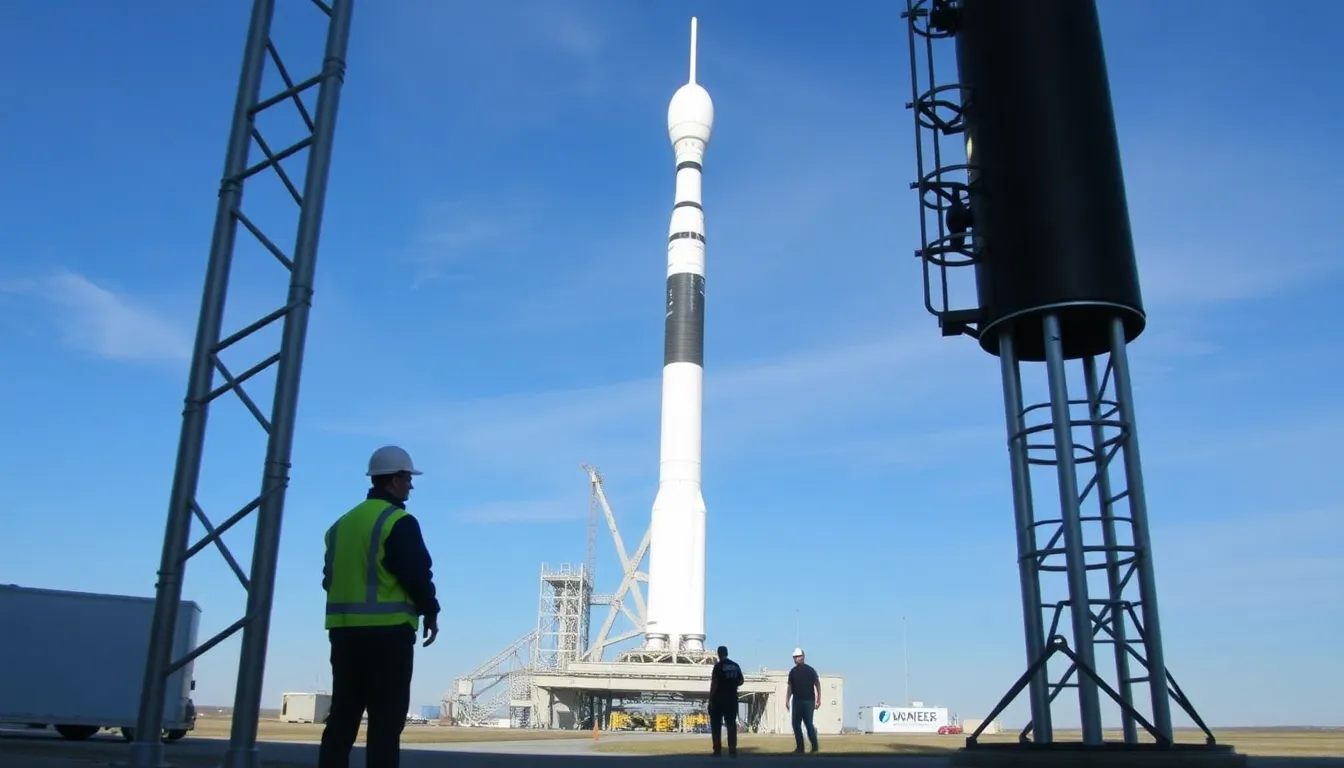
Historically, the Apollo program successfully landed the first humans on the Moon in 1969, marking a significant achievement in human spaceflight and technological advancement. The excitement and national pride generated by these missions inspired generations and set the stage for continued investment in space exploration. However, after Apollo, the focus shifted primarily to low Earth orbit missions, culminating in the construction of the International Space Station (ISS) and the development of various robotic missions to explore the solar system.
The Artemis program has been fueled by a renewed interest in lunar exploration, driven by technological advancements and the potential for scientific discovery. The discovery of water ice at the lunar poles has opened new possibilities for in-situ resource utilization, which could support long-term human presence on the Moon and serve as a launch point for missions to Mars. Moreover, the program is positioned within a broader geopolitical context, as nations like China and Russia ramp up their own lunar ambitions, prompting the U.S. to reaffirm its leadership in space exploration.
Key milestones leading to the launchpad test
Several key milestones have marked the path to the recent launchpad test of the Artemis rocket. The Space Launch System (SLS), the most powerful rocket ever built, was developed as part of the Artemis program, with its first uncrewed mission, Artemis I, successfully launched in late 2021. This mission tested the capabilities of the Orion spacecraft and demonstrated NASA’s readiness to send astronauts back to the Moon. Following this, the Artemis II mission is planned to take astronauts on a lunar flyby, further validating the systems before a lunar landing, similar to past lunar missions.
In addition to technological advancements, the Artemis program has emphasized international collaboration and partnerships with private companies, fostering a new era of space exploration that combines government and commercial efforts. This collaborative approach not only enhances the capabilities and resources available for space missions but also engages a broader audience in the excitement of space exploration.
Key stakeholders and challenges in the Artemis mission
The Artemis mission, spearheaded by NASA, involves a complex web of stakeholders, each with distinct interests and concerns. Key players include NASA, private aerospace companies, international space agencies, and various governmental bodies. Each of these entities plays a crucial role in the mission’s success and faces unique challenges and opportunities.
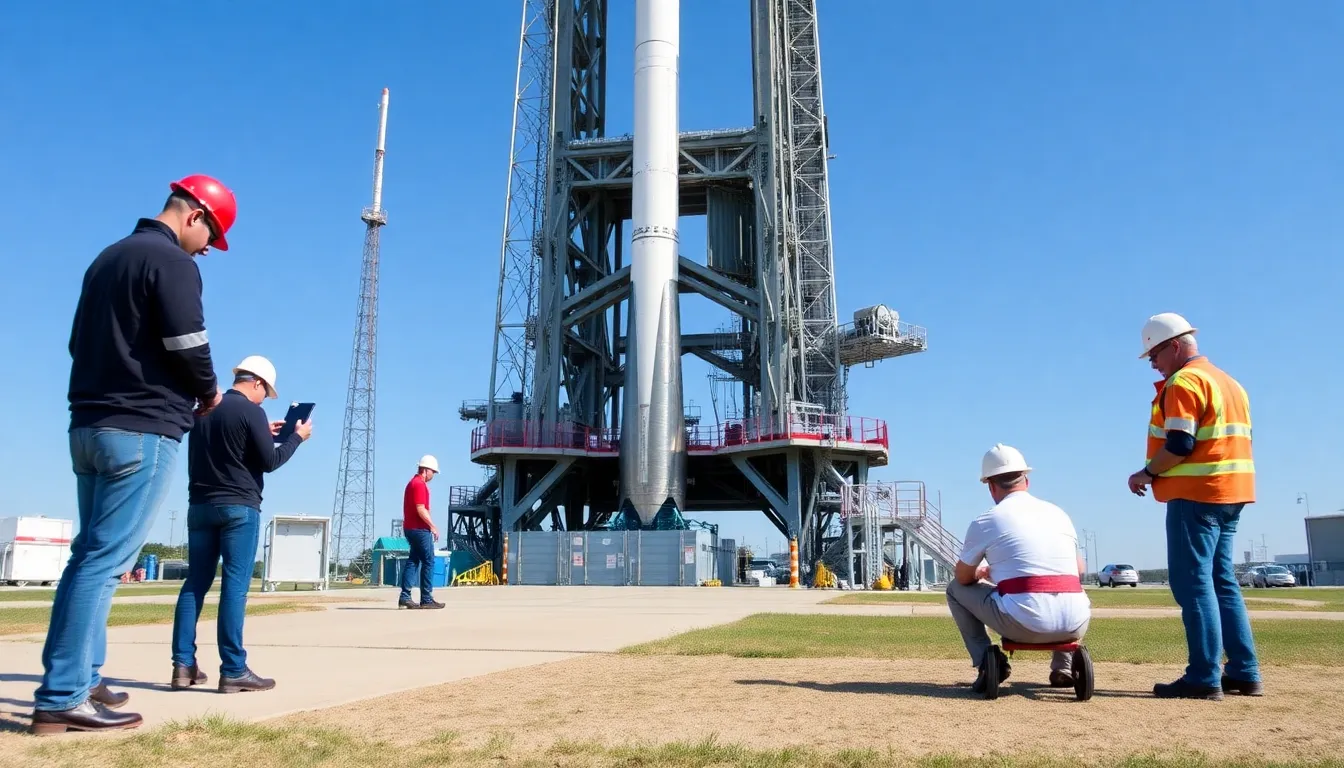
NASA, as the primary organization behind the Artemis program, aims to return humans to the Moon by 2024 and establish a sustainable presence there. This goal aligns with its broader vision of preparing for future Mars missions. However, NASA must navigate budget constraints and political pressures that could impact its timeline and resources.
Private aerospace companies, such as SpaceX and Boeing, are integral to the Artemis program, providing launch services and technology. These companies are motivated by potential contracts and the opportunity to advance their capabilities in space exploration. However, they face competition and the challenge of meeting NASA’s stringent safety and reliability standards.
International space agencies, including the European Space Agency (ESA) and the Canadian Space Agency (CSA), are also stakeholders in the Artemis mission. They contribute technology and expertise while seeking collaborative opportunities that can enhance their own space exploration goals. Conflicts may arise over resource allocation and the sharing of scientific data, necessitating clear agreements and communication.
- Budget constraints: NASA’s funding must be carefully managed to ensure mission success while addressing competing priorities.
- Technological challenges: Developing reliable and safe technology for lunar missions is critical, with potential delays impacting timelines.
- International collaboration: Balancing the interests of various international partners can lead to both opportunities and conflicts.
- Public interest and support: Maintaining public enthusiasm and support for the mission is essential for ongoing funding and political backing.
Potential impacts on space exploration and technology
The recent launchpad test of NASA’s Artemis rocket has far-reaching implications for various groups and industries. Primarily, the aerospace sector is directly impacted, including companies involved in rocket manufacturing, satellite technology, and space exploration. Additionally, educational institutions and research organizations focusing on STEM (science, technology, engineering, and mathematics) will benefit from increased interest and investment in space-related programs.
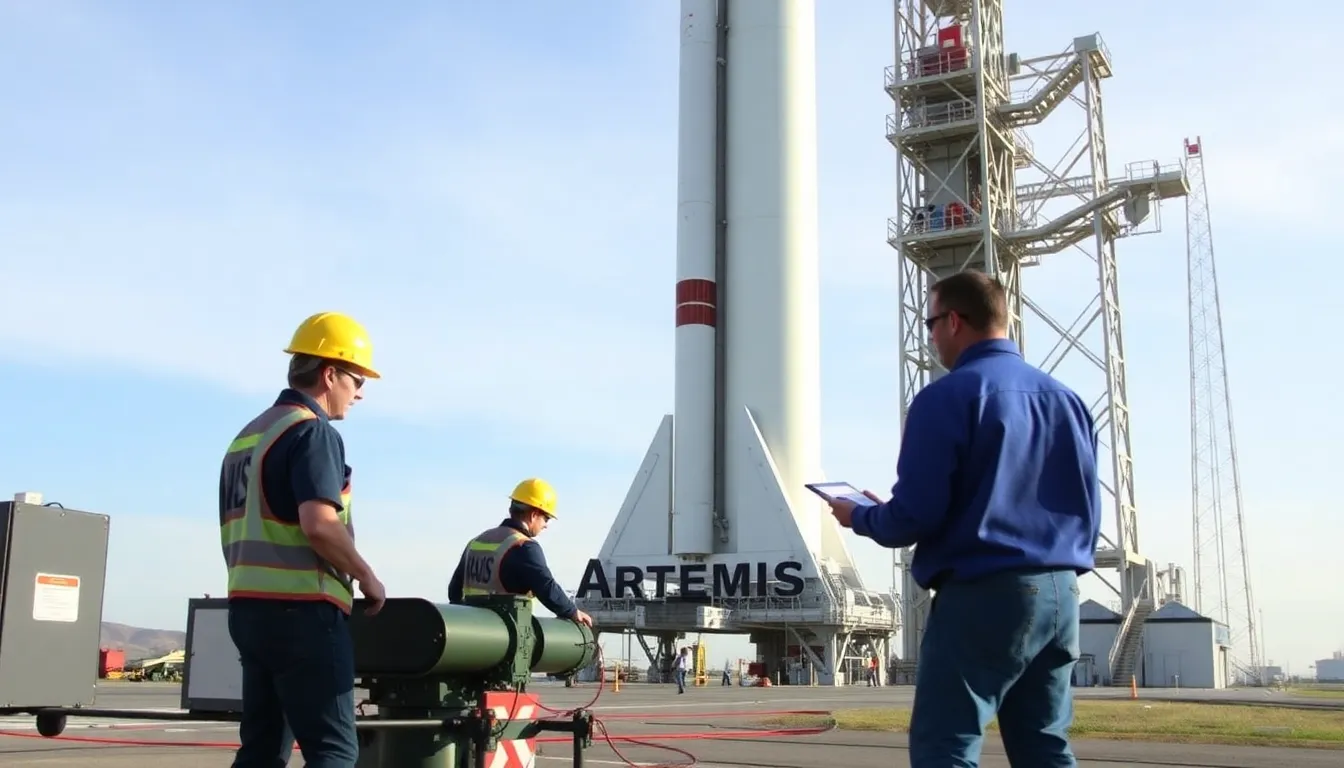
In the short term, local economies surrounding NASA facilities, particularly in Florida and Texas, may experience a boost due to increased tourism and job opportunities related to the Artemis program. Businesses in hospitality, transportation, and retail are likely to see a surge in demand as more visitors flock to witness the historic launches and tests. Furthermore, the heightened visibility of NASA’s efforts can inspire a new generation of engineers and scientists, potentially leading to a workforce skilled in advanced technologies.
Mid-term impacts may include shifts in policy as government agencies prioritize funding for space exploration initiatives. This could lead to new partnerships between public and private sectors, encouraging investment in innovative technologies and infrastructure. Additionally, as space exploration becomes more prominent, there may be increased discussions around regulations concerning space traffic management and planetary protection.
- Risks: The high costs associated with space missions may divert funds from other critical areas such as education and healthcare.
- Opportunities: Advancements in technology developed for the Artemis program could lead to breakthroughs in other industries, such as telecommunications and materials science.
- Community Engagement: Increased public interest in space may foster community programs aimed at promoting STEM education.
Overall, the Artemis rocket’s launchpad test signifies not only a step forward in space exploration but also a catalyst for economic growth and technological advancement across multiple sectors. The ripple effects of this initiative will likely shape the future of space exploration and its integration into everyday life.
A: The Artemis rocket is NASA’s next-generation launch vehicle designed to carry astronauts to the Moon and beyond as part of the Artemis program. A: The launchpad test is crucial as it verifies the rocket’s systems and ensures everything functions correctly before actual launch, reducing risks. A: The first Artemis mission, Artemis I, is planned for late 2023, aiming to send an uncrewed spacecraft around the Moon. A: The Artemis program aims to establish a sustainable human presence on the Moon, which will serve as a stepping stone for future missions to Mars and beyond. A: Key partners include NASA, private aerospace companies, and international space agencies, all collaborating to achieve the program’s goals.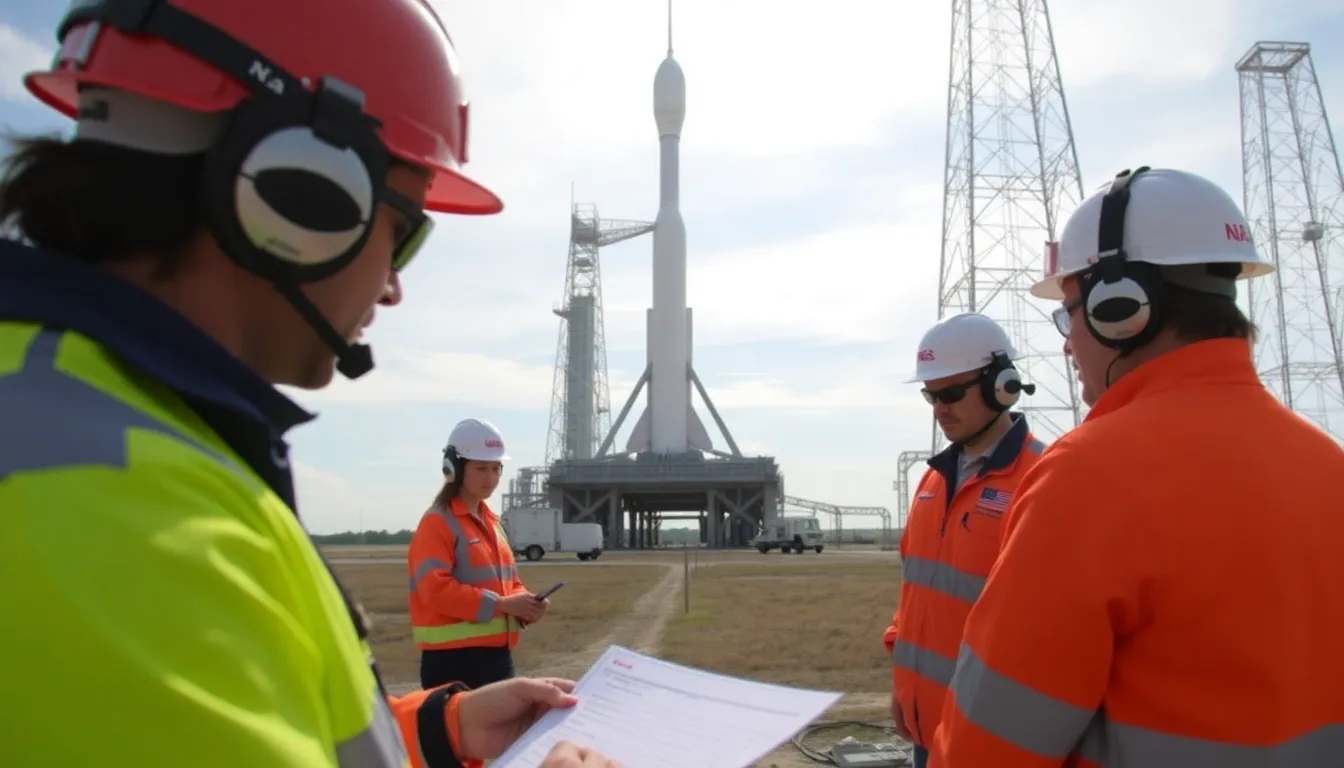
Frequently asked questions about the Artemis rocket test
Future outlook for NASA’s Artemis program
The recent launchpad test of NASA’s Artemis rocket marks a significant milestone in the agency’s ambitious plans for lunar exploration. As preparations ramp up for future missions, this test not only validates the technical capabilities of the Space Launch System (SLS) but also provides critical data that will inform subsequent stages of the Artemis program. The successful execution of this test reinforces NASA’s commitment to returning humans to the Moon, with an eye towards sustainable exploration and eventual missions to Mars.
Moving forward, the implications of this test extend beyond the immediate goals of the Artemis program. Stakeholders in the aerospace industry and international partners will be closely monitoring developments, as the outcomes may influence future collaborations and investments in space exploration. As NASA continues to refine its technology and processes, the potential for groundbreaking advancements in space travel and research becomes increasingly tangible.
- Increased confidence in SLS: The successful launchpad test enhances trust in the rocket’s capabilities, paving the way for future missions.
- Impacts on international partnerships: Other countries may look to collaborate with NASA on lunar and Mars exploration efforts, driven by the progress of Artemis.
- Focus on sustainability: Future missions will likely prioritize sustainable practices, influencing how space exploration is conducted.
- Technological advancements: Innovations developed through the Artemis program could have applications beyond space travel, benefiting various industries on Earth.
- Public interest and support: Continued milestones may bolster public enthusiasm for space exploration, influencing funding and policy decisions.