


Online safety advocates have expressed alarm over Starmer’s approach, arguing that it could undermine efforts to regulate harmful online content. Campaigners are particularly concerned about the influence of big tech firms in shaping policies that affect user safety, with calls for more stringent regulations to protect vulnerable populations, as highlighted in the context of recent political discussions.
As discussions around the Online Safety Bill continue, Starmer’s stance has raised questions about Labour’s commitment to safeguarding digital spaces. Critics argue that appeasing tech giants may lead to a lack of accountability and transparency in how these companies operate, potentially jeopardizing user privacy and security.
The ongoing debate highlights a broader tension between fostering technological advancement and ensuring responsible corporate behavior. With the next general election approaching, how Starmer navigates this issue could significantly impact public perception and voter trust in his leadership.
Understanding the background of online safety regulations
The rise of the internet has transformed communication, commerce, and information sharing, but it has also given rise to significant challenges regarding user safety and privacy. As online platforms have grown in influence, concerns about harmful content, data misuse, and the power of big tech firms have intensified. This backdrop has prompted calls for more stringent online safety regulations, which have become a focal point in political discussions across various nations.

In the UK, the conversation around online safety gained momentum with the emergence of high-profile incidents involving online harassment, misinformation, and the exploitation of vulnerable users. The tragic case of Molly Russell, a teenager who took her own life after viewing harmful content online, highlighted the urgent need for regulatory measures. This incident, among others, led to increased public and political pressure on lawmakers to take action against online harms.
The Regulatory Landscape
The UK government responded to these pressures by proposing the Online Safety Bill, aimed at holding tech companies accountable for the content shared on their platforms. This legislation seeks to establish a regulatory framework that would require companies to take proactive steps in protecting users, particularly children, from harmful material. However, the bill has faced scrutiny and criticism from various stakeholders, including online safety campaigners who argue that it may not go far enough in curbing the influence of big tech firms, as seen in the case of recent high-profile incidents.
As political leaders like Keir Starmer navigate this complex landscape, they must balance the interests of tech companies, which contribute significantly to the economy, with the pressing need for user safety. Critics argue that appeasing big tech could undermine the effectiveness of proposed regulations, potentially leaving users vulnerable to exploitation and harm. This ongoing debate reflects broader tensions between innovation, economic growth, and the protection of individual rights in the digital age.
Ultimately, the evolution of online safety regulations in the UK is not just a matter of legislation; it is a reflection of society’s changing attitudes towards technology and its role in our lives. As the discussion continues, the outcomes will likely shape the future of digital engagement and the responsibilities of those who operate within this space.
Key stakeholders and their perspectives on the issue
The ongoing debate surrounding online safety and the influence of big tech firms has drawn in a variety of stakeholders, each with distinct interests and concerns. At the forefront of this discussion is Keir Starmer, the leader of the UK Labour Party, who is perceived by some as attempting to appease major tech companies in his approach to online safety legislation.
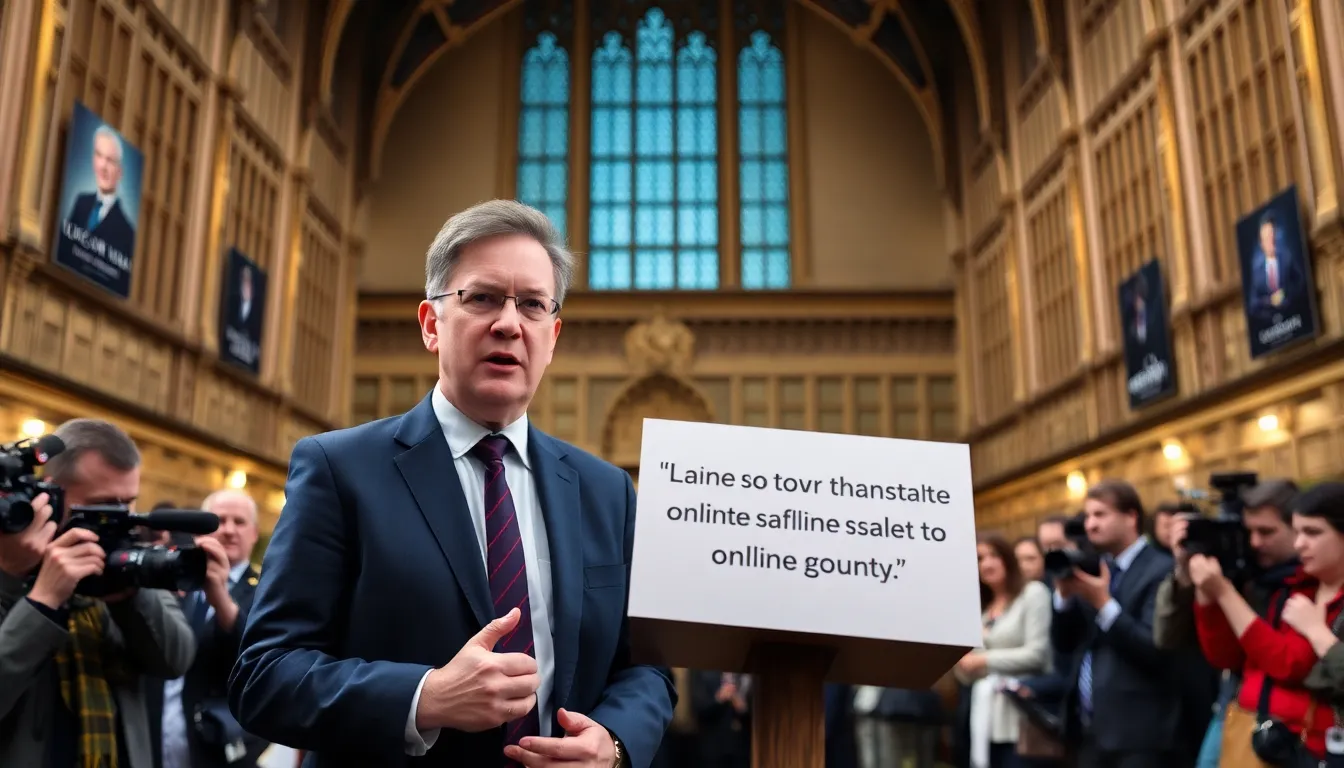
Online safety campaigners, such as those from organizations like the Internet Safety Alliance, argue that Starmer’s stance may undermine efforts to implement stricter regulations that protect users from harmful content. They emphasize the need for robust legislation that holds tech firms accountable for the safety of their platforms.
On the other hand, big tech companies, including giants like Facebook and Google, have a vested interest in minimizing regulatory burdens. They argue that overly stringent regulations could stifle innovation and limit their ability to provide services that benefit users. This creates a tension between the desire for user safety and the economic implications of regulation, much like the challenges faced in the world of sports, such as in the upcoming Texas Tech vs. Arizona matchup.
- Keir Starmer’s Position: Aiming for a balanced approach that considers both user safety and the tech industry’s economic contributions.
- Online Safety Advocates: Urging for comprehensive regulations that prioritize user protection over corporate interests.
- Big Tech Firms: Advocating for lighter regulations to foster innovation and maintain competitive advantage.
- Government Officials: Navigating the complexities of public opinion, economic growth, and international competitiveness in tech regulation.
Legal issues surrounding data protection and user privacy also play a crucial role in this discourse. The General Data Protection Regulation (GDPR) in Europe sets a precedent for how user data should be handled, but its implementation varies across countries, complicating the regulatory landscape for tech firms operating internationally.
Ultimately, the interplay between these stakeholders highlights the broader economic and social implications of online safety legislation. The challenge lies in finding a middle ground that ensures user safety while also fostering an environment conducive to technological advancement.
The potential effects on users and the tech industry
The ongoing discussions surrounding Sir Keir Starmer’s approach to big tech firms have far-reaching implications for various groups, particularly users, tech companies, and policymakers. As online safety concerns rise, the balance between regulation and innovation becomes increasingly delicate.
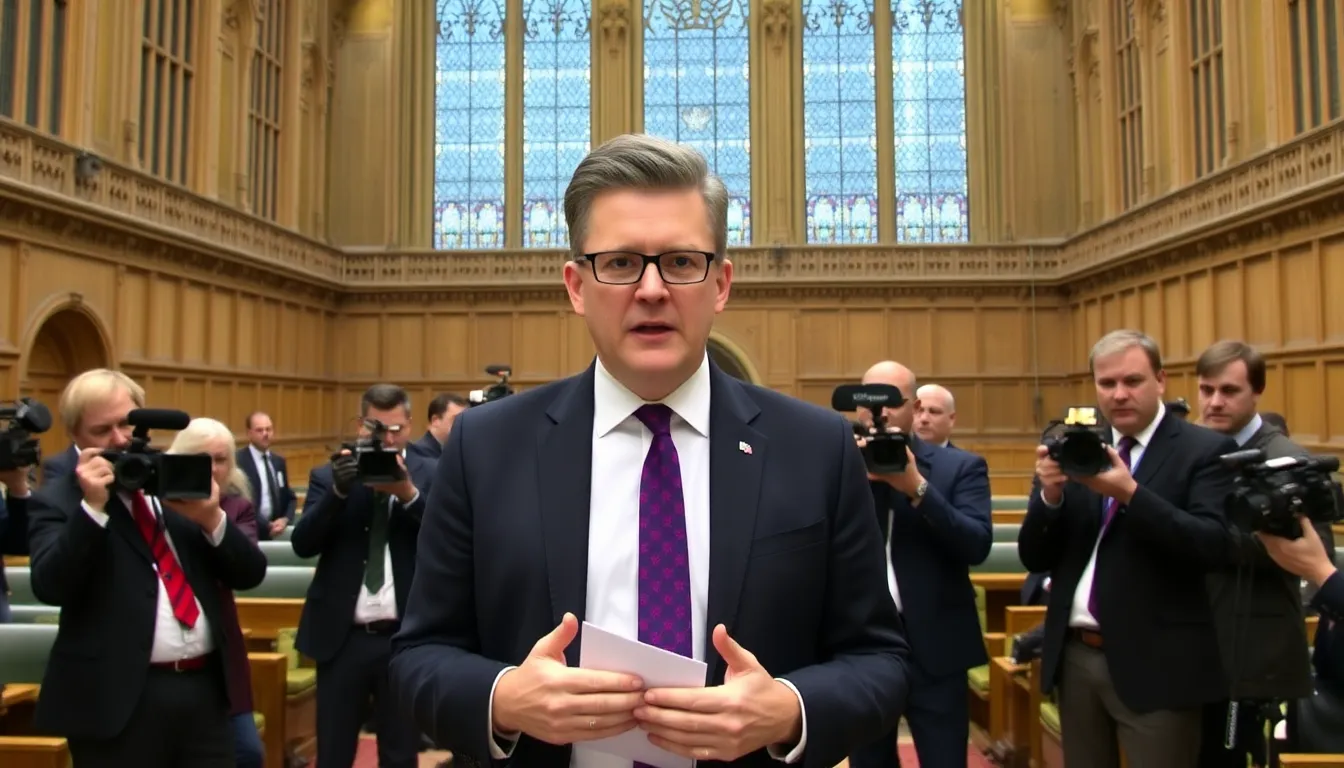
In the short term, users may experience a mixed bag of outcomes. Increased regulation could lead to enhanced protections against online harms, benefiting vulnerable populations such as children and marginalized communities. However, these measures may also result in stricter content moderation, potentially stifling free expression and limiting access to diverse viewpoints.
For the tech industry, particularly startups and smaller firms, the mid-term effects could be significant. While larger companies might adapt more easily to new regulations, smaller players may struggle to comply with increased compliance costs and legal challenges. This could lead to a consolidation of power among major tech firms, reducing competition and innovation.
On a broader scale, the policy landscape may shift towards more stringent regulations, leading to potential opportunities for companies that can navigate this new environment effectively. Businesses that prioritize user safety and data privacy could gain a competitive edge, while those resistant to change may face backlash from both consumers and regulators.
- Users: Enhanced safety measures but potential limitations on free speech.
- Tech Companies: Increased compliance costs, impacting smaller firms more severely.
- Policymakers: A shift towards stricter regulations could redefine the tech landscape.
Ultimately, the interplay between regulatory measures and the tech industry’s response will shape the future of online safety and the digital economy. Stakeholders must remain vigilant as these developments unfold, weighing both the risks and opportunities presented by this evolving landscape.
A: Starmer has proposed policies that some critics believe favor big tech interests over user safety, leading to concerns among campaigners. A: Online safety campaigners and some political opponents have voiced their concerns, arguing that his stance may undermine necessary regulations. A: If big tech firms are not adequately regulated, it could lead to increased risks for users, including data privacy breaches and harmful content. A: Campaigners advocate for stricter regulations that hold tech companies accountable for user safety and promote transparency. A: Public opinion is divided; while some support a more business-friendly approach, many prioritize user safety and accountability.
Frequently asked questions about Starmer and big tech
Looking ahead: implications for online safety and policy
The ongoing dialogue surrounding online safety and the influence of major tech firms is becoming increasingly complex. As Starmer’s approach is scrutinized, the balance between fostering innovation and ensuring user protection will be critical. Stakeholders must consider how policy decisions may shape the digital landscape, particularly in relation to accountability and transparency from tech companies.
As the conversation evolves, it is essential to monitor the responses from both the public and the technology sector. The implications of Starmer’s stance may set precedents for future regulations and influence how online platforms operate in terms of safety measures and user data management.
- Increased scrutiny on tech regulations: Expect more calls for transparency and accountability from tech firms as public sentiment shifts towards prioritizing user safety.
- Potential for new coalitions: Watch for alliances forming between online safety advocates and political leaders to push for stronger regulations.
- Impact on innovation: Consider how stricter regulations might affect technological advancements and the willingness of companies to invest in new solutions.
- Public awareness campaigns: Anticipate a rise in initiatives aimed at educating users about their rights and safety online as a response to policy changes.
- Global implications: Pay attention to how the UK’s approach may influence international standards and practices regarding online safety and tech regulation.