


The court found that Park had conspired with her aides to deploy military forces to suppress protests against her administration, which faced widespread allegations of corruption and mismanagement. The events leading to her impeachment and subsequent removal from office in March 2017 were marked by significant public outcry and mass demonstrations, highlighting the need for accountability in leadership.
This decision is significant not only for its legal implications but also for its potential impact on South Korea’s political landscape. Park’s presidency was marred by scandal, and her conviction may influence public trust in governmental institutions and the military’s role in politics.
The ruling also highlights ongoing tensions in South Korea regarding accountability and the rule of law, as citizens grapple with the legacy of political corruption. As the nation reflects on its democratic principles, Park’s life sentence serves as a stark reminder of the consequences of undermining democratic governance.
Understanding the historical context of martial law in South Korea
South Korea’s tumultuous history with martial law is deeply rooted in its struggle for democracy and political stability. Following the Korean War (1950-1953), the country experienced a series of authoritarian regimes that often resorted to martial law to suppress dissent and maintain control. One of the most significant instances occurred in 1980, when then-President Chun Doo-hwan imposed martial law in response to growing protests against his regime, particularly in the city of Gwangju. This brutal crackdown, which resulted in the Gwangju Uprising, left hundreds dead and marked a pivotal moment in South Korea’s fight for democracy, leading many to advocate for reforms.
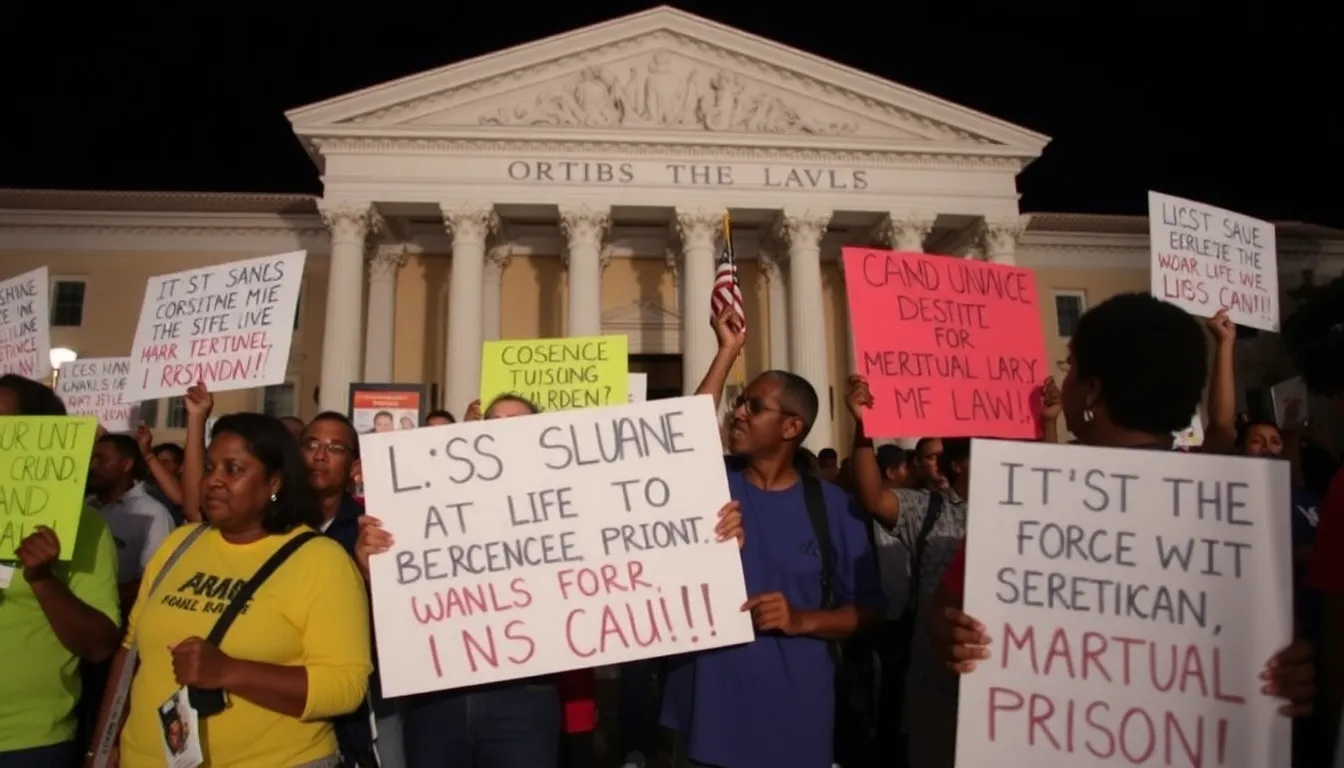
In the years that followed, South Korea gradually transitioned to a democratic government, culminating in the establishment of a civilian-led administration in the late 1980s. However, the legacy of martial law continued to cast a long shadow over the nation, as many citizens remained wary of military influence in politics. The historical wounds from past authoritarian rule have made South Koreans particularly sensitive to any attempts to undermine democratic institutions, making the recent sentencing of former President Park Geun-hye a significant event in this context.
Park Geun-hye, who served as South Korea’s first female president from 2013 until her impeachment in 2017, was convicted of corruption and abuse of power. Her administration was marred by a scandal involving her close confidante, which led to mass protests and ultimately her removal from office. The public’s outrage was not only directed at her actions but also at the perceived threats to the democratic values that had been hard-won following decades of martial law and military rule, pushing citizens to engage more deeply in political discourse.
The legacy of martial law and its impact on contemporary politics
The legacy of martial law continues to shape South Korea’s political landscape. The fear of authoritarianism has fostered a vigilant civil society that actively engages in political discourse and protests against perceived injustices. This environment has made it increasingly difficult for leaders to operate without accountability. As South Korea grapples with its past, the recent life sentence of a former president serves as a reminder of the consequences of political misconduct and the enduring importance of democracy in the nation.
Analyzing the implications of the verdict on South Korean politics
The recent life sentence handed down to South Korea’s former president has sent shockwaves through the political landscape of the nation. This verdict not only addresses past abuses of power but also sets a precedent for accountability among high-ranking officials. Key actors involved include the South Korean government, the judiciary, and civil society organizations advocating for democratic governance.
One of the primary interests of the South Korean government is to restore public trust in its institutions. The ruling against the ex-president signals a commitment to uphold the rule of law and human rights, particularly in light of historical abuses during periods of martial law. This interest aligns with the aspirations of many citizens who demand transparency and justice from their leaders.
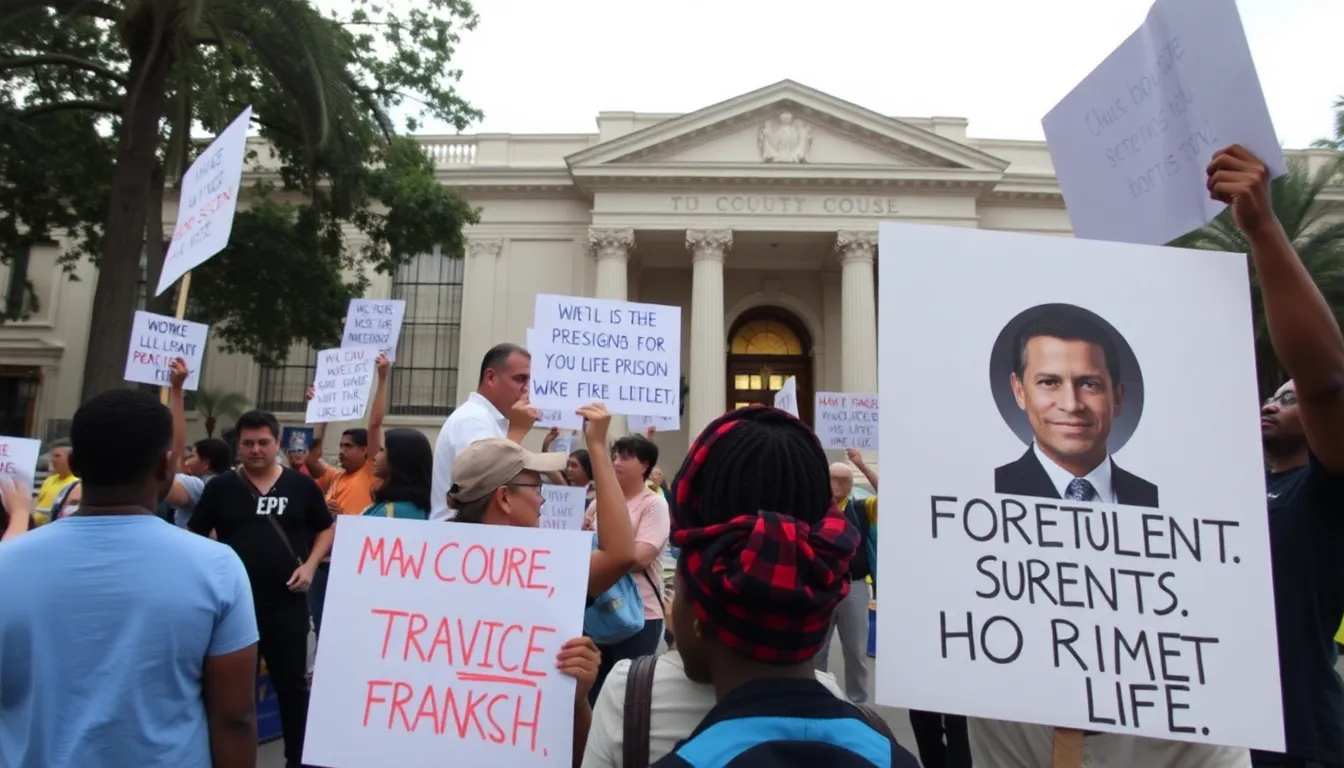
However, the decision has also sparked significant conflict among various stakeholders. Supporters of the former president argue that the ruling is politically motivated and could lead to further polarization within the country. This division raises concerns about the potential for civil unrest and the stability of the current administration, which may face backlash from the ex-president’s loyalists.
- Judicial Independence: The case underscores the importance of an independent judiciary in safeguarding democracy and ensuring that political leaders are held accountable.
- Political Polarization: The ruling may deepen divisions within South Korean society, as differing opinions on the ex-president’s legacy come to the forefront.
- International Relations: How this verdict is perceived internationally could affect South Korea’s diplomatic relationships, particularly with nations that prioritize human rights.
- Future Governance: The outcome may influence the behavior of current and future leaders, potentially deterring similar abuses of power.
Economically, the implications of this verdict may also reverberate throughout the nation. Investors often seek stability and predictability in governance, and the uncertainty surrounding political dynamics may impact economic confidence. Stakeholders in the business community will be closely monitoring the situation as it develops, weighing the potential risks and opportunities that arise from a politically charged environment.
Impact of the ruling on citizens and political landscape
The life sentence of South Korea’s ex-president has far-reaching implications for various groups within the country. Citizens are likely to feel a renewed sense of political engagement, as the ruling emphasizes the importance of accountability in leadership. This case could mobilize civic groups advocating for democratic governance and human rights, potentially leading to increased public demonstrations and discussions around political reform.
Industries related to political consultancy and legal services may experience a short-term boost as citizens and organizations seek advice on navigating the changing political landscape. Furthermore, media outlets could see an uptick in viewership and readership as the public becomes more interested in political affairs and the implications of the ruling on future elections and governance.
In the mid-term, the ruling may lead to shifts in policy and governance as new leaders emerge, influenced by the public’s demand for transparency and accountability. This could result in stricter regulations on political conduct and increased oversight of government actions, impacting the way businesses operate, particularly those with ties to political figures.
- Citizens: Increased political engagement and activism.
- Businesses: Potential changes in regulatory environment affecting operations.
- Media: Higher demand for political news and analysis.
- Civic Groups: Growth in advocacy for democratic reforms.
However, there are risks associated with this ruling. The potential for political polarization may increase as different factions react to the verdict. Additionally, businesses may face uncertainty if new policies disrupt established practices, leading to hesitance in investment and growth in certain sectors. Conversely, this environment could also present opportunities for companies focused on compliance, advocacy, and public relations to capitalize on the changing dynamics.
A: The ex-president was charged with attempting to impose martial law during a political crisis, which is seen as a severe violation of democratic principles. A: This ruling is significant as it underscores the judiciary’s role in upholding democratic values and may deter future abuses of power. A: The public reaction has been mixed, with some praising the decision as a victory for justice, while others express concern over political polarization. A: The ex-president has the option to appeal the verdict, which could prolong the legal proceedings. A: This case is part of a broader pattern of political scandals in South Korea, highlighting ongoing struggles with corruption and governance.
Frequently Asked Questions about the case
Key takeaways and future implications of the ruling
The life sentence handed to South Korea’s former president underscores the nation’s commitment to upholding democratic principles and accountability for past abuses of power. This ruling not only serves as a significant moment in South Korea’s political landscape but also reflects a broader global trend of addressing historical injustices. The implications of this decision will likely resonate beyond the courtroom, influencing public sentiment and political discourse in the country.
As South Korea navigates its path forward, it is essential to observe how this ruling may affect future governance, the political landscape, and civil society’s engagement with democracy. The precedent set by this case could encourage further scrutiny of political leaders and their actions, fostering a more transparent and accountable political environment.
- The ruling may inspire increased civic activism and public demand for accountability in government.
- Future political candidates might face heightened scrutiny regarding their past actions and policies.
- This case could lead to discussions on reforming laws related to political misconduct and abuse of power.
- The international community may view South Korea as a model for addressing historical political injustices.
- Watch for potential impacts on South Korea’s relations with other nations as it reinforces its democratic values.