


The closure is set for April 30, 2026, marking the end of a gaming experience that aimed to bring the popular battle royale format to mobile devices. Players have expressed mixed feelings about the shutdown, with some appreciating the memories created while others lament the loss of a competitive platform. For more insights into the emotional impact of game shutdowns, you can read about MIO Memories in Orbit. The game’s community has been active in discussions about the implications of this closure.
Activision has not disclosed specific reasons behind the decision, but industry analysts suggest it may be related to declining player engagement and the increasing costs of maintaining servers. As mobile gaming continues to evolve, many developers are reassessing their offerings, leading to a wave of similar announcements across the industry.
This shutdown follows a trend seen in various gaming sectors, where companies are prioritizing resources towards more profitable and sustainable projects. As the gaming landscape shifts, players are left to consider their options and the future of mobile gaming experiences.

Understanding the background of Warzone Mobile
Launched in March 2022, Call of Duty: Warzone Mobile was part of a broader strategy by Activision to expand its popular franchise into the mobile gaming market. The mobile version aimed to capture the same intense gameplay and community engagement that made the console and PC versions of Warzone a global phenomenon. However, if you’re interested in the latest trends in gaming adaptations, you might want to check out Upcoming Xbox Game Pass Games. However, the transition to mobile gaming comes with its unique set of challenges, including competition from established mobile titles and the need for constant updates to keep players engaged.
Historically, the mobile gaming industry has seen explosive growth, with revenues surpassing those of traditional gaming platforms. This trend prompted major gaming companies to invest heavily in mobile adaptations of their popular franchises. Activision’s decision to enter the mobile arena was not just about tapping into a lucrative market, but also about reaching a broader audience, particularly younger players who prefer gaming on their smartphones.
Despite the initial excitement surrounding Warzone Mobile, the game faced significant hurdles. Players reported issues ranging from connectivity problems to imbalances in gameplay, which led to frustration within the community. Additionally, as the mobile gaming landscape evolved, newer games emerged, drawing players away from Warzone Mobile. This shift in player interest, combined with the high operational costs associated with maintaining servers and providing regular updates, ultimately led to the decision to shut down the servers in April 2026.
Key milestones in Warzone Mobile’s journey
Throughout its lifecycle, Warzone Mobile saw several key milestones that marked its development and challenges. The game’s initial launch was met with a strong player base, quickly amassing millions of downloads. However, subsequent updates aimed at improving gameplay often led to mixed reactions, highlighting the difficulty of balancing player expectations with technical limitations. The announcement of the server shutdown in 2026 serves as a poignant reminder of the volatile nature of the mobile gaming industry, where even the most promising titles can struggle to maintain longevity.
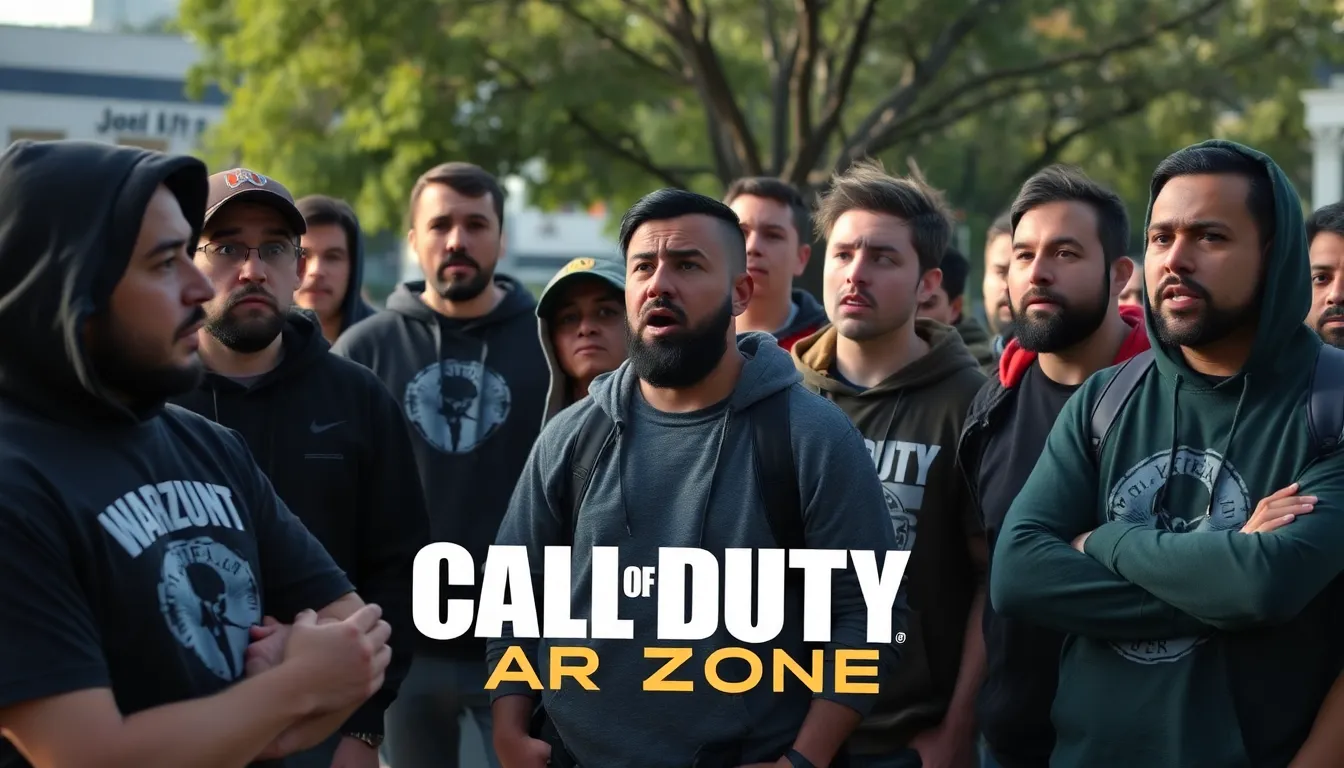
Key stakeholders and issues surrounding the shutdown
The announcement of the shutdown of Call of Duty: Warzone Mobile servers in April 2026 has significant implications for various stakeholders. The primary actors involved include game developers, players, and the broader gaming community, as well as regulatory bodies and investors.
Game developers, particularly those at Activision Blizzard, are focused on the financial viability and resource allocation for their projects. As mobile gaming continues to expand, the decision to discontinue Warzone Mobile may reflect a strategic pivot towards more profitable ventures or newer titles. This shift raises questions about the sustainability of mobile gaming franchises and their long-term engagement with players, especially as seen in the controversy surrounding classic adaptations.
Players, particularly those who have invested time and money into Warzone Mobile, are understandably concerned about the loss of access to their favorite game. The shutdown may lead to feelings of frustration and disappointment within the community, as many players have formed social connections and invested emotionally in the game. Additionally, the potential for loss of in-game purchases and achievements adds a layer of economic concern for users.
- Economic Issues: The financial impact on both players and developers, including the potential loss of revenue from in-game purchases.
- Legal Considerations: Potential disputes over user agreements and the handling of digital assets upon shutdown.
- Community Response: The reaction from the gaming community, including calls for better communication and transparency from developers.
- Market Dynamics: How the shutdown might influence competition in the mobile gaming market and the future direction of similar games.
Regulatory bodies may also play a role, especially if the shutdown raises concerns about consumer rights and digital ownership. As the gaming landscape evolves, the legal frameworks governing digital products will need to adapt to ensure fair treatment of consumers and developers alike. The interplay between these stakeholders will shape the future of mobile gaming and its economic landscape.

Impact on players and the mobile gaming market
The decision to shut down the servers for Call of Duty: Warzone Mobile in April 2026 will significantly affect various groups, particularly dedicated players and the broader mobile gaming community. Gamers who have invested time and money into the game will feel the immediate impact, as they will lose access to a popular title that has become a staple in their daily gaming routines.
In addition to players, the mobile gaming industry as a whole will experience repercussions. Developers and publishers may need to reassess their strategies in response to a market shift, as the closure of a major title could lead to a decline in mobile gaming engagement. This may particularly affect regions where mobile gaming is a primary form of entertainment.
- Short-term impacts: Players will need to find alternative games, potentially leading to a temporary drop in mobile gaming engagement.
- Mid-term impacts: Developers may pivot towards creating new titles or enhancing existing ones to fill the void left by Warzone Mobile.
- Business risks: Companies relying on in-game purchases and microtransactions may see a decline in revenue.
- Opportunities: New games can capitalize on the player base looking for alternatives, fostering innovation in the mobile gaming sector.
Furthermore, the shutdown could influence policy discussions around digital ownership and the longevity of online games. As players voice their concerns over losing access to purchased content, industry stakeholders may feel pressured to advocate for better consumer protections, potentially reshaping the landscape of mobile gaming regulations.
A: The decision to shut down the servers is due to a combination of factors, including declining player engagement and the need to allocate resources to newer titles. A: The servers for Call of Duty Warzone Mobile are scheduled to shut down on April 30, 2026. A: Unfortunately, there will be no option to transfer progress or purchases to another game, as the servers will be completely shut down. A: Players will no longer be able to make in-game purchases after the shutdown announcement, and any remaining currency will be rendered unusable. A: While there are no official announcements regarding a direct replacement, the franchise continues to evolve with new titles for other platforms.
Frequently asked questions about the server shutdown
Looking ahead after the shutdown of Warzone Mobile
The impending shutdown of Call of Duty: Warzone Mobile in April 2026 marks a significant shift in the mobile gaming landscape. As the game transitions away from active service, players and developers alike will need to adapt to this new reality. The closure not only reflects the challenges of sustaining a mobile title in a competitive environment but also highlights the evolving preferences of gamers who may seek new experiences in the ever-expanding world of mobile gaming.
As the industry moves forward, the end of Warzone Mobile may open doors for new opportunities, both for players looking for alternatives and for developers aiming to fill the void left by the game. Observing how the community reacts and what new trends emerge will be crucial in understanding the future of mobile gaming.
- Player Migration: Watch for how former Warzone Mobile players transition to other games, potentially influencing the success of emerging titles.
- New Game Development: Developers may capitalize on the closure by launching similar or innovative mobile battle royale experiences.
- Community Engagement: The closure could lead to increased community discussions and movements, shaping the future of mobile gaming culture.
- Market Trends: Keep an eye on market trends as the mobile gaming sector evolves, particularly in response to player demand for new content.
- Legacy Impact: Consider the long-term impact of Warzone Mobile’s gameplay mechanics and community dynamics on future mobile games.