


The slowdown in sales is attributed to a combination of factors, including a saturated market, rising competition from both domestic and international brands, and changing consumer preferences. For instance, Tesla, which has long dominated the E.V. sector, is facing intensified competition from local players such as BYD and Li Auto, who are rapidly expanding their offerings and market share. This competition is important to monitor as it influences various stakeholders in the market.
Moreover, government policies aimed at promoting electric vehicles are evolving, with recent adjustments to subsidies and incentives that could impact consumer purchasing decisions. As of September 2023, the Chinese government announced plans to phase out certain subsidies, which may lead to a decline in sales as buyers adjust to the new pricing landscape.
Industry analysts are closely monitoring these developments, as they could have far-reaching implications for the global E.V. market. The shifts in China’s market dynamics not only affect local manufacturers but also influence international companies looking to expand their presence in one of the world’s largest automotive markets.
Background of China’s E.V. Market Growth
China’s electric vehicle (E.V.) market has experienced rapid growth over the past decade, driven by a combination of government policy, technological advancements, and increasing consumer demand for sustainable transportation. The Chinese government recognized the potential of the E.V. sector early on, implementing a series of incentives and subsidies to promote the adoption of electric vehicles as a means to combat pollution and reduce reliance on fossil fuels.
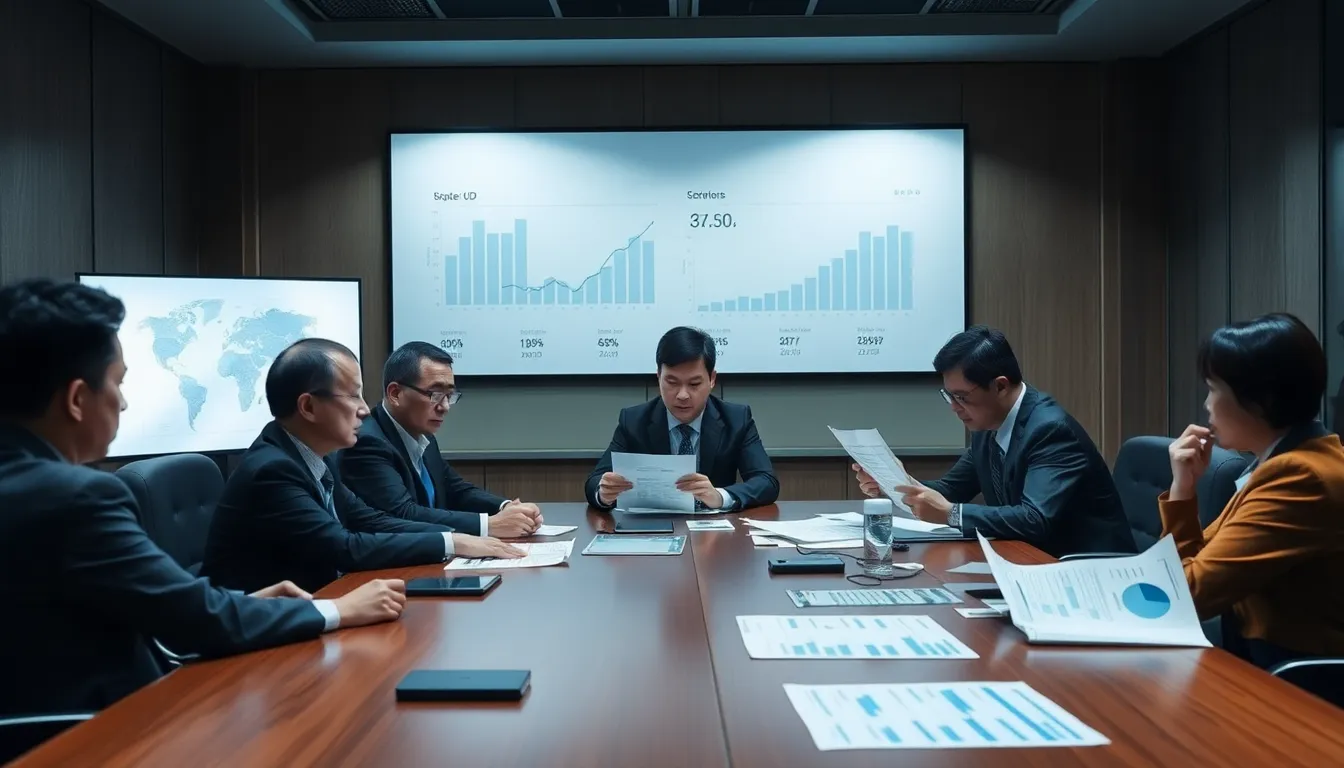
In 2010, the Chinese government launched the “Ten Cities, Thousand Vehicles” program, which aimed to promote the use of electric vehicles in major cities. This initiative marked a significant milestone in the development of the E.V. market, providing substantial financial support for manufacturers and consumers alike. As a case in point, domestic companies like BYD, NIO, and Xpeng began to emerge, capitalizing on the supportive regulatory environment and growing consumer interest in sustainable transportation.
Over the years, China’s E.V. market has also benefitted from advancements in battery technology, which have improved the range and affordability of electric vehicles. The establishment of a robust supply chain for lithium-ion batteries, coupled with a focus on research and development, has positioned China as a global leader in E.V. production. By 2020, China accounted for over half of the world’s electric vehicle sales, solidifying its status as a powerhouse in the automotive industry.
Political and Economic Factors Influencing E.V. Adoption
The political landscape in China has played a crucial role in shaping the E.V. market. The government’s commitment to reducing carbon emissions and promoting green technology aligns with its broader economic goals of transitioning to a more sustainable growth model. However, recent economic challenges, such as slowing sales and stock market fluctuations, have raised questions about the long-term viability of this growth trajectory. As the market matures, manufacturers are facing increased competition, both domestically and internationally, which has led to a reassessment of strategies and business models.
Key Stakeholders and Issues Affecting the Market
The electric vehicle (E.V.) market in China is influenced by a variety of stakeholders, each with distinct interests and objectives. Key players include domestic manufacturers, foreign automakers, government regulators, and consumers, all of whom are navigating a rapidly evolving landscape characterized by technological advancements and shifting market dynamics.
Domestic manufacturers, such as BYD and NIO, are vying for market dominance and are heavily invested in innovation and production capacity. Their interests lie in expanding their market share and establishing brand loyalty among consumers. However, they face intense competition not only from each other but also from established foreign brands like Tesla, which are looking to capture a slice of the burgeoning Chinese E.V. market.
Foreign automakers have a vested interest in China due to its status as the largest E.V. market globally. They are navigating complex regulatory landscapes and trade policies that can impact their operations. Additionally, the recent stock slide among these companies raises concerns about profitability and market confidence, creating potential conflicts with investors and shareholders.
- Government Regulations: The Chinese government plays a crucial role in shaping the E.V. landscape through incentives, subsidies, and strict emissions regulations, which can affect both domestic and foreign manufacturers.
- Consumer Preferences: Shifting consumer attitudes towards sustainability and technology adoption influence market trends and the types of vehicles that gain popularity.
- Supply Chain Issues: Global supply chain disruptions, particularly in semiconductor availability, pose significant challenges for manufacturers aiming to meet production targets.
- Investment Climate: The current economic environment, including slow sales and stock performance, raises questions about future investments in the E.V. sector.
These factors create a complex web of trade-offs and conflicts among stakeholders. For instance, while government incentives can boost sales, they may also lead to market oversaturation and increased competition among manufacturers. Additionally, as companies strive to innovate and reduce costs, they may face ethical considerations regarding labor practices and environmental impacts, further complicating their operational strategies.
Who is Affected by the Market Changes?
The recent stock slide and slow sales in China’s electric vehicle (E.V.) market have far-reaching implications for various stakeholders. Consumers, manufacturers, and investors are among the primary groups feeling the impact of these market fluctuations. Additionally, government policies aimed at promoting E.V. adoption may also face scrutiny and reevaluation in light of these developments.
In the short term, consumers may experience a slowdown in new E.V. releases and a potential decrease in available incentives for purchasing electric vehicles. This could lead to a sense of uncertainty among potential buyers, who may delay their purchases, opting instead for traditional gasoline vehicles. For manufacturers, declining sales figures can result in reduced production rates, layoffs, and a reevaluation of their market strategies.
Mid-term impacts could extend to the broader automotive industry, with suppliers and ancillary services also feeling the strain. A prolonged downturn may lead to increased competition among manufacturers, pushing some companies to innovate more aggressively. This could create opportunities for those who adapt quickly, particularly in the areas of battery technology and sustainable manufacturing practices.

- Risks: Job losses in the E.V. sector, reduced consumer confidence, and potential disruptions in supply chains.
- Opportunities: Increased investment in R&D, potential market consolidation, and a shift towards more competitive pricing strategies.
Regions heavily invested in E.V. production, such as Shanghai and Shenzhen, may see localized economic impacts, affecting everything from employment rates to local business revenues. Policymakers may also need to reassess their support for the industry, which could lead to changes in subsidies and incentives designed to encourage E.V. adoption.
A: The stock slide is primarily attributed to declining sales figures, increased competition, and regulatory changes impacting the industry. A: Consumers are becoming more cautious, leading to reduced demand as they await better pricing and improved product offerings. A: Foreign investors are reassessing their strategies, as the volatility in the market raises concerns about long-term profitability. A: While there are challenges, some analysts believe that innovation and government support could lead to a gradual recovery. A: Government policies play a crucial role in shaping the market by providing incentives for consumers and manufacturers, which can either boost or hinder growth.
Frequently Asked Questions about China’s E.V. Market
Insights and Future Outlook for the E.V. Market
The recent decline in stock prices and sluggish sales within China’s electric vehicle (E.V.) market reflect broader economic challenges and shifting consumer preferences. As manufacturers grapple with these obstacles, understanding the underlying factors will be crucial for stakeholders aiming to navigate this evolving landscape. The interplay between government policies, technological advancements, and consumer sentiment will be key in determining the future trajectory of the E.V. sector.
Looking ahead, it is essential for industry players to adapt to changing market dynamics. The current situation presents both challenges and opportunities that could reshape the competitive landscape in the coming years.
- Monitor Policy Changes: Keep an eye on government incentives and regulations that could influence E.V. adoption rates.
- Consumer Preferences: Pay attention to shifts in consumer attitudes towards E.V.s, particularly regarding price sensitivity and brand loyalty.
- Technological Innovations: Watch for advancements in battery technology and charging infrastructure that could enhance the appeal of E.V.s.
- Global Supply Chain Dynamics: Consider the impact of global supply chain challenges on production capabilities and costs for E.V. manufacturers.
- Market Competition: Analyze how traditional automakers and new entrants are positioning themselves in the E.V. market amidst changing conditions.