


Key stakeholders, including teams, manufacturers, and the FIA, are actively engaged in discussions to finalize the technical specifications that will govern the new era. With major automotive manufacturers like Audi and Porsche expected to enter the fray, the dynamics of competition could shift dramatically. These developments are not only crucial for the teams but also for attracting a broader audience and maintaining the sport’s relevance in an increasingly eco-conscious world. For further insights on how these changes impact modern practices, check out our article on current trends in inside health.
The 2026 season will also see the introduction of new race formats and potential changes to the calendar, which could further influence team strategies and fan engagement. As teams prepare for this transition, the ongoing preparations for the 2024 and 2025 seasons will serve as a critical testing ground for innovations that could be pivotal in the new regulations. The anticipation surrounding these changes highlights the importance of adaptability in a sport that thrives on technological evolution. You can read more about how adaptability plays a role in different sectors in our article on Hollywood studios’ response to AI technology.
In summary, the lead-up to 2026 is characterized by a blend of excitement and uncertainty as F1 seeks to balance tradition with innovation. The decisions made in the coming months will not only shape the future of the sport but also determine how it responds to the challenges posed by a rapidly changing automotive landscape and shifting fan expectations.
The background of changes leading to the new era in F1
Formula 1 has undergone significant transformations over the decades, evolving from a niche motorsport into a global phenomenon. This shift has been driven by various factors, including technological advancements, changing audience expectations, and the increasing importance of sustainability in sports. As we approach 2026, a new era in F1 is set to begin, marked by a series of regulatory changes and innovations aimed at enhancing the sport’s competitiveness and environmental responsibility.
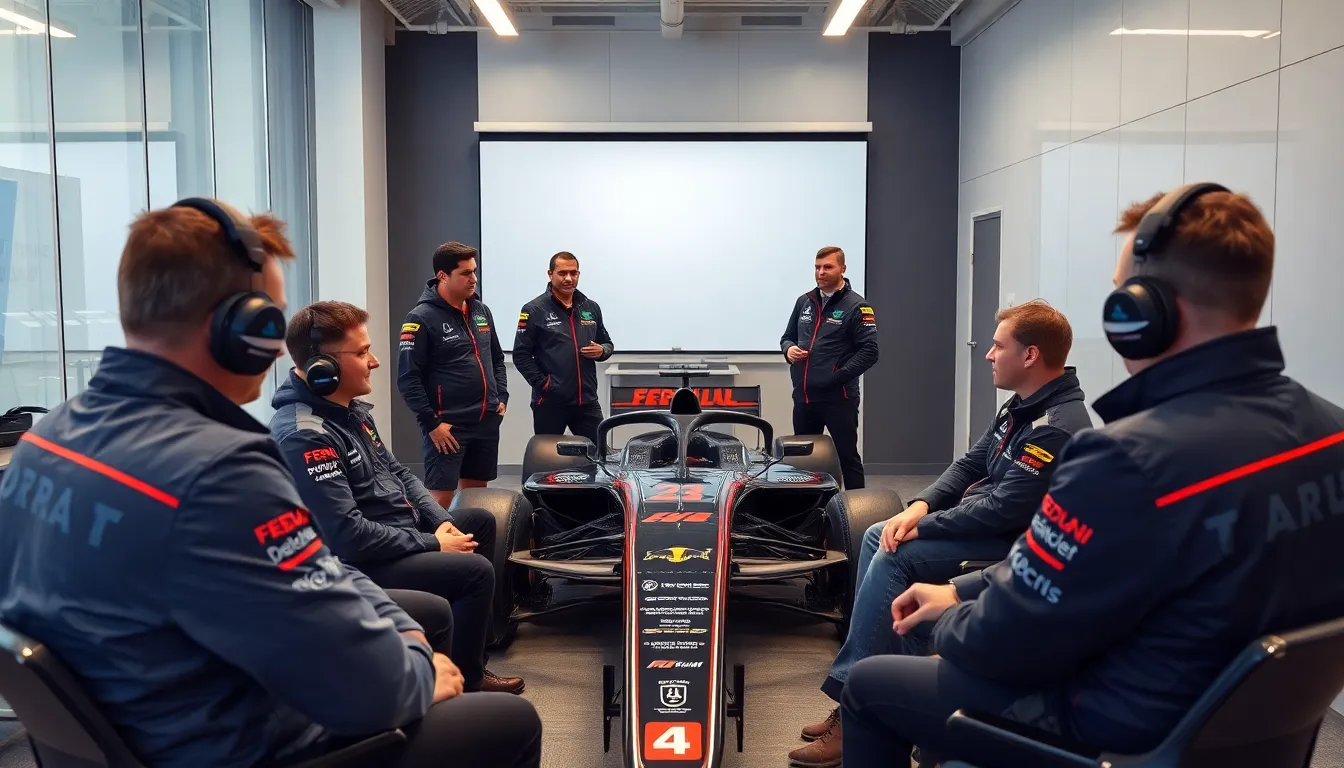
Historically, F1 has been characterized by its rapid technological evolution, with teams constantly pushing the boundaries of engineering. However, this relentless pursuit has often led to escalating costs, making it challenging for smaller teams to compete. In response, the FIA introduced cost cap regulations in 2021, aiming to level the playing field and promote a more equitable competition. This foundational change has set the stage for the developments we anticipate in 2026, which echoes similar regulatory shifts seen in sports for sustainability and fairness.
The shift towards sustainability
In recent years, the pressure for more sustainable practices has intensified, reflecting broader societal concerns about climate change. F1 has committed to becoming a net-zero carbon sport by 2030, and the introduction of hybrid engines in 2014 was a significant step in this direction. The 2026 regulations will further this commitment, with a focus on fully sustainable fuels and enhanced hybrid technology, which will not only reduce the sport’s environmental impact but also attract a new generation of fans who prioritize sustainability.
Moreover, the political landscape surrounding motorsport has shifted, with various countries implementing stricter emissions regulations. This has compelled F1 to adapt and innovate, ensuring that it remains relevant and compliant with global standards. The 2026 season promises to bring a new level of excitement, as teams will not only compete for victory on the track but also for leadership in sustainable automotive technology.
As we look forward to 2026, the combination of cost control measures, technological innovation, and sustainability initiatives will define the next chapter of F1. These changes are not merely reactive; they represent a proactive approach to ensuring the sport’s longevity and relevance in a rapidly changing world. The anticipation surrounding these developments highlights the significance of this new era, as fans and stakeholders alike prepare for an exhilarating and transformative future in Formula 1.
Key stakeholders and issues shaping the future of F1
As Formula 1 enters a new era in 2026, several key stakeholders are poised to influence the direction of the sport. These include the teams, the FIA (Fédération Internationale de l’Automobile), sponsors, and the fans. Each of these groups has distinct interests that will shape the narrative of F1 moving forward.
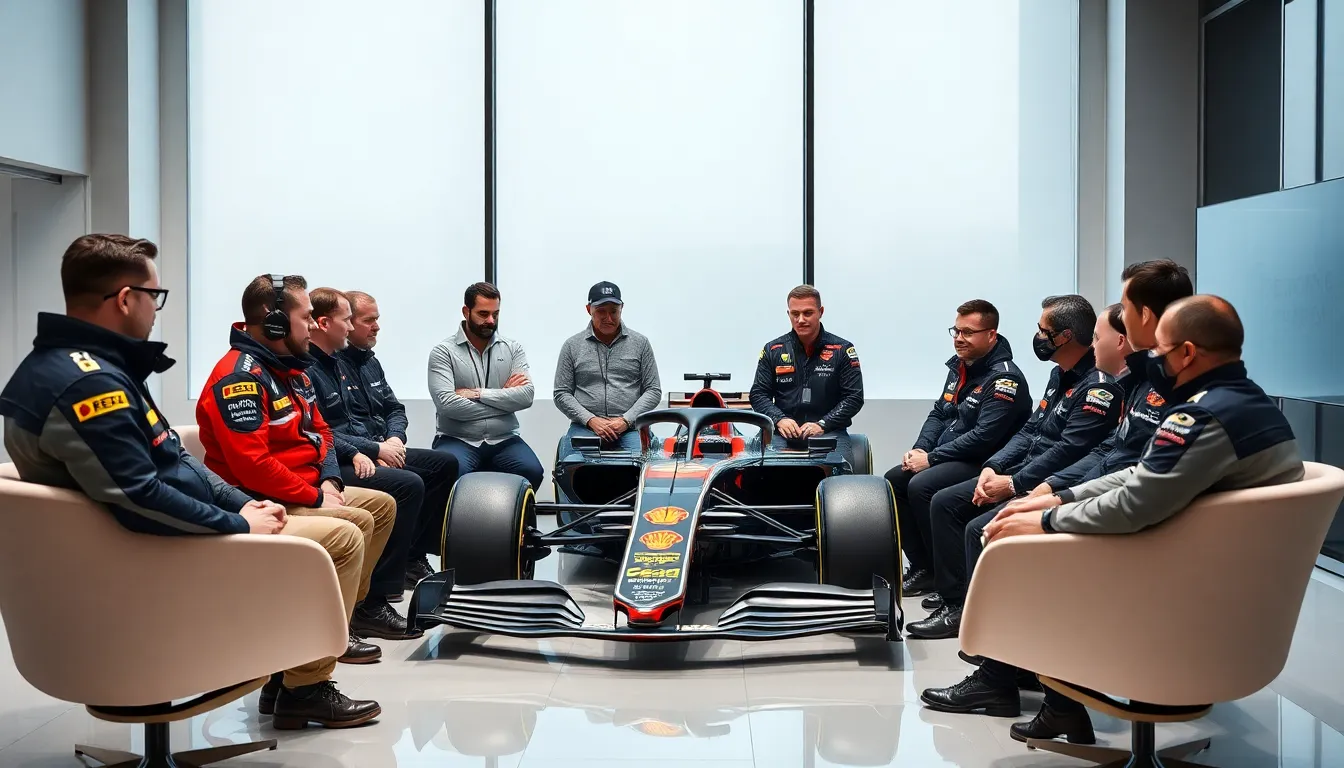
The teams, representing various manufacturers and constructors, are primarily focused on competitiveness and financial sustainability. With the introduction of new regulations, teams will need to balance the costs of research and development against the potential for success on the track. This could lead to conflicts over resource allocation and strategic partnerships.
The FIA plays a crucial role in regulating the sport and ensuring fair competition. As they implement new rules regarding sustainability and technology, their decisions will significantly impact how teams operate. Legal issues may arise concerning compliance with these regulations, especially if teams perceive them as favoring certain manufacturers or technologies.
Sponsors and investors are also key stakeholders, as they seek to maximize their return on investment. Their interests often align with the popularity and visibility of the sport, which can lead to trade-offs between traditional racing values and commercial appeal. The balance between maintaining F1’s heritage and embracing new markets will be a vital issue moving forward.
- Technological advancements: The push for hybrid and electric technologies will redefine car performance and team strategies.
- Financial regulations: New budget caps and financial models may alter the competitive landscape, affecting smaller teams disproportionately.
- Fan engagement: The need to attract a younger audience could lead to changes in race formats and marketing strategies.
- Environmental impact: Sustainability initiatives will be a focal point, potentially leading to tensions between traditionalists and progressive stakeholders.
- Global expansion: The desire to expand into new markets may create conflicts over race locations and scheduling.
Who will be affected by the changes in Formula 1?
The new era of Formula 1, set to commence in 2026, will have far-reaching implications for various stakeholders, including teams, manufacturers, sponsors, and fans. Each group will experience distinct impacts as the sport evolves, driven by technological advancements and regulatory changes.
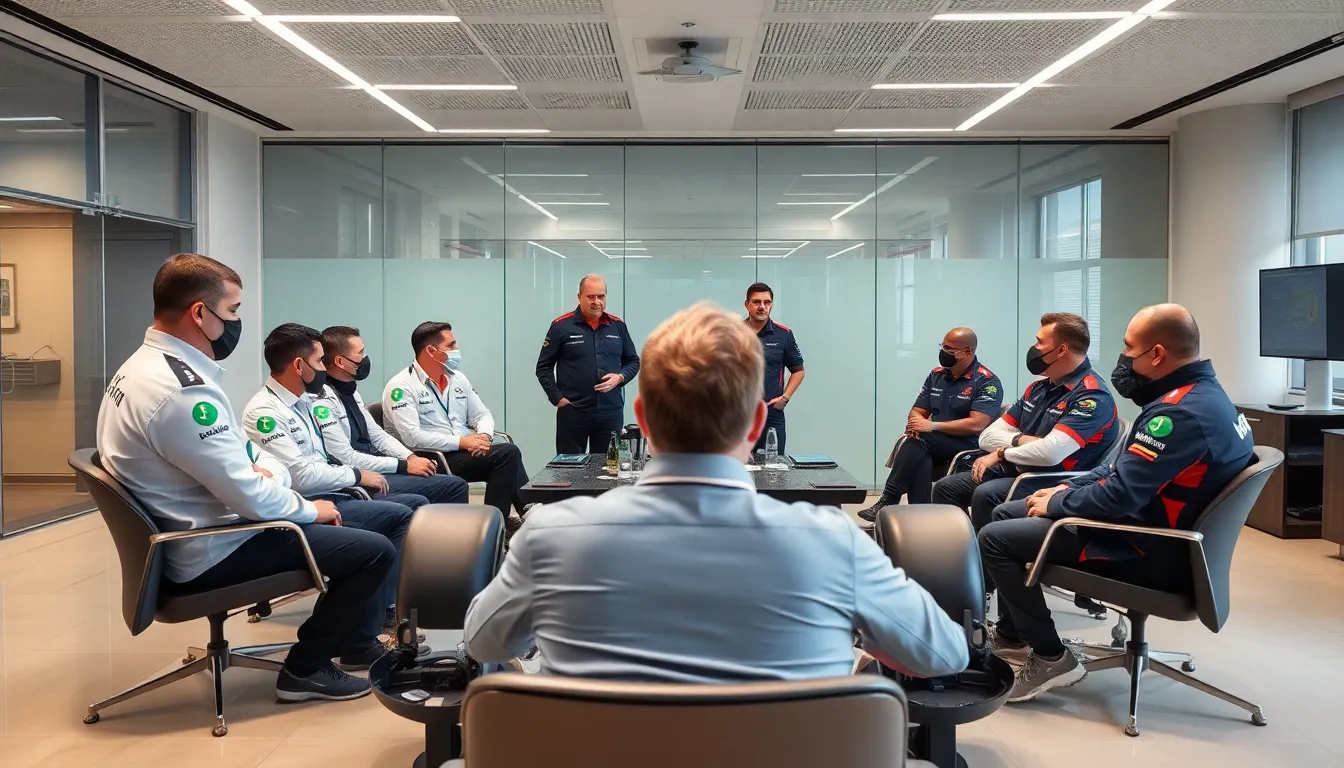
Teams and manufacturers will face both challenges and opportunities as they adapt to new engine regulations and sustainability goals. The shift towards hybrid power units and increased focus on sustainable practices may require significant investment in research and development. This could lead to a more competitive landscape, where innovation becomes a key differentiator.
Fans will also be affected, as the changes may enhance the viewing experience both on-site and through broadcast. With the introduction of new technologies and potentially more competitive racing, audiences could see more engaging content. However, there is a risk that the costs associated with these innovations could lead to higher ticket prices and merchandise costs.
- Short-term impacts: Increased investment in technology by teams, potential rise in ticket prices, and changes in sponsorship dynamics.
- Mid-term impacts: Enhanced fan engagement through new platforms, shifts in market strategies for sponsors, and potential job creation in tech and engineering fields.
- Risks: Economic strain on smaller teams, possible alienation of traditional fans, and challenges in meeting sustainability targets.
- Opportunities: Growth in electric vehicle partnerships, expanded global fanbase, and development of new markets through innovative technologies.
Regions that host races will also feel the impact, as local economies may benefit from increased tourism and investment. However, there could be regulatory challenges as cities adapt to the environmental standards set by F1, potentially leading to conflicts with local policies.
A: By 2026, F1 is expected to introduce new engine regulations, enhance sustainability efforts, and potentially alter team dynamics, impacting how races are conducted. A: The new regulations aim to level the playing field, which could lead to more competitive racing and allow smaller teams to challenge the established frontrunners. A: Technology will play a crucial role, especially with advancements in hybrid engines and data analytics, influencing strategy and performance on the track. A: Yes, F1 is likely to enhance fan engagement through digital platforms and interactive experiences, making the sport more accessible and appealing. A: Teams are currently investing in research and development to adapt to the new regulations, ensuring they remain competitive in the evolving landscape.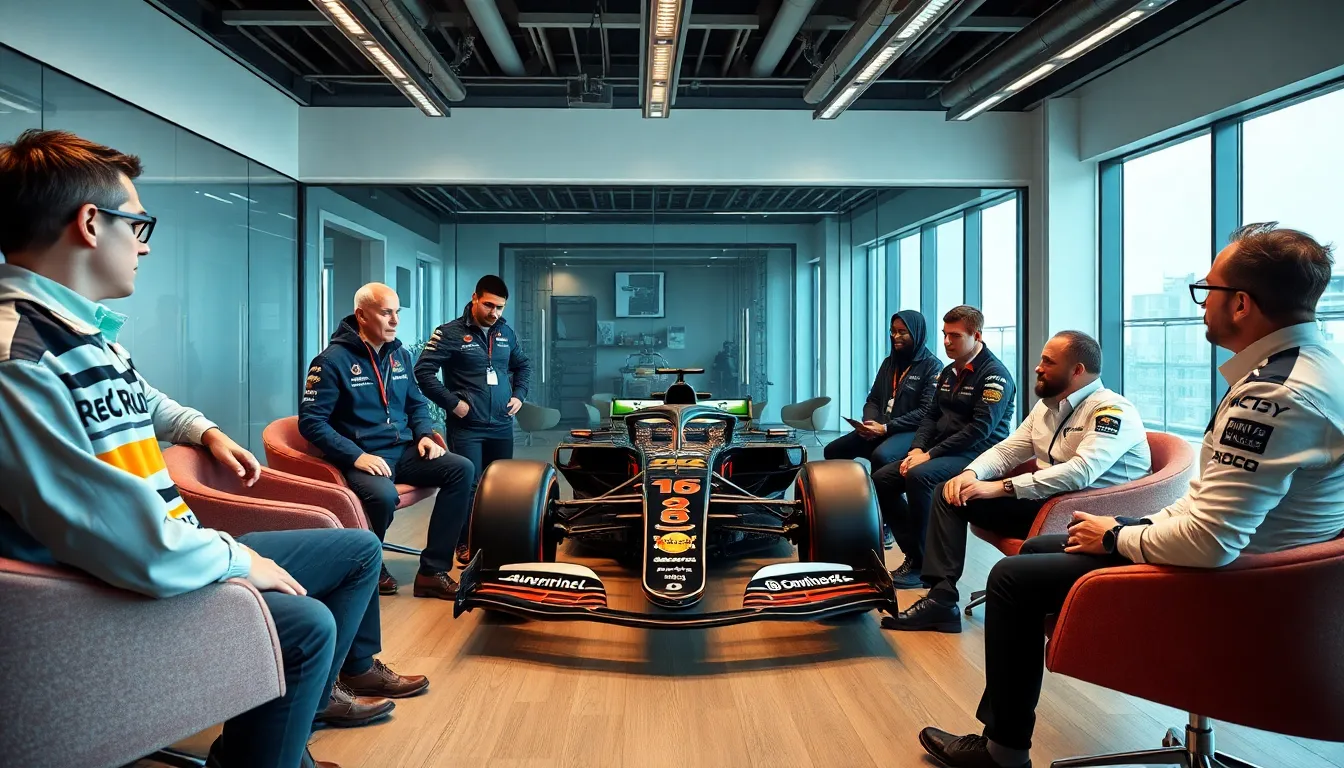
Frequently asked questions about F1’s new era
Key insights and outlook for the future of Formula 1
The dawn of a new era in Formula 1 is marked by the introduction of significant changes in regulations and technology, setting the stage for an exciting future. As teams adapt to these transformations, the dynamics of competition are likely to shift, offering fresh narratives and rivalries that could redefine the sport. Observers should keep an eye on how these developments impact team strategies, driver performances, and fan engagement.
As we look ahead to 2026, several storylines have the potential to capture the imagination of fans and analysts alike. The interplay between innovation, sustainability, and the ever-evolving competitive landscape will shape the narrative of this new chapter in F1 history.
- Technological Advancements: Watch for how teams leverage new power unit regulations to enhance performance while adhering to sustainability goals.
- Driver Dynamics: The potential for emerging talents to challenge established stars could create intriguing rivalries and shift team hierarchies.
- Fan Engagement Strategies: Expect to see innovative approaches to connect with fans, enhancing their experience both on and off the track.
- Team Strategies: Teams will need to adapt their strategies in response to the new regulations, which may lead to unexpected outcomes in races.
- Global Expansion: The continued growth of F1’s global footprint could introduce new markets and fan bases, impacting team sponsorships and partnerships.