


This increase in storm surge severity is largely attributed to climate change, which has led to warmer lake temperatures and altered weather patterns. The Great Lakes region has experienced more frequent and intense storms, with the National Oceanic and Atmospheric Administration (NOAA) reporting a 30% increase in heavy rainfall events since the 1990s. For more details on the impacts, see our article on wetter winters and frequent flooding.
The implications of these heightened storm surges are profound, affecting not only property and infrastructure but also local economies reliant on tourism and fishing. As communities grapple with the financial burden of damage repair and mitigation, the urgency for adaptive measures becomes increasingly clear.
Local governments and environmental agencies are now prioritizing research and investment in resilience strategies. Initiatives include the restoration of wetlands, which can act as natural buffers against flooding, and the implementation of updated zoning regulations to safeguard vulnerable areas.
Understanding the factors contributing to storm surge intensity
Lake Erie, one of the Great Lakes of North America, has been experiencing increasingly severe storm surges in recent years. Historically, storm surges have been a natural phenomenon associated with severe weather events, but the intensity and frequency of these surges have escalated, raising concerns among scientists, policymakers, and local communities. Understanding the factors that contribute to this trend requires an examination of environmental changes, urban development, and climate policy.
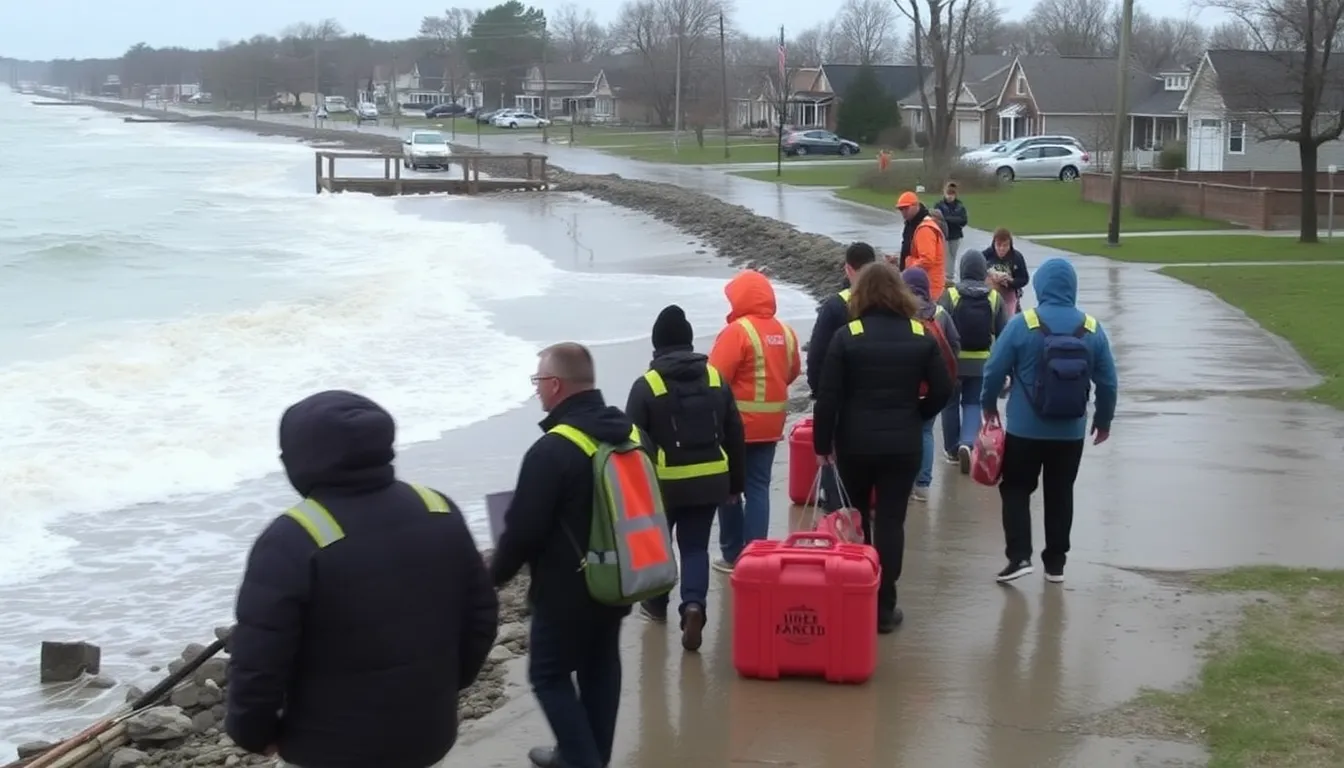
One significant factor is the impact of climate change, which has led to rising temperatures and altered precipitation patterns. Warmer air and water temperatures increase the likelihood of severe storms, which can generate stronger winds and higher waves. This phenomenon has been observed in Lake Erie, where the combination of warmer waters and intense storm systems has resulted in more extreme storm surges. According to studies, the average temperature of Lake Erie has risen by over 1.5 degrees Fahrenheit since the early 2000s, contributing to this alarming trend. For a deeper insight into the implications of climate change, check our piece on Assassin’s Creed.
The role of urbanization
Urban development along the shores of Lake Erie has also played a crucial role in exacerbating storm surges. As cities expand and more infrastructure is built near the lake, natural barriers that once mitigated flooding and erosion are diminished. The construction of roads, buildings, and other developments can disrupt natural water flow and increase runoff, leading to higher water levels during storms. This urban sprawl not only increases vulnerability to flooding but also complicates emergency response efforts during extreme weather events.
Moreover, historical events such as the 1972 storm that caused significant flooding in Cleveland highlight the long-standing challenges posed by storm surges. In response to past disasters, policymakers have implemented various measures to improve flood management and infrastructure resilience. However, the increasing intensity of storm surges calls for a reevaluation of these strategies to ensure they are effective in the face of changing climate conditions.
In summary, the combination of climate change, urbanization, and historical precedents has set the stage for the more extreme storm surges now being witnessed in Lake Erie. As communities along the lake grapple with these challenges, it becomes imperative to adopt comprehensive strategies that address both the immediate impacts and the underlying causes of this escalating issue.
Key stakeholders and their roles in addressing storm surge challenges
Lake Erie’s storm surges present significant challenges that require the involvement of various stakeholders, each with distinct interests and responsibilities. These actors include local and state governments, environmental organizations, researchers, and the communities directly affected by the surges.
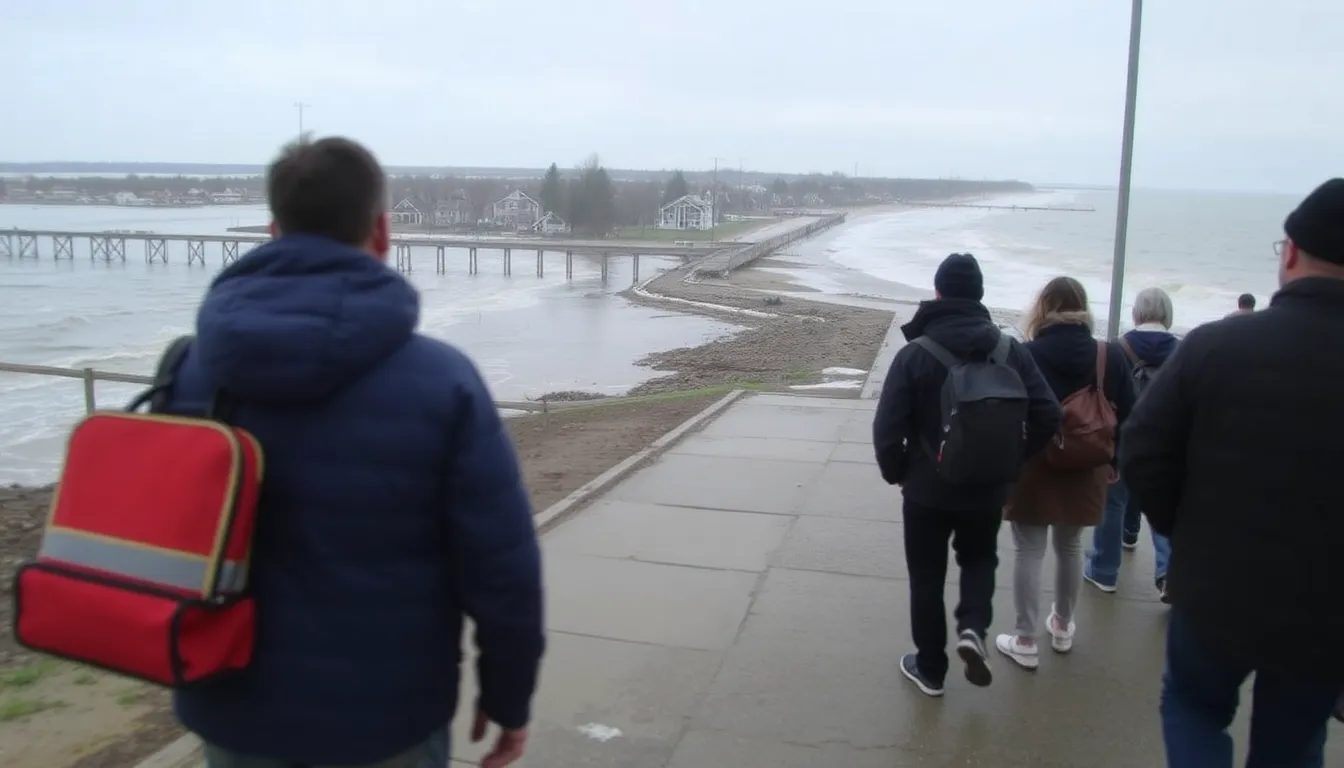
Local governments are primarily concerned with public safety and infrastructure resilience. They are tasked with implementing emergency response plans and investing in flood mitigation strategies. State governments play a broader role in policy-making and funding allocation, often working in collaboration with federal agencies to secure resources for long-term solutions.
Environmental organizations advocate for sustainable practices and the protection of natural habitats. Their interests often conflict with economic development projects that may exacerbate storm surge impacts. They emphasize the need for comprehensive environmental assessments before any construction or development occurs in vulnerable areas.
Academic researchers and scientists contribute valuable data and insights into storm surge patterns and climate change impacts. Their research can inform policy decisions but may face challenges in translating scientific findings into actionable strategies that resonate with policymakers and the public.
- Local governments focus on immediate public safety and infrastructure needs.
- State governments coordinate funding and long-term policy initiatives.
- Environmental organizations push for sustainable practices and habitat protection.
- Researchers provide critical data but may struggle with effective communication to stakeholders.
- Communities advocate for their needs and seek support for resilience initiatives.
The effects of extreme storm surges on local communities and economies
Lake Erie’s increasing storm surges have significant implications for various groups, including local residents, businesses, and policymakers. Coastal communities face the direct threat of flooding, which can displace families and disrupt daily life. The tourism industry, heavily reliant on the lake’s recreational appeal, is also at risk as extreme weather events deter visitors and damage infrastructure.
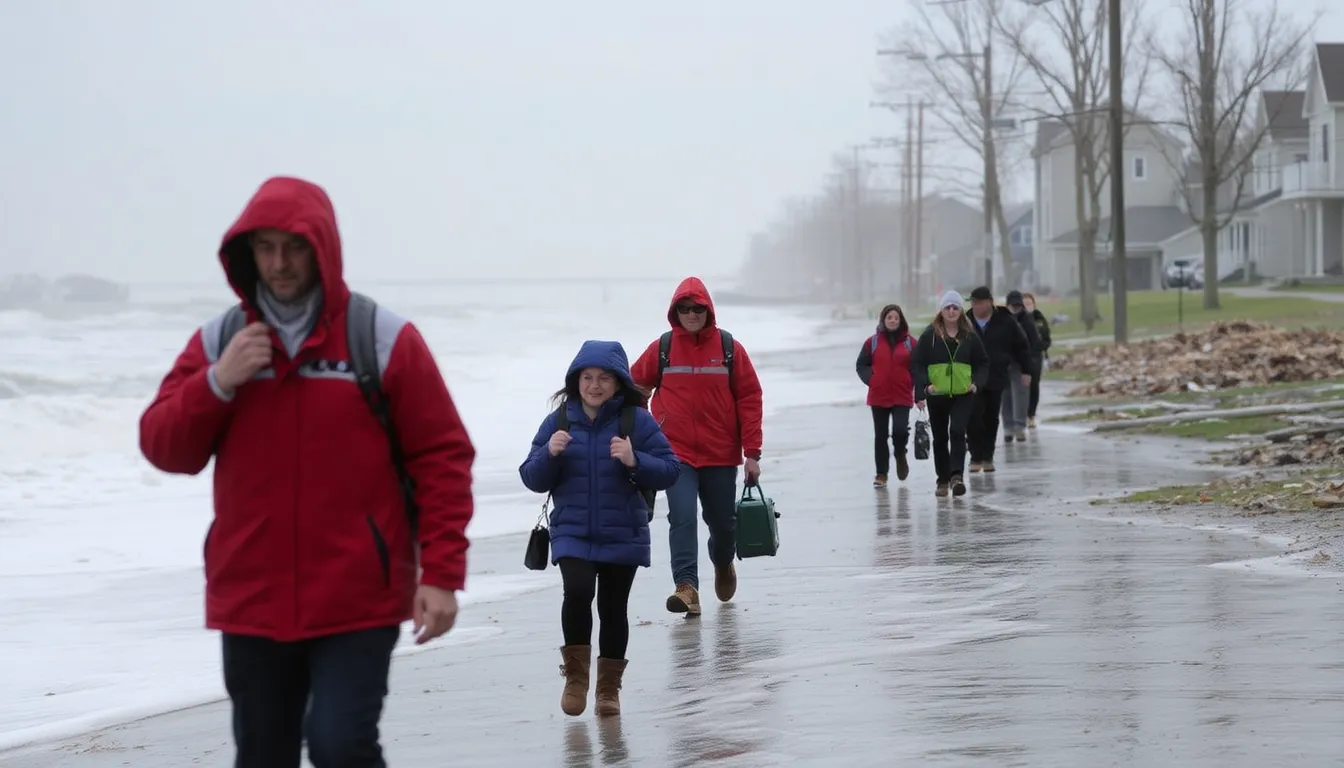
In the short term, communities may experience immediate disruptions such as road closures, property damage, and emergency evacuations. Local governments will likely need to allocate resources for disaster response and recovery, straining budgets and diverting funds from other essential services. Additionally, businesses that depend on seasonal tourism may suffer financial losses due to an unpredictable influx of visitors.
Mid-term impacts could include changes in local policies as municipalities adapt to the new climate realities. This may involve stricter zoning laws, increased investment in flood defenses, and enhanced emergency preparedness plans. Local economies might also shift as businesses pivot to focus on sustainable practices or resilience-building initiatives, creating new job opportunities in green technology and infrastructure development.
- Increased flooding risks for residential areas
- Damage to local businesses, particularly in tourism
- Policy changes focusing on climate resilience
- Opportunities for growth in sustainable industries
While the risks posed by extreme storm surges are significant, there are also opportunities for innovation and investment. Communities that proactively engage in resilience planning and infrastructure improvements may attract funding and partnerships aimed at sustainability. This shift could lead to long-term economic benefits, positioning local economies to thrive despite the challenges posed by climate change.
A: Storm surges on Lake Erie are primarily caused by strong winds and low atmospheric pressure, which can lead to water levels rising significantly. A: Over the years, storm surges on Lake Erie have become more frequent and intense, largely attributed to climate change and rising water temperatures. A: Local residents, businesses, and ecosystems are all impacted by storm surges, facing risks such as flooding and property damage. A: Various stakeholders, including government agencies and environmental organizations, are implementing strategies such as improved forecasting and infrastructure enhancements. A: While storm surges can be predicted to some extent using weather models, their intensity and exact timing can still be challenging to forecast accurately.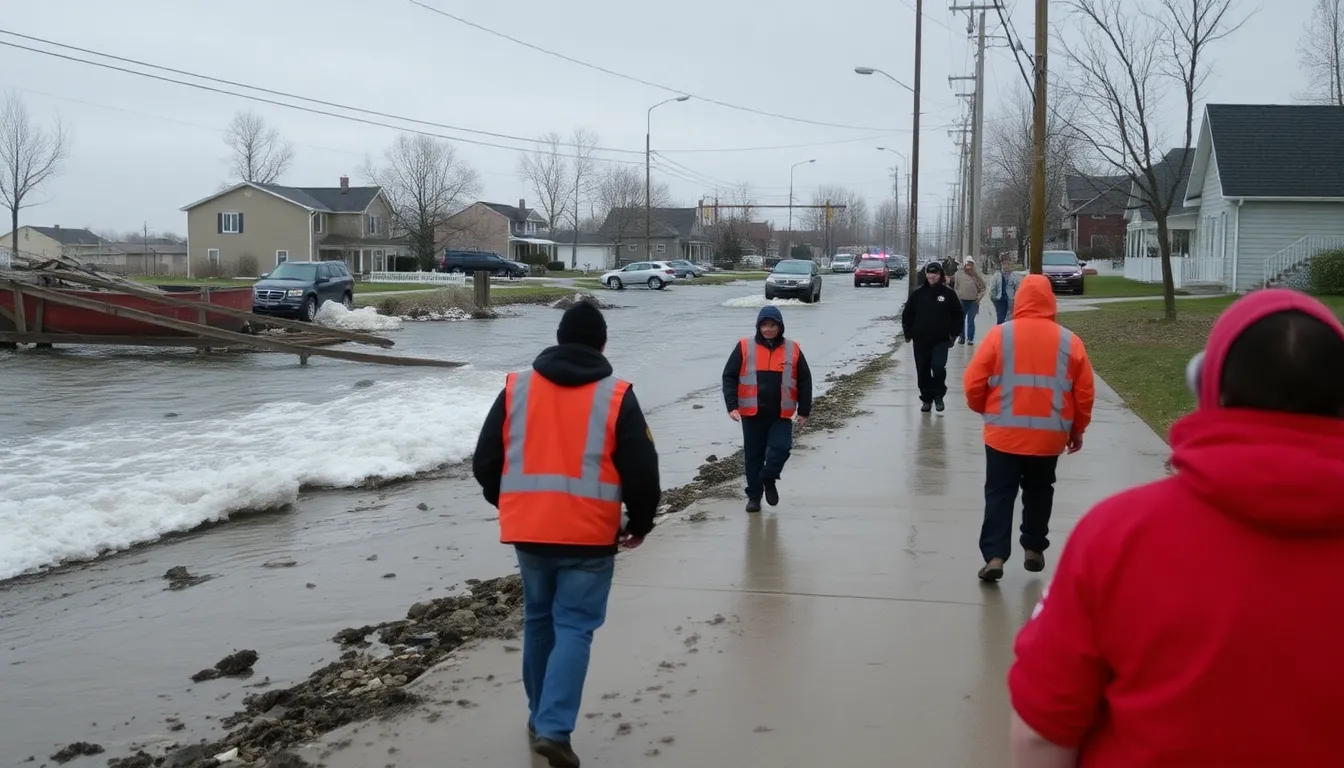
Frequently asked questions about Lake Erie storm surges
Looking ahead: the future of storm surges on Lake Erie
The increasing intensity of storm surges on Lake Erie signals a significant shift in the region’s climate dynamics. As temperatures rise and weather patterns become more erratic, communities surrounding the lake must prepare for the implications of these changes. The potential for more severe flooding, erosion, and infrastructure damage necessitates proactive measures and strategic planning to mitigate risks.
Stakeholders, including local governments, environmental organizations, and residents, should closely monitor emerging trends in storm activity and water levels. Understanding these patterns will be essential for developing effective response strategies and enhancing resilience against future storm events.
- Enhanced forecasting: Investing in advanced meteorological technologies can improve the accuracy of storm surge predictions, allowing communities to better prepare.
- Infrastructure resilience: Upgrading coastal defenses and infrastructure to withstand more extreme weather events will be crucial in protecting property and lives.
- Community engagement: Raising awareness and involving local populations in preparedness initiatives can foster a culture of resilience and readiness.
- Policy adaptation: Local and state governments should consider revising zoning laws and land-use policies to account for increased flooding risks.
- Ecological considerations: Protecting and restoring natural habitats around the lake can help buffer against storm impacts while supporting biodiversity.