


As Wiseman’s films often focus on the intricacies of human behavior, his recent projects highlight the ongoing relevance of documentary cinema in reflecting societal issues. The rise of streaming platforms has allowed for greater accessibility to such works, expanding their reach beyond traditional film festivals. This shift is significant as it encourages a wider audience to engage with documentary narratives that challenge perceptions and provoke thought, much like Wim Wenders discusses the impact of movies on the world.
Moreover, Wiseman’s meticulous attention to detail and his commitment to authenticity resonate with contemporary filmmakers who seek to document the human experience. The current landscape of documentary filmmaking is marked by a blend of personal storytelling and broader social commentary, as seen in recent releases that tackle topics such as mental health, climate change, and systemic inequality. This trend underscores the importance of documentaries in fostering empathy and understanding in a rapidly changing world.
In a time when visual storytelling is more crucial than ever, Wiseman’s work serves as a reminder of the power of observation in filmmaking. His films encourage audiences to look beyond the surface and engage with the complexities of human life. As the documentary genre evolves, the impact of Wiseman’s legacy continues to shape the conversations surrounding the art of storytelling in film.
Understanding Frederick Wiseman’s Background and Approach
Frederick Wiseman is a pioneering figure in the realm of documentary filmmaking, known for his unique observational style that captures the intricacies of social institutions. Born in 1926 in Boston, Massachusetts, Wiseman’s early life was shaped by the cultural and political climate of mid-20th century America, a period marked by significant social change and upheaval. His experiences during World War II and subsequent education at Harvard University played a crucial role in shaping his worldview and artistic vision.

Wiseman’s filmmaking career began in the 1960s, a decade characterized by civil rights movements, anti-war protests, and a growing skepticism towards authority. This environment influenced his decision to focus on the lived experiences of ordinary people, often within the confines of institutions such as schools, hospitals, and prisons. His first film, “Titicut Follies” (1967), showcased the harsh realities of a Massachusetts prison for the criminally insane, sparking debates about ethics in documentary filmmaking and the treatment of vulnerable populations.
Throughout his career, Wiseman has maintained a commitment to presenting unvarnished truths, employing a fly-on-the-wall technique that allows audiences to immerse themselves in the lives of his subjects. His films are notable for their lack of narration or interviews, relying instead on the natural sounds and visuals of the environments he documents. This approach not only invites viewers to engage with the material on a deeper level but also challenges conventional narratives surrounding social issues.
The Evolution of Documentary Filmmaking
The landscape of documentary filmmaking has evolved significantly since Wiseman’s debut, influenced by technological advancements and changing audience expectations. Early documentaries often adhered to a more didactic style, but Wiseman’s innovative techniques have inspired a generation of filmmakers to explore more subjective and nuanced storytelling methods, similar to the evolving narrative styles in Exploring the Conversations of Bots When Humans Aren’t Listening.
Key Themes and Issues in Wiseman’s Work
Frederick Wiseman, a prominent documentary filmmaker, has a unique ability to observe and portray the intricacies of human behavior within various institutional settings. His films often serve as a lens through which viewers can examine the dynamics between individuals and the organizations that shape their lives. The key stakeholders in Wiseman’s work include the subjects of his films, the institutions depicted, and the audience that consumes this content.
One of the central interests of the subjects in Wiseman’s films is the representation of their experiences and the authenticity of their stories. These individuals often belong to marginalized groups or operate within complex systems, such as mental health facilities, schools, or social service organizations. Their narratives highlight personal struggles and triumphs, revealing the human side of institutional processes.
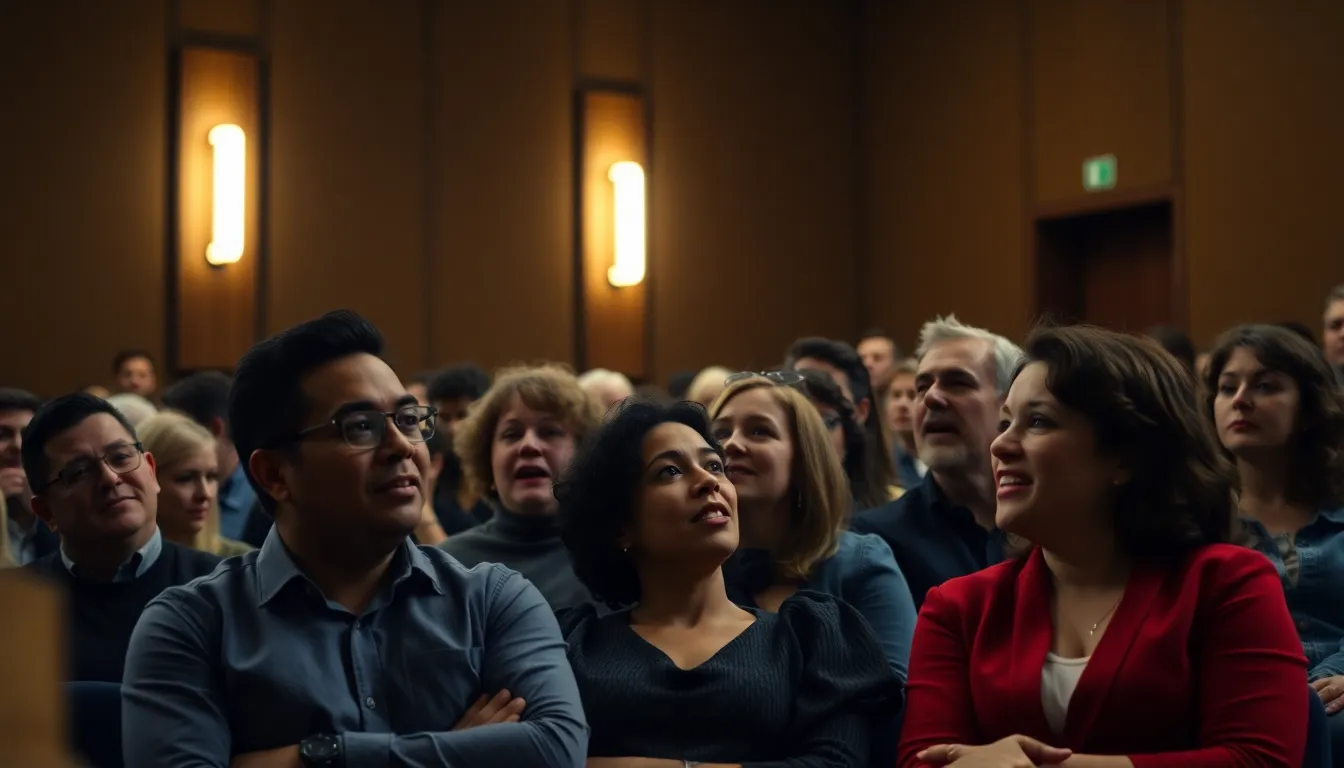
Institutions, on the other hand, have vested interests in how they are portrayed. They may seek to maintain a positive public image, which can lead to conflicts with the filmmaker’s vision. This tension raises important questions about transparency, ethics, and the power dynamics inherent in documentary filmmaking. Wiseman’s approach often challenges these institutions to confront uncomfortable truths about their operations.
- Conflicts of Interest: The potential clash between the filmmaker’s objective portrayal and the institution’s desire for a favorable representation.
- Ethical Considerations: The responsibility of filmmakers to their subjects and the ethical implications of their storytelling choices.
- Audience Reception: The impact of Wiseman’s films on public perception and understanding of the institutions he explores.
- Legal Challenges: Potential legal issues surrounding privacy, consent, and the rights of individuals featured in documentary films.
- Economic Factors: The financial implications for institutions that may arise from negative portrayals in documentary films.
Ultimately, Wiseman’s work serves as a critical commentary on the interplay between individuals and the systems they navigate. By examining the interests of various stakeholders, his films encourage viewers to reflect on broader societal issues and the implications of institutional practices on everyday lives.
The Influence of Wiseman’s Films on Audiences and Filmmakers
Frederick Wiseman’s unique observational style has profoundly impacted various groups, particularly filmmakers, audiences, and cultural institutions. His documentaries often focus on social institutions such as schools, hospitals, and correctional facilities, which resonate with a wide audience and provoke thought on societal issues. As a result, filmmakers seeking to explore similar themes are influenced by his approach, leading to a new wave of documentary storytelling, much like the heartfelt narratives presented in Dawson’s Creek and its Heartfelt Impact on 90s Television.
In the short term, audiences may experience a heightened awareness of the complexities within social structures. Wiseman’s films encourage viewers to engage critically with the world around them, fostering discussions about policy reform and social justice. This immediate engagement can lead to increased attendance at film screenings and discussions, benefiting local theaters and cultural organizations.
Mid-term impacts may include shifts in industry standards, as more filmmakers adopt Wiseman’s techniques, leading to a diversification of documentary styles. This evolution can create opportunities for emerging filmmakers to find their voice, while established filmmakers may feel pressure to innovate. Additionally, educational institutions may incorporate Wiseman’s work into curricula, influencing future generations of filmmakers and audiences alike.
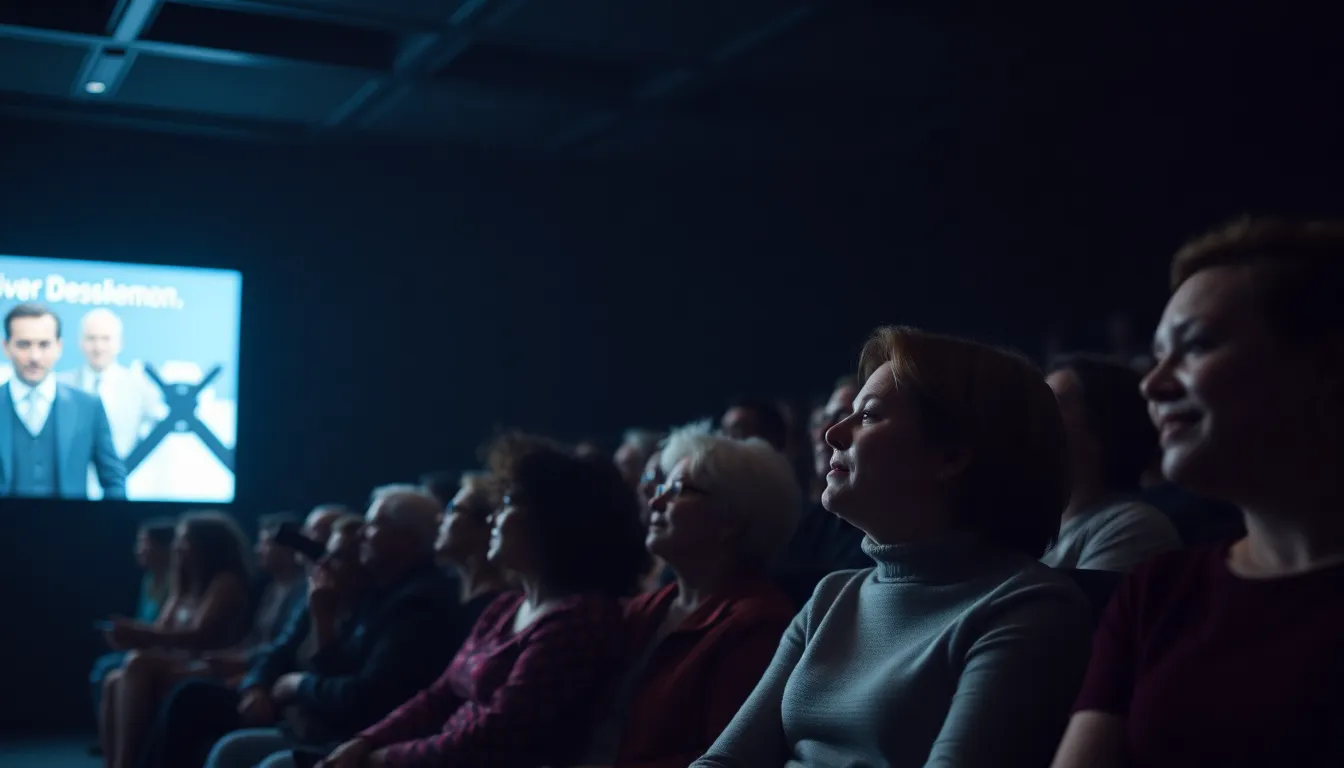
- Increased audience engagement with social issues.
- Emergence of new documentary filmmakers inspired by Wiseman’s style.
- Potential policy discussions spurred by the themes explored in his films.
- Growth of cultural institutions that facilitate film screenings and discussions.
However, there are risks associated with this influence. As more filmmakers attempt to emulate Wiseman, there is a danger of oversaturation in the market, potentially diluting the impact of genuine, innovative storytelling. Additionally, the emphasis on observational documentary may overshadow other important narrative forms, leading to a less diverse cinematic landscape.
A: Wiseman’s documentaries are known for their observational style, allowing viewers to experience real-life situations without narration. This approach provides a deep insight into the subjects he portrays. A: Wiseman often selects institutions or communities that reveal broader societal issues, such as schools, hospitals, and prisons. His focus is on the human experience within these settings. A: Wiseman has influenced many filmmakers by demonstrating the power of observational cinema. His work encourages a more nuanced understanding of documentary storytelling. A: Yes, themes such as authority, community, and the complexities of human relationships frequently appear in his films, reflecting the intricacies of social structures. A: Wiseman often spends several months, sometimes years, filming to capture the essence of his subjects, resulting in richly detailed narratives.
Frequently Asked Questions About Frederick Wiseman
Insights into the Future of Documentary Storytelling
Frederick Wiseman’s unique approach to documentary filmmaking offers a profound lens through which we can examine the complexities of human behavior and institutional dynamics. His ability to observe and present life without overt commentary invites audiences to engage deeply with the subject matter, fostering a more personal connection to the narratives being portrayed. As the landscape of documentary storytelling continues to evolve, Wiseman’s methods serve as a reminder of the power of observation and the importance of allowing subjects to speak for themselves.
Looking ahead, filmmakers can draw inspiration from Wiseman’s work to explore new ways of storytelling that prioritize authenticity and the subtleties of human interaction. As technology advances and audiences become more discerning, the challenge will be to maintain a balance between innovative techniques and the core values of documentary filmmaking.
- Emphasize observational techniques to create a more immersive viewer experience.
- Encourage subjects to share their stories in their own voices, enhancing authenticity.
- Utilize technology to capture nuanced interactions while preserving the integrity of the narrative.
- Explore diverse settings and communities to broaden the scope of documentary subjects.
- Foster collaboration with subjects to deepen engagement and understanding of their experiences.