


In December 2022, California faced a series of atmospheric rivers that resulted in widespread flooding, prompting emergency declarations across multiple counties. These extreme weather patterns are attributed to climate change, which is causing warmer air to hold more moisture, leading to intense storms. The implications are profound, affecting agriculture, water supply, and urban planning. For more information on these patterns and their future, see our article on wetter winters and frequent flooding.
Moreover, the frequency of these events is not limited to the United States. Countries in Europe and Asia are also grappling with similar challenges. The European Environment Agency reported that areas like Germany and Belgium experienced devastating floods in July 2021, resulting in significant loss of life and property damage. As global temperatures rise, the likelihood of such occurrences is expected to increase.
As communities adapt to these changes, the need for improved flood management systems and sustainable urban development becomes increasingly urgent. Policymakers are urged to consider long-term strategies that address both mitigation and adaptation to ensure resilience against future flooding events. The ongoing dialogue surrounding climate policies and infrastructure investment will be crucial in shaping responses to this pressing issue.
Examining the climate factors contributing to these changes
The increasing frequency of wetter winters and flooding events can be traced back to a combination of climate change, urbanization, and changing land use patterns. Over the past few decades, scientific evidence has shown a clear trend toward warmer temperatures globally, which has significant implications for precipitation patterns. Warmer air holds more moisture, leading to heavier rainfall during winter months, a phenomenon that has been observed across various regions.
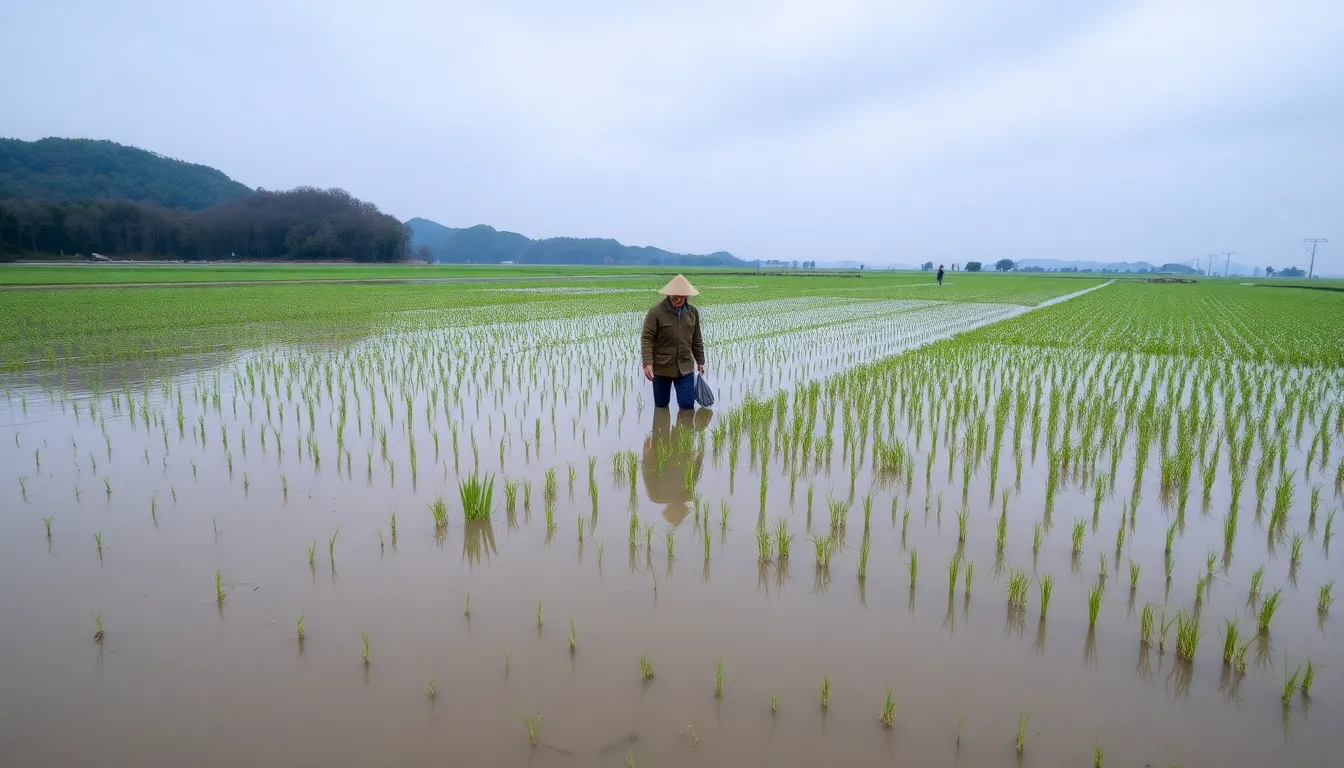
Historically, many areas have experienced seasonal flooding, but the intensity and frequency of these events have escalated in recent years. This shift can be attributed to several key milestones in climate policy and environmental management. For instance, the industrial revolution marked the beginning of extensive greenhouse gas emissions, which have steadily increased due to reliance on fossil fuels. The establishment of international agreements, such as the Kyoto Protocol in 1997 and the Paris Agreement in 2015, aimed to mitigate climate change but have faced challenges in implementation and compliance. Understanding these policies is essential for grasping the full impact of climate change.
The role of urbanization
Urbanization has further exacerbated the impact of wetter winters and flooding. As cities expand, natural landscapes are replaced with impervious surfaces, such as concrete and asphalt, which prevent water absorption and increase runoff. This urban sprawl has led to the development of inadequate drainage systems that struggle to cope with the rising volume of water during heavy rainfall. Additionally, poor land management practices, such as deforestation and wetland drainage, have diminished the natural capacity of environments to absorb excess water, leading to more frequent and severe flooding.
Socially and economically, communities that are already vulnerable are disproportionately affected by these changes. Low-income areas often lack the resources to invest in infrastructure improvements or flood defenses, making them more susceptible to the impacts of climate change. Historical neglect in these communities highlights systemic inequalities that continue to influence disaster preparedness and response efforts. As climate-related events become more common, the need for equitable solutions and resilient infrastructure becomes increasingly urgent, as discussed in our coverage of urban resilience and infrastructure challenges.
Identifying key stakeholders and their concerns regarding flooding
As climate change intensifies, wetter winters and frequent flooding have become pressing concerns for various stakeholders. These actors include local governments, environmental organizations, homeowners, and businesses, each with distinct interests and priorities that shape their responses to flooding risks.
Local governments are primarily focused on public safety and infrastructure resilience. They are tasked with managing emergency responses and implementing long-term strategies to mitigate flooding impacts. Their interests often conflict with budget constraints, as investing in flood prevention measures requires significant financial resources that may divert funds from other critical services.
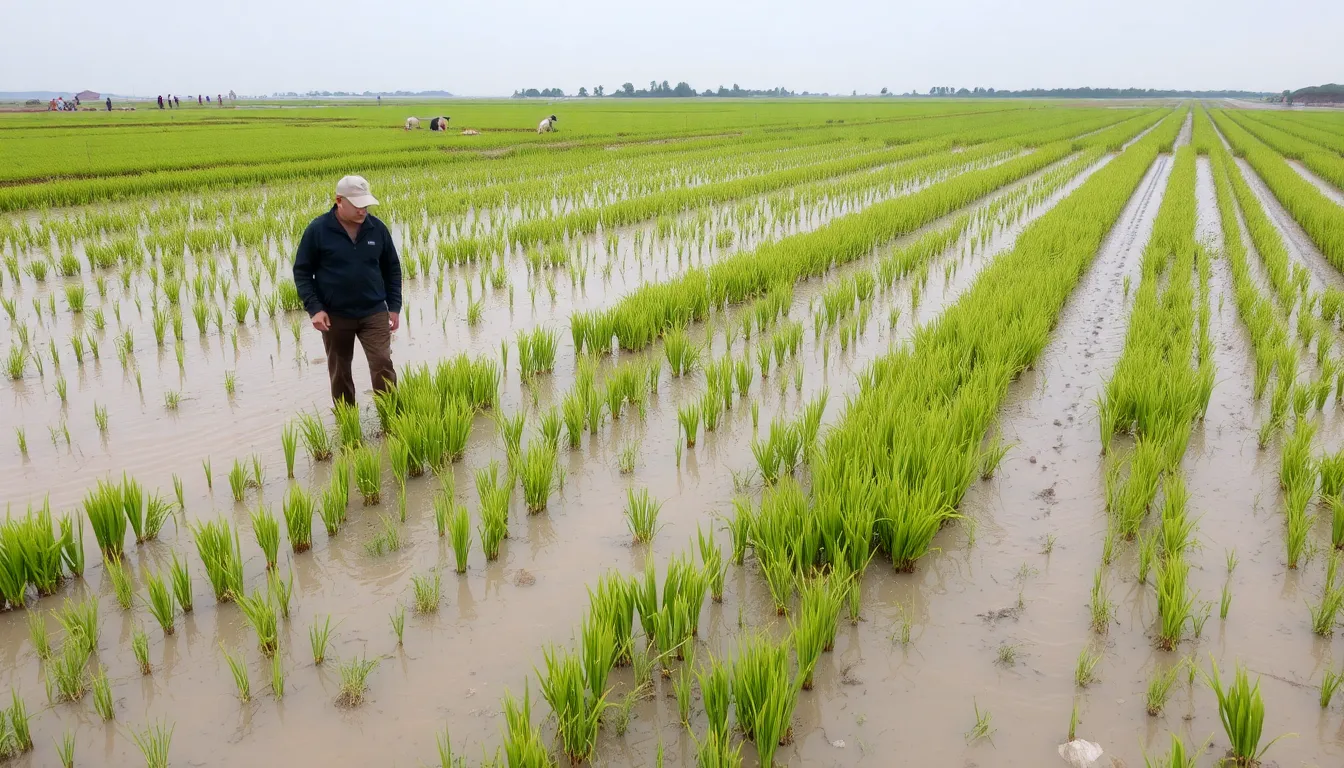
Environmental organizations advocate for sustainable practices and policies that address the root causes of climate change. They often push for stricter regulations on land use and development in flood-prone areas. However, their efforts can clash with the interests of developers and businesses that seek to capitalize on these regions, leading to tensions over land management and environmental protection.
Homeowners in flood-affected areas face the immediate threat of property damage and loss. Their concerns center on insurance coverage, property values, and the effectiveness of local flood management strategies. Many homeowners may feel frustrated with the pace of governmental action, fearing that insufficient measures could lead to more severe flooding in the future.
- Conflicts of interest: Tensions arise between developers and environmentalists over land use regulations.
- Economic trade-offs: Local governments must balance flood prevention investments with other budgetary needs.
- Legal issues: Homeowners may face challenges in securing insurance or compensation after flooding events.
- Community engagement: Stakeholder collaboration is essential for effective flood management strategies.
Assessing the impact of flooding on communities and infrastructure
The increasing frequency of wetter winters and flooding is affecting various groups, industries, and regions across the globe. Urban areas, particularly those with inadequate drainage systems, are facing significant challenges as heavy rainfall leads to waterlogged streets and disrupted transportation networks. Rural communities, especially those reliant on agriculture, are also vulnerable as excessive moisture can damage crops and erode soil quality.
In the short term, daily life is disrupted for many residents. Flooding can lead to property damage, displacement, and increased insurance costs. Businesses, particularly in sectors such as retail and tourism, may experience decreased foot traffic and revenue losses during flood events. Moreover, local governments may be forced to allocate resources to emergency response and recovery efforts, diverting funds from other essential services.
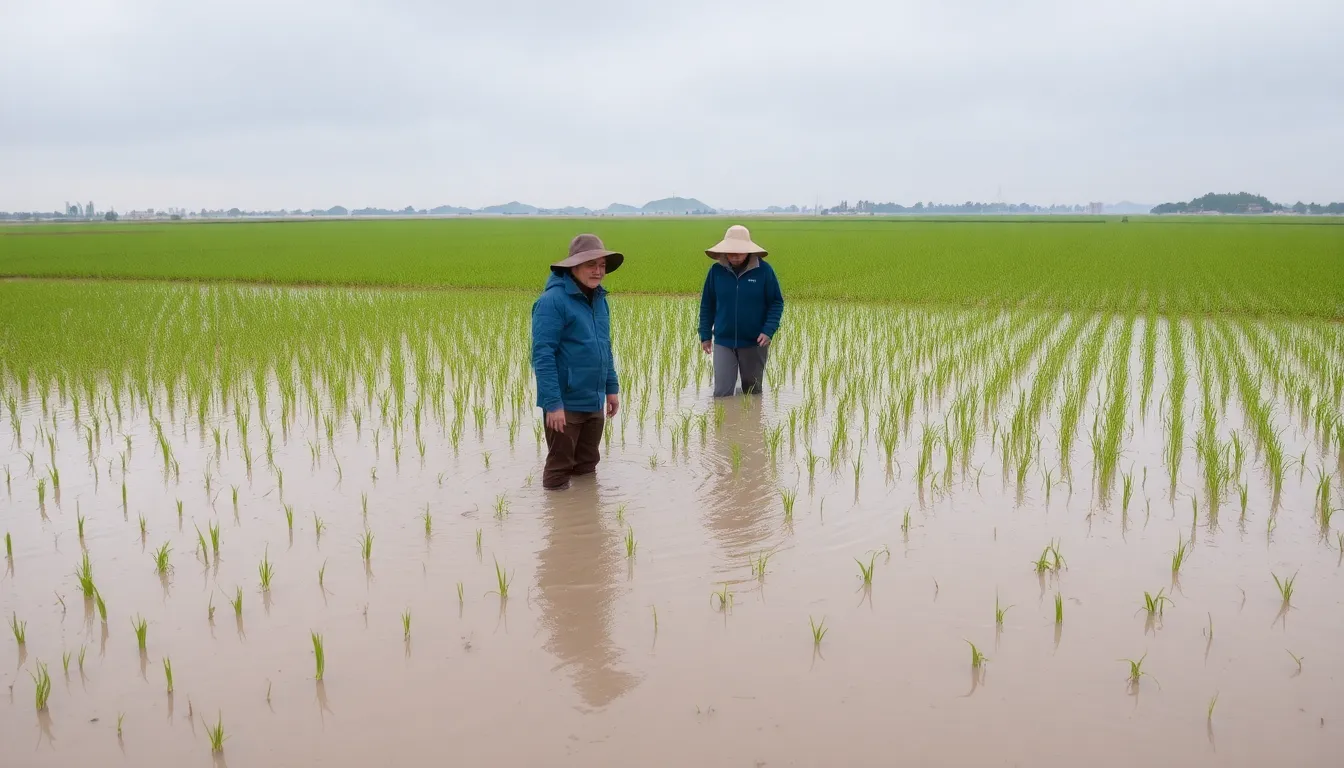
In the mid-term, the implications of frequent flooding can lead to shifts in policy and infrastructure investment. Communities may prioritize the development of more resilient infrastructure, such as improved drainage systems and flood barriers. This shift presents both risks and opportunities; while the initial investment may strain budgets, it can also stimulate job creation in construction and engineering sectors.
- Increased property damage and insurance claims
- Disruption to local businesses and economies
- Potential shifts in agricultural practices and crop selection
- Emergence of new markets focused on flood resilience and mitigation technologies
Additionally, the insurance industry faces a growing challenge as risk assessments become more complex. Insurers may need to adjust their pricing models and coverage options, which could lead to higher premiums for homeowners and businesses in flood-prone areas. However, this also opens the door for innovative insurance products that cater to evolving risks.
A: Wetter winters are often caused by changes in atmospheric patterns, including increased moisture in the air due to climate change. These changes can lead to more precipitation and severe weather events. A: Flooding can lead to significant damage to homes and infrastructure, displacing residents and disrupting local economies. It also poses health risks due to contaminated water. A: Yes, regions near coastlines, rivers, or in low-lying areas are typically more vulnerable to flooding. Climate change is exacerbating these risks in many areas. A: Communities can implement better drainage systems, restore wetlands, and enforce land-use planning to reduce flood risks. Public awareness and preparedness are also crucial. A: While climate change is a significant factor, natural variability and local weather patterns also play a role in influencing seasonal weather changes.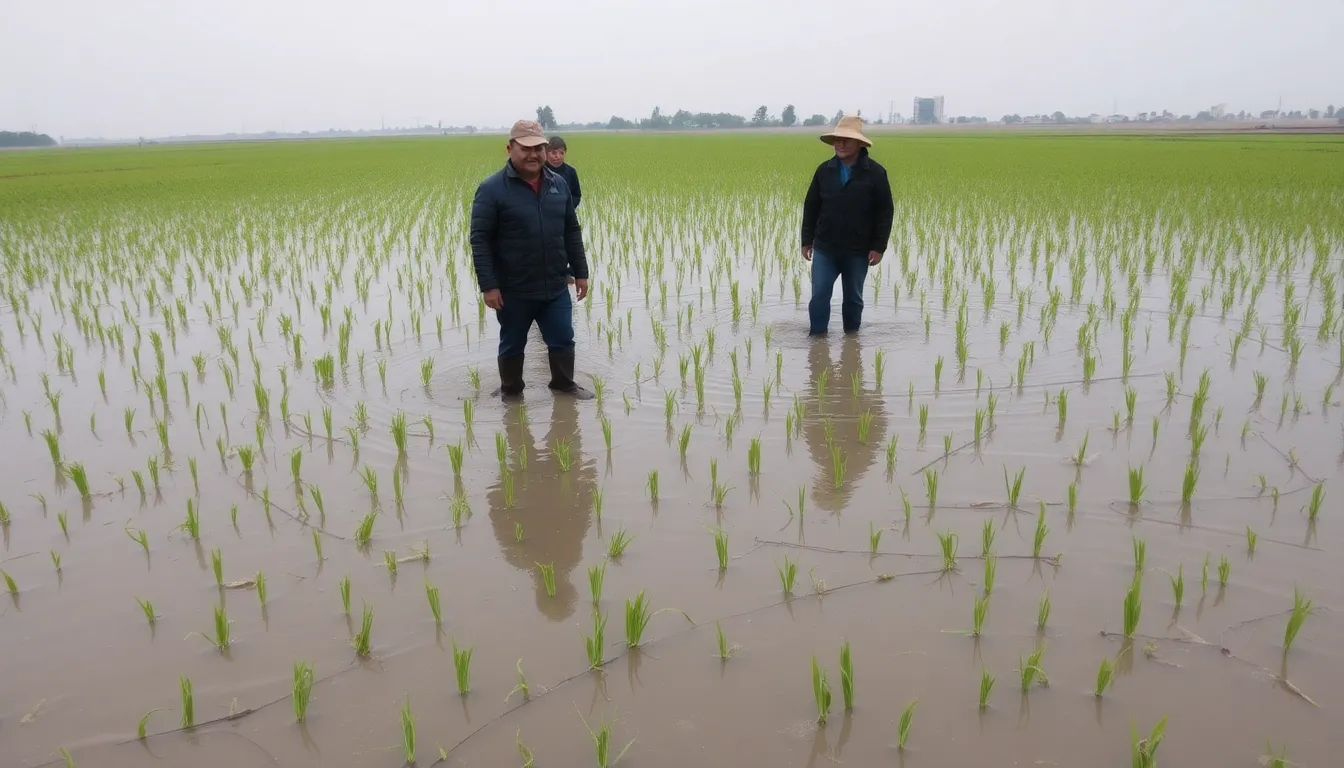
Frequently asked questions about wetter winters and flooding
Key takeaways and future outlook on weather patterns
The increasing frequency of wetter winters and associated flooding presents significant challenges for communities and infrastructure. As climate patterns shift, understanding the long-term implications of these changes becomes crucial for effective planning and adaptation. Stakeholders must consider both immediate responses and strategic measures to mitigate future risks.
Monitoring climate data and investing in resilient infrastructure will be essential as we move forward. Communities should prepare for more intense weather events and develop comprehensive strategies that include sustainable land use, improved drainage systems, and public awareness campaigns to enhance preparedness and response capabilities.
- Increased investment in infrastructure: Upgrading drainage systems and flood defenses will be critical to cope with more frequent flooding.
- Enhanced monitoring and forecasting: Improved weather prediction models can help communities prepare for extreme weather events.
- Community engagement: Raising awareness about flood risks and encouraging local preparedness initiatives can empower residents to take proactive measures.
- Long-term climate strategies: Policymakers should prioritize sustainable practices that address the root causes of climate change while adapting to its impacts.
- Collaborative approaches: Partnerships between government, private sector, and local organizations can foster innovative solutions to mitigate flooding risks.