


The Pikachu Illustrator card is one of the rarest Pokémon cards in existence, with only 39 copies ever graded by PSA, making it a sought-after collector’s item. Paul’s card made headlines when he purchased it for $5.275 million in July 2021, setting a record for the highest price ever paid for a trading card at that time. His ownership of the card has since been a topic of discussion among collectors and enthusiasts alike.
As the sale approaches, Paul has hinted at the possibility of using the proceeds for future projects, although specific details have yet to be revealed. The announcement has sparked debates within the community about the value of collectible cards and the impact of high-profile sales on the market. Many fans are eager to see who will ultimately acquire this iconic piece of Pokémon history.
This move not only highlights the ongoing fascination with Pokémon collectibles but also underscores the intersection of social media influence and traditional hobbies. With the rise of online auctions and the increasing popularity of trading cards, the outcome of this sale could set new trends in the collectibles market.
The significance of the Pikachu Illustrator card in Pokémon history
The Pikachu Illustrator card holds a unique place in the annals of Pokémon memorabilia, often regarded as the Holy Grail for collectors. Originally awarded to winners of a 1998 illustration contest held by CoroCoro Comic in Japan, only 39 copies of this card were ever produced. Its rarity, combined with its artistic value and the iconic status of Pikachu, has made it a coveted item among Pokémon enthusiasts and collectors alike.

The surge in interest surrounding the Pikachu Illustrator card is indicative of a larger phenomenon within the collectibles market. Economic factors such as the COVID-19 pandemic have led to increased disposable income for some individuals, who have turned to hobbies like card collecting as a form of investment. This trend has seen not only Pokémon cards but also sports cards and other collectibles reaching unprecedented values, creating a new landscape for collectors and investors.
Economic Impact of Collectibles
The surge in interest surrounding the Pikachu Illustrator card is indicative of a larger phenomenon within the collectibles market. Economic factors such as the COVID-19 pandemic have led to increased disposable income for some individuals, who have turned to hobbies like card collecting as a form of investment. This trend has seen not only Pokémon cards but also sports cards and other collectibles reaching unprecedented values, creating a new landscape for collectors and investors.
Logan Paul’s recent decision to bid farewell to his own Pikachu Illustrator card, which he purchased for $5.275 million, has brought renewed attention to this phenomenon. His involvement in the Pokémon community, including his high-profile unboxing videos and merchandise collaborations, has helped to amplify the card’s significance beyond just its monetary value. As a cultural icon, Paul’s association with the card has sparked conversations about the intersection of entertainment, investment, and nostalgia in today’s society, similar to trends observed during major events.
The implications of Paul’s decision on the trading card market
Logan Paul’s recent decision to bid farewell to his record-breaking Pikachu Illustrator card has sent ripples through the trading card community. As a high-profile influencer and collector, Paul’s actions carry significant weight in the market, influencing both collectors and investors alike.
Key stakeholders in this scenario include Logan Paul himself, the trading card companies, collectors, and investors. Paul’s interest lies in maintaining his brand image and potentially capitalizing on the card’s value at its peak. For trading card companies, the shift in ownership of such a high-value item can affect market trends and consumer interest.
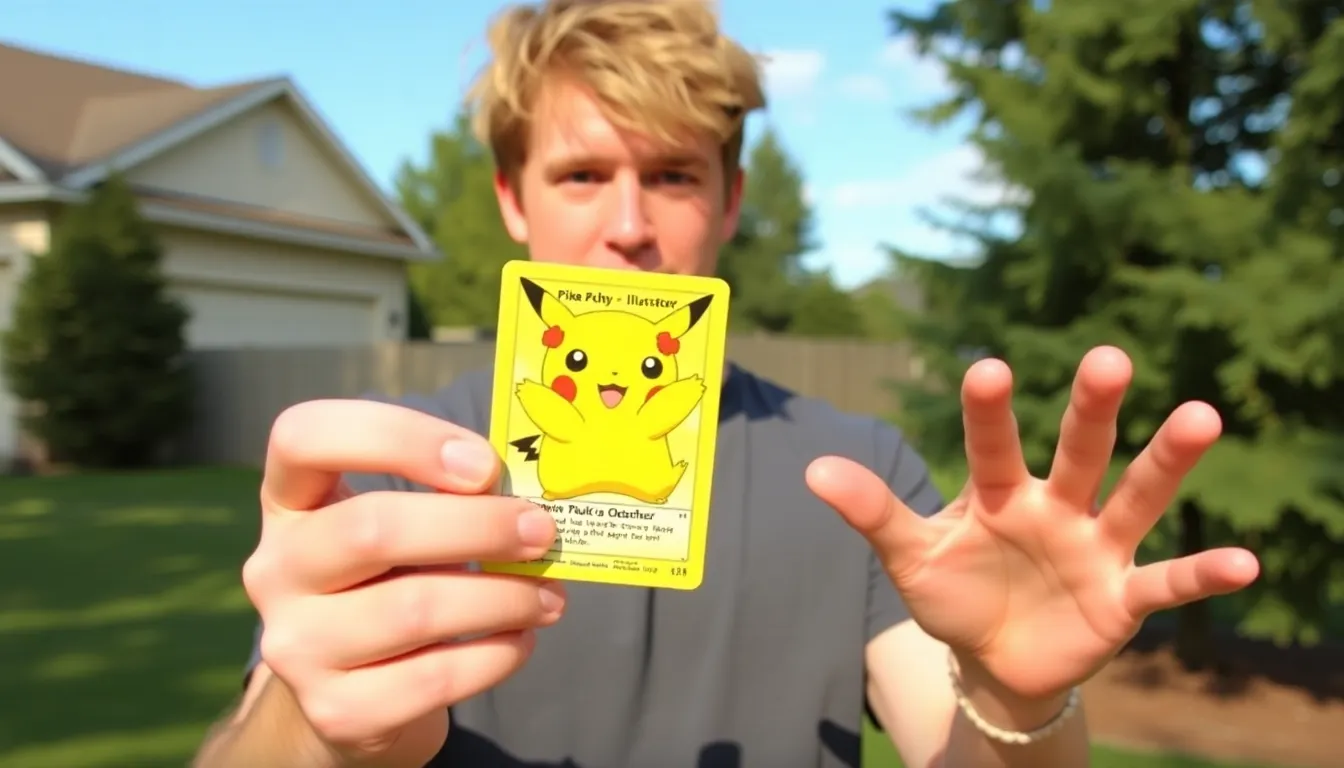
Moreover, the trading card market is currently facing various economic challenges, including fluctuating values and the impact of digital collectibles. The departure of a high-profile card from one collector to another raises questions about the card’s future worth and the implications for similar collectibles.
- Market Impact: Paul’s exit could lead to a decrease in interest for the Pikachu Illustrator card, affecting its market value.
- Collector Sentiment: As a prominent figure in the community, Paul’s decisions can sway collector opinions, potentially leading to shifts in demand.
- Legal Considerations: The sale of high-value cards often involves legal scrutiny regarding authenticity and ownership rights.
- Economic Factors: The economic climate influences collector spending habits, which could affect future transactions within the market.
In summary, Paul’s farewell to the Pikachu Illustrator card highlights the interconnectedness of celebrity influence, market dynamics, and the evolving landscape of trading cards. As stakeholders navigate these changes, the long-term effects on the trading card market remain to be seen.
How this farewell affects collectors and fans
The recent farewell of Logan Paul to the record-breaking Pikachu Illustrator card resonates deeply within the collectibles community, particularly among Pokémon enthusiasts and trading card collectors. This event has significant implications for various groups, including collectors, investors, and the broader entertainment industry.
In the short term, the announcement may lead to increased interest in Pokémon cards, as fans and collectors seek to acquire similar rare items before prices potentially rise. The immediate impact could see a spike in sales across trading card platforms and auction houses, as individuals rush to capitalize on the heightened attention surrounding collectible cards.
Mid-term effects may include a shift in market dynamics, where collectors reassess the value of their collections. As the buzz continues, we may witness a surge in new entrants into the market, including younger fans inspired by Logan Paul’s influence. This influx could stimulate demand for not only Pokémon cards but also other collectibles, potentially revitalizing the entire trading card industry.

- Increased demand: A rise in interest may lead to higher prices for rare cards.
- Market volatility: Speculative buying could create instability in card values.
- New collectors: Younger audiences may engage with the hobby, diversifying the collector base.
- Investment opportunities: Collectibles may be viewed as alternative investments, attracting investors.
However, there are risks associated with this surge in popularity. The potential for market manipulation and price inflation could deter long-term collectors and undermine the value of genuine items. Additionally, as more people enter the market, the authenticity of cards may come under scrutiny, leading to an increase in counterfeit products.
Ultimately, while Logan Paul’s farewell to the Pikachu Illustrator card may pose challenges, it also opens doors for growth and innovation within the collectibles market, paving the way for new trends and opportunities for fans and collectors alike.
A: The Pikachu Illustrator card is one of the rarest Pokémon cards, awarded to winners of a 1998 illustration contest. Its limited availability and iconic status contribute to its high market value. A: Logan Paul has not disclosed specific plans following the sale, but he has expressed interest in continuing his involvement in the trading card community and possibly investing in other collectibles. A: The trading card market has seen increased interest and speculation since the announcement, with collectors eager to see how the sale will influence card values. A: Yes, Logan Paul has indicated that the Pikachu Illustrator card will be sold at auction, attracting significant attention from collectors worldwide. A: This farewell marks a pivotal moment for collectors, as it highlights the evolving landscape of Pokémon card values and the influence of celebrity involvement in the market.
Frequently asked questions about the Pikachu Illustrator card
Key takeaways and future outlook on Pokémon card collecting
The recent farewell of Logan Paul to the record-breaking Pikachu Illustrator card marks a significant moment in the realm of Pokémon card collecting. This event not only highlights the evolving landscape of collectibles but also underscores the growing intersection between pop culture and investment trends. As high-profile figures continue to engage with the hobby, the implications for both collectors and investors are profound.
Looking ahead, the Pokémon card market is poised for continued growth, driven by nostalgia, rarity, and the influence of social media. Collectors should remain vigilant about market trends and the potential for new opportunities as the community expands and evolves.
- The influence of celebrity endorsements on collectible values is likely to grow, creating more volatility in the market.
- Collectors should consider diversifying their portfolios, as the demand for rare cards may lead to increased competition and price fluctuations.
- Watch for emerging trends in digital collectibles, as the Pokémon community may increasingly embrace NFTs and other digital formats.
- As the market matures, the importance of authenticity and grading will become even more critical for collectors and investors alike.