


Months later, in October 2023, a local fisherman discovered the leg washed up on the shore, covered in barnacles and debris. Recognizing its significance, he contacted the local authorities, who then worked to identify the owner. The recovery of the leg not only brought relief to the woman but also sparked a conversation about the importance of prosthetic devices and the challenges faced by amputees.
This incident highlights the unpredictable nature of the ocean and its impact on personal belongings, especially for those who rely on specialized equipment. It also underscores the community’s role in supporting individuals with disabilities, as the fisherman’s actions exemplified a sense of responsibility and care. As the woman prepares to reclaim her prosthetic leg, she expresses gratitude for the unexpected reunion with an essential part of her life.
Understanding the significance of prosthetic limbs in people’s lives
Prosthetic limbs have long served as a vital means of restoring mobility and independence for individuals with limb loss. Historically, the development of prosthetics can be traced back to ancient civilizations, where rudimentary wooden and metal devices were crafted to replace lost limbs. Over the decades, advancements in materials and technology have transformed these devices into highly functional and personalized tools that enhance the quality of life for many.
Socially, the journey of individuals with prosthetic limbs often involves overcoming significant challenges, including stigma and accessibility issues. In many cultures, there remains a lack of understanding surrounding disability, which can lead to discrimination and social isolation. However, as awareness grows and advocacy efforts increase, there is a shift towards greater acceptance and integration of people with disabilities into society.
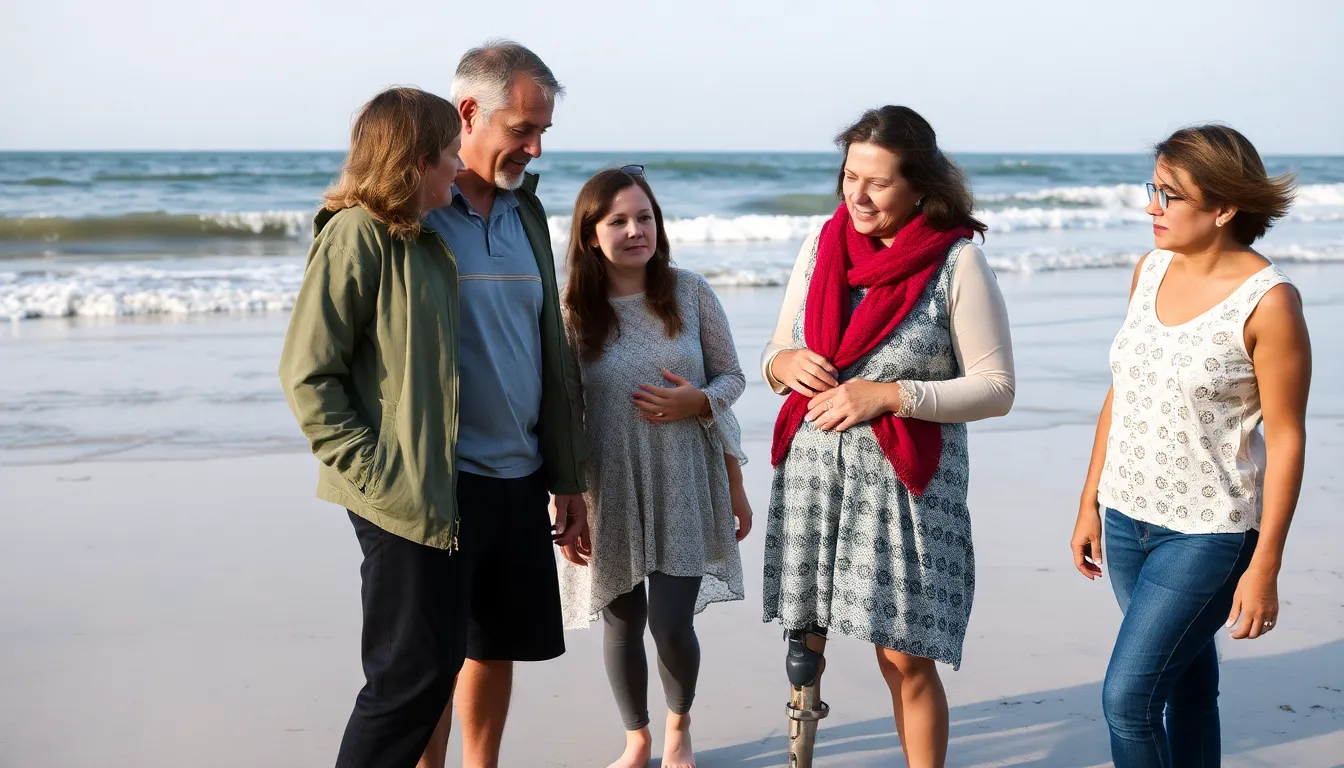
The Economic Impact of Prosthetics
The economic implications of prosthetic technology are profound. The cost of prosthetic limbs can be prohibitively high, often making them inaccessible for those without adequate insurance or financial resources. This economic barrier not only affects individuals’ ability to obtain necessary devices but also impacts their ability to participate fully in the workforce. As a result, the conversation around healthcare policy and support for individuals with disabilities is becoming increasingly critical.
In recent years, the rise of innovative technologies, such as 3D printing, has begun to change the landscape of prosthetic development. These advancements promise to reduce costs and improve accessibility, allowing more individuals to benefit from high-quality prosthetic solutions. The intersection of technology, healthcare, and social policy continues to shape the future of prosthetics, highlighting the need for ongoing dialogue and reform about healthcare policy and support for individuals with disabilities.
The story of a prosthetic leg being taken by the sea and later returned is emblematic of the unique relationship individuals have with their prosthetics. Such experiences underscore the emotional and psychological significance of these devices, which often represent not just physical restoration, but also resilience and hope in the face of adversity.
The community’s role in the search and recovery efforts
The story of the prosthetic leg lost to the sea and its eventual recovery highlights not only the resilience of individuals but also the collective effort of the community. Local residents, volunteers, and organizations banded together to search for the leg, showcasing a strong sense of solidarity and commitment to supporting one another.
Key stakeholders in this effort included local fishermen, environmental groups, and community organizations. Each group had its own interests and motivations, ranging from the desire to help a fellow community member to concerns about marine debris and its impact on the environment.
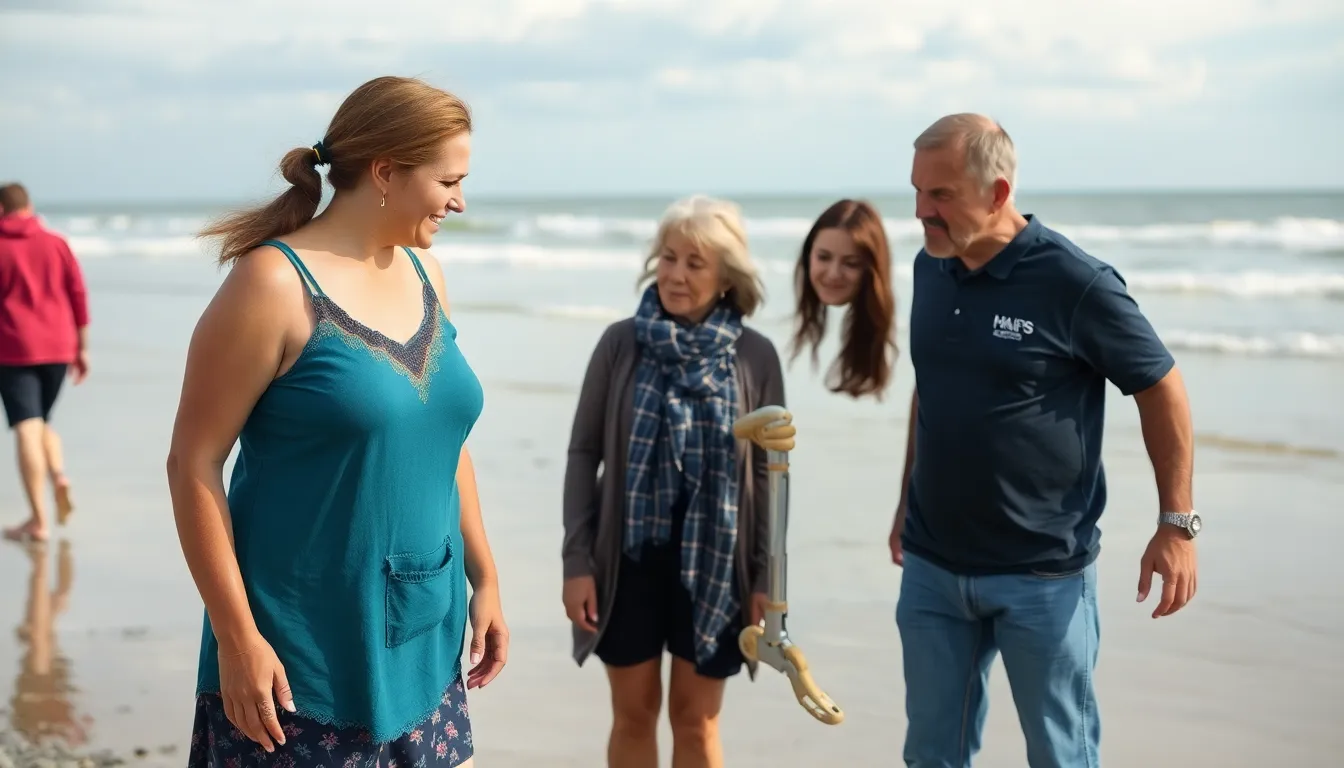
Conflicts arose as the search efforts sometimes disrupted local fishing activities. Fishermen expressed concerns about the potential loss of income due to the increased presence of volunteers in fishing areas. This situation created a delicate balance between community support and economic interests, necessitating discussions to align efforts.
- Local fishermen: Interested in maintaining their livelihoods while supporting community efforts.
- Environmental organizations: Focused on the impact of debris in the ocean and the importance of marine conservation.
- Community volunteers: Driven by empathy and a desire to assist in the recovery process.
- Local government: Aimed at ensuring public safety and facilitating cooperation among stakeholders.
The legal implications surrounding the recovery efforts also played a role. Questions arose about ownership and responsibility for lost property in marine environments, complicating the emotional and logistical aspects of the search. These issues underscored the need for clear policies regarding lost items in coastal areas, particularly those that may hold significant personal value.
The emotional and social impact of losing and regaining a prosthetic leg
The story of a prosthetic leg lost to the sea and later returned highlights the profound emotional and social effects on individuals who rely on such devices. This incident resonates particularly with amputees and their families, as well as communities that support them. The emotional turmoil experienced by the individual during the loss of their prosthetic leg can lead to feelings of vulnerability and despair, while the eventual return can evoke joy and relief, fostering a renewed sense of hope, much like the stories about community support during times of adversity.
Industries related to healthcare, rehabilitation, and prosthetics are notably affected by such events. The loss of a prosthetic leg can disrupt not only the lives of individuals but also the operations of businesses that provide these essential services. In the short term, affected individuals may face increased medical costs, challenges in mobility, and a potential decrease in workplace productivity. These challenges can lead to broader implications for local economies, particularly in regions where access to prosthetic services is limited.
In the mid-term, the story can influence public policy and awareness around disability rights and accessibility. As communities rally around the narrative, there may be calls for improved resources and support systems for amputees. This can lead to increased funding for rehabilitation programs and innovations in prosthetic technology, ultimately benefiting the industry and those it serves. However, there are also risks associated with heightened expectations; if support systems do not evolve to meet the needs of individuals, it could result in disillusionment and further marginalization.
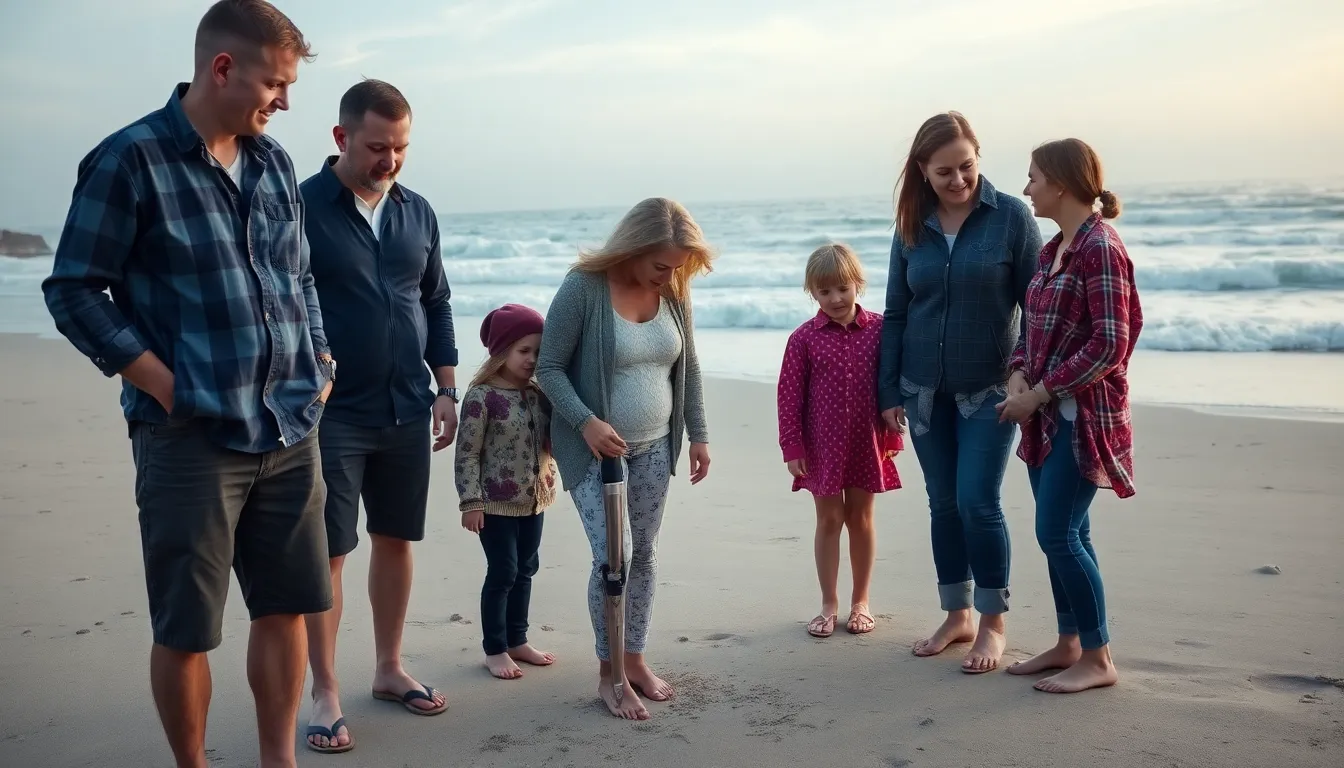
- Short-term impacts: Increased emotional distress, potential medical costs, and mobility challenges.
- Mid-term impacts: Changes in public policy, increased funding for prosthetic services, and innovation in technology.
- Risks: Disillusionment if support systems fail to meet expectations.
- Opportunities: Community engagement and advocacy for improved accessibility and rights.
Ultimately, the journey of losing and regaining a prosthetic leg serves as a powerful reminder of the resilience of the human spirit and the importance of community support in overcoming adversity. The narrative can inspire both personal and systemic change, encouraging a more inclusive society for individuals with disabilities.
A: The prosthetic leg was swept away during a strong wave while the woman was enjoying a day at the beach. A: It took several months for the prosthetic leg to be found and returned to its owner. A: The community rallied together, organizing search efforts and spreading awareness through social media. A: It highlights the strength of the human spirit and the importance of community support in overcoming challenges. A: Yes, it emphasizes the need for better awareness around the importance of assistive devices and the impact of their loss.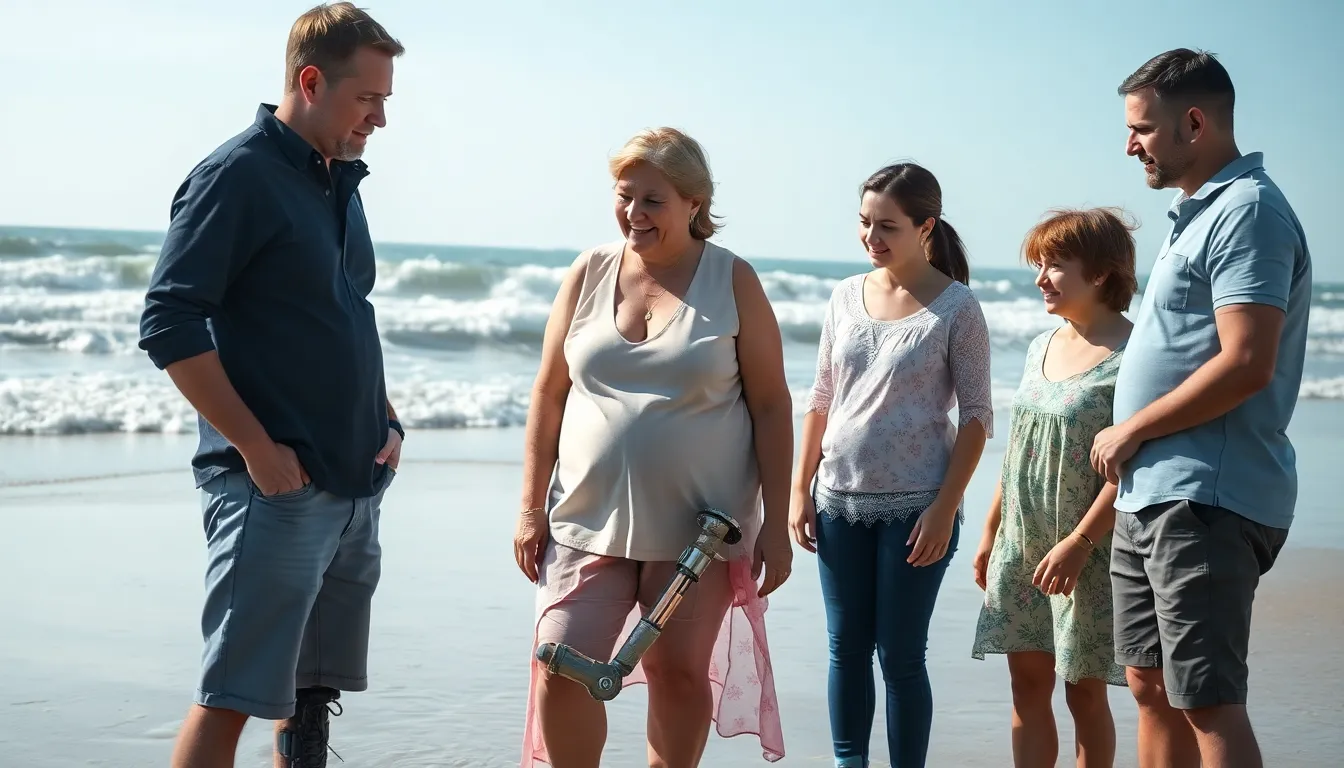
Frequently Asked Questions about the incident
Key takeaways and future implications of the story
The journey of the prosthetic leg, lost to the sea and later returned, serves as a poignant reminder of resilience and the unpredictable nature of life. This narrative highlights not only the emotional connection individuals have with their prosthetics but also the broader implications for adaptive technology and community support in times of adversity.
As we reflect on this story, it becomes essential to consider how such experiences can shape our understanding of accessibility, innovation, and the human spirit. The interplay between loss and recovery invites a deeper exploration of how technology can evolve to better serve those in need.
- Community Engagement: The importance of community support systems in helping individuals navigate challenges related to disability and recovery.
- Adaptive Technology: Innovations in prosthetic design that enhance resilience and adaptability in varying environments.
- Emotional Connections: Recognizing the psychological impact of losing and regaining mobility aids, and the role they play in identity.
- Environmental Awareness: Understanding the relationship between human-made objects and natural environments, and the potential for unexpected interactions.
- Future Research: Opportunities for further studies on the effects of loss and recovery in individuals with disabilities, and how these experiences can inform future technological developments.