


The docuseries will feature a diverse range of individuals from various neighborhoods, highlighting their daily interactions and the often-unseen stories that emerge from these close-knit environments. By showcasing real-life experiences, “Neighbors” aims to capture the essence of what it means to coexist in shared spaces, making it a timely exploration of community in today’s increasingly fragmented society. For more on community dynamics, check out this article on James Van Der Beek.
As the project unfolds, it has garnered attention not only for its unique premise but also for its potential to resonate with audiences who have experienced the challenges and joys of neighborhood life. The combination of Safdie’s cinematic style with authentic storytelling is expected to create a compelling viewing experience that reflects contemporary social issues.
The significance of “Neighbors” lies in its ability to bridge the gap between entertainment and reality, prompting viewers to reflect on their own communities. With its release on the horizon, discussions around the themes of connection and belonging are becoming increasingly relevant, particularly in a world where social media often replaces face-to-face interactions.
Understanding the Background of the Docuseries
The new docuseries ‘Neighbors,’ produced by Josh Safdie for HBO, emerges from a complex tapestry of social dynamics and urban living that has defined American cities for decades. At its core, the series reflects the intricate relationships between residents in densely populated neighborhoods, a theme that resonates deeply in contemporary society. As urban areas continue to grow, the interactions among diverse communities become increasingly significant, highlighting both the challenges and the richness of communal life.
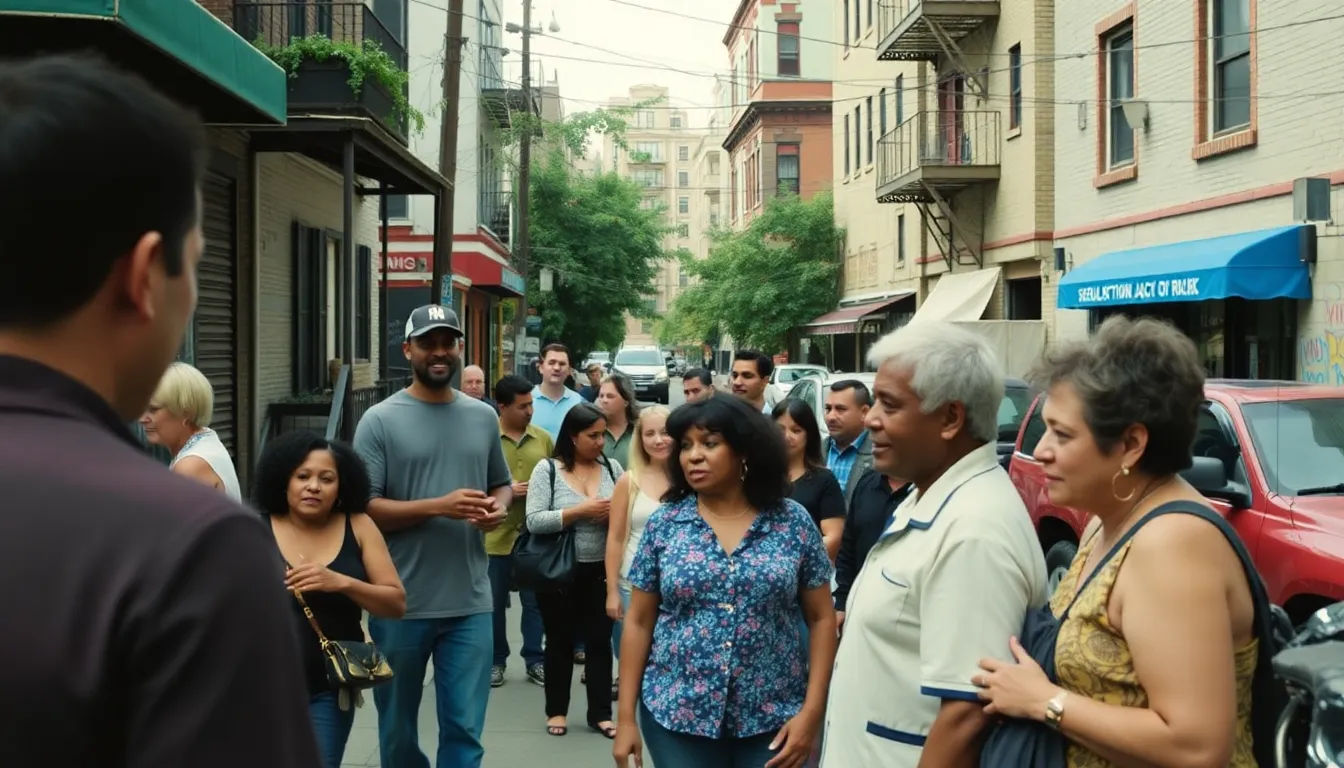
Historically, neighborhoods have served as microcosms of larger societal issues, including economic disparity, racial tensions, and cultural exchanges. The Safdie brothers, known for their gritty storytelling in films like ‘Uncut Gems,’ bring a unique lens to this exploration, focusing on the everyday lives of people often overlooked in mainstream narratives. The series taps into the zeitgeist of urban anxiety and connection, showcasing how the pressures of modern life can shape relationships between neighbors, which is akin to themes explored in the article about overcoming challenges.
The Evolution of Urban Documentary
The genre of urban documentary has evolved significantly over the past few decades, influenced by both technological advancements and changing societal norms. Early documentaries often focused on sensationalism or poverty, but contemporary works, including ‘Neighbors,’ strive for a more nuanced portrayal of urban life. This shift reflects a broader cultural understanding that communities are not merely defined by their struggles but also by their resilience and vibrancy.
Key milestones in this evolution include the rise of reality television and social media, which have transformed how stories are told and consumed. As audiences seek authenticity and relatability, shows like ‘Neighbors’ resonate by offering a raw, unfiltered look at the lives of ordinary people. The series not only entertains but also invites viewers to reflect on their own communities, urging a deeper understanding of the complexities that define neighborly relationships.
In the context of recent social movements advocating for community solidarity and social justice, ‘Neighbors’ arrives at a crucial moment. It underscores the importance of empathy and connection in an era marked by division. As viewers tune in, they are not just watching a docuseries; they are engaging with the very fabric of urban life, prompting conversations about what it means to be a good neighbor in today’s world.
Analyzing the Key Themes and Stakeholders
The release of HBO’s docuseries ‘Neighbors,’ produced by Josh Safdie, brings forth a unique intersection of entertainment, community dynamics, and social commentary. The series, drawing inspiration from the acclaimed film ‘Uncut Gems,’ explores the complexities of neighborly relationships in urban settings. This analysis aims to identify the main stakeholders involved and the key issues that arise from this innovative portrayal, similar to the discussions around cultural impacts of public narratives.

At the forefront of this production are the Safdie brothers, whose creative vision and narrative style significantly influence the series. Their interest lies in shedding light on the often-overlooked stories of everyday people, capturing the essence of community life while maintaining a gripping, cinematic quality. HBO, as a major broadcasting network, seeks to expand its content offerings and attract a diverse audience, aligning with current trends in docuseries that focus on real-life narratives.
Another critical stakeholder includes the neighborhoods depicted in the series. Residents and community organizations may have varying interests in how their stories are represented. On one hand, some may appreciate the visibility and authenticity brought to their experiences; on the other hand, there could be concerns about privacy and the potential for negative stereotypes. This duality highlights the delicate balance between storytelling and ethical representation.
- Economic Impact: The series may influence local economies by attracting tourism and interest in the neighborhoods featured.
- Legal Considerations: Filming in residential areas raises questions about permits, consent, and the rights of individuals portrayed.
- Cultural Sensitivity: The portrayal of diverse communities necessitates a thoughtful approach to avoid misrepresentation.
- Viewer Reception: Audience reactions can shape future productions and the direction of similar projects.
In summary, the interplay of these stakeholders and the surrounding issues illustrates the broader implications of ‘Neighbors’ as a docuseries. As it navigates the complexities of urban life, it also invites discussions on representation, community identity, and the responsibilities of filmmakers in depicting real-life narratives.
Impact on Viewers and Community Representation
The release of HBO’s docuseries ‘Neighbors,’ produced by Josh Safdie, brings a unique blend of storytelling that resonates deeply with various groups and communities. The series, inspired by the vibrant and often chaotic dynamics of neighborhood life, particularly in urban settings, is likely to affect viewers from diverse backgrounds, including local residents, community activists, and urban planners.
In the short term, the series could significantly influence how communities perceive themselves and their interactions with one another. Viewers may find a renewed sense of connection to their neighborhoods, prompting discussions about community issues and fostering a greater sense of belonging. This could lead to increased engagement in local events and initiatives aimed at improving community welfare.
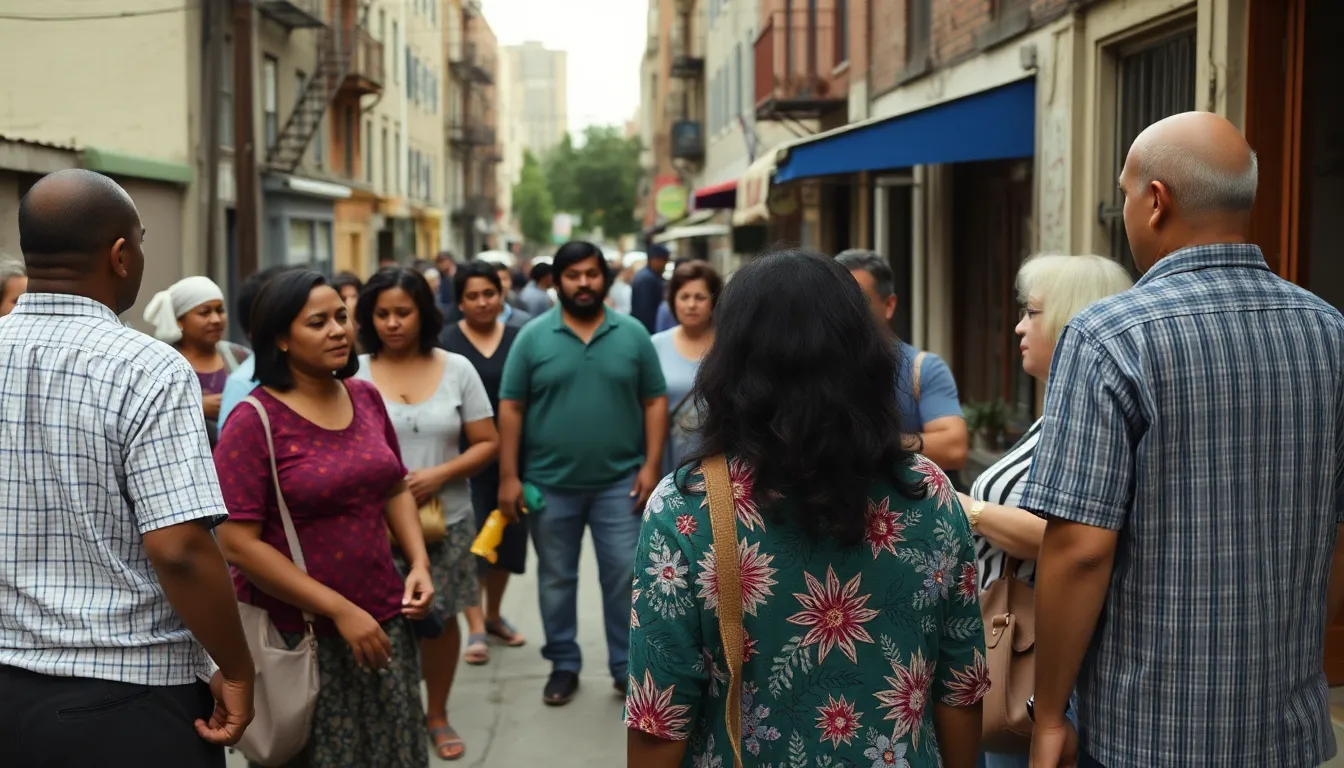
From a business perspective, local businesses may experience a boost as viewers seek to support establishments featured in the series or those that reflect the show’s themes. Additionally, industries such as real estate and urban development could see shifts in focus as the docuseries highlights the complexities of neighborhood dynamics, potentially prompting policy changes that prioritize community needs.
- Short-term impacts: Increased community engagement and local business patronage.
- Mid-term impacts: Potential policy shifts in urban planning and community development.
- Risks: Misrepresentation of communities leading to stereotypes or backlash.
- Opportunities: Greater awareness of local issues and enhanced community solidarity.
However, there are risks involved as well. If the series fails to accurately represent the complexities of neighborhood life, it may lead to stereotypes or misinterpretations that could alienate certain groups. The portrayal of conflict or tension within neighborhoods might overshadow positive narratives, creating a skewed perception that could impact community relations adversely.
Ultimately, ‘Neighbors’ serves as a mirror reflecting the intricacies of modern urban life, offering both risks and opportunities for viewers and the communities depicted. As audiences engage with the series, the potential for positive change in community dynamics and local policies remains significant, provided the narrative is embraced with a critical yet open mindset.
A: Neighbors focuses on the dynamics of community living, exploring how relationships among neighbors shape everyday life and experiences. A: The style of Neighbors incorporates a similar intensity and raw storytelling as Uncut Gems, bringing real-life narratives to the forefront. A: The docuseries is produced by Josh Safdie, known for his work on Uncut Gems, alongside a talented team that brings diverse perspectives. A: The series delves into themes of community, conflict, and connection, highlighting the complexities of neighborly relationships. A: Neighbors is available for streaming on HBO Max, allowing viewers to engage with its compelling stories.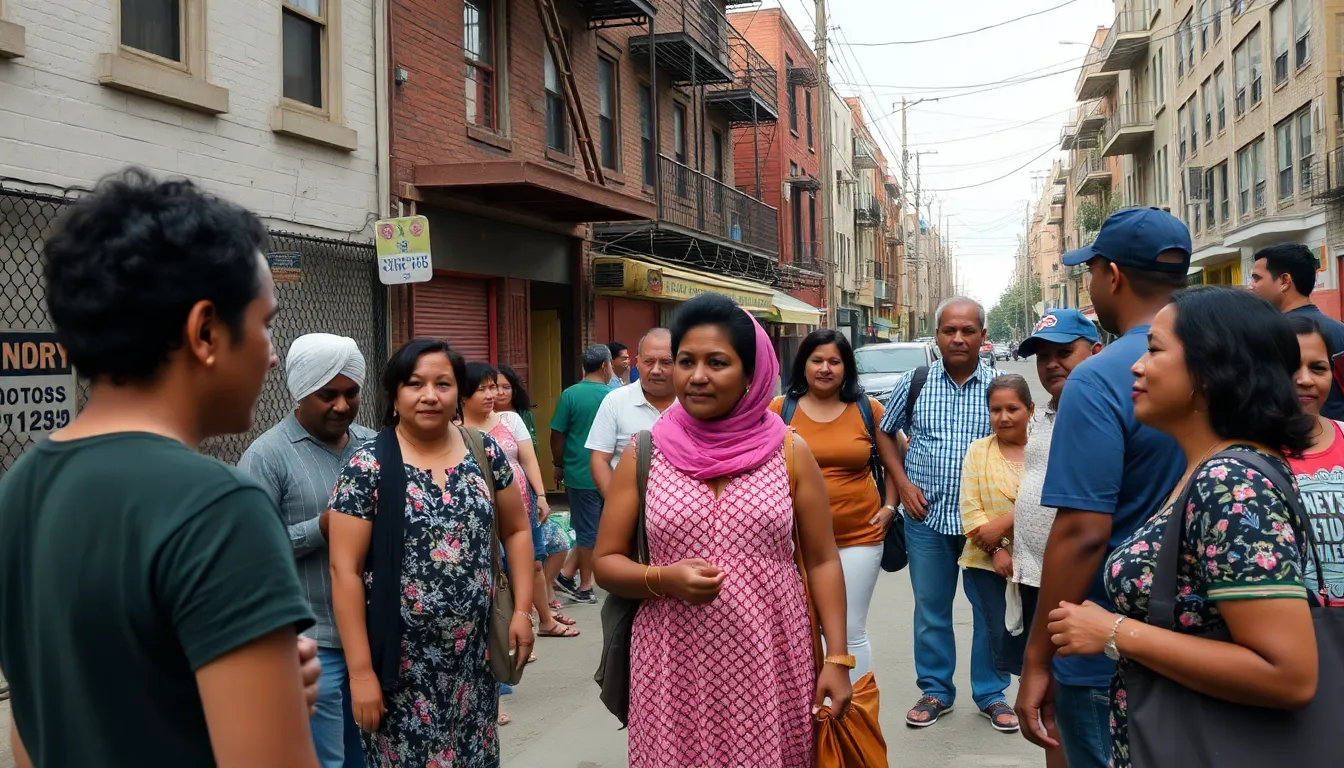
Frequently Asked Questions About Neighbors
Key Takeaways and Future Outlook for Neighbors
HBO’s docuseries ‘Neighbors,’ produced by Josh Safdie, brings a unique blend of community storytelling and cinematic flair reminiscent of ‘Uncut Gems.’ The series not only explores the dynamics of neighborhood relationships but also highlights the complexities of human interactions in a modern context. As audiences become more attuned to the nuances of local life, ‘Neighbors’ stands out as a poignant reflection of contemporary society.
Moving forward, the impact of this docuseries could be significant in shaping how viewers perceive their own communities. It encourages a deeper understanding of the diverse narratives that exist within neighborhoods, potentially fostering a greater sense of connection and empathy among viewers.
- Community Engagement: Expect an increase in local initiatives inspired by the themes presented in the series, as viewers seek to engage more meaningfully with their neighbors.
- Documentary Trends: The success of ‘Neighbors’ may pave the way for more docuseries that blend documentary storytelling with cinematic techniques, appealing to a wider audience.
- Character-Driven Narratives: Future productions may focus on character-driven stories that emphasize personal experiences within communities, enhancing viewer relatability.
- Social Commentary: The series could spark discussions about social issues prevalent in neighborhoods, encouraging a dialogue that extends beyond the screen.