


This decision was announced on October 15, 2023, following a series of protests and negative media coverage highlighting the potential for increased surveillance in neighborhoods. Critics argued that the collaboration could lead to the erosion of privacy rights and disproportionate targeting of marginalized communities, a concern also addressed in our article on A.I. safety.
In response to the backlash, Amazon’s Ring has stated that it remains committed to ensuring user privacy and community trust. The company emphasized that the termination of the contract aligns with its goal of maintaining transparency and accountability in its security practices.
The ramifications of this decision are significant, as it reflects a growing trend among technology companies to reconsider their partnerships in light of public opinion. As consumers become more aware of privacy issues, companies like Ring may need to adapt their strategies to meet the evolving expectations of their users.
Understanding the relationship between Ring and the surveillance firm
Amazon’s Ring, a home security company known for its video doorbells and home surveillance cameras, has faced scrutiny over its partnerships with law enforcement and surveillance firms. The relationship between Ring and these entities has raised significant concerns regarding privacy, civil liberties, and the potential for mass surveillance. This backlash has intensified in recent years as public awareness of surveillance practices and their implications has grown, similar to what occurred during Riot’s layoffs.
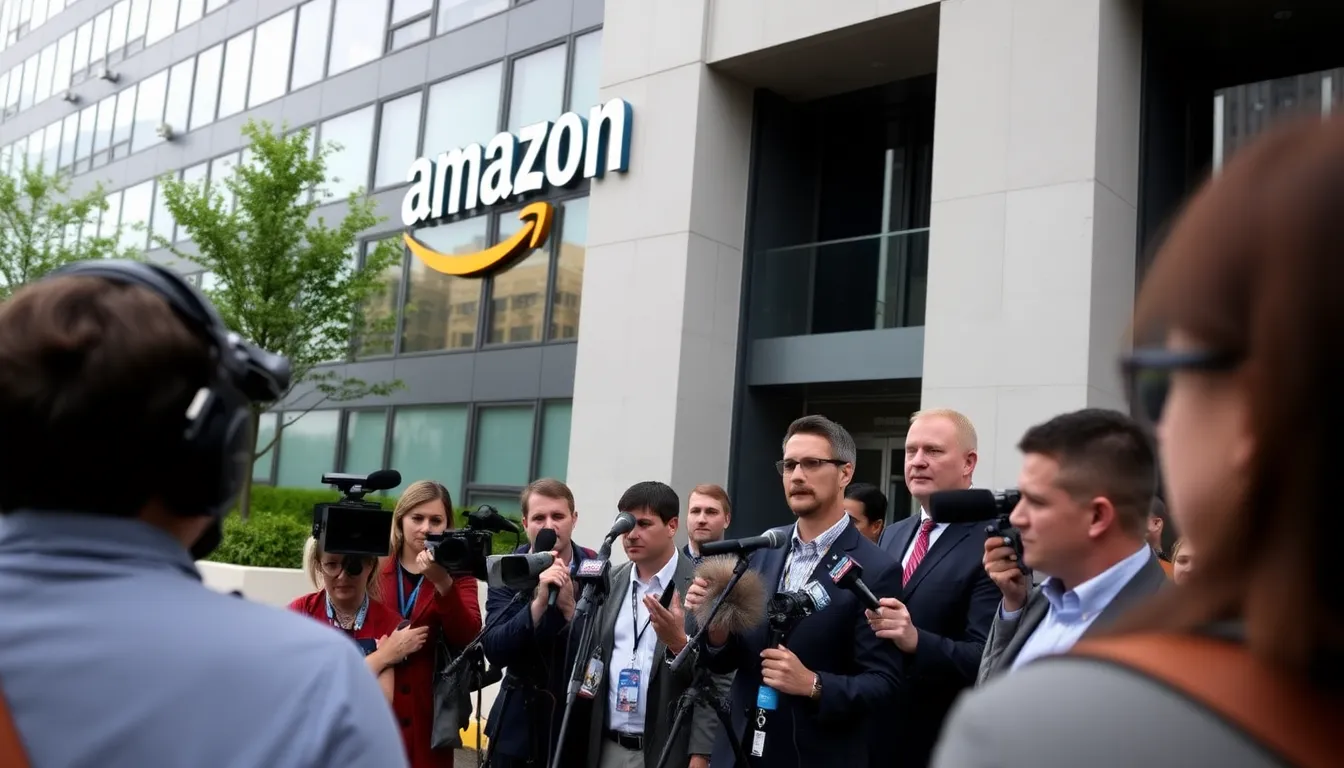
The partnership between Ring and various surveillance firms began as a way to enhance public safety by providing law enforcement with access to video footage from Ring users. However, critics argue that this relationship blurs the lines between community safety and invasive surveillance, leading to a culture of monitoring that disproportionately affects marginalized communities. As social movements advocating for privacy and civil rights gained momentum, the scrutiny on Ring’s practices increased.
Key milestones in the evolution of Ring’s surveillance partnerships
One of the pivotal moments in this ongoing debate occurred in 2020 when reports emerged detailing the extent of Ring’s collaborations with police departments across the United States. These partnerships often involved the sharing of footage without warrants, raising alarms among civil rights advocates. As public outrage mounted, several cities began to reconsider or terminate their agreements with Ring, highlighting a growing demand for accountability in surveillance practices.
The backlash reached a peak in late 2022 when advocacy groups launched campaigns urging consumers to reconsider their use of Ring products. This movement was fueled by a series of incidents where footage was misused or where the presence of Ring cameras was linked to increased policing in certain neighborhoods, reflecting trends discussed in our review of Wuthering Heights.
Key stakeholders and issues surrounding the partnership
The recent decision by Amazon’s Ring to terminate its partnership with a surveillance firm has sparked a complex discussion involving various stakeholders. Key actors in this scenario include Amazon, the surveillance firm, civil rights organizations, local governments, and consumers. Each of these stakeholders has distinct interests that influence their stance on the partnership and its implications for privacy and security.
Amazon, as the parent company of Ring, is primarily interested in maintaining its market position while addressing consumer concerns regarding privacy. The backlash from civil rights organizations and privacy advocates has raised significant questions about the ethical implications of surveillance technology. These groups argue that such partnerships can lead to increased surveillance and potential abuse of power, especially in marginalized communities.
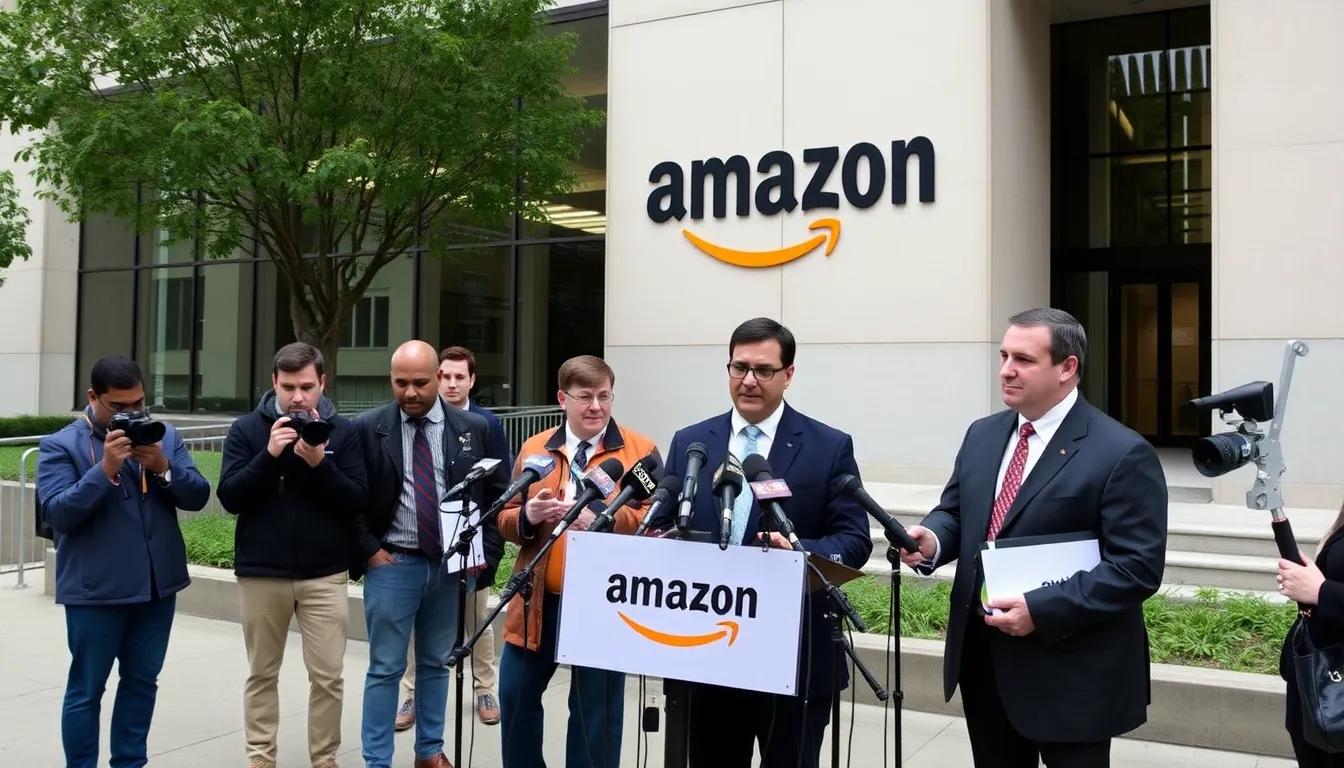
Local governments, on the other hand, may view partnerships with surveillance firms as a way to enhance public safety and crime prevention. However, this raises conflicts with civil liberties, as the deployment of surveillance technology can lead to over-policing and erosion of trust between communities and law enforcement. The challenge lies in balancing safety and privacy, a trade-off that often leads to heated debates.
- Consumer Privacy: The growing concern among consumers regarding data security and privacy breaches in the wake of surveillance technology.
- Regulatory Scrutiny: Increased attention from lawmakers and regulators on the implications of surveillance partnerships.
- Public Safety vs. Civil Liberties: The ongoing debate on how to effectively balance the need for public safety with the protection of individual rights.
- Corporate Responsibility: The expectation for companies like Amazon to act ethically and transparently in their business practices.
- Technological Innovation: The potential for advancements in technology to either enhance or undermine privacy protections.
In conclusion, the termination of the partnership highlights the intricate web of interests and conflicts that define the landscape of surveillance technology. As stakeholders navigate these issues, the outcomes will likely influence future policies and corporate practices in the realm of privacy and security.
Implications for consumers and the surveillance market
The decision by Amazon’s Ring to end its partnership with a surveillance firm has significant implications for various stakeholders, including consumers, privacy advocates, and the broader surveillance market. The immediate fallout will be felt by users of Ring products, particularly those in urban areas where surveillance technologies are increasingly integrated into daily life.
In the short term, consumers may experience a sense of relief as their privacy concerns are acknowledged. However, there may also be confusion regarding the future of their devices and the data they collect. As Ring navigates this transition, users could see changes in functionality or features, which may impact their overall satisfaction and trust in the brand.
From a business perspective, the surveillance industry may face increased scrutiny and potential regulatory changes. Companies that rely on partnerships with tech firms for data collection may need to reassess their strategies, leading to a potential decline in market confidence. Conversely, this could also create opportunities for companies that prioritize consumer privacy and ethical data use.
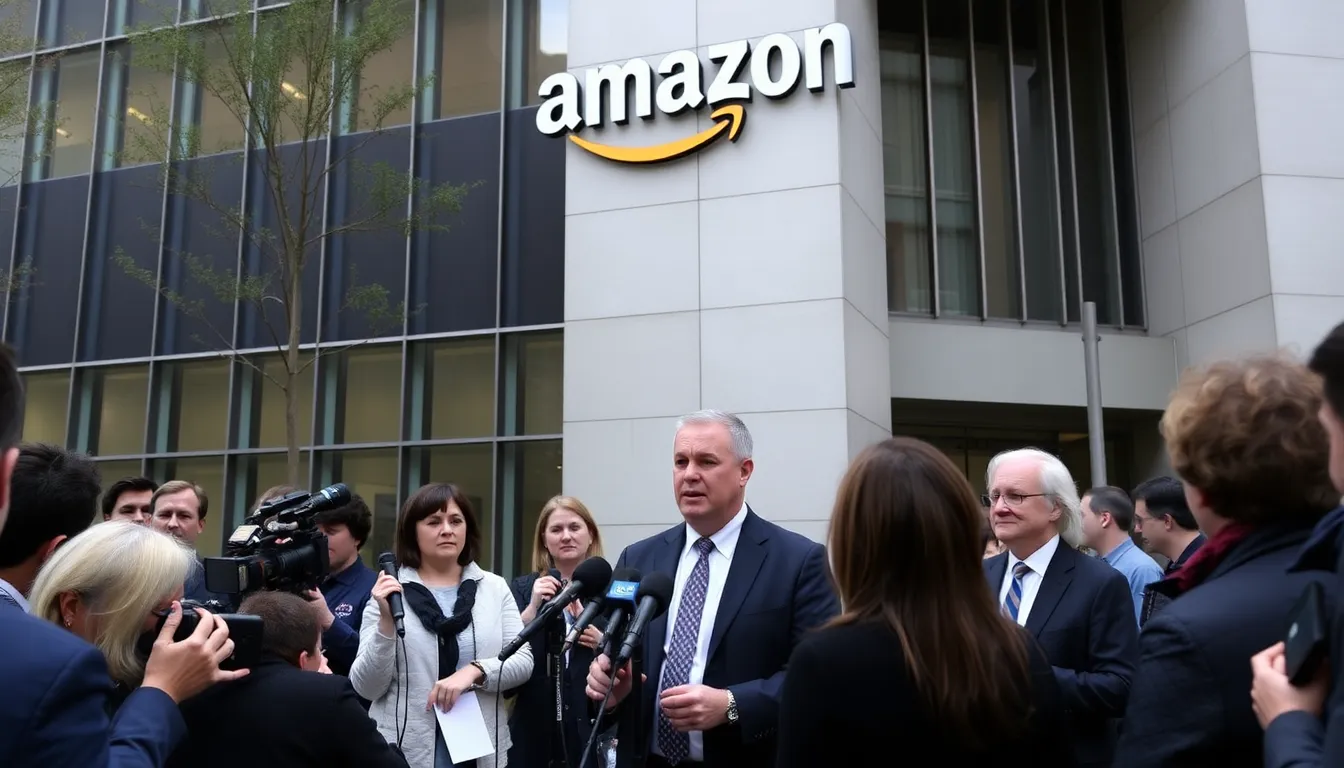
- Privacy concerns: Heightened awareness may lead consumers to demand more transparency and control over their data.
- Regulatory changes: Increased scrutiny could prompt new legislation affecting surveillance technologies.
- Market shifts: A potential rise in demand for privacy-focused alternatives in the smart home market.
In the mid-term, the implications of this decision could foster a more privacy-conscious consumer base, which may influence purchasing decisions across the tech landscape. Businesses that adapt to these changing consumer preferences may find new avenues for growth, while those that fail to align with privacy expectations could struggle to maintain relevance in an evolving market.
A: The decision was influenced by public backlash regarding privacy concerns and the ethical implications of surveillance technology. A: Critics argued that the partnership could lead to increased surveillance and erosion of personal privacy, sparking widespread concern among users. A: The termination may lead Ring to reevaluate its partnerships and focus more on privacy-centric features to regain consumer trust. A: This move could signal a shift in the industry towards more responsible practices, as companies may face increased scrutiny from the public. A: It remains unclear, but Ring may prioritize partnerships that align better with privacy standards moving forward.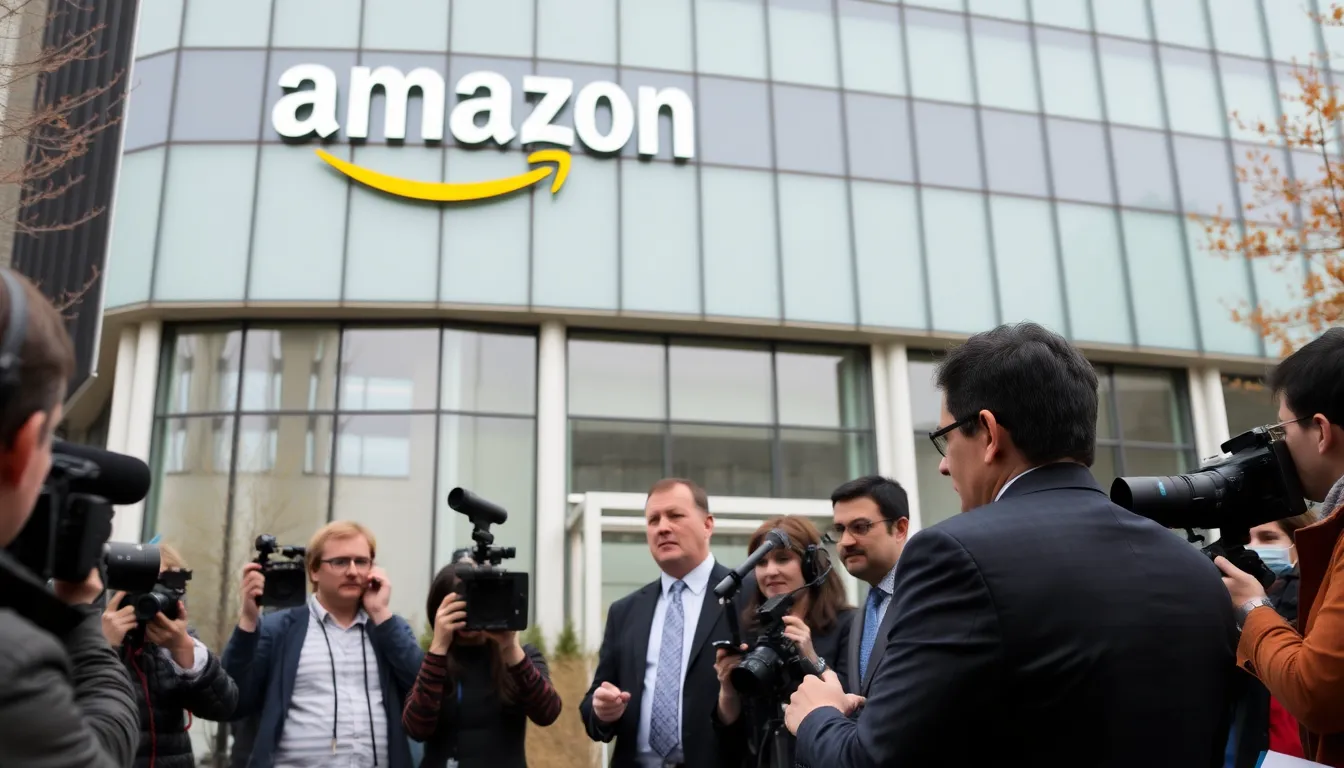
Frequently asked questions about the contract termination
Future outlook for Amazon’s Ring and privacy concerns
The recent decision by Amazon’s Ring to terminate its partnership with a surveillance firm marks a significant shift in the conversation surrounding privacy and technology. Amid growing concerns about surveillance practices and data privacy, this move reflects a response to public backlash and a potential reevaluation of the company’s approach to user data and community trust. As consumers become increasingly aware of privacy implications, companies like Ring may need to adapt their strategies to maintain user confidence and market relevance.
Looking ahead, the implications of this decision could resonate beyond Ring, influencing broader industry trends regarding privacy and surveillance technology. Stakeholders will need to monitor how Ring navigates its future partnerships and product developments in a landscape that demands transparency and ethical considerations.
- Increased scrutiny: Expect heightened scrutiny from both consumers and regulators regarding data privacy practices across the tech industry.
- Shift in partnerships: Companies may reconsider their partnerships with surveillance firms to align with public sentiment and ethical standards.
- Consumer demand for transparency: There will likely be a growing demand for transparency in how user data is collected, used, and shared.
- Innovation in privacy features: Companies might invest more in innovative privacy features to enhance user trust and security.
- Potential for regulatory changes: Increased public concern could lead to new regulations governing surveillance technologies and data privacy protections.