


The attack occurred near the town of El Obeid, where thousands of people have been displaced due to fighting. Witnesses reported that the drone targeted a group of civilians, including women and children, who were fleeing the violence. The Sudanese Doctors’ Union confirmed the casualties and condemned the attack as a violation of humanitarian principles. For further information on the humanitarian impact, see our article on health crises.
The RSF, a paramilitary group involved in the Sudanese conflict, has been accused of committing numerous human rights abuses throughout the ongoing turmoil. The international community has expressed alarm over the increasing frequency of such attacks, which exacerbate the humanitarian crisis in the country and hinder efforts for peace.
As the situation in Sudan continues to deteriorate, humanitarian organizations are struggling to provide aid to those affected. The recent drone strike highlights the urgent need for a ceasefire and the protection of civilians, as the conflict shows no signs of abating.
Understanding the ongoing conflict in central Sudan
The conflict in Sudan has deep historical roots, stemming from a complex interplay of ethnic, political, and economic factors. Since gaining independence from British-Egyptian rule in 1956, Sudan has experienced a series of civil wars, military coups, and regional conflicts that have exacerbated tensions among its diverse population. The Darfur conflict, which began in 2003, highlighted the struggles between government forces and various rebel groups, leading to widespread violence and humanitarian crises that continue to affect the region today.
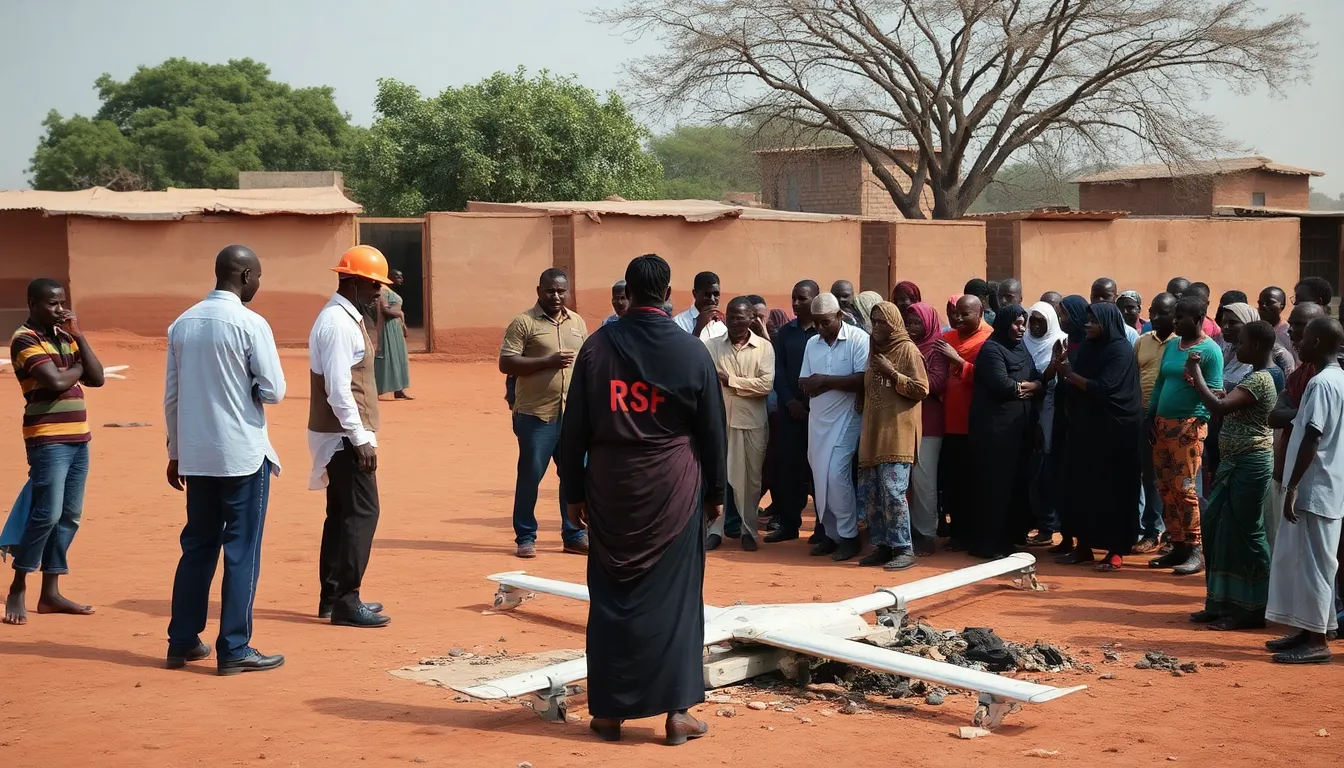
In recent years, the power struggle between the Sudanese Armed Forces (SAF) and the Rapid Support Forces (RSF) has intensified, leading to a volatile situation in central Sudan. The RSF, originally formed from militias involved in the Darfur conflict, has gained significant influence and control over various territories. This rivalry has not only resulted in military confrontations but has also had dire consequences for civilians, who often find themselves caught in the crossfire.
The recent drone attack that killed 24 people fleeing the fighting underscores the dire humanitarian situation in central Sudan. As people attempt to escape the violence, they are increasingly vulnerable to attacks from both the SAF and RSF. Humanitarian organizations have reported that the ongoing conflict has led to mass displacement, food insecurity, and an overwhelming need for medical assistance, further complicating an already fragile situation. This situation highlights the importance of international humanitarian law in protecting civilians during conflict.
Key milestones in Sudan’s conflict
Several key milestones have shaped the current landscape of conflict in Sudan. The signing of the Comprehensive Peace Agreement in 2005 aimed to end the Second Sudanese Civil War but failed to address underlying issues, leading to the secession of South Sudan in 2011. The ousting of long-time President Omar al-Bashir in 2019 sparked hopes for democratic reforms, but the subsequent power struggle between military and civilian leaders has led to renewed violence and instability.
As the situation continues to evolve, the international community remains concerned about the humanitarian implications of the conflict. Efforts to mediate peace and provide aid have been hampered by the ongoing violence, leaving many civilians in desperate need of assistance as they navigate an increasingly perilous environment.
Key stakeholders and implications of the RSF actions
The recent drone attack attributed to the Rapid Support Forces (RSF) in central Sudan, which resulted in the tragic loss of 24 lives, has highlighted a complex web of stakeholders and interests. The RSF, a paramilitary group with significant influence in Sudan, is at the center of this incident. Their actions are driven by a desire to maintain power and control over territories amidst ongoing conflict, particularly as they vie for dominance against other factions, including the Sudanese Armed Forces (SAF). Understanding this context is crucial in analyzing the broader implications of conflict, similar to how different factors influence various societal issues.
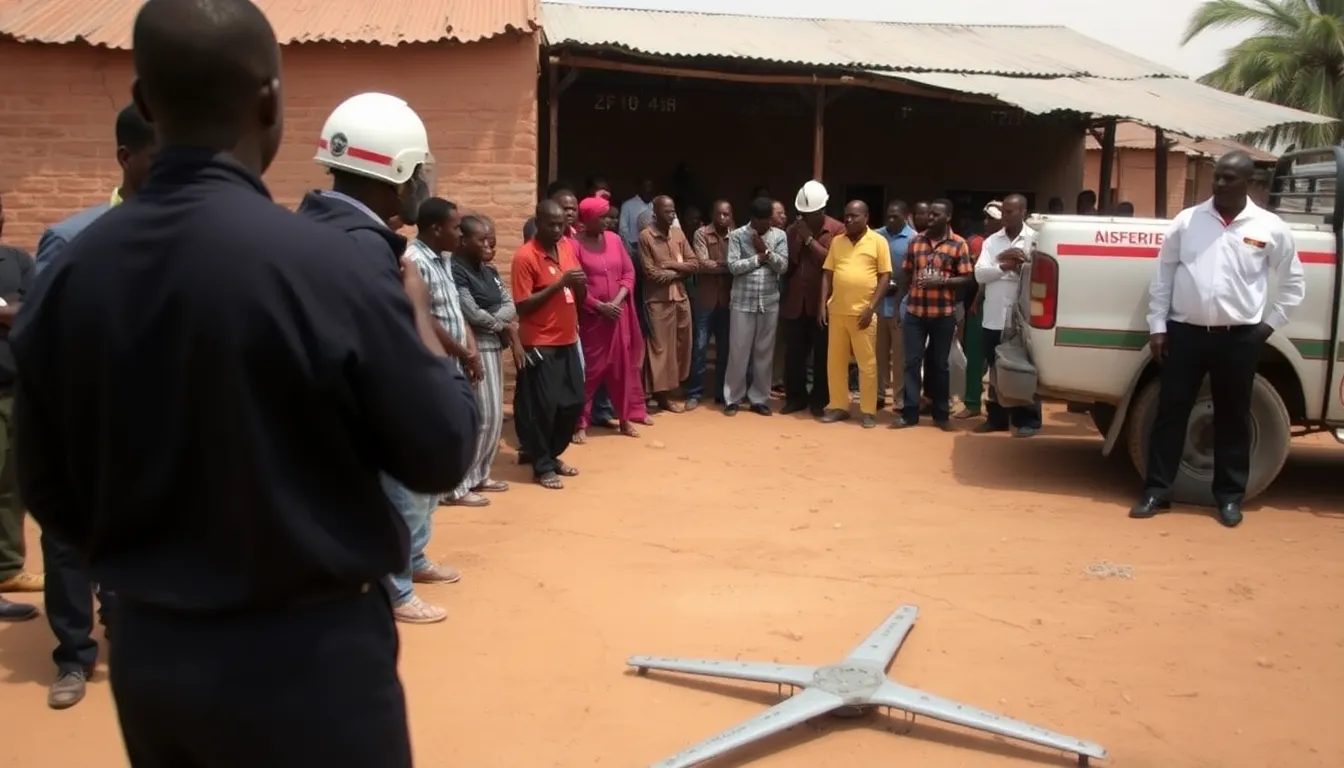
Another key stakeholder is the civilian population, who are often caught in the crossfire of these violent confrontations. Many individuals are fleeing violence in search of safety, making them vulnerable to attacks like the one reported. Humanitarian organizations, such as Doctors Without Borders and the Sudanese Doctors’ Union, play a crucial role in documenting casualties and providing medical assistance, emphasizing the dire need for protection and support for civilians.
International stakeholders, including foreign governments and human rights organizations, are also involved. They are closely monitoring the situation and may consider imposing sanctions or taking diplomatic actions against the RSF. The implications of these actions can lead to broader geopolitical tensions, especially in a region already fraught with instability.
- Humanitarian Impact: The attack exacerbates the humanitarian crisis, limiting access to essential services and increasing the number of internally displaced persons.
- Legal Ramifications: Potential violations of international law may prompt investigations and calls for accountability regarding the RSF’s actions.
- Regional Stability: Ongoing violence can destabilize neighboring countries, leading to a spillover of conflict and displacement.
- International Response: The incident may trigger a reevaluation of foreign aid and military support to Sudan, affecting the political landscape.
In summary, the RSF’s actions not only impact immediate victims but also resonate across various sectors, influencing humanitarian efforts, legal frameworks, and international relations. Understanding these dynamics is essential for comprehending the broader implications of the conflict in Sudan.
The humanitarian impact of the drone strike on civilians
The recent drone attack in central Sudan has tragically claimed the lives of 24 individuals who were fleeing from violence. This incident has not only resulted in immediate loss of life but has also exacerbated the ongoing humanitarian crisis in the region. Various groups, including displaced families, humanitarian organizations, and local communities, are profoundly affected by this violence.
In the short term, the immediate impact on daily life is devastating. Families are left grieving and without support, while humanitarian workers face increased challenges in delivering aid. The fear of further attacks may deter individuals from seeking refuge or assistance, leading to a rise in unmet basic needs such as food, shelter, and medical care. Businesses in affected areas may also suffer as instability disrupts local economies and trade.
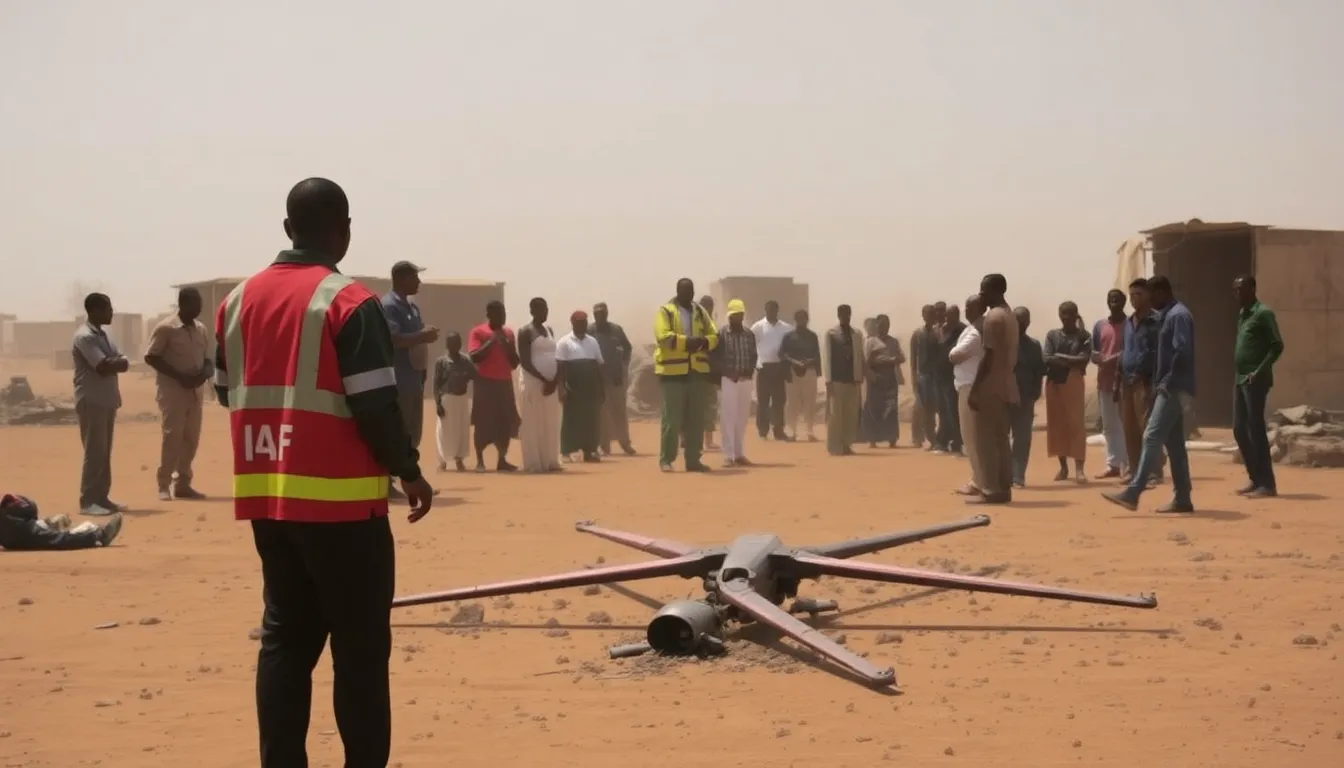
In the mid-term, the political landscape may shift as the violence continues to escalate. Local and international responses could lead to increased sanctions or military interventions, impacting policy decisions both domestically and abroad. Furthermore, the ongoing conflict may prompt a reevaluation of humanitarian strategies, as organizations may need to adapt to the changing security situation.
- Increased displacement of civilians seeking safety.
- Challenges for humanitarian organizations in delivering aid.
- Potential for heightened international scrutiny and intervention.
- Economic disruptions affecting local businesses and trade.
Despite the overwhelming risks, there may also be opportunities for advocacy and support. Increased awareness of the situation could lead to greater international solidarity and funding for humanitarian efforts. Additionally, local communities may come together to support one another, fostering resilience in the face of adversity. However, the path forward remains fraught with uncertainty as the conflict continues to unfold.
A: The RSF drone attack occurred amid escalating violence in central Sudan, where armed groups are competing for control. Civilians fleeing the conflict became unintended victims of this aggression. A: The RSF, or Rapid Support Forces, is a paramilitary group in Sudan that has been involved in various conflicts, often accused of human rights violations and violence against civilians. A: Civilians in Sudan are facing dire circumstances due to ongoing conflicts, with many displaced and in need of humanitarian assistance. The recent attack has exacerbated their vulnerability. A: The international community has expressed concern over the violence in Sudan, urging for accountability and protection of civilians. However, concrete actions have been limited.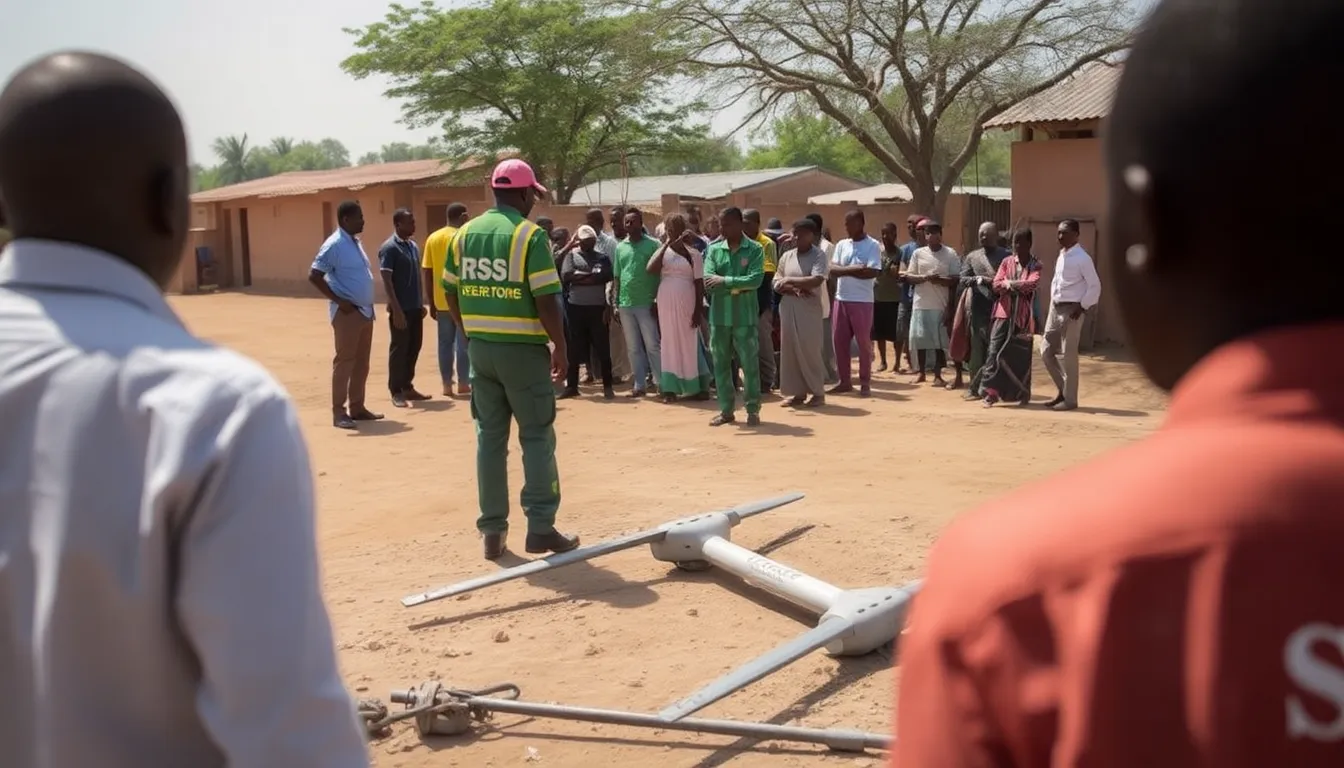
Frequently asked questions about the RSF drone attack
Key takeaways and future outlook on the situation
The recent drone attack attributed to the Rapid Support Forces (RSF) in central Sudan, which resulted in the tragic loss of 24 lives, underscores the escalating violence in a region already grappling with significant humanitarian challenges. This incident not only highlights the immediate dangers faced by civilians fleeing conflict but also raises critical questions about the broader implications for stability in Sudan and the international community’s response.
As the situation continues to evolve, it is essential to monitor the potential for further escalations and the impact on humanitarian efforts. The international community may need to reassess its strategies to provide aid and support to those affected by the ongoing violence, while also considering diplomatic avenues to address the root causes of the conflict.
- The increasing frequency of attacks on civilians indicates a deteriorating security situation that could lead to more significant humanitarian crises.
- International response strategies may need to shift towards a more proactive approach to prevent further loss of life and support displaced populations.
- Continued monitoring of the RSF’s actions will be crucial for understanding the dynamics of power and control within the region.
- The potential for regional spillover effects necessitates vigilance from neighboring countries and international organizations.
- Humanitarian organizations may face mounting challenges in delivering aid, underscoring the need for secure access and protection for aid workers.