


Critics have been quick to weigh in, with many highlighting the film’s visual storytelling and atmospheric setting on the moors of Yorkshire. The cinematography has been praised for capturing the haunting beauty of the landscape, which plays a crucial role in the narrative. This adaptation aims to bring a fresh perspective to the well-known story, appealing to both longtime fans and new viewers alike.
In addition to Robbie, the film stars a diverse cast, including rising actors who bring new interpretations to iconic characters. The performances have been a focal point in reviews, with particular emphasis on the chemistry between the lead actors. This dynamic is essential to the film’s exploration of love and obsession, central themes in Emily Brontë’s original work.
This adaptation has also sparked discussions about the relevance of classic literature in contemporary cinema, as filmmakers continue to reinterpret timeless stories, audiences are prompted to reflect on the enduring nature of themes such as passion, revenge, and the complexities of human relationships. For more insights, check out our article on Josef Fares and his latest projects.
Understanding the historical significance of Wuthering Heights
Published in 1847, Emily Brontë’s ‘Wuthering Heights’ has long been regarded as a seminal work in English literature, blending elements of the gothic novel with a complex exploration of human emotions and relationships. Its publication came at a time when the Victorian era was beginning to shape societal norms around class, gender, and morality. Brontë’s work stood in stark contrast to the romanticized depictions of love and life prevalent in her time, offering a raw and often tumultuous narrative that challenged existing literary conventions.
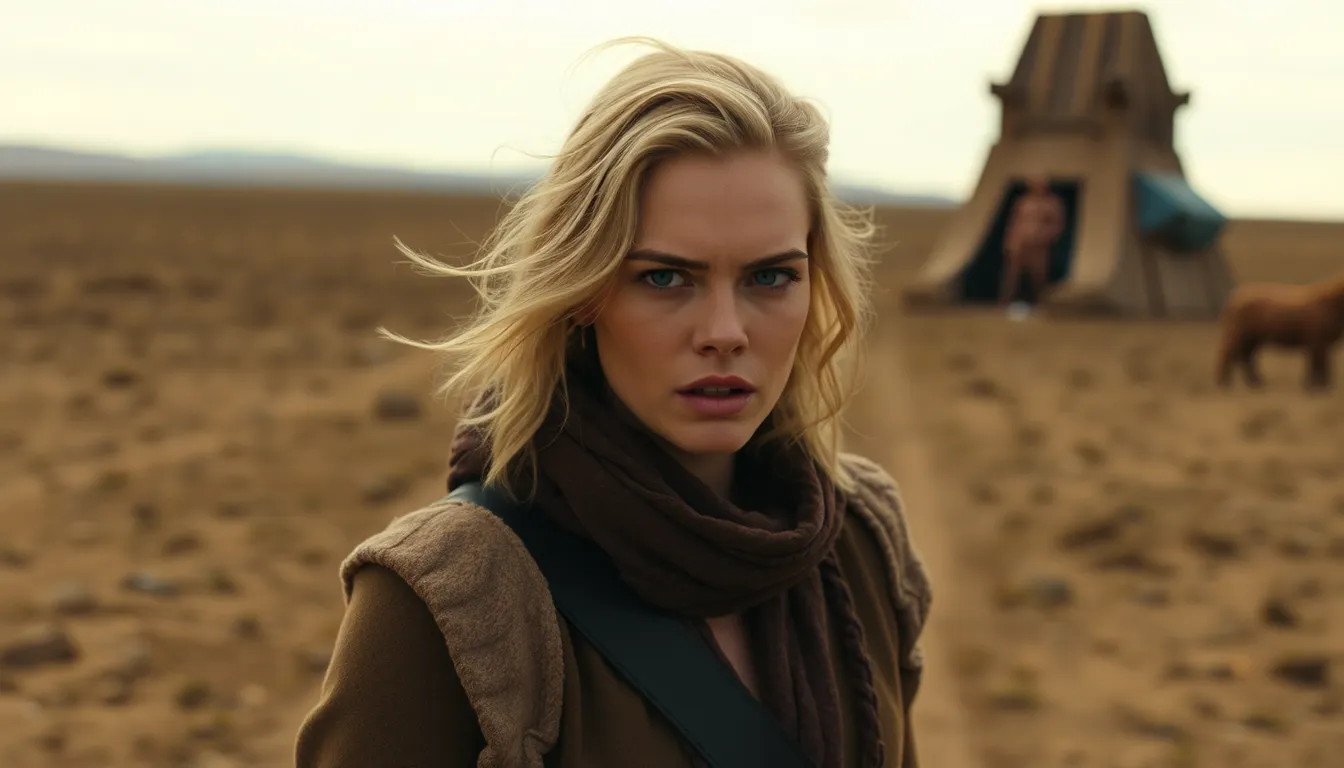
The novel’s setting on the Yorkshire moors is not merely a backdrop but a character in itself, symbolizing the wildness and unpredictability of nature, which parallels the tumultuous relationships within the story. The moors represent the isolation and emotional turmoil experienced by the characters, particularly Heathcliff and Catherine. This connection to the landscape reflects the Romantic era’s fascination with nature, yet Brontë’s portrayal is more visceral and dark, setting the stage for the psychological depth that defines the narrative.
Social Context and Gender Dynamics
Brontë, along with her sisters, challenged these norms by publishing their works under male pseudonyms, which allowed them to bypass the prejudices of their time. This is a theme that resonates deeply with current discussions on feminism; for further exploration of modern perspectives on classic literature, see our piece on team dynamics in gaming.
The critical reception of ‘Wuthering Heights’ has evolved dramatically since its release. Initially met with mixed reviews, the novel has since been celebrated for its innovative narrative structure and deep psychological insight. Key milestones in its literary journey include its rediscovery in the early 20th century, when scholars began to appreciate Brontë’s unique voice and the novel’s thematic depth, leading to its current status as a classic of English literature.
Key themes and character portrayals in the film
In ‘Wuthering Heights,’ the portrayal of characters such as Heathcliff, Catherine, and the surrounding community reflects the complexities of human relationships and societal norms. The film, featuring Margot Robbie, brings a modern sensibility to these classic characters, inviting both admiration and criticism from various stakeholders.
The production company, which aims to attract a contemporary audience while remaining faithful to Emily Brontë’s original narrative, is a significant actor in the adaptation process. In this context, the challenges faced by filmmakers today are reflected in various industries, as outlined in our discussion on Sony’s recent cancellations.

Additionally, actors and actresses involved in the film, including Robbie, have vested interests in how their performances are received. They seek to expand their careers and gain recognition, which can sometimes lead to trade-offs between personal artistic expression and the expectations of the audience and critics.
- Character Conflicts: The tumultuous relationships depicted in the film highlight the struggles between personal desires and societal expectations.
- Economic Pressures: The production faces financial considerations that may influence casting and marketing strategies.
- Cultural Reception: The film’s interpretation of classic themes may provoke differing opinions among traditionalists and modern viewers.
- Legal Considerations: Adaptations of literary works often navigate copyright issues and the rights of original authors’ estates.
In summary, the interactions between these various stakeholders and their distinct interests reveal underlying tensions in the adaptation of ‘Wuthering Heights.’ The film serves as a lens through which audiences can explore these conflicts while engaging with timeless themes of love, betrayal, and redemption.
How this film affects the perception of classic literature adaptations
The release of ‘Wuthering Heights’ featuring Margot Robbie is likely to have a significant impact on various groups, particularly in the film and literary industries. Fans of classic literature, educators, and students will find themselves engaging with the material in new ways, while filmmakers and production companies may reassess their strategies for adapting literary works.
In the short term, audiences may experience a renewed interest in the original novel and its themes, leading to increased book sales and adaptations of other classic works. This could benefit bookstores, online retailers, and educational institutions that incorporate these texts into their curricula. Additionally, the film’s reception may influence streaming platforms to invest more in adaptations of classic literature, thus expanding their offerings.
However, there are risks involved. If the film is poorly received, it could deter future adaptations of classic literature, leading to a stagnation in the genre. Furthermore, if the film strays too far from the source material, it may alienate purists who feel that the integrity of the original work is compromised.
- Short-term impacts: Increased book sales, heightened interest in classic literature.
- Mid-term impacts: Potential rise in adaptations, changes in educational curricula.
- Risks: Alienation of purist audiences, potential backlash against future adaptations.
- Opportunities: New markets for classic literature, innovative storytelling methods in film.
Overall, the film’s impact on the perception of classic literature adaptations could reshape how these stories are told and received, fostering both challenges and opportunities in the industry.
A: The film delves into themes of love, revenge, and the impact of nature on human emotions, staying true to the original novel’s essence. A: Margot Robbie brings a fresh and intense portrayal of Cathy, emphasizing her complexity and emotional depth, which sets her apart from past performances. A: While the film retains the dark themes of the novel, it is generally suitable for older teens and adults due to its mature content. A: This version incorporates modern cinematography and a unique soundtrack, enhancing the atmospheric experience of the moors. A: The film is available in theaters and on various streaming platforms, depending on your region.
Frequently Asked Questions about the film
Key takeaways and future outlook for adaptations of classic novels
The recent adaptation of ‘Wuthering Heights’ featuring Margot Robbie has sparked renewed interest in the reinterpretation of classic literary works. As filmmakers continue to draw from timeless stories, the potential for innovative storytelling and modern themes becomes increasingly evident. This adaptation not only highlights the enduring appeal of the source material but also sets a precedent for how classic narratives can be reshaped to resonate with contemporary audiences.
As we look ahead, the landscape of literary adaptations appears promising. The success of this film may encourage further experimentation with genre, casting, and narrative structure in similar projects, ultimately enriching the cinematic experience for viewers.
- Expect a surge in adaptations of classic novels, particularly those with strong female leads, as seen with Margot Robbie’s portrayal.
- Watch for innovative storytelling techniques that blend traditional narratives with modern themes, appealing to a broader audience.
- Consider the impact of casting choices on audience engagement, as star power can significantly influence box office success.
- Monitor how filmmakers balance fidelity to the source material with creative liberties to keep narratives fresh and relevant.
- Anticipate discussions around the cultural significance of these adaptations and their role in reviving interest in classic literature.