


In 2023, France reported a declining birth rate, which has raised concerns about the long-term implications for the nation’s demographic structure. According to the National Institute of Statistics and Economic Studies, the birth rate fell to 1.83 children per woman, below the replacement level of 2.1. This trend highlights the importance of discussing fertility policies.
The letter, signed by the Minister of Health, François Braun, emphasizes the importance of supporting families and improving access to fertility treatments. However, critics argue that the proposed measures do not adequately address the barriers faced by couples struggling with infertility, such as financial constraints and long waiting times for treatments. These concerns are echoed by advocacy groups who push for better support systems.
Key players in this debate include reproductive health advocates, who are calling for more comprehensive policies, and opposition parties that are questioning the government’s commitment to family welfare. The mixed messages in the recent communication have left many feeling uncertain about the future of fertility support in France.
As discussions continue, the government faces pressure to clarify its position and take decisive action to address the growing concerns surrounding fertility and family planning. The outcome of these deliberations could have significant implications for public health and social policy in the coming years, particularly in light of the evolving family structures in society.

Background on fertility policies and public perception
Fertility policies in France have historically been shaped by a combination of social values, political decisions, and economic considerations. The country has long been recognized for its pro-natalist policies, aimed at encouraging childbirth and supporting families. This approach is rooted in the post-World War II era, when France sought to rebuild its population and workforce, leading to the establishment of various family benefits and support systems.
In recent years, however, the landscape of fertility has evolved, reflecting broader societal changes and shifting perceptions around family structures. The legalization of assisted reproductive technologies (ART) for same-sex couples and single women in 2021 marked a significant milestone, expanding access to fertility treatments and challenging traditional notions of family. This change was met with mixed reactions, highlighting the divide in public opinion regarding reproductive rights and the role of the state in personal decisions.
Economic Implications of Fertility Policies
The economic implications of fertility policies cannot be overlooked. France’s investment in family support has been seen as a way to bolster the economy by ensuring a stable workforce in the future. However, the rising costs associated with fertility treatments and the increasing number of individuals seeking assistance have raised concerns about sustainability. As the government navigates these challenges, the balance between supporting families and managing public funds remains a contentious issue.
The mixed messages conveyed in recent communications from the French government reflect the complexities surrounding fertility issues. On one hand, there is a clear commitment to supporting families through various policies; on the other hand, there is a palpable tension regarding the extent of state involvement in reproductive matters. This dichotomy illustrates the ongoing debate about the role of government in personal health decisions and the broader implications for society as a whole.
Key stakeholders and issues surrounding fertility discussions
The ongoing discourse surrounding fertility in France involves a variety of stakeholders, each with distinct interests and perspectives. Key actors include governmental bodies, healthcare organizations, advocacy groups, and individuals experiencing fertility challenges. These entities often find themselves navigating complex legal and ethical landscapes as they advocate for policies and practices that align with their goals.

One of the primary stakeholders is the French government, which plays a crucial role in shaping fertility policies through legislation and funding for reproductive health services. The government’s interests typically revolve around public health outcomes, population growth, and social equity. However, the government’s stance can sometimes conflict with the views of religious organizations and conservative groups who may oppose certain fertility treatments or reproductive rights, leading to a polarized debate.
Healthcare providers and fertility clinics are also significant players, as they are responsible for delivering reproductive health services. Their interests lie in promoting access to a range of fertility treatments and ensuring that these services are both effective and ethical. However, they face challenges related to regulatory compliance and the need to balance profit motives with patient care, which can create tensions within the industry.
Advocacy groups, including those representing individuals facing infertility, play a vital role in raising awareness and pushing for policy changes. These organizations often highlight issues such as the high costs of fertility treatments, the emotional toll of infertility, and the need for inclusive practices that cater to diverse family structures. Their efforts can sometimes clash with traditional views held by segments of society that may resist changes to established norms regarding family and reproduction.
- Conflicts between governmental policies and religious beliefs regarding reproductive rights.
- Economic barriers to accessing fertility treatments for low-income individuals.
- Legal challenges surrounding the regulation of assisted reproductive technologies.
- Diverse perspectives on the ethical implications of fertility treatments, including surrogacy.
- The impact of public health initiatives on the accessibility of reproductive healthcare services.
Impact of the letter on families and healthcare policies
The recent letter from the French government regarding fertility has generated mixed reactions among various groups, particularly families seeking assistance with reproductive health. This communication has implications for couples struggling with infertility, healthcare providers, and policymakers alike.
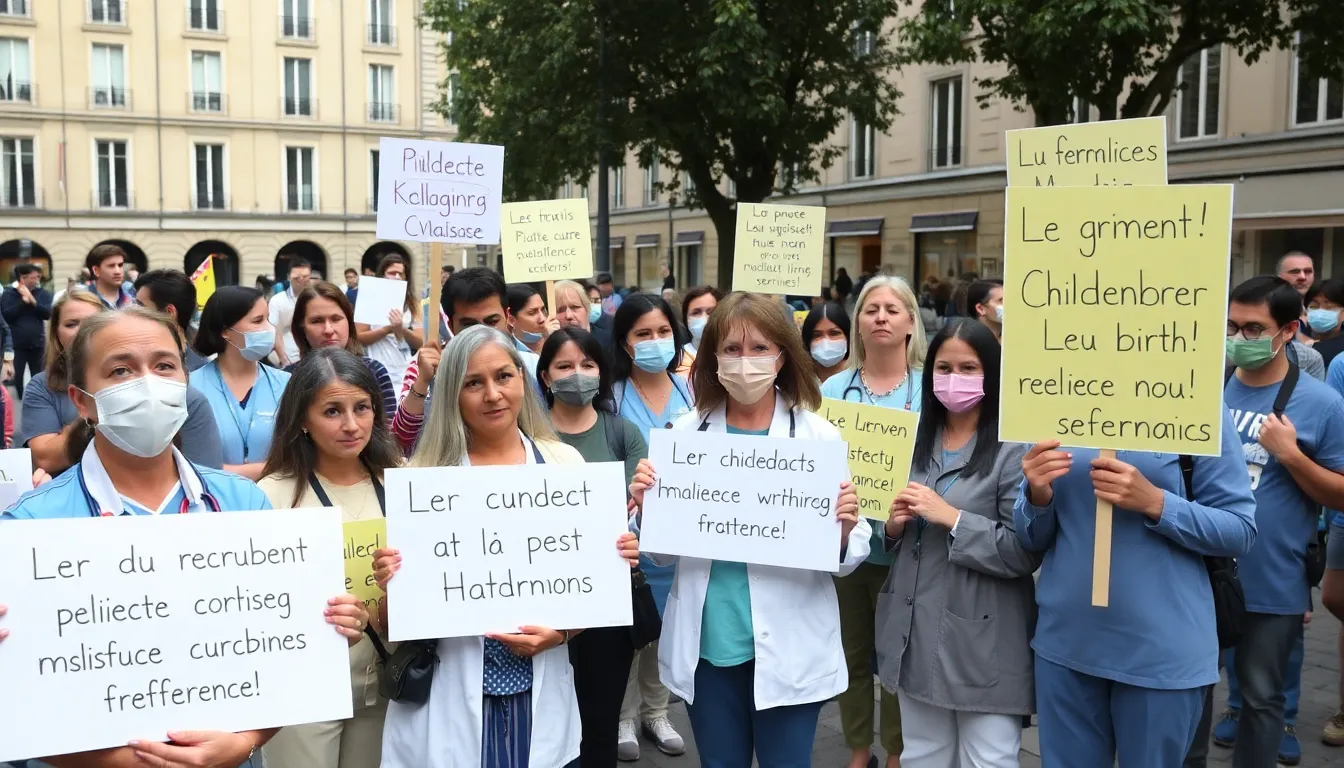
Families directly affected by fertility issues may experience increased anxiety and uncertainty as they navigate the mixed messages from the government. The letter’s ambiguous tone could lead to confusion about available resources and support, impacting their decision-making processes regarding family planning.
Healthcare providers, including fertility clinics and specialists, are also impacted. In the short term, they may face a surge in inquiries from concerned patients seeking clarity on the government’s stance. In the mid-term, this could translate into increased demand for services or, conversely, a decline if patients feel discouraged by the government’s lack of clear support.
- Short-term risks: Increased anxiety among families, potential decline in fertility clinic visits.
- Mid-term opportunities: Clinics may adapt services to better align with government policies, fostering innovation.
- Policy implications: The letter could prompt a reevaluation of fertility-related policies, leading to more comprehensive support systems.
Regions with higher rates of infertility may see a more pronounced impact, as local healthcare systems could become strained under the pressure of increased demand for fertility services. The letter may also influence regional policies, prompting local governments to take a more proactive approach in addressing reproductive health issues.
A: The letter discusses various aspects of fertility, including government support and societal pressures. It highlights the need for clearer communication on fertility policies. A: Individuals may feel confused or uncertain about the support available to them. The mixed messages could influence their decisions regarding treatment options. A: Policymakers may need to reassess their communication strategies and ensure that their messages align with the needs of the public regarding fertility issues. A: The letter suggests potential revisions, but specific changes have yet to be detailed. Ongoing discussions are expected to clarify future directions. A: Public perceptions are evolving, with increasing awareness and discussions around fertility challenges, leading to a demand for more transparent policies.
Frequently asked questions about fertility in France
Key takeaways and future outlook on fertility issues
The recent correspondence from French authorities regarding fertility has sparked a multifaceted discussion that reflects both the complexities of reproductive health and the societal attitudes towards family planning. As France navigates its policies, the implications of this communication could resonate across various sectors, influencing healthcare, social norms, and economic considerations.
Moving forward, stakeholders must remain vigilant to the evolving landscape of fertility issues, particularly as public sentiment and governmental strategies may shift in response to ongoing debates. The mixed messages in the letter suggest a need for clarity and a more cohesive approach to fertility support, which could shape future legislative actions and public health initiatives.
- Monitor potential changes in fertility policies as public and governmental responses evolve.
- Watch for shifts in public sentiment regarding family planning and reproductive rights, which may influence future legislation.
- Consider the impact of fertility discussions on healthcare providers and the resources they allocate to reproductive health services.
- Observe how economic factors, such as parental leave and childcare support, are intertwined with fertility trends in France.
- Stay informed about emerging research and societal attitudes that may further inform the discourse on fertility and family planning.