


The group, which includes prominent figures from the Republican Party, is responding to increasing pressure from various stakeholders, including businesses and consumers, who argue that the tariffs are detrimental to economic growth. The initiative was formally introduced in a bill that aims to alleviate the financial burden on American businesses reliant on Canadian imports. For more insights on political dynamics, see the article on Progressive Party in Thailand Adjusts Its Image for Leadership.
Former President Donald Trump has publicly criticized this bipartisan effort, warning Republican lawmakers that they risk alienating their voter base by siding with Democrats. His comments reflect ongoing tensions within the party regarding trade policy and the influence of Trump’s brand of politics on GOP members.
The legislative proposal is expected to be debated in the House in the coming weeks, with supporters arguing that lifting the tariffs could lead to lower prices for consumers and foster a stronger economic partnership with Canada. As discussions progress, the outcome may have significant implications for U.S.-Canada relations and the broader trade landscape.
Understanding the background of tariffs and political dynamics
The issue of tariffs between the United States and Canada has deep historical roots, often reflecting broader economic and political tensions. Tariffs have been used as tools for economic protectionism, aimed at shielding domestic industries from foreign competition. The relationship between the U.S. and Canada, both significant trading partners, has seen fluctuations in tariffs based on the prevailing political climate and economic conditions.

In recent years, the imposition of tariffs under the Trump administration marked a significant shift in U.S. trade policy. The rationale was to protect American jobs and industries, particularly in sectors like steel and aluminum. However, these tariffs led to retaliatory measures from Canada, straining the traditionally close economic ties between the two countries. The situation escalated as industries on both sides of the border faced increased costs and uncertainty, prompting calls for a reassessment of these trade barriers.
The Role of House Republicans
Amidst this backdrop, the recent actions of six House Republicans siding with Democrats to end the tariffs signify a notable shift in political dynamics. This bipartisan effort highlights a growing recognition among some lawmakers that the tariffs may be doing more harm than good, particularly for consumers and businesses reliant on cross-border trade. The move reflects a broader sentiment that economic cooperation with Canada is essential for long-term growth and stability, much like the evolving trade agreements discussed in the recent alignment of six planets.
Key milestones in this ongoing saga include the renegotiation of the North American Free Trade Agreement (NAFTA) into the United States-Mexico-Canada Agreement (USMCA), which aimed to modernize trade relations but also left many questions about tariffs unresolved. As the political landscape continues to evolve, the actions of these House Republicans may signal a turning point in U.S.-Canada trade relations, potentially paving the way for a more collaborative approach to tariffs and trade policy.
Key stakeholders and issues surrounding the tariff debate
The ongoing tariff debate between the United States and Canada involves several key stakeholders, each with distinct interests that influence their positions. The primary actors include House Republicans, Democrats, the Canadian government, and various industry groups affected by these tariffs. Understanding their motivations provides insight into the complexities of the issue.
House Republicans who are siding with Democrats in efforts to end the tariffs represent a faction that prioritizes economic stability and trade relationships over partisan loyalty. Their support for tariff reduction is driven by the interests of businesses in their districts that rely on trade with Canada. Conversely, other Republicans remain aligned with former President Trump, who views tariffs as a tool for protecting American jobs and industries. This division is reminiscent of discussions around leadership such as Iraola’s expressions of satisfaction with Rayan’s character.
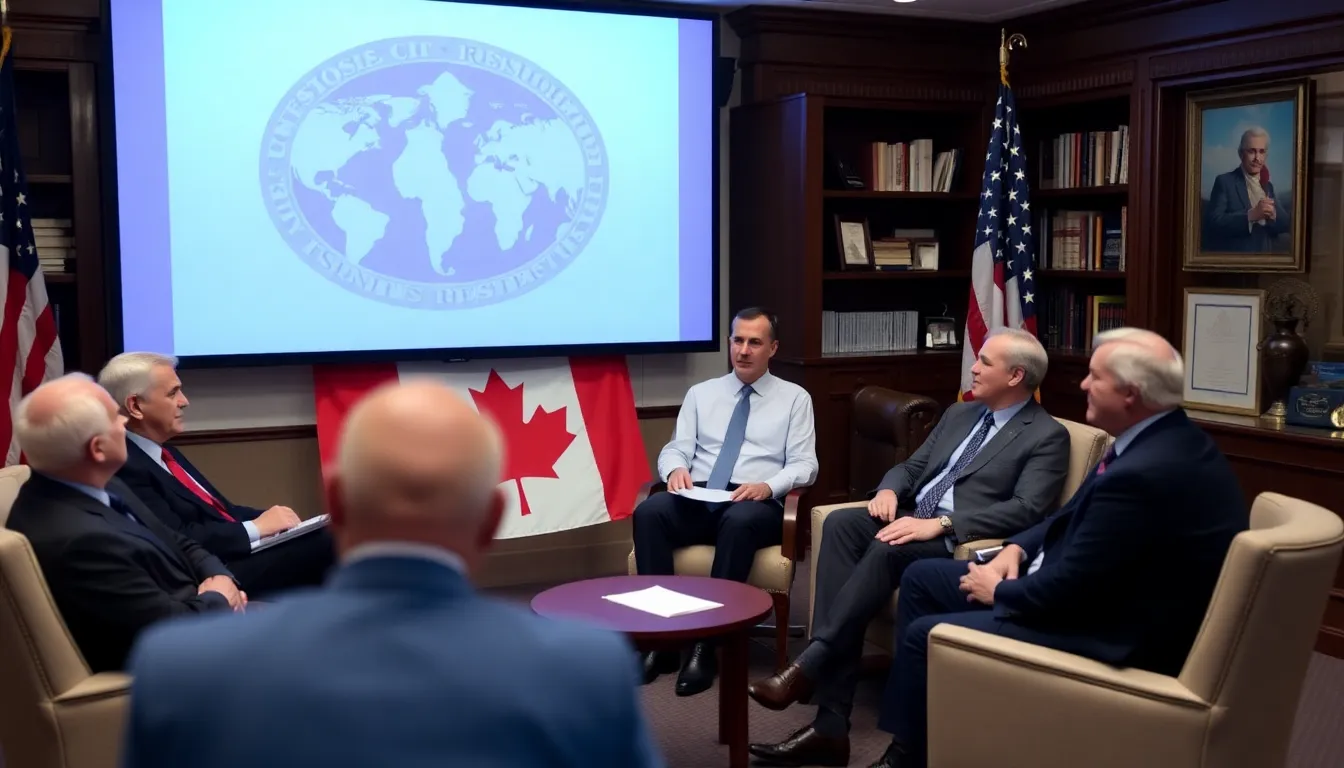
The Canadian government, on the other hand, is focused on restoring trade relations that have been strained by these tariffs. Canada’s economic interests are closely tied to its exports to the U.S., and the imposition of tariffs has led to increased costs for Canadian goods entering the American market. This has resulted in a push for negotiations that could lead to the removal of these trade barriers.
- Economic Impact: Tariffs can raise prices for consumers and businesses, leading to potential inflation.
- Political Divisions: The split among House Republicans highlights internal party conflicts regarding trade policy.
- Industry Responses: Various sectors, particularly manufacturing and agriculture, are vocal about their needs for tariff relief.
- Legal Considerations: The legality of tariffs and their implementation can be challenged in courts, complicating the legislative process.
- International Relations: The outcome of this debate could affect U.S.-Canada relations and broader trade agreements.
In summary, the tariff debate encapsulates a broader struggle between economic interests and political ideologies. The alignment of certain House Republicans with Democrats signals a potential shift in how trade policy may be approached in the future, while ongoing tensions with Canada remain a critical factor in the discussion.
Potential effects on trade relations and local economies
The decision by six House Republicans to align with Democrats in an effort to end tariffs on Canada could significantly impact various groups and industries across the United States. Key sectors such as agriculture, manufacturing, and retail stand to be directly affected, as these industries rely heavily on trade with Canada for both exports and imports.
In the short term, consumers may see a decrease in prices for goods that have been subject to tariffs, leading to immediate relief for households. This could enhance purchasing power and stimulate local economies, particularly in border states where cross-border trade is prevalent. However, businesses that have relied on tariff protections may face increased competition, potentially impacting their profitability.
Mid-term impacts could include shifts in policy as lawmakers reassess trade strategies and relationships with Canada. The removal of tariffs may lead to stronger diplomatic ties, fostering a more collaborative trade environment. On the flip side, there is a risk that these changes could provoke retaliatory measures from other trading partners who may feel threatened by the new trade dynamics.

- Potential decrease in consumer prices for goods.
- Increased competition for domestic manufacturers.
- Strengthened trade relations with Canada.
- Possible retaliatory measures from other countries.
- Opportunities for businesses to expand their market reach.
Overall, while the immediate effects may favor consumers and certain industries, the long-term implications for trade policy and economic stability will require careful monitoring as the situation evolves. The balance between protecting domestic interests and fostering international trade will be a critical consideration for lawmakers moving forward.
A: The decision was influenced by concerns over the economic impact of tariffs on local businesses and consumers, leading to a bipartisan push for change. A: Trump has issued threats to those Republicans, warning them of political repercussions for siding with Democrats on this issue. A: Lifting tariffs could lead to improved trade relations with Canada and lower prices for consumers, but may also impact domestic industries reliant on protection. A: Currently, six House Republicans have publicly supported the effort, but there may be others who are quietly in favor. A: The next step involves discussions and potential votes in the House, where the bipartisan coalition will need to maintain support.
Frequently asked questions about the tariff situation
Outlook on the future of tariffs and bipartisan cooperation
The recent alignment of six House Republicans with Democrats to address tariffs on Canada highlights a significant shift in the political landscape. This development suggests a growing willingness among certain lawmakers to prioritize economic considerations over party loyalty, potentially paving the way for more bipartisan efforts in the future. As the political climate evolves, the implications for trade policy and international relations could be profound.
Monitoring the reactions from both the Trump administration and other Republican leaders will be crucial in understanding the broader impact of this coalition. The outcome may influence future tariff discussions and could signal a potential thawing in partisan tensions regarding economic policy.
- Watch for potential pushback from Trump and his supporters, which could affect Republican unity.
- Consider how this bipartisan effort may influence future trade negotiations with other countries.
- Observe how public opinion on tariffs might shift as economic impacts are felt by constituents.
- Anticipate further collaborations between moderate Republicans and Democrats on economic issues.