


France’s recent victories, including a convincing win against New Zealand in the group stages, have showcased their skill and depth. With players like Antoine Dupont and Romain Ntamack leading the charge, the French side has demonstrated both offensive creativity and defensive resilience. Wales, on the other hand, will need to leverage their own strengths, such as set-pieces and strategic kicking, to level the playing field. For more insights on Wales’ preparations, you can check out this article.
In recent encounters, Wales has struggled against France, losing their last three matches, which adds pressure to their upcoming clash. The historical rivalry between the two nations adds an extra layer of intensity to the match, as both teams aim for supremacy in European rugby. The stakes are high, and a victory for Wales could shift the momentum in their favor as they aim to advance in the tournament.
Analysts suggest that the key to Wales’ success lies in their ability to disrupt France’s rhythm and assert control during crucial phases of the game. With the match set to take place at the Stade de France, the home advantage for the French could further complicate matters for the Welsh squad. As the date approaches, both teams are preparing for what promises to be a thrilling encounter on the rugby field.
Historical context of Wales and France in rugby
The rivalry between Wales and France in rugby is steeped in history, reflecting not only the competitive spirit of the game but also the broader cultural and political ties between the two nations. Rugby union, introduced to Wales in the late 19th century, quickly became a symbol of national pride and identity. For France, the sport has similarly evolved into a key component of its national culture, particularly in the context of its own regional identities and historical struggles. To explore more about the historical context of rugby in these nations, visit this related article.

Wales’ rugby journey saw significant milestones, including the establishment of the Welsh Rugby Union in 1881 and the first international match against England the same year. This set the stage for Wales to emerge as a formidable force in the sport. France, on the other hand, joined the international rugby scene later, with its first match against England in 1906. The French team, often characterized by its flair and creativity, has posed a unique challenge to the more traditional and structured Welsh style of play.
The evolution of the rivalry
Over the decades, the matches between Wales and France have become legendary, with iconic encounters that have shaped the narrative of European rugby. Notable events include the 1976 Five Nations match, where Wales faced a French team that was beginning to assert its dominance. The rivalry intensified in the 1980s and 1990s, as both teams vied for supremacy in the Five Nations Championship, leading to memorable clashes that are still talked about today. For insights on similar rivalries, consider reading this piece.
Economically, the sport has also played a significant role in both nations. Rugby has contributed to local economies through tourism, with fans traveling to watch matches and support their teams. The financial backing from sponsorships and broadcasting rights has further elevated the profile of the game in both countries, ensuring that rugby continues to thrive as a major sporting event.
As the modern era of rugby unfolds, the stakes have only grown higher. The emergence of professional leagues and the impact of the Rugby World Cup have transformed the landscape, making the competition between Wales and France not just a matter of national pride, but also a critical factor in the sporting economy. Understanding this historical context is essential for grasping the significance of their encounters on the pitch and the strategies Wales must employ to contend with a resurgent French team.
Key strategies for Wales to counter France’s strengths
In the ongoing competition between Wales and France, various stakeholders play crucial roles in shaping the strategies and outcomes. Key actors include the Welsh Rugby Union (WRU), the French Rugby Federation (FFR), players, coaches, and fans from both nations. Each group has distinct interests that influence the dynamics of the matchups.

The WRU is focused on enhancing the performance of the national team, ensuring that they can compete effectively against formidable opponents like France. This includes investing in player development, coaching staff, and training facilities. Conversely, the FFR seeks to maintain its dominance in international rugby, leveraging its resources and talent pool to ensure sustained success.
Players are directly impacted by these strategies, as their performance on the field can determine the outcome of matches. The pressure to perform not only affects their careers but also has broader implications for national pride and support from fans. Meanwhile, fans are deeply invested in the rivalry, with their emotional and financial support influencing the overall atmosphere surrounding the teams.
- Resource Allocation: The distribution of funding and support between grassroots and elite levels can create tension within the WRU.
- Player Welfare: Balancing the demands of international duty with player health is a critical issue for both nations.
- Coaching Strategies: Differences in coaching philosophies can lead to contrasting styles of play, affecting match outcomes.
- Fan Engagement: The role of fans in shaping team morale and support can be a double-edged sword, especially in high-stakes matches.
- Regulatory Challenges: Navigating the rules set by World Rugby regarding player eligibility and competition formats can create conflicts.
Understanding these dynamics is essential for analyzing how Wales can effectively counter France’s strengths. By addressing the interests and conflicts among these stakeholders, Wales can develop a comprehensive approach to improve its competitive standing in international rugby.
Potential effects on Welsh rugby and fan morale
The ongoing rivalry between Wales and France in rugby is not just a sporting contest; it significantly impacts various groups and industries within Wales. Fans, local businesses, and even policymakers are all affected by the outcomes of these matches, as they can shape the cultural and economic landscape of the region.
In the short term, the morale of Welsh rugby fans can be directly impacted by the performance of their national team. A strong showing against France can boost local pride and encourage attendance at games, while a loss may lead to disappointment and a decline in fan engagement. This fluctuation in morale can affect local pubs, restaurants, and merchandise sales, as fans often gather to watch games and celebrate victories.
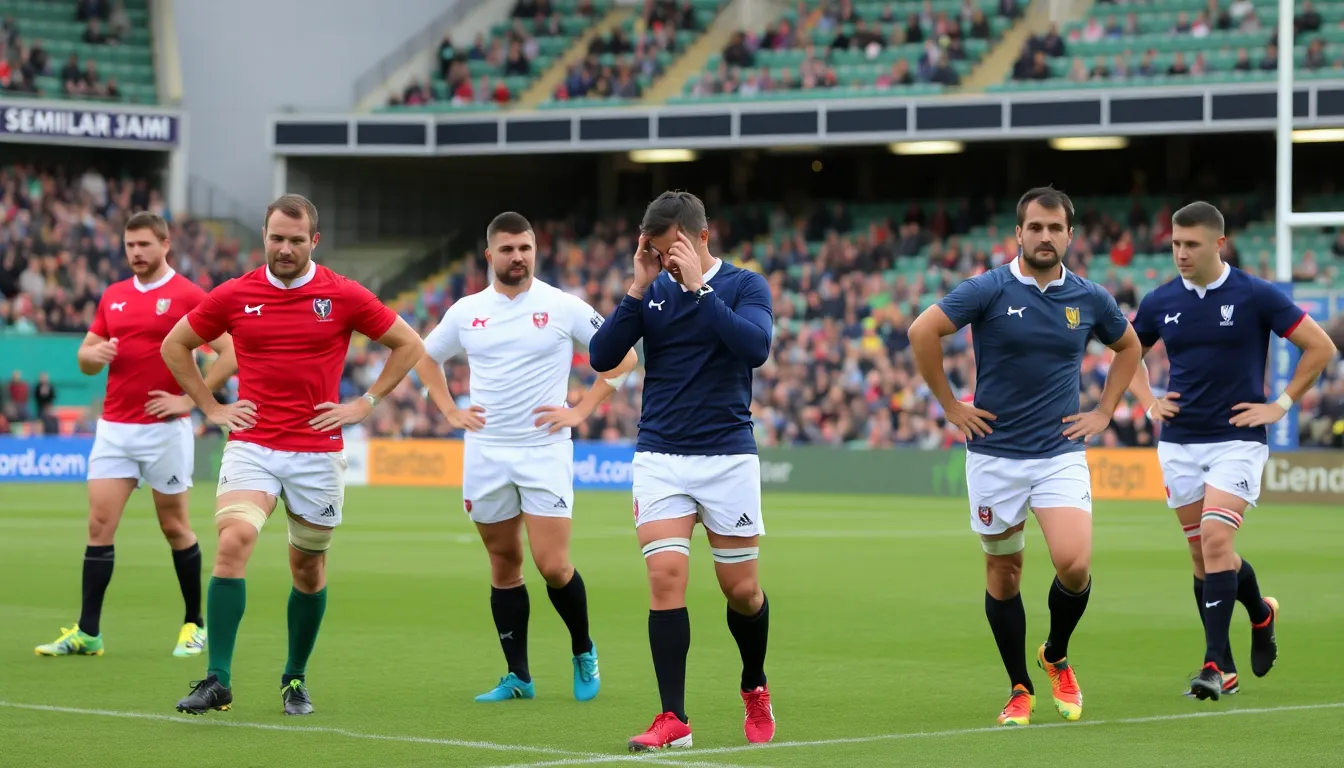
Mid-term consequences may extend to the broader economy, particularly in regions where rugby is a major cultural focal point. Local businesses that thrive on rugby-related activities may see fluctuations in revenue based on the team’s performance. For instance, a successful campaign could lead to increased tourism as fans travel to support the team, while a lackluster performance might deter visitors.
- Risks: Decreased fan engagement, lower local business revenue, potential decline in tourism.
- Opportunities: Increased merchandise sales, growth in hospitality sector, heightened community spirit.
Moreover, the political landscape may also feel the effects, as policymakers could leverage the popularity of rugby to promote initiatives that support local sports, health, and community programs. This could lead to increased funding for youth sports and facilities, fostering a new generation of athletes and fans.
A: The French rugby team is known for its physicality, speed, and tactical versatility, making them a challenging opponent for any team. A: Wales has had a mixed record against France, with some memorable victories but also several defeats that highlight the challenges they face. A: Wales may focus on strong defense, set-piece execution, and exploiting any weaknesses in the French lineup to enhance their chances of winning. A: A loss could affect team morale and public support, potentially leading to increased scrutiny on coaching decisions and player performance. A: The match is scheduled for this weekend, and anticipation is high among fans and analysts alike.
Frequently asked questions about the match
Looking ahead: Wales’ path to overcoming France
As Wales prepares for a challenging encounter with France, understanding the dynamics of their previous matchups and the current form of both teams will be crucial. France’s aggressive style, characterized by their speed and physicality, poses a significant threat. However, Wales has the opportunity to leverage their strategic play and resilience to counter this formidable opponent.
Key to Wales’ success will be their ability to maintain composure under pressure and capitalize on any opportunities that arise. By focusing on discipline in defense and exploiting weaknesses in France’s game, Wales can turn the tide in their favor. The upcoming match will be a test of both tactical execution and mental fortitude.
- Monitor the effectiveness of Wales’ defensive strategy against France’s attacking prowess.
- Watch for how well Wales can maintain possession and control the pace of the game.
- Pay attention to the impact of set-pieces, as they could be a decisive factor in the match.
- Consider the role of key players and their ability to influence the game positively.
- Evaluate the mental resilience of the Welsh team in high-pressure moments.