


According to the report, released in October 2023, over 50% of global GDP is highly dependent on nature. Industries such as agriculture, forestry, and fisheries are particularly vulnerable, with their livelihoods threatened by biodiversity loss and ecosystem degradation. The findings underscore the interconnectedness of economic stability and environmental health, as explored further in related discussions on climate challenges.
Moreover, the report emphasizes that regulatory pressures are increasing, with governments worldwide implementing stricter environmental policies. Failure to comply with these regulations could lead to substantial fines and reputational damage for companies. As consumers become more environmentally conscious, businesses that ignore sustainability may also lose market share.
In light of these developments, industry leaders are urged to invest in sustainable practices and innovative technologies. The transition to a circular economy, which minimizes waste and maximizes resource efficiency, is seen as a critical step. Without proactive measures, the long-term viability of many businesses remains in jeopardy.
Understanding the environmental crisis and its implications for businesses
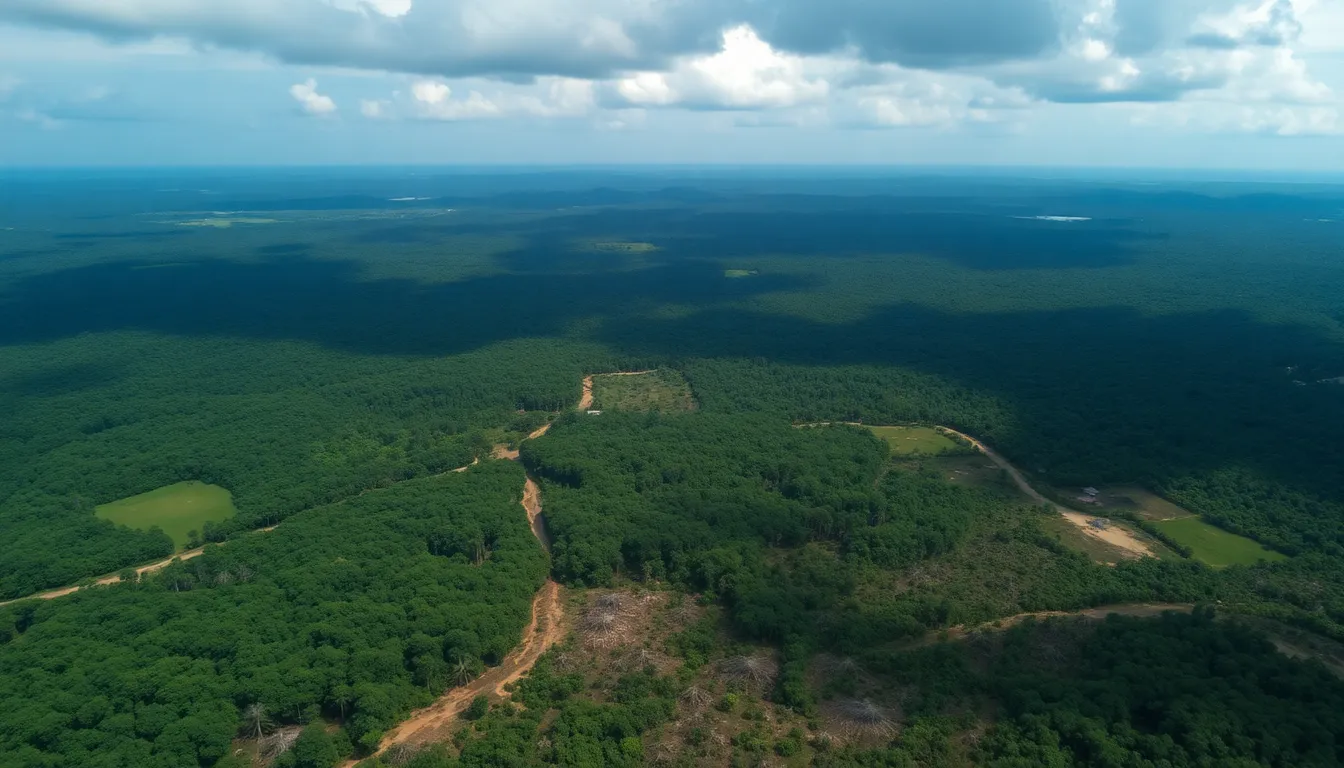
The environmental crisis has emerged as one of the most pressing challenges of our time, driven by a combination of industrialization, urbanization, and unsustainable resource exploitation. Historically, the rapid economic growth witnessed since the Industrial Revolution has come at a significant cost to the planet. Deforestation, pollution, and climate change have escalated, leading to a dire need for businesses to reassess their operational practices and their impact on the natural world.
Politically, the global response to environmental degradation has evolved over the decades. Key milestones such as the establishment of the United Nations Environment Programme in 1972 and the Earth Summit in 1992 marked significant steps towards international cooperation. However, despite these efforts, many businesses have continued to prioritize short-term profits over long-term sustainability, leading to a disconnect between corporate practices and environmental stewardship.
The economic ramifications of environmental neglect
The economic implications of failing to protect nature are becoming increasingly evident. A report by the World Economic Forum highlights that over half of the world’s GDP is moderately or highly dependent on nature. As ecosystems deteriorate, the risks to supply chains, resource availability, and market stability intensify. Furthermore, the rise of consumer awareness regarding sustainability has shifted expectations, with businesses that neglect their environmental responsibilities facing potential backlash, much like the controversies seen in political arenas.
Socially, the consequences of environmental neglect disproportionately affect vulnerable communities, exacerbating inequalities and leading to social unrest. The interdependence of business, society, and the environment has never been clearer, with calls for a more integrated approach to corporate responsibility growing louder. As a result, businesses that fail to adapt may find themselves not only facing regulatory penalties but also losing the trust of their customers and stakeholders.
In conclusion, the intersection of historical practices, political initiatives, economic dependencies, and social expectations has culminated in a critical juncture for businesses. The warning from major reports is clear: without immediate action to protect nature, many businesses may face extinction in an increasingly eco-conscious world.
Key stakeholders and the urgent issues they face
The report highlights several key stakeholders in the ongoing debate about the intersection of business operations and environmental sustainability. These stakeholders include businesses, governments, non-governmental organizations (NGOs), and the general public. Each group has distinct interests and varying degrees of influence over the policies and practices that govern environmental protection.
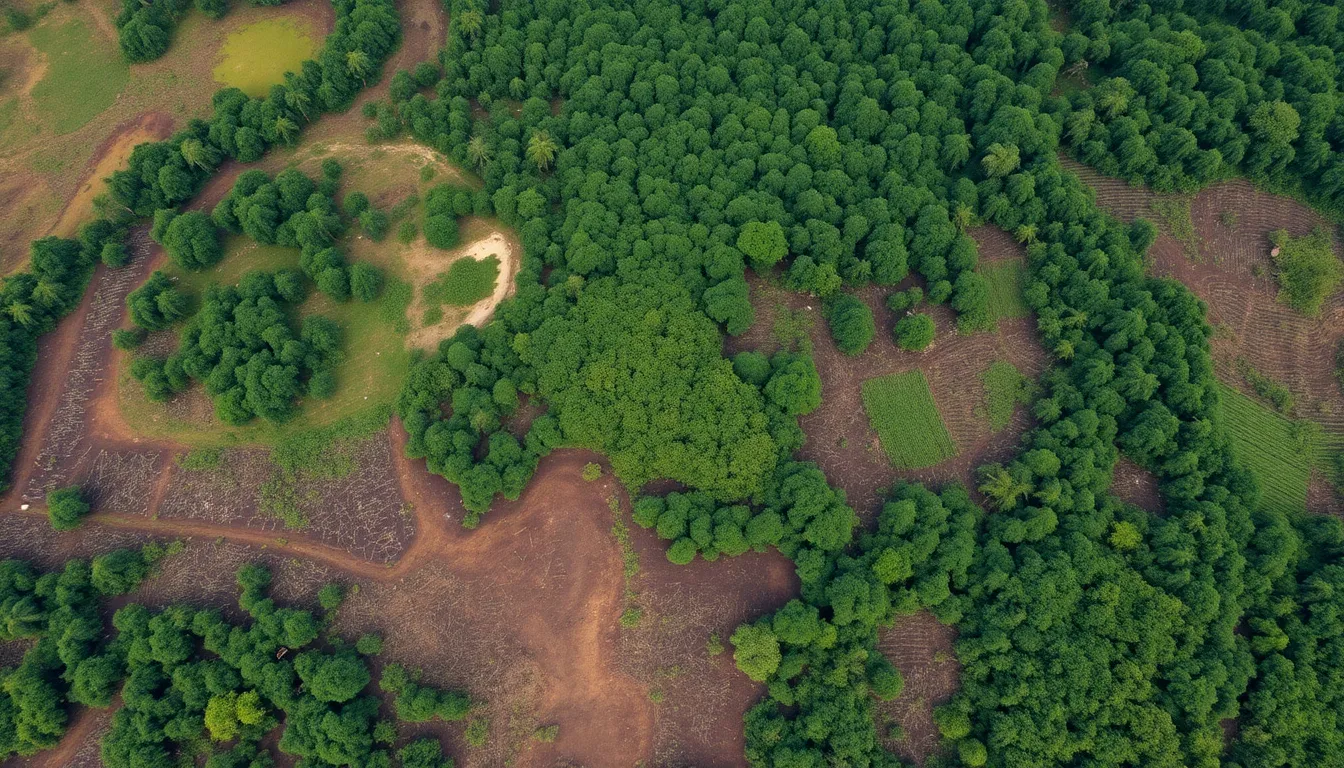
Businesses are primarily concerned with profitability and market stability. However, as the report indicates, their long-term viability is increasingly threatened by environmental degradation. Companies that fail to adopt sustainable practices risk losing consumer trust and facing regulatory penalties. This has led to a growing recognition among corporate leaders that protecting nature is not merely a moral imperative but a business necessity, which aligns with the ongoing trends in industries like those featured in gaming.
Governments play a pivotal role in shaping the regulatory landscape. Their interests often include economic growth, public health, and international commitments to environmental agreements. However, there is frequently a conflict between short-term economic goals and long-term sustainability objectives. This can result in trade-offs that prioritize immediate economic benefits over environmental protection, creating a complex landscape for policymakers.
- Regulatory Challenges: Businesses may face stringent regulations that limit their operations, while governments struggle to balance economic growth with environmental stewardship.
- Public Awareness: NGOs and the public are increasingly vocal about environmental issues, pressuring businesses and governments to adopt more sustainable practices.
- Investment Risks: Investors are becoming more conscious of environmental risks, which can affect funding and investment decisions for businesses that do not prioritize sustainability.
- Global Cooperation: International agreements on climate change and biodiversity require collaboration among nations, complicating local business operations.
- Technological Innovation: The push for sustainability may drive innovation, but businesses must navigate the costs and benefits of adopting new technologies.
In conclusion, the interplay between these stakeholders creates a complex environment where conflicts and trade-offs are common. Understanding these dynamics is essential for navigating the challenges posed by environmental degradation and for fostering a more sustainable future for all involved.
The potential impact on markets and communities
The warning from the major report highlights that businesses across various sectors are at risk of extinction unless they take significant steps to protect nature. Industries such as agriculture, forestry, fishing, tourism, and manufacturing are particularly vulnerable, as their operations directly depend on healthy ecosystems. Regions that rely heavily on natural resources, including rural areas and coastal communities, will face the brunt of these impacts.
In the short term, businesses may experience increased operational costs due to the need for sustainable practices and compliance with environmental regulations. This could lead to higher prices for consumers and potential job losses in sectors unable to adapt quickly. Additionally, communities that depend on natural resources for their livelihoods may face economic instability as resources become scarcer.
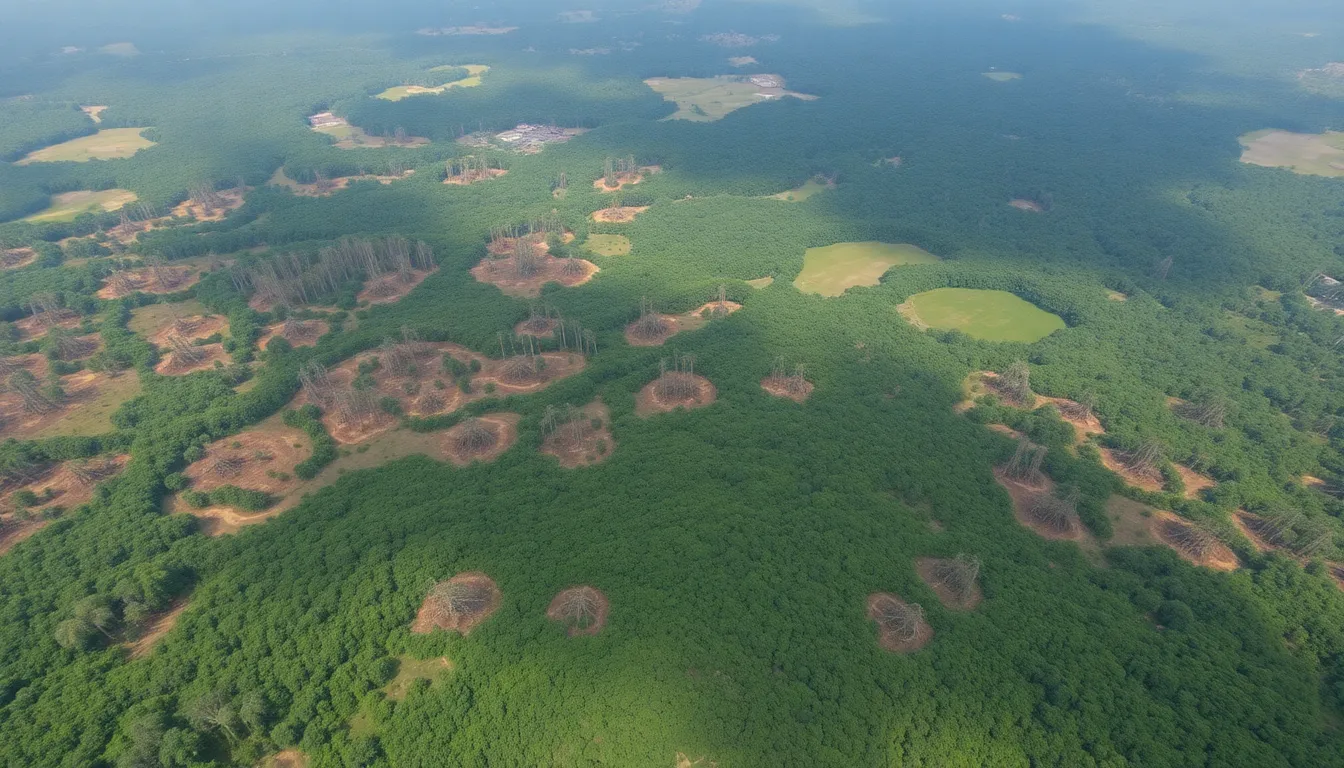
Mid-term impacts could see a shift in market dynamics as consumers increasingly favor environmentally responsible companies. This could lead to a reallocation of investments, with capital flowing towards businesses that prioritize sustainability. Companies that fail to adapt may find themselves losing market share to competitors who embrace eco-friendly practices.
- Risks: Economic instability in resource-dependent regions, job losses in non-sustainable industries, increased operational costs.
- Opportunities: Growth in green technologies, increased consumer loyalty for sustainable brands, potential for new markets focused on environmental solutions.
Ultimately, the call to protect nature is not just an environmental issue; it is a pressing economic concern that affects various stakeholders, from local communities to global markets. The choices made today will shape the landscape of business and society for generations to come.
A: The report highlights that businesses must prioritize environmental protection or risk severe consequences, including extinction. It emphasizes the need for immediate action. A: The report was conducted by leading environmental organizations and researchers who analyzed the impact of business practices on nature. A: Businesses are advised to adopt sustainable practices, reduce their carbon footprint, and invest in conservation efforts to mitigate risks. A: Consumers may face higher prices and limited options if businesses fail to adapt, as environmental degradation can lead to resource scarcity. A: Yes, several companies have implemented sustainable practices that not only protect the environment but also enhance their brand reputation and profitability.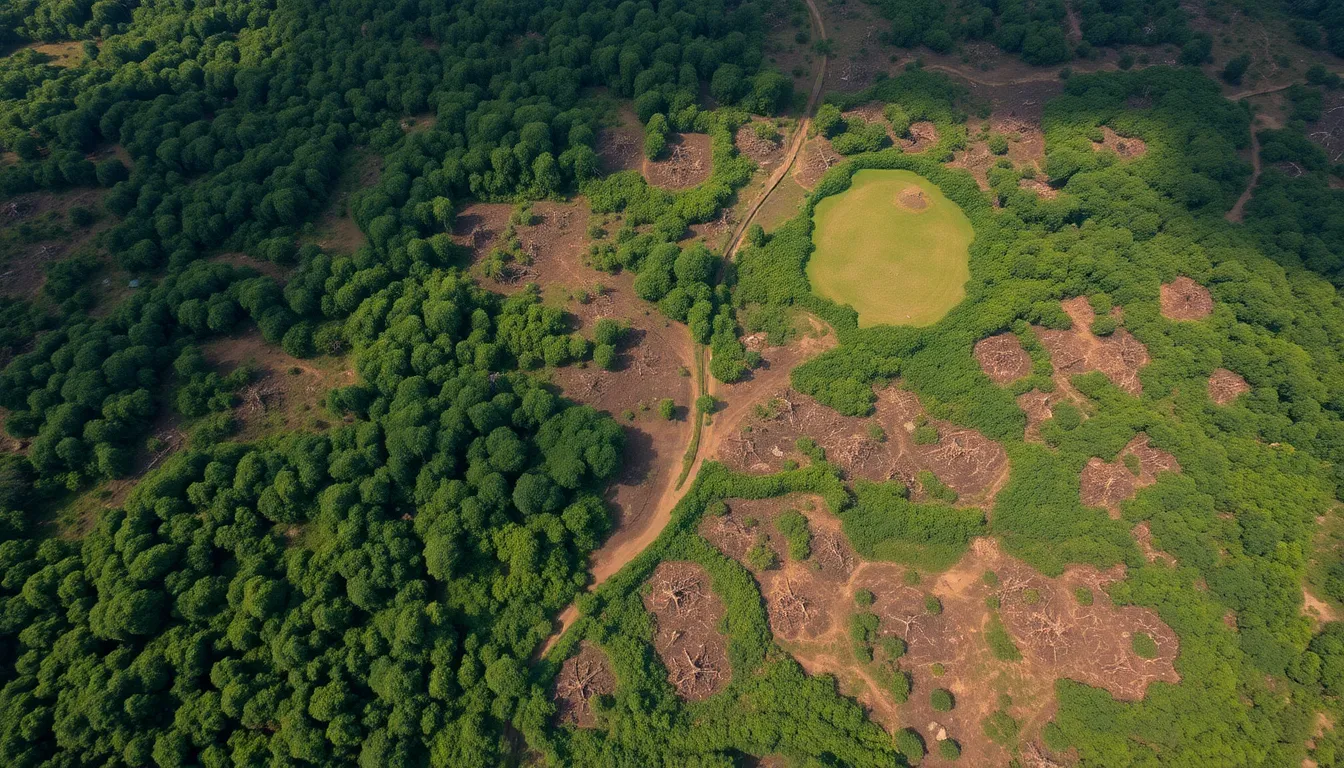
Frequently asked questions about the report’s findings
Insights on the future of businesses and environmental responsibility
The recent report underscores a critical turning point for businesses as the imperative to protect natural ecosystems becomes increasingly urgent. Companies that fail to integrate environmental sustainability into their core strategies risk not only reputational damage but also financial viability. As stakeholders, including consumers and investors, prioritize ecological responsibility, businesses must adapt or face significant consequences.
Looking ahead, organizations have the opportunity to innovate and lead in sustainability practices, which can enhance their competitiveness and resilience. Embracing this shift will not only align with regulatory trends but also meet the growing demand for environmentally conscious products and services.
- Invest in sustainable practices to enhance brand loyalty and attract eco-conscious consumers.
- Monitor regulatory developments related to environmental protection to stay compliant and avoid penalties.
- Collaborate with environmental organizations to improve sustainability initiatives and share best practices.
- Consider the long-term financial implications of environmental degradation on supply chains and operations.
- Engage stakeholders in sustainability goals to foster a culture of environmental responsibility within the organization.