


In the UK, the Met Office issued multiple flood warnings, particularly in northern England, where rivers have overflowed their banks. Meanwhile, France has seen heavy snowfalls in the Alps, impacting winter sports and tourism. For more on this issue, see our article on Europe’s weather challenges. The combination of rain and cold has prompted concerns about infrastructure resilience and public safety.
Farmers across Europe are facing challenges as the prolonged wet conditions hinder fieldwork and planting schedules. In countries like Germany and the Netherlands, crops are at risk of rot due to waterlogged soils. This could have long-term implications for food supply and prices, particularly as Europe heads into the winter months.
As governments respond to the crisis, emergency services are mobilizing to assist affected communities. Local authorities are working to clear drainage systems and provide support to those displaced by flooding. The situation underscores the urgent need for robust climate adaptation strategies in the face of increasingly unpredictable weather patterns.
Understanding the weather patterns leading to this situation
In recent weeks, Europe has been grappling with an unusual combination of persistent wet weather and frigid temperatures. This phenomenon can be traced back to a series of atmospheric changes that began several months ago, influenced by both natural climate variability and human-induced factors. Historical weather patterns have shown that Europe is particularly susceptible to shifts caused by the North Atlantic Oscillation (NAO), which affects the strength and position of westerly winds that typically moderate temperatures across the continent.
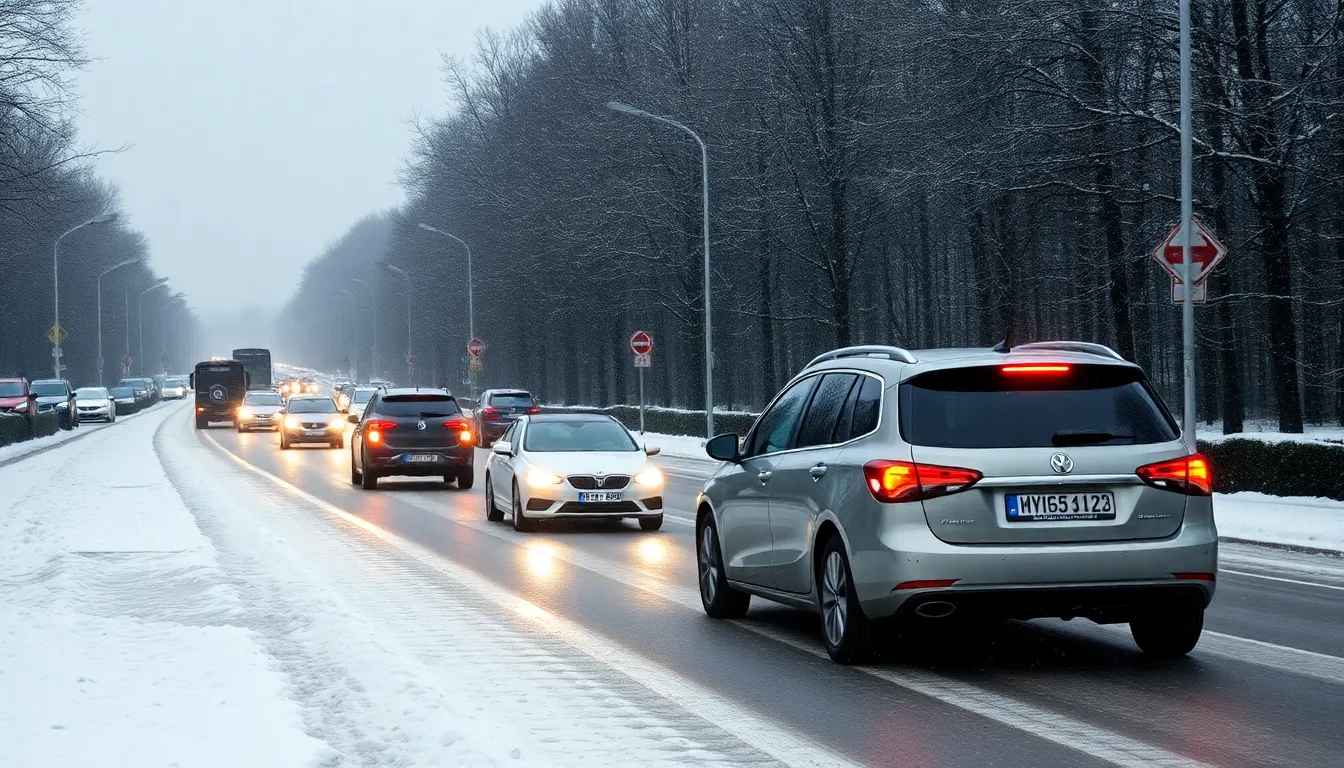
One significant milestone in understanding these weather patterns is the winter of 2010-2011, which saw similar conditions of prolonged cold and heavy snowfall across Europe. Meteorologists noted that a strong Arctic Oscillation contributed to that year’s extreme weather, a pattern that has re-emerged in recent weeks. The interplay between high-pressure systems in the North and low-pressure systems over southern Europe has created a battleground for warm and cold air masses, resulting in the current weather extremes.
Economically, the impact of such weather can be severe. The agricultural sector, which is vital for many European economies, faces challenges with crop yields due to flooding and frost damage. Historical data shows that adverse weather conditions can lead to significant economic losses, as seen in the aftermath of the 2017 cold snap that devastated fruit crops across several countries. This year’s wet and cold conditions threaten to repeat those losses, putting additional strain on farmers and food supply chains. You can explore more about this in our article on the impact of various economic changes.
Climate Change and Its Role
As Europe faces these weather extremes, the role of climate change cannot be overlooked. Over the past few decades, scientists have observed a trend of increased volatility in weather patterns, with more frequent and intense storms, prolonged periods of rainfall, and sudden temperature drops. This shift has been linked to rising global temperatures, which alter the dynamics of atmospheric circulation. The current situation is a stark reminder of how interconnected our climate systems are, and how they can lead to widespread social and economic repercussions across the continent. For insights on related environmental shifts, check out discussions on this topic in relation to agriculture and economy.
Key stakeholders affected by the adverse weather conditions
The recent weeks of persistent wet weather and freezing temperatures across Europe have significantly impacted various stakeholders, including governments, local communities, agricultural sectors, and transportation agencies. Each of these actors has distinct interests and concerns, leading to a complex interplay of responses and challenges.
Governments at both national and local levels are primarily focused on public safety and economic stability. They are tasked with implementing emergency measures to protect citizens from the effects of severe weather, such as flooding and transportation disruptions. This often involves coordinating with emergency services and allocating funds for disaster relief efforts, which can strain budgets and divert resources from other critical areas.
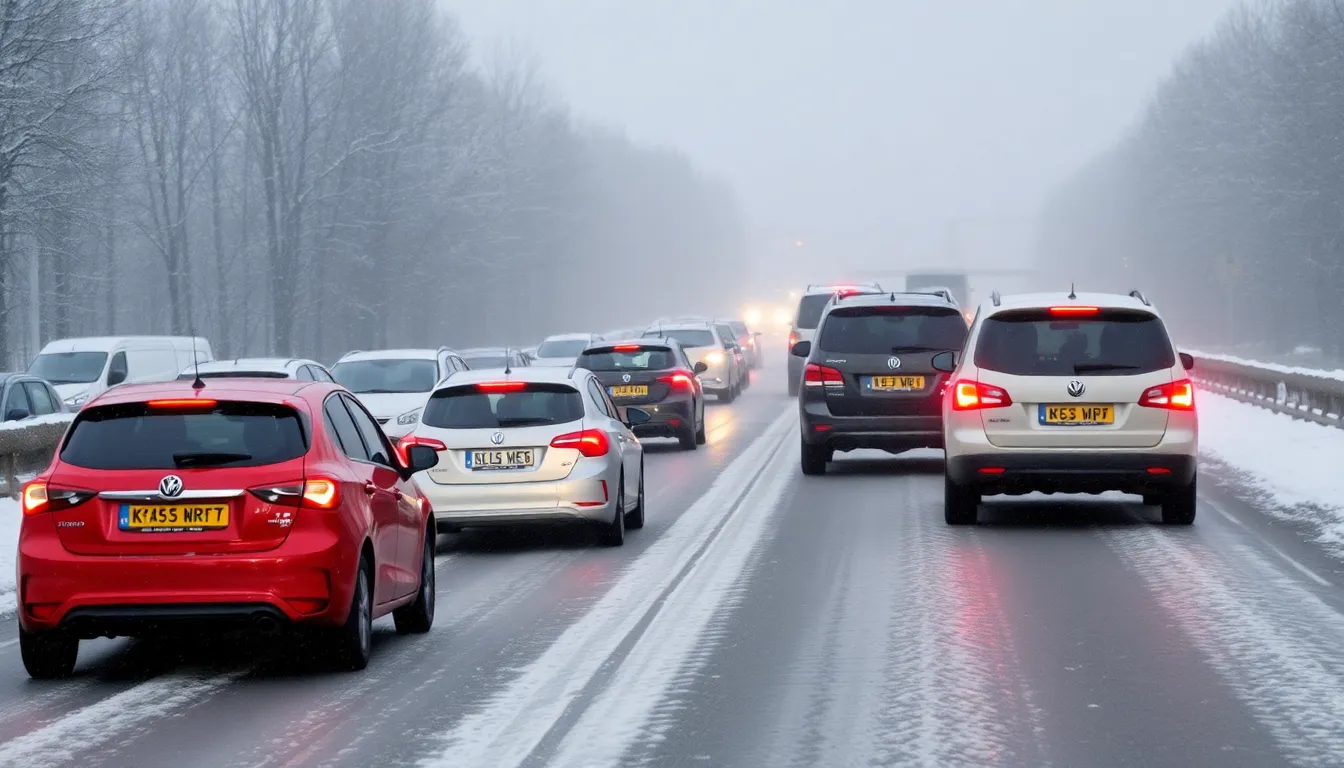
Local communities, particularly those in rural and flood-prone areas, are directly experiencing the adverse effects of the weather. Residents are concerned about property damage, loss of livelihood, and access to essential services. Many are also worried about the long-term implications for their communities, including potential population displacement and reduced economic activity.
The agricultural sector faces significant challenges due to the wet conditions, which can hinder crop growth and lead to losses in yield. Farmers are concerned about the impact on food supply chains and market prices, as adverse weather can lead to both surpluses and shortages. This situation creates a complex scenario where farmers must balance immediate needs against long-term sustainability.
- Transportation agencies are dealing with delays and safety concerns on roads and railways due to flooding and icy conditions.
- Insurance companies may see an increase in claims related to property damage, which could affect premiums and coverage availability.
- Environmental organizations are advocating for sustainable practices to mitigate the impact of climate change, which they argue is exacerbating such extreme weather events.
As these stakeholders navigate their interests and challenges, the situation highlights the interconnectedness of economic, social, and environmental issues in the face of climate-related events. The ongoing dialogue among these groups will be crucial in developing effective strategies for resilience and adaptation moving forward.
The widespread impact on communities and economies across Europe
The recent weeks of persistent wet weather and freezing temperatures have significantly affected various groups and industries across Europe. From farmers grappling with crop damage to local businesses facing reduced foot traffic, the ripple effects are being felt widely.
Regions such as Northern Europe, particularly the UK, Scandinavia, and parts of Germany, are experiencing the brunt of this weather. Agricultural sectors are particularly vulnerable, as prolonged wet conditions can lead to soil erosion and crop failures. Livestock farmers are also at risk, as adverse weather can impact animal health and feed availability.
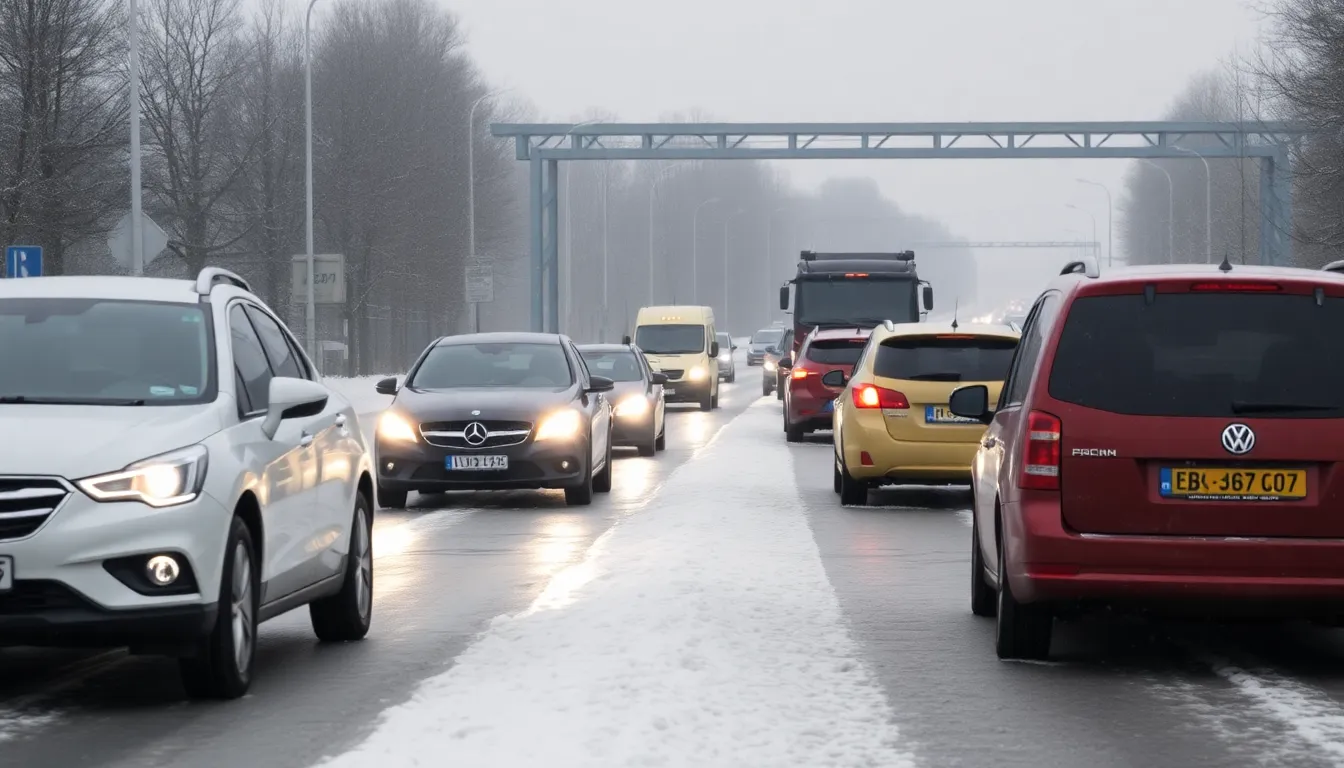
In the short term, daily life has been disrupted for many. Public transport systems are facing delays due to icy conditions, while road travel has become hazardous. Businesses in the retail and hospitality sectors are reporting a decline in customers, as people are reluctant to venture out in unfavorable weather. This situation could lead to a decrease in sales and revenue for small businesses.
- Increased operational costs for heating and maintenance in businesses.
- Potential supply chain disruptions due to transport issues.
- Heightened demand for winter-related products and services.
Looking at the mid-term, there may be a shift in policy as governments respond to the challenges posed by extreme weather. Investments in infrastructure improvements, such as better drainage systems and climate-resilient agricultural practices, could emerge as a priority. Additionally, there may be opportunities for businesses that adapt quickly, such as those offering home delivery services or online shopping options to accommodate changing consumer behaviors.
A: Regions such as the UK, France, and Germany have reported significant rainfall and cold temperatures, leading to flooding and disruptions. A: Meteorologists predict that the wet and cold conditions may persist for several more weeks, although forecasts can change. A: Local governments are implementing emergency protocols, including flood defenses and support for affected communities. A: Farmers are facing challenges with crop damage and delays in planting due to saturated fields and frost. A: Yes, the freezing temperatures can lead to increased cases of hypothermia and other cold-related illnesses, particularly among vulnerable populations.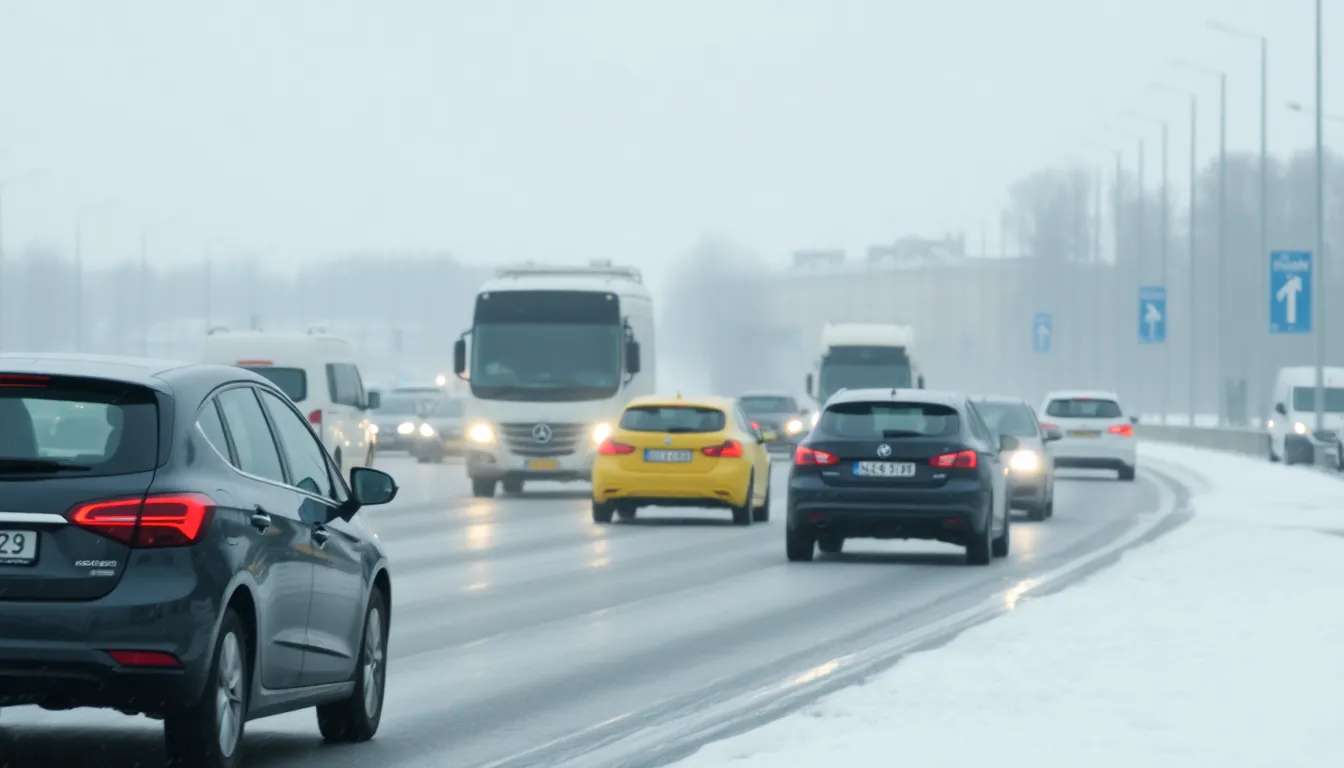
Frequently asked questions about the current weather situation
Looking ahead: implications and possible future scenarios
The recent weeks of persistent wet weather and freezing temperatures across Europe have unveiled significant challenges for various sectors, including agriculture, transportation, and energy. As the continent grapples with these harsh conditions, the long-term effects could shape policies and strategies aimed at mitigating similar weather events in the future.
Monitoring the ongoing situation will be crucial as stakeholders adapt to the changing climate. The interplay between severe weather patterns and economic stability is expected to drive discussions on infrastructure resilience and sustainability initiatives across the region.
- Increased agricultural challenges: Farmers may face delays in planting and harvesting, impacting food supply chains and prices.
- Transportation disruptions: Ongoing adverse weather conditions could lead to continued delays and increased costs in logistics and travel.
- Energy demands: A rise in heating requirements during cold snaps may strain energy resources, prompting a reevaluation of energy policies.
- Policy adjustments: Governments may implement new measures focused on climate adaptation and infrastructure improvements to better withstand extreme weather events.
- Public health considerations: The cold and damp conditions may exacerbate health issues, necessitating enhanced public health responses and support systems.