


Despite their electoral success, the progressive parties face formidable challenges in forming a government. The MFP’s leader, Pita Limjaroenrat, has encountered resistance from the military-aligned Senate, which holds the power to approve the Prime Minister. For more insights into the challenges faced by progressive parties, check out the related article. The Senate, appointed under the military junta that ruled from 2014 to 2020, has expressed reluctance to endorse a progressive agenda, raising concerns about the viability of a coalition government.
The political tension is further exacerbated by the ongoing influence of the military and royalist factions, which have historically opposed progressive reforms. Since the coup in 2014, these groups have maintained a significant presence in Thai politics, often undermining attempts to implement change. As a result, the path to governance for progressive parties is fraught with obstacles, requiring strategic negotiations and alliances.
The situation is critical not only for the future of Thailand’s governance but also for the broader Southeast Asian region, where democratic movements are often challenged by entrenched power structures. The outcome of this political struggle could set a precedent for other nations grappling with similar issues, making it a focal point for observers and analysts alike.
Understanding the political landscape in Thailand
Thailand’s political history is marked by a series of upheavals, including military coups, populist movements, and a complex relationship between the monarchy and elected officials. The country has oscillated between democratic governance and authoritarian rule, creating a fragmented political landscape that has often left progressive movements struggling to gain traction.
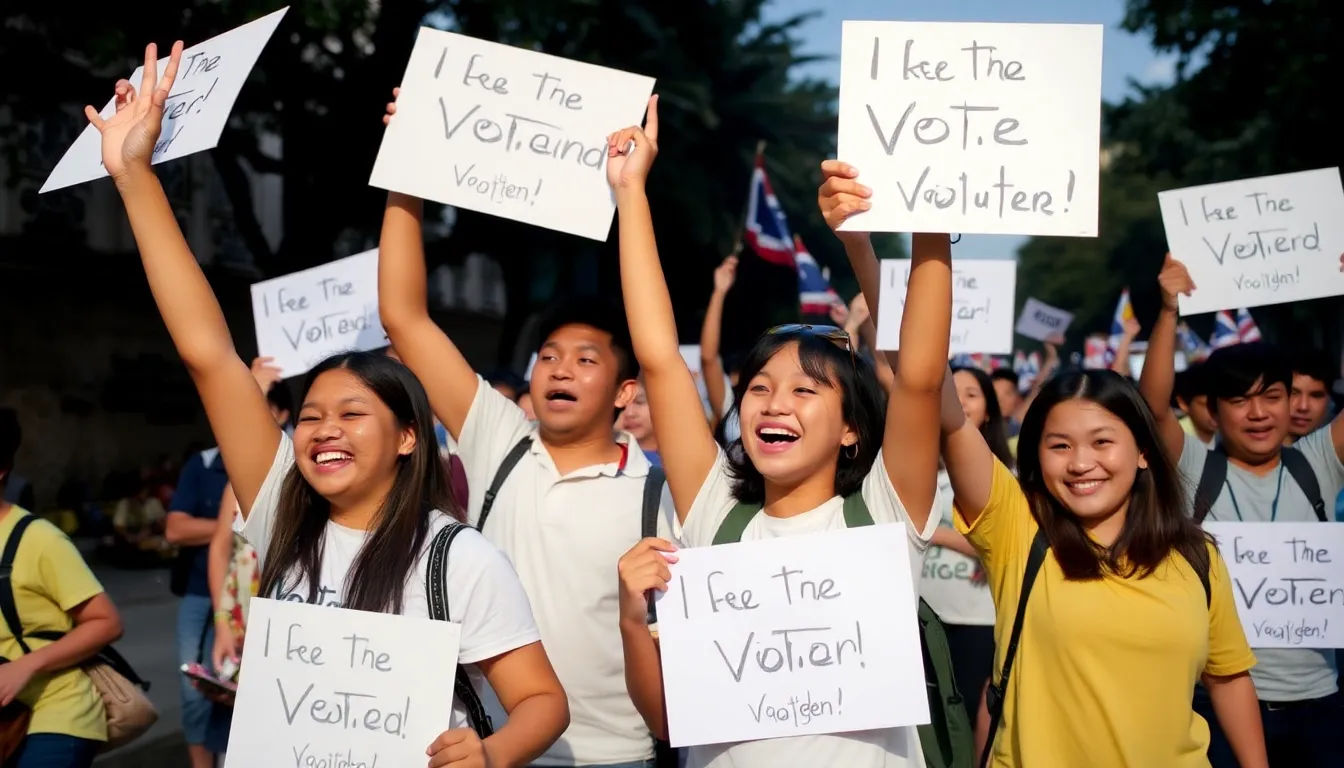
One of the most significant milestones in recent Thai history was the 2014 military coup, which ousted the democratically elected government of Yingluck Shinawatra. This event not only halted the political progress made by the Pheu Thai Party, associated with the Shinawatra family, but also solidified the military’s influence in Thai politics. The coup led to a military-backed government that imposed strict limitations on political expression and dissent.
In the years following the coup, a new wave of progressive movements emerged, fueled by younger voters disillusioned with the status quo. The Future Forward Party, founded in 2018, quickly gained popularity by advocating for reforms and challenging the entrenched power of the military and traditional elites. You can learn more about this shift in the related article. However, despite their electoral success, these progressive parties have faced significant hurdles, including legal challenges and political repression.
The Role of the Monarchy
The monarchy’s role in Thailand’s political landscape cannot be understated. The institution has historically wielded considerable influence over political affairs, often acting as a stabilizing force during times of crisis. However, the recent shift towards a more assertive monarchy under King Maha Vajiralongkorn has complicated the relationship between the monarchy and progressive movements, leading to increased tensions and calls for reform.
As Thailand moves forward, the interplay between these historical factors and the aspirations of its progressive populace will be crucial in determining the future of its democracy. Winning the vote is just the beginning; the struggle for genuine political reform and social change remains a daunting challenge for Thailand’s popular progressives, especially in a landscape shaped by events like the 2014 military coup.
Key challenges for progressive leaders in governance
In the wake of recent electoral victories, Thailand’s progressive leaders face a complex landscape of stakeholders and interests. The primary actors include political parties, civil society organizations, and various governmental bodies, each with their own agendas and priorities. Understanding these dynamics is crucial for navigating the challenges of governance.
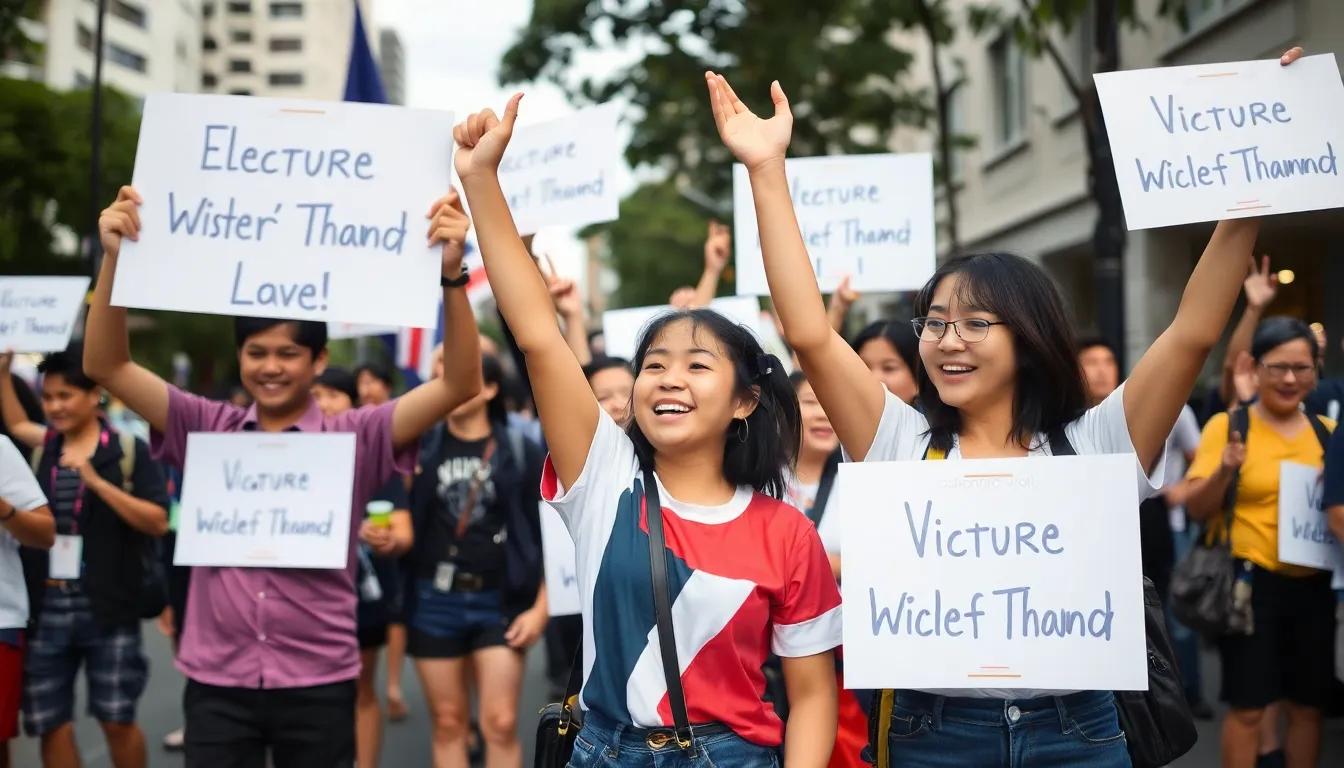
Political parties such as the Move Forward Party and the Pheu Thai Party are at the forefront, representing a diverse coalition of progressive ideologies. Their interests often align with promoting social equity, economic reform, and democratic governance. However, they must also contend with traditional power structures, including the military and established political elites, who may resist progressive changes that threaten their influence.
Key issues arise from these conflicting interests, particularly regarding economic policies and social reforms. Progressive leaders advocate for a more equitable distribution of resources, but face pushback from business interests that fear regulatory changes could impact profitability. Additionally, legal challenges may arise as progressive policies confront existing laws that favor entrenched interests.
- Electoral Mandate vs. Governance Reality: Winning the vote does not guarantee the ability to implement policies, as coalition dynamics may complicate decision-making.
- Public Expectations: Citizens may have high expectations for rapid change, putting pressure on leaders to deliver results quickly.
- International Relations: Progressive governance may affect Thailand’s relationships with foreign investors and governments that prioritize stability over reform.
- Social Movements: Grassroots movements supporting progressive agendas can be both an asset and a challenge, as they demand accountability and quick action.
As these progressive leaders navigate their governance journey, they must balance these competing interests while remaining true to their electoral promises. The ability to forge alliances and manage conflicts will be critical in shaping Thailand’s political landscape in the years to come.
How the election results affect various demographics
The recent electoral outcomes in Thailand have significant implications for various groups, particularly the youth, urban professionals, and rural communities. The progressive parties that garnered substantial support during the elections are primarily focused on reforming policies that directly impact these demographics. As a result, the political landscape is shifting, and the expectations from these groups are high.
In the short term, urban professionals may experience a more favorable business environment as progressive policies aim to enhance transparency and reduce bureaucratic red tape. This could lead to increased foreign investment and job creation in sectors such as technology and green energy. Conversely, rural communities might face uncertainty as the new government prioritizes urban development, potentially sidelining agricultural issues.
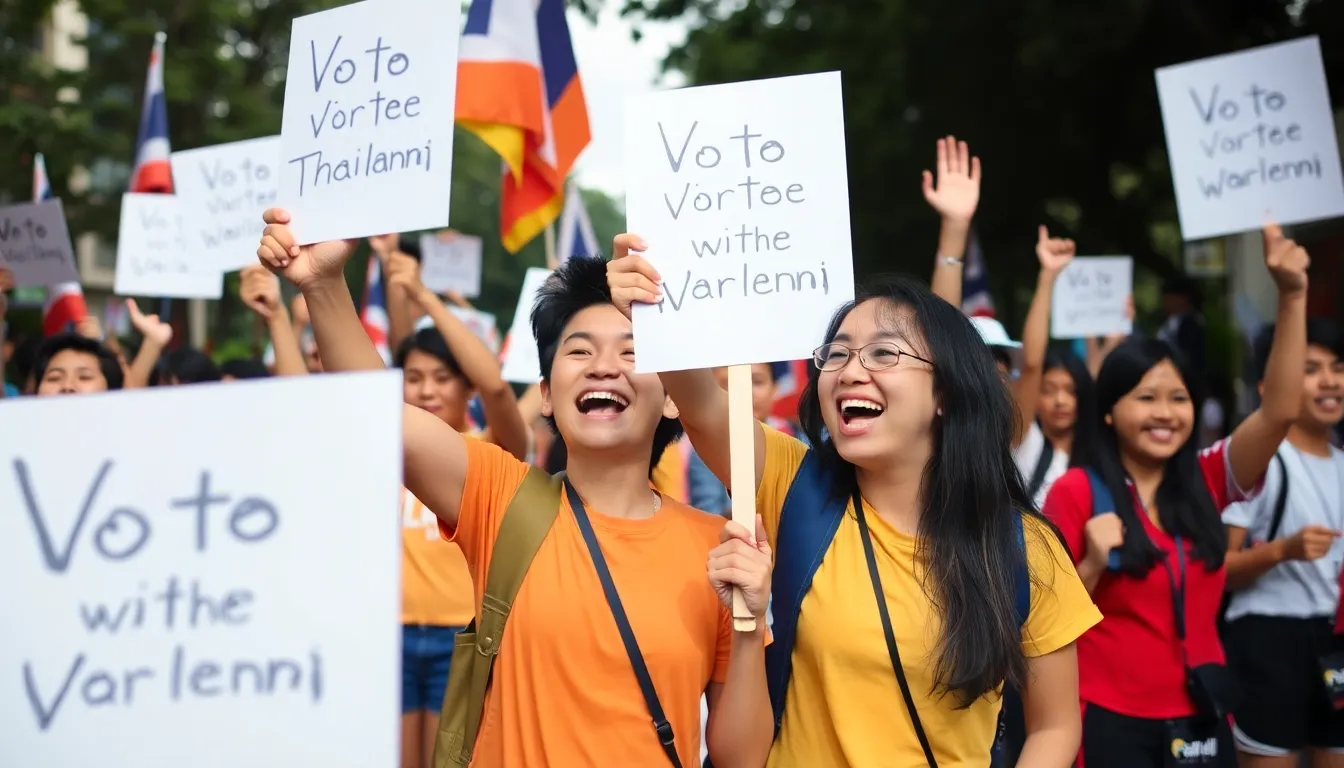
Mid-term impacts may include changes in social policies that directly affect daily life. For instance, if progressive parties fulfill their promises regarding education and healthcare reforms, families across various regions could see improvements in access to quality services. However, there is a risk that these reforms may take longer to implement, leading to disillusionment among voters who expected immediate changes.
- Opportunities: Enhanced support for startups and innovation in urban areas.
- Risks: Potential neglect of rural development and agricultural interests.
- Opportunities: Increased civic engagement and political activism among the youth.
- Risks: Polarization between progressive and conservative factions, leading to social tensions.
Overall, while the election results present opportunities for growth and reform, the path forward is fraught with challenges that will require careful navigation by the newly elected leaders to meet the diverse needs of the population.
A: Progressive parties in Thailand face challenges such as political opposition, public skepticism, and the need for effective governance. These hurdles can impact their ability to implement policies. A: Election results can significantly shift public opinion, either bolstering support for progressive policies or leading to increased criticism if expectations are not met. A: Young voters are crucial for the progressive movement, as they tend to favor change and reform. Their engagement can drive electoral success and influence future policies. A: Yes, Thailand’s elections can affect regional stability and international relations, especially with neighboring countries observing the democratic processes. A: Progressive leaders are focusing on grassroots mobilization, coalition-building, and transparent communication to address challenges and maintain public support.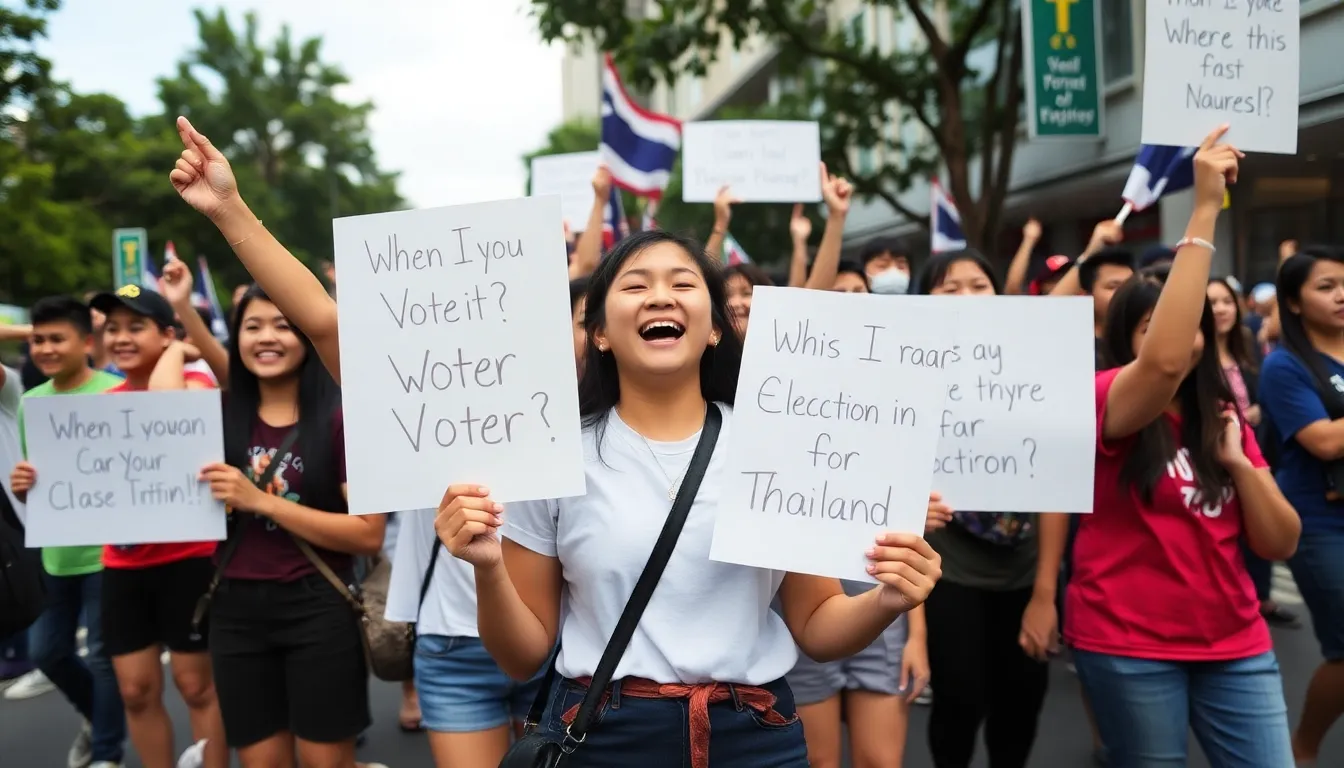
Frequently asked questions about Thailand’s elections
Future outlook for Thailand’s progressive movement
The recent electoral success of Thailand’s progressive parties signals a significant shift in the political landscape. However, this victory is merely the first step in a complex journey towards meaningful reform. The challenges ahead include navigating a political system that has historically favored established powers and addressing the diverse expectations of their supporters.
As these parties strive to implement their agendas, the interplay between grassroots movements, public sentiment, and institutional resistance will be crucial. Observers should pay close attention to how these dynamics shape the future of governance in Thailand.
- Coalition Building: The ability of progressive parties to form stable coalitions will determine their effectiveness in enacting policies.
- Public Engagement: Sustained outreach and communication with constituents will be essential to maintain support and address concerns.
- Institutional Challenges: Watch for potential pushback from entrenched political entities that may seek to undermine progressive initiatives.
- Global Context: The international community’s response to Thailand’s political changes may influence domestic policy and reform efforts.
- Grassroots Movements: The role of civil society and grassroots activism will be pivotal in holding elected officials accountable and driving change.