


Key figures within the party, including its leader, have begun to emphasize themes of stability and unity, distancing themselves from more controversial positions that could alienate potential supporters. This softening of rhetoric is evident in recent public statements and campaign materials, which focus on pragmatic solutions to pressing issues such as economic recovery and social inequality. The party aims to present itself as a viable alternative to traditional political factions, while still advocating for progressive reforms.
The Progressive Party’s efforts are particularly significant given Thailand’s complex political landscape, which has been marked by military influence and entrenched political elites. By positioning itself as a moderate force, the party hopes to capitalize on growing public discontent with the status quo. Recent opinion polls indicate a shift in voter sentiment, suggesting that a significant portion of the electorate is open to supporting parties that prioritize governance over ideology.
As the party prepares for future elections, its ability to maintain this balanced approach will be crucial. Observers are closely watching how these changes will impact its electoral strategy and whether it can successfully navigate the challenges posed by both its progressive base and more conservative segments of the population. The outcome of this recalibration could have lasting implications for the political dynamics in Thailand.
Understanding the Political Landscape in Thailand
Thailand’s political history is marked by a series of upheavals, military coups, and a struggle for democratic governance. Since the end of absolute monarchy in 1932, the country has oscillated between democratic rule and military dictatorship, leading to a complex political landscape. The military has played a significant role in Thai politics, often intervening during periods of political instability, which has fostered a culture of distrust towards traditional political parties.

The rise of progressive parties, such as the Move Forward Party, can be traced back to the 2014 coup that ousted the elected government of Yingluck Shinawatra. This event catalyzed a younger generation of voters who sought change and were disillusioned with the status quo. The military-backed government that followed implemented strict measures to suppress dissent, further alienating the electorate and creating a fertile ground for new political movements advocating for reform.
The Role of Economic Inequality
Economic disparities in Thailand have also played a significant role in shaping the political discourse. While the country has experienced rapid economic growth, wealth is concentrated in the hands of a few, leading to widespread discontent among the majority. This inequality has fueled support for progressive policies aimed at addressing social issues, such as education, healthcare, and labor rights. As these parties soften their image to appeal to a broader audience, they are increasingly focusing on these pressing economic concerns.
Key milestones in this evolving political landscape include the 2019 general elections, where the Move Forward Party emerged as a significant force, capturing the youth vote and advocating for progressive reforms. Their platform resonated with many who are eager for change, setting the stage for a potential shift in Thailand’s political dynamics. The party’s ability to adapt its messaging and appeal to a wider demographic will be crucial as they navigate the challenges of leading in a historically polarized environment.
Key Issues and Stakeholders in the Political Shift
The recent political landscape in Thailand has seen a significant shift, with the rise of a progressive party aiming to lead the country. This transformation is marked by various stakeholders, each with distinct interests and concerns that shape the ongoing discourse.
One of the primary actors in this scenario is the progressive party itself, which seeks to broaden its appeal by softening its image. Their goal is to attract a wider voter base, particularly among moderates and undecided voters who may have previously felt alienated by more radical political rhetoric.
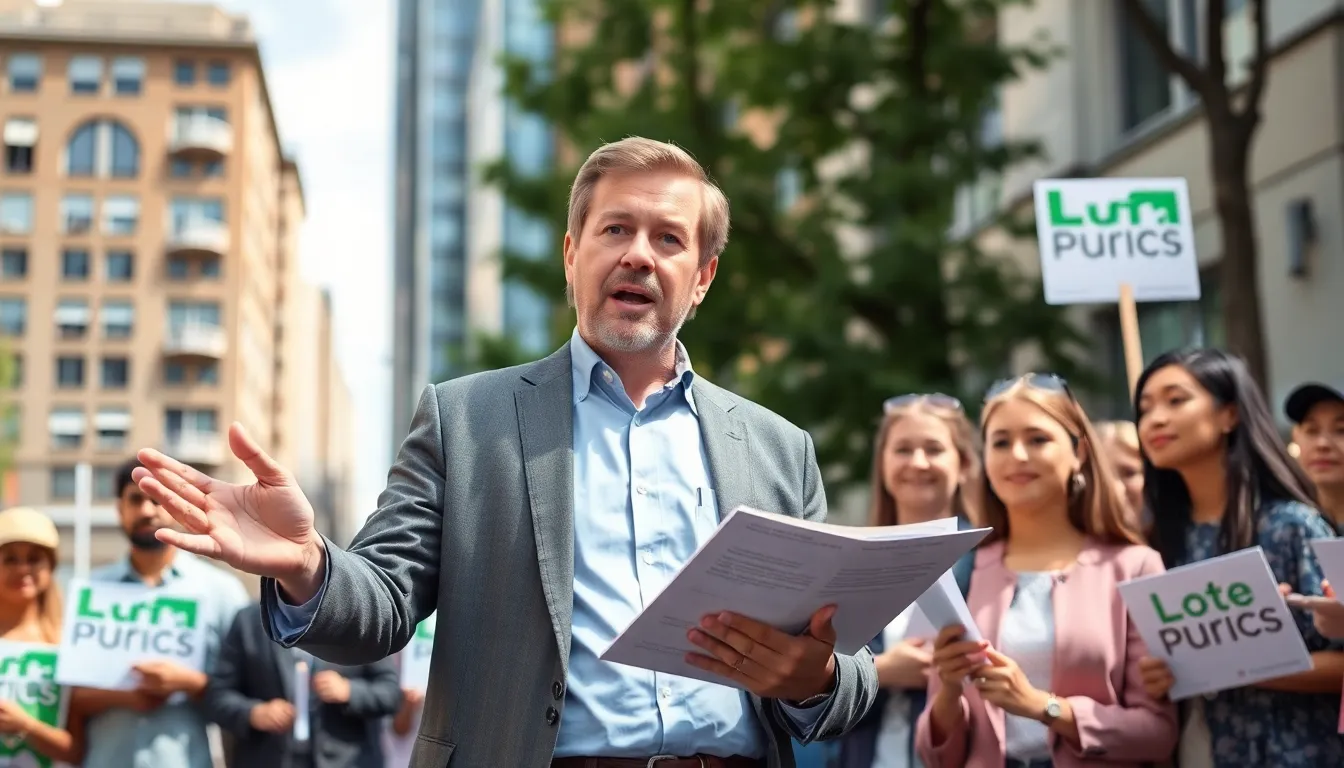
In contrast, traditional political factions and conservative groups are wary of this shift. They perceive the progressive party’s rise as a threat to the established order and are likely to mobilize their resources to counteract its influence. This creates a conflict where both sides must navigate the political landscape carefully to maintain support from their respective bases.
- Economic Reforms: The progressive party advocates for policies that promote social equity and economic reform, which may face resistance from entrenched interests benefiting from the status quo.
- Public Perception: The party’s efforts to soften its image are crucial, as public perception can greatly influence electoral outcomes and legislative support.
- Legal Challenges: Potential legal hurdles may arise as the party attempts to implement its agenda, particularly if it conflicts with existing laws or regulations.
- International Relations: Changes in leadership could impact Thailand’s foreign policy, especially regarding trade and diplomatic relations with neighboring countries.
As the political environment evolves, the interplay between these stakeholders will be critical in determining the future trajectory of Thailand’s governance and policy direction. Understanding these dynamics is essential for grasping the broader implications of this political shift.
Potential Impacts on Voters and the Political Climate
The progressive party’s efforts to soften its image may resonate with a diverse range of voters, particularly younger generations and urban populations. These groups have shown a growing desire for change in Thailand’s political landscape, seeking transparency, accountability, and progressive policies that address social issues such as education, healthcare, and environmental sustainability.
Industries such as technology, renewable energy, and tourism could see significant shifts as the party promotes policies aimed at modernization and sustainability. For instance, tech startups may benefit from increased government support and funding, while the tourism sector could see a boost from initiatives that enhance Thailand’s global image as a progressive nation.
In the short term, the party’s image transformation could lead to increased voter engagement, potentially resulting in higher turnout rates in upcoming elections. However, there are risks involved; traditionalists and conservative factions may push back against these changes, leading to political polarization and unrest.

- Short-term impacts: Increased voter engagement and potential backlash from conservative groups.
- Mid-term impacts: Growth in progressive policies influencing business practices and societal norms.
- Opportunities: Enhanced support for innovation-driven industries and improved international relations.
- Risks: Political instability and resistance from entrenched interests.
As the party navigates these complexities, the broader implications for Thai society could be profound, impacting everything from daily life to long-term policy frameworks. The balancing act between progressive ideals and traditional values will shape the future political climate in Thailand.
A: The party aims to attract a wider voter base and improve its chances in the upcoming elections, responding to previous criticisms of being too radical. A: The Progressive Party is adopting a more inclusive and approachable tone in its campaigns, focusing on common issues that resonate with everyday citizens. A: The party must overcome entrenched political rivalries and skepticism from conservative voters while maintaining its core progressive values. A: Initial reactions indicate mixed feelings, with some voters appreciating the shift while others remain cautious about the party’s authenticity. A: The party is engaging in grassroots campaigns and utilizing social media to connect with younger voters and those disillusioned with traditional politics.
Frequently Asked Questions About the Party’s Image Change
Outlook on the Party’s Future and Key Takeaways
The progressive party’s efforts to soften its image signal a strategic pivot aimed at broadening its appeal among a diverse electorate in Thailand. By adopting a more inclusive and moderate stance, the party is positioning itself to attract not only its traditional base but also undecided voters who may have previously viewed it with skepticism. This shift could play a crucial role in the upcoming elections, as public sentiment continues to evolve in response to economic and social challenges.
As the political landscape in Thailand remains dynamic, the party’s ability to maintain this balance between progressive ideals and mainstream appeal will be pivotal. Observers should monitor how effectively the party communicates its policies and values, as well as its responsiveness to the concerns of various demographic groups.
- The party’s image transformation may enhance its chances of electoral success by appealing to a broader audience.
- Voter sentiment regarding economic issues will be a critical factor influencing the party’s support.
- Continued engagement with grassroots movements could solidify the party’s connection with its base.
- The party’s adaptability in addressing emerging social issues will be essential for sustaining momentum.
- Coalition-building efforts with other political entities could enhance its legislative influence post-elections.