


San Antonio’s Culinary Scene is Thriving
As of October 2023, San Antonio is experiencing a culinary renaissance, with a surge in new restaurants that showcase diverse cuisines beyond its famed tacos. This revitalization is drawing food enthusiasts from across the state and beyond, eager to explore the city’s evolving dining landscape, particularly during events like San Antonio Restaurant Week.
Recent openings, such as Restaurant G and La Panaderia, have garnered attention for their innovative menus and commitment to local ingredients. These establishments reflect a broader trend within the city, where chefs are increasingly blending traditional flavors with modern techniques, creating unique dining experiences.
The city’s annual food festival, San Antonio Restaurant Week, will take place from January 15 to January 29, 2024, further highlighting the region’s culinary diversity. This event not only showcases established eateries but also provides a platform for emerging chefs to gain visibility and connect with the community.
Moreover, San Antonio’s growing reputation as a food destination is supported by local initiatives aimed at promoting culinary tourism. As a result, the city is positioning itself as a key player in the national dining scene, appealing to both locals and visitors alike.
Understanding the Food Culture in San Antonio
San Antonio, often celebrated as a vibrant taco town, boasts a rich tapestry of culinary influences that reflect its diverse historical and cultural background. The city’s food scene is a mosaic shaped by its Spanish colonial roots, Mexican heritage, and the influx of various immigrant communities over the years. This blend of cultures has resulted in a unique gastronomic landscape where traditional flavors coexist with modern culinary innovations.
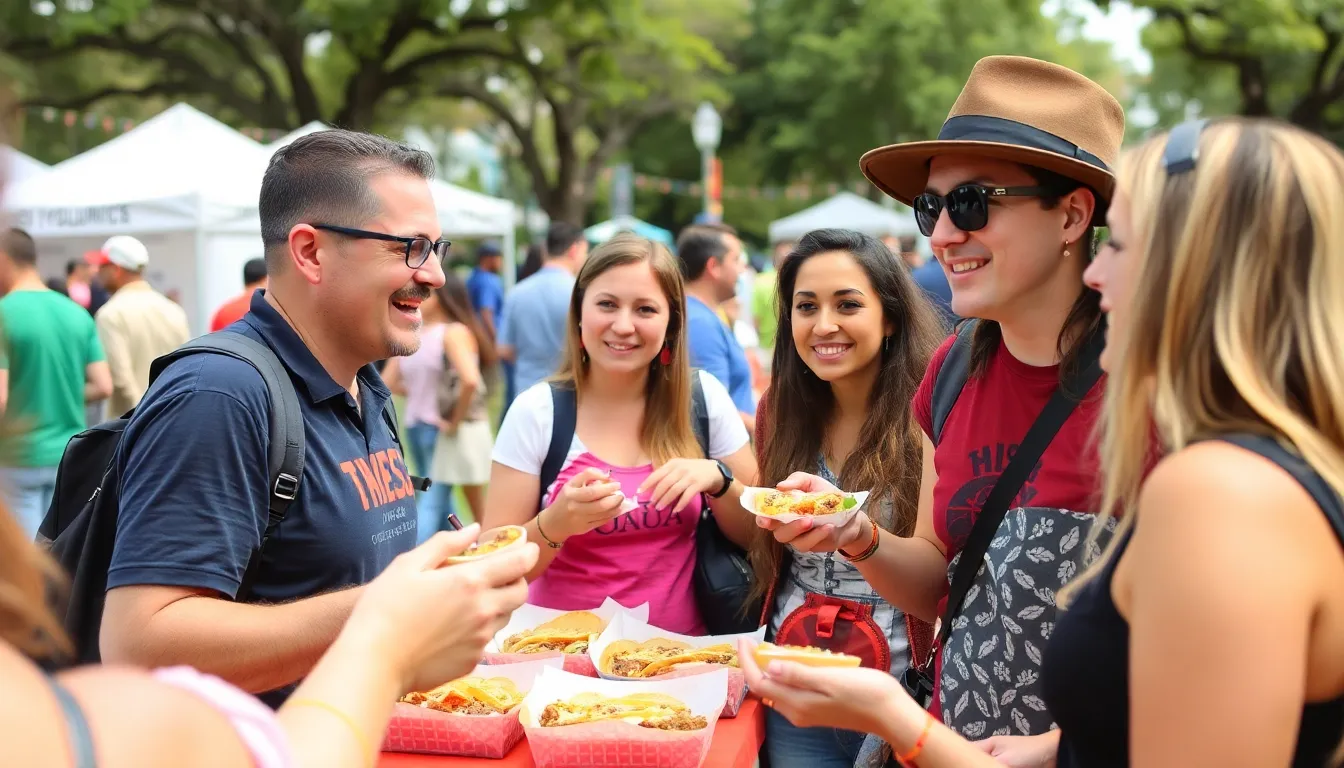
Historically, San Antonio’s location as a crossroads for trade and migration has significantly influenced its food culture. The establishment of missions in the 18th century laid the groundwork for agricultural practices that would later define Tex-Mex cuisine, a subject worth diving deeper into in articles about culinary heritage.
The Rise of Tex-Mex Cuisine
One of the key milestones in San Antonio’s food history is the emergence of Tex-Mex cuisine in the early 20th century. This fusion of Mexican and American flavors began to gain popularity, with dishes like enchiladas and nachos becoming staples in local restaurants. The 1960s and 1970s saw a surge in the number of eateries serving Tex-Mex, as the city embraced its culinary identity, leading to the establishment of iconic restaurants that continue to thrive today.
Economically, the restaurant industry has become a vital part of San Antonio’s growth, contributing to its status as a major tourist destination. The annual San Antonio Restaurant Week showcases the city’s culinary diversity, attracting food lovers from around the country. This event not only highlights local talent but also stimulates the economy by encouraging diners to explore the vast array of dining options available.
Socially, the food culture in San Antonio serves as a unifying force, bringing together people from various backgrounds to celebrate their shared love of food. Community events, food festivals, and local markets play a crucial role in fostering connections among residents and visitors alike. As the city continues to evolve, its restaurants remain a testament to the rich history and cultural heritage that define San Antonio’s vibrant culinary scene.
Key Players and Trends in San Antonio’s Restaurant Industry
San Antonio’s vibrant restaurant scene is shaped by a diverse array of stakeholders, including local restaurant owners, city officials, food critics, and the community of diners. Each group has distinct interests that influence the culinary landscape of this Texas city, known for its rich cultural heritage and, notably, its tacos.
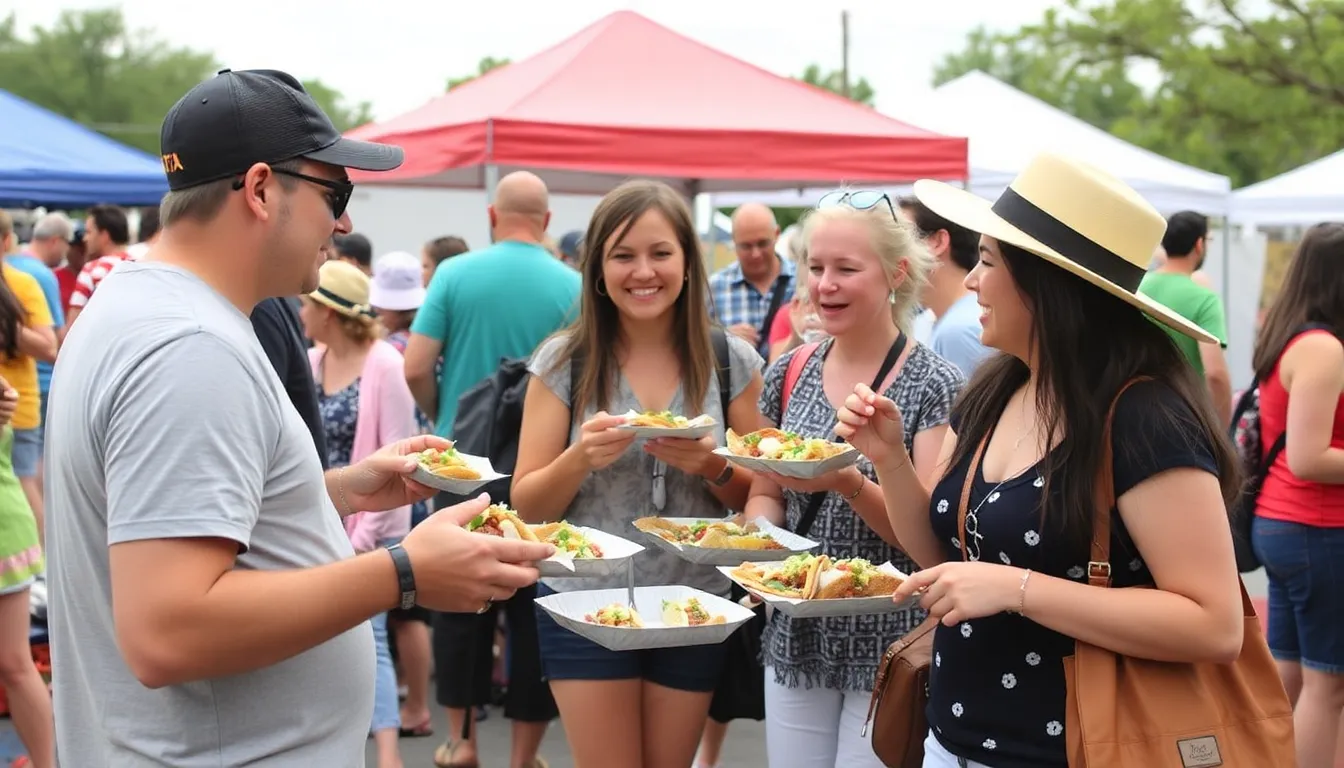
Local restaurant owners are at the forefront, striving to create unique dining experiences that reflect the city’s culinary diversity. Their interests often revolve around attracting customers, maintaining profitability, and navigating the challenges posed by fluctuating food costs and labor shortages, leading to a dynamic atmosphere that reflects changes in the wider world, similar to discussions surrounding digital platforms.
City officials play a crucial role in shaping the restaurant industry through regulations and policies that impact business operations. Issues such as health and safety regulations, zoning laws, and taxation can create conflicts between the city’s economic development goals and the interests of restaurant owners. For instance, while city initiatives may aim to promote outdoor dining to boost tourism, they can also lead to disputes over public space usage and compliance costs for businesses.
- Labor Market Dynamics: The ongoing labor shortage in the service industry poses significant challenges for restaurant owners, impacting their ability to hire and retain staff.
- Economic Pressures: Rising food and operational costs due to inflation can force restaurants to adjust their pricing strategies, potentially alienating some customers.
- Health Regulations: Compliance with health and safety regulations remains a top priority, influencing operational practices and customer perceptions.
- Community Engagement: Restaurants that engage with local communities through events or partnerships often see increased loyalty and support.
Food critics and media also play a pivotal role in shaping public perception and influencing dining trends. Their reviews can significantly affect a restaurant’s reputation and customer base, leading to heightened competition among eateries to stand out in a crowded market. This dynamic creates a continuous cycle where restaurants must innovate and adapt to meet both consumer expectations and critical scrutiny.
How Local Restaurants Affect the Community and Economy
The vibrant restaurant scene in San Antonio, particularly its renowned taco establishments, plays a crucial role in shaping the local community and economy. Various groups, including food enthusiasts, local farmers, and tourism-related businesses, are significantly impacted by the thriving culinary landscape. As these restaurants flourish, they create a ripple effect that touches numerous aspects of daily life.
In the short term, the influx of diners at popular restaurants boosts local employment, providing jobs for servers, cooks, and support staff. This surge in employment not only supports individual livelihoods but also strengthens the local economy through increased consumer spending. Additionally, the rise in restaurant patronage can lead to greater demand for local produce, benefiting farmers and suppliers in the region.
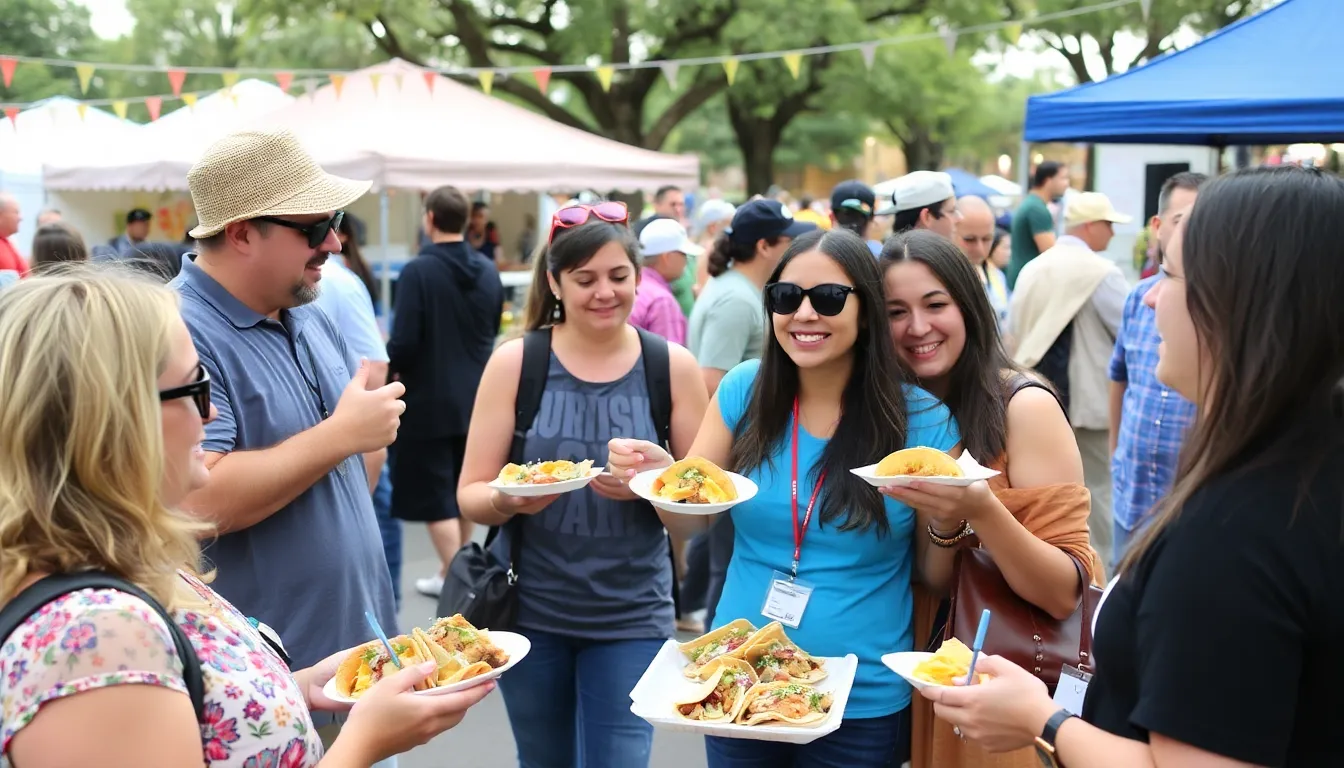
In the mid-term, the reputation of San Antonio as a culinary destination can attract tourists, further enhancing the economic landscape. Increased tourism can lead to higher occupancy rates in hotels and more business for local shops and attractions. However, this growth also presents risks, such as potential overcrowding and strain on local infrastructure if not managed properly.
- Employment Growth: More job opportunities in the hospitality sector.
- Support for Local Agriculture: Increased demand for locally sourced ingredients.
- Tourism Boost: Enhanced visibility as a culinary destination.
- Infrastructure Strain: Potential challenges with increased foot traffic.
- Community Engagement: Opportunities for local events and cultural celebrations.
As the restaurant industry continues to evolve, there are also opportunities for innovation and diversification. Restaurants that embrace sustainability practices or cater to dietary preferences can attract a broader customer base. Moreover, collaborations between restaurants and local artists or musicians can enhance community ties and create unique dining experiences that draw in both locals and visitors alike.
A: San Antonio offers a diverse range of cuisines, including Tex-Mex, BBQ, and international flavors. The city is particularly famous for its tacos, but you’ll also find Italian, Asian, and classic American dishes. A: Yes, when in San Antonio, you must try the breakfast tacos, enchiladas, and brisket. Each restaurant has its own twist on these local favorites. A: The best time to visit is during the cooler months from October to April. This is when many food festivals and events take place, showcasing the city’s culinary talents. A: Absolutely! Many restaurants in San Antonio offer vegetarian and vegan options, including plant-based tacos and salads, catering to diverse dietary preferences. A: You can explore online reviews, local food blogs, and social media recommendations. Additionally, asking locals for their favorites can lead you to hidden gems.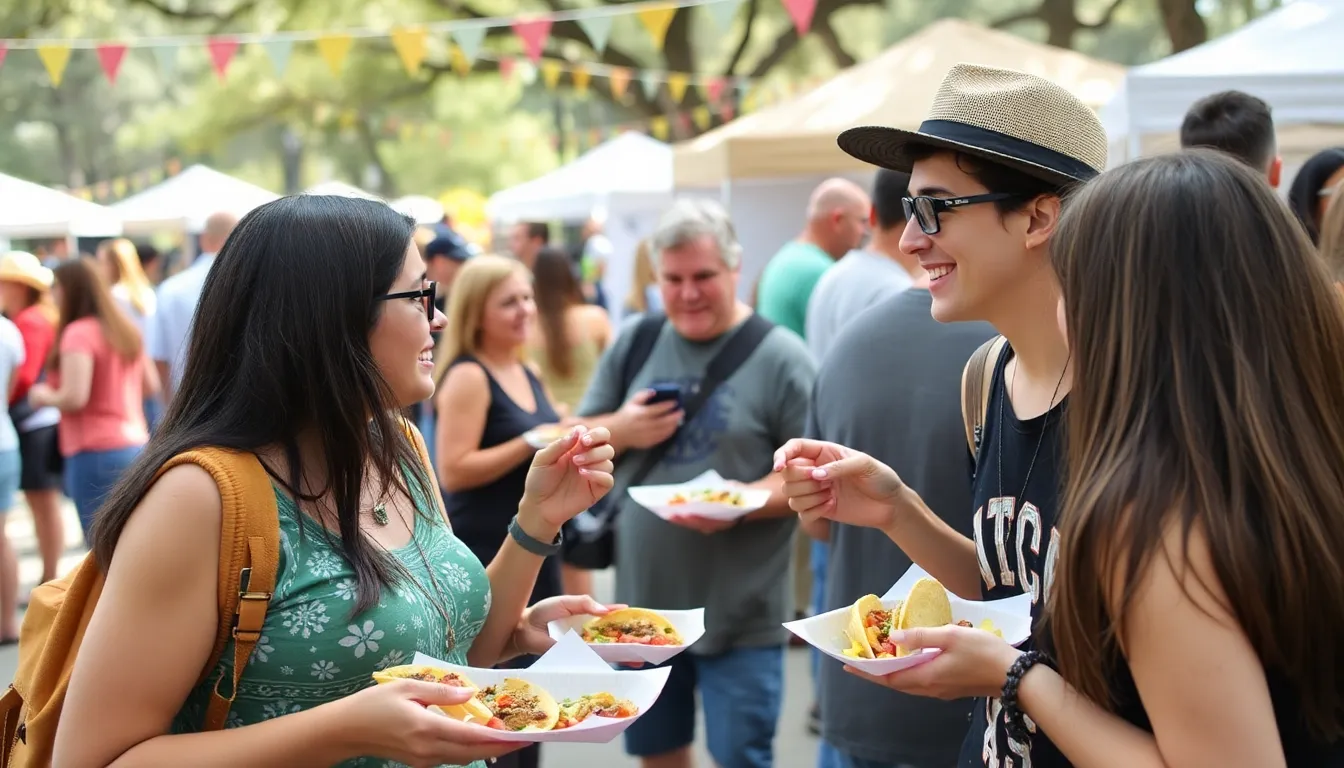
Frequently Asked Questions About San Antonio Restaurants
Key Takeaways and Future Outlook for Dining in San Antonio
San Antonio’s culinary landscape is a vibrant tapestry woven with rich cultural influences, particularly evident in its renowned taco scene. However, the city’s dining options extend far beyond this staple, showcasing a diverse array of cuisines that reflect the city’s evolving palate. As the restaurant industry continues to adapt to changing consumer preferences and economic factors, San Antonio stands poised to be a culinary destination that appeals to both locals and visitors alike.
Looking ahead, the growth of innovative dining experiences and a focus on sustainability will likely shape the future of the restaurant scene in San Antonio. Establishments that embrace local ingredients and unique concepts are expected to thrive, contributing to the city’s reputation as a food lover’s paradise.
- The emphasis on locally sourced ingredients will continue to drive restaurant innovation and sustainability efforts.
- Expect to see more fusion cuisines as chefs experiment with diverse culinary traditions, appealing to a broader audience.
- Outdoor dining and unique ambiance will remain popular, particularly as the city embraces its warm climate.
- Food festivals and events will likely increase, providing platforms for local chefs to showcase their talents and attract food enthusiasts.
- The rise of food delivery services may influence traditional dining experiences, prompting restaurants to adapt their menus and service models.