


The film, which is currently in pre-production, aims to explore Armstrong’s rise to fame and the subsequent fall from grace following revelations of performance-enhancing drug use. This casting choice has sparked discussions among fans and critics alike, particularly about Butler’s ability to embody such a polarizing figure in sports history. You can read more about similar impact in our article on how Scotland faces crucial matches as alternatives seem bleak.
Edward Berger, recognized for his work on the acclaimed film “Conclave,” will bring his directorial vision to the project, which is expected to delve into both Armstrong’s athletic achievements and the ethical implications of his actions. The film is anticipated to shed light on the broader issues of integrity and accountability in sports.
As the film progresses, the public will be watching closely to see how Butler interprets Armstrong’s character and whether it can resonate with audiences familiar with the cyclist’s tumultuous legacy. The production team has yet to announce a release date, but the project has already generated significant buzz in the entertainment and sports communities.
Understanding Lance Armstrong’s legacy and controversies
Lance Armstrong, once celebrated as one of the greatest cyclists in history, is a figure whose legacy is deeply intertwined with both triumph and controversy. His rise to fame began in the late 1990s when he won the Tour de France seven consecutive times from 1999 to 2005, a feat that captivated sports fans around the world. However, this success was overshadowed by allegations of performance-enhancing drug use, which ultimately led to a dramatic fall from grace.

The turning point in Armstrong’s story came in 2012 when the United States Anti-Doping Agency (USADA) released a report detailing a systematic doping program within his cycling team. This revelation not only stripped Armstrong of his titles but also resulted in a lifetime ban from competitive cycling. The fallout from these allegations sparked widespread debate about doping in sports, ethics, and the lengths athletes will go to achieve success, which is a topic we also explore in our pieces about the ethics and controversies in sports.
The Cultural Impact of Armstrong’s Story
Armstrong’s narrative has had a profound impact on American culture, particularly in how society views athletic achievement and the moral complexities surrounding it. His story is not just about cycling; it represents the broader issues of integrity, accountability, and the consequences of deception. The public’s initial adulation turned to outrage, leading to a reevaluation of how sports figures are idolized and the implications of their actions on fans and aspiring athletes.
Furthermore, Armstrong’s journey has influenced the conversation around cancer awareness and advocacy. After surviving testicular cancer, he became a prominent advocate for cancer research and founded the Livestrong Foundation, which raised millions for cancer support. This duality of hero and villain complicates his legacy, making it a compelling subject for filmmakers and audiences alike.
As Austin Butler steps into the role of Armstrong under the direction of Edward Berger, the film promises to explore not just the athletic achievements but also the moral dilemmas and personal struggles that defined Armstrong’s life. This portrayal could shed light on the complexities of fame and the costs associated with it, resonating with a society that continues to grapple with similar issues in various fields.
The implications of Butler’s role on public perception
The casting of Austin Butler as Lance Armstrong in the upcoming film directed by Edward Berger raises significant questions about how this portrayal will influence public perception of Armstrong, a figure synonymous with both athletic excellence and controversy. Armstrong’s legacy is complex, marked by his remarkable achievements in cycling and his subsequent fall from grace due to doping scandals. Butler’s performance may either rehabilitate Armstrong’s image or further entrench negative views, depending on how the narrative is framed.

Key stakeholders in this scenario include film producers, cycling organizations, and the general public. The producers, including Berger, aim to create a compelling narrative that resonates with audiences while also being commercially viable. Cycling organizations, on the other hand, may be concerned about how the film could impact the sport’s reputation, especially considering Armstrong’s past and the broader implications of doping in athletics.
Moreover, the portrayal of Armstrong could spark debates around ethics in sports, particularly regarding the normalization of doping and the consequences athletes face. This film could either highlight the need for stricter regulations or provoke discussions about redemption and the possibility of moving past transgressions, similarly to how the narrative unfolded during the 75 staggering moments from 75 years of The Archers.
- Public Sentiment: The film could either soften or harden public views on Armstrong, depending on the narrative’s focus.
- Industry Impact: Cycling organizations may face pressure to address doping policies more rigorously.
- Legal Considerations: The film’s portrayal of real events may raise legal issues around defamation and the accuracy of representation.
- Economic Factors: The film’s success could influence future biopics about controversial figures in sports.
- Media Influence: How the media covers the film’s release and its reception could shape ongoing discussions about Armstrong and doping in sports.
How this film might affect the cycling community and film industry
The announcement of Austin Butler portraying Lance Armstrong in an upcoming film directed by Edward Berger is poised to create ripples across several sectors, particularly the cycling community and the film industry. Fans of cycling and sports enthusiasts are likely to engage more deeply with the narrative surrounding Armstrong’s controversial career, which could lead to a resurgence of interest in professional cycling.
In the short term, the film may boost the visibility of cycling as a sport. Events such as local races and cycling clubs could see increased participation as the public’s curiosity about Armstrong’s story reignites. This heightened interest may also lead to a spike in merchandise sales for cycling gear and memorabilia, benefiting local businesses and manufacturers.
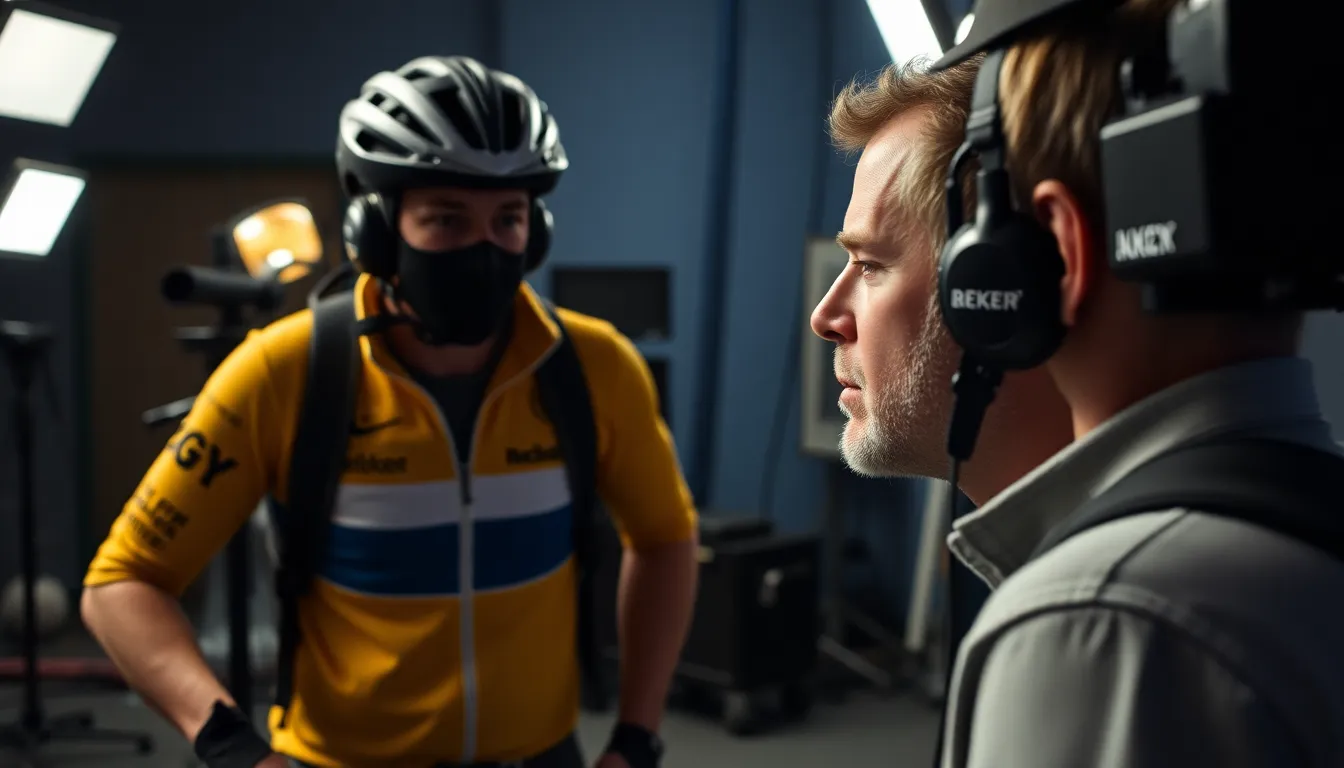
However, the film could also provoke backlash from some segments of the cycling community and sports advocates who view Armstrong’s doping scandal as a blemish on the sport’s integrity. This could lead to discussions around ethics in sports, potentially influencing policy changes in how doping cases are handled. The film may also spark debates about the portrayal of controversial figures in cinema, impacting how future biopics are approached.
- Increased interest in cycling: More people may take up cycling or attend events.
- Potential backlash: Some may criticize the film for glorifying a controversial figure.
- Policy discussions: The film could lead to renewed discussions on doping regulations.
- Business opportunities: Local businesses may benefit from increased cycling-related sales.
In the mid-term, as the film releases and garners attention, it could create opportunities for new collaborations between filmmakers and the cycling industry. Documentaries or follow-up projects highlighting clean athletes or the evolution of cycling could emerge, providing a more balanced narrative and potentially restoring some of the sport’s tarnished reputation. This could lead to a more comprehensive dialogue about sportsmanship and integrity in athletics.
A: The movie is directed by Edward Berger, who is known for his acclaimed work on the film ‘Conclave’. A: The film will explore Lance Armstrong’s rise to fame, his doping scandal, and the impact it had on his career and the sport of cycling. A: The release date has not been officially announced, but production is expected to begin soon. A: Austin Butler has been undergoing extensive research and training to accurately portray Lance Armstrong’s life and experiences. A: Butler may face challenges in portraying the complex nature of Armstrong’s character, as well as the public’s divided opinions on him.
Frequently Asked Questions about the film and casting
Looking ahead: What this film means for Austin Butler and Lance Armstrong
The announcement of Austin Butler portraying Lance Armstrong in Edward Berger’s upcoming film marks a significant moment for both the actor and the controversial figure he is set to embody. Butler, who gained widespread recognition for his role in “Elvis,” is poised to delve into the complexities of Armstrong’s life, exploring themes of ambition, deception, and redemption. This role could further solidify Butler’s status as a versatile actor capable of tackling challenging and multifaceted characters.
For Armstrong, this film presents an opportunity to reshape his narrative in the public eye. While he remains a polarizing figure due to his doping scandal, a well-crafted portrayal could provide a fresh perspective on his journey, potentially inviting a new dialogue about the nature of sportsmanship and personal failure. As the film progresses through production, the implications for both Butler’s career trajectory and Armstrong’s legacy will be closely monitored.
- Character Depth: Expect a nuanced portrayal that goes beyond the headlines, addressing Armstrong’s psychological complexities.
- Public Perception: The film may influence how audiences view Armstrong, possibly shifting focus from scandal to personal growth.
- Butler’s Career Path: Success in this role could lead to more dramatic and challenging roles for Butler in the future.
- Cultural Impact: The film could reignite discussions about ethics in sports and the consequences of ambition.
- Director’s Vision: Edward Berger’s direction will be crucial in balancing the narrative, making it both engaging and thought-provoking.