


The blast took place in the Police Lines area, which is typically considered a secure zone due to its proximity to law enforcement facilities. Eyewitness accounts describe scenes of chaos and panic as worshippers rushed to escape the destruction. Emergency services were quickly deployed to the site to assist the injured and manage the aftermath.
This incident marks one of the deadliest attacks on a place of worship in recent years, raising concerns about the safety of religious gatherings in Pakistan.
The Pakistani government has condemned the attack and vowed to take decisive action against those responsible. As the nation mourns the loss of life, the incident underscores the persistent threat of violence in the country, particularly against minority groups and places of worship.
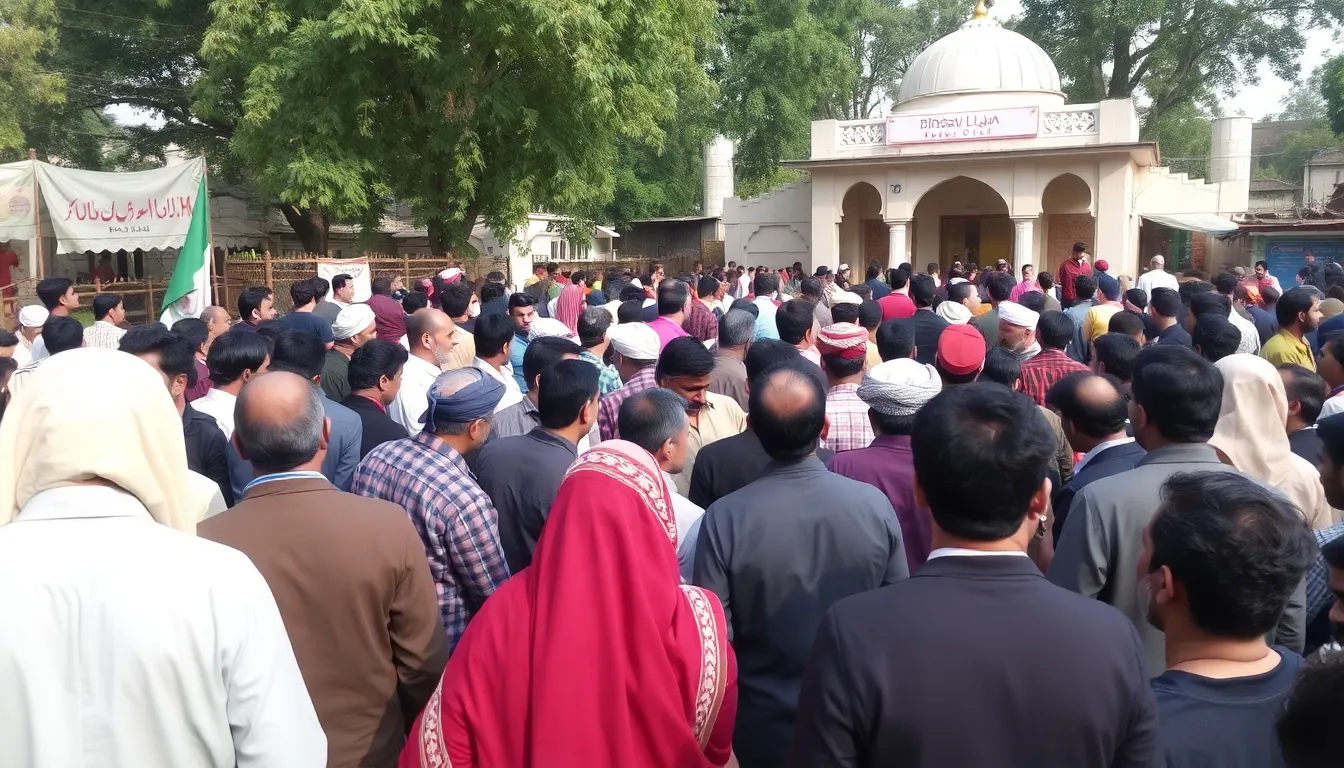
Understanding the background of violence in Pakistan
Pakistan has faced a long history of violence and terrorism, particularly in the context of religious extremism and sectarian conflict.
The rise of the Taliban in neighboring Afghanistan during the 1990s had a profound impact on Pakistan, leading to the proliferation of extremist ideologies within its borders. The post-9/11 era saw an increase in militant activities as Pakistan became a frontline state in the U.S.-led war on terror. This involvement exacerbated internal divisions and led to a surge in attacks on both military and civilian targets, including places of worship.
The sectarian divide
One of the significant factors contributing to violence in Pakistan is the sectarian divide between Sunni and Shia Muslims. This divide has often been exploited by extremist groups to incite violence and justify attacks. The targeting of mosques, particularly during prayer times, has become a tragic hallmark of this sectarian strife, resulting in numerous casualties and a climate of fear among the populace.
The tragic incident at the mosque, which resulted in the loss of over 30 lives, is a stark reminder of the challenges Pakistan faces in achieving lasting peace and security.
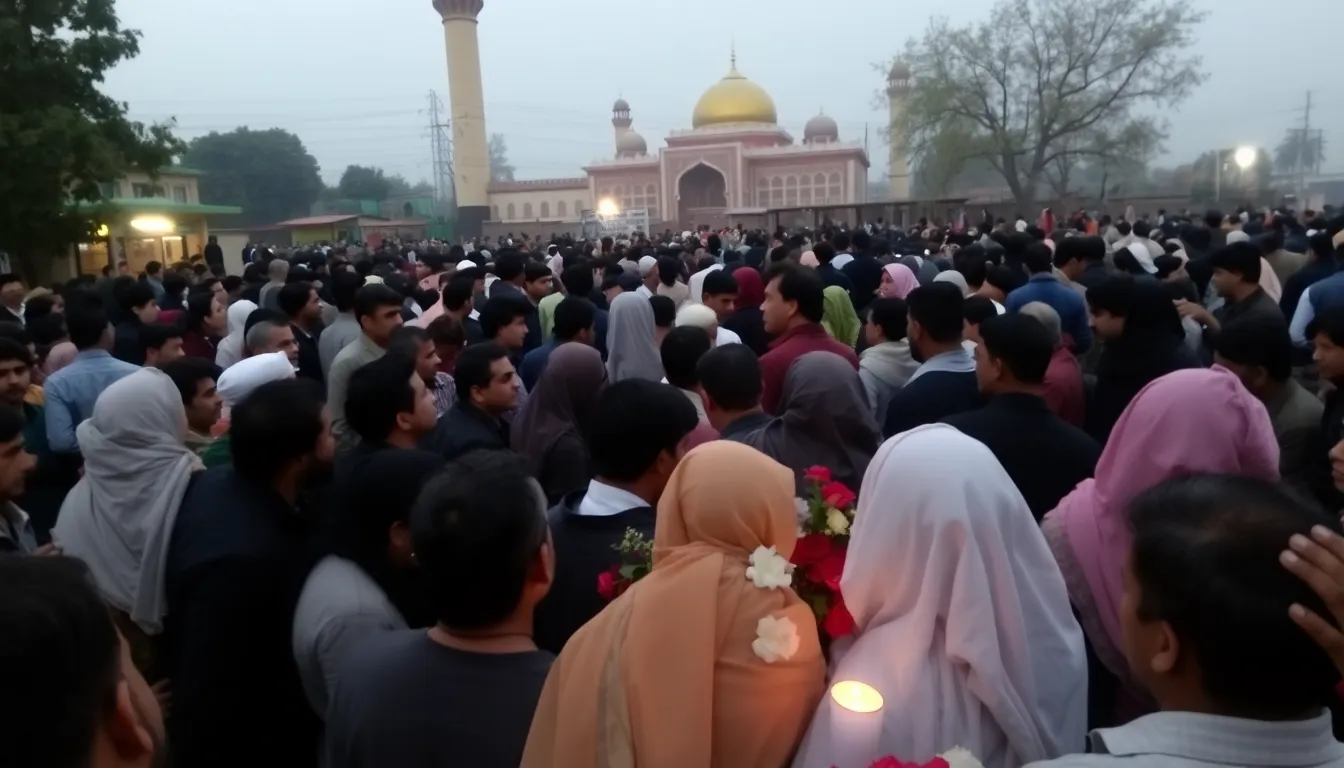
Examining the implications for local communities and government response
The recent blast at a mosque in Pakistan, which resulted in the tragic loss of more than 30 lives, has raised significant concerns among various stakeholders, including local communities, government officials, and security agencies. Each of these actors has distinct interests and priorities that shape their responses to this incident.
Local communities are primarily focused on safety and security. The blast not only caused immediate casualties but also instilled fear among worshippers and residents. There is a pressing need for authorities to ensure protection against future attacks, which may lead to calls for increased security measures in public spaces, particularly places of worship. This heightened vigilance could strain local resources and impact community engagement.
On the governmental side, officials are tasked with addressing the immediate aftermath of the attack while also managing public perception and maintaining order. The government’s response may involve deploying law enforcement to the area, conducting investigations, and possibly enacting new policies aimed at preventing such incidents. However, these actions must be balanced against the need to respect civil liberties and avoid overreach that could alienate communities.
- Security Agencies: Their role is crucial in investigating the attack and identifying the perpetrators, which could lead to heightened tensions if certain groups are targeted.
- Political Actors: Local and national politicians may leverage the incident to bolster their platforms, advocating for stronger anti-terrorism measures or criticizing opponents’ handling of security issues.
- International Community: Global reactions may influence Pakistan’s domestic policies, especially if foreign governments express concern for the safety of their citizens and the stability of the region.
Moreover, the economic implications of such violence cannot be overlooked. Increased security measures may divert funds from other critical areas such as education and healthcare, potentially leading to long-term socio-economic challenges. Additionally, ongoing violence can deter foreign investment and tourism, further exacerbating economic instability in the region.
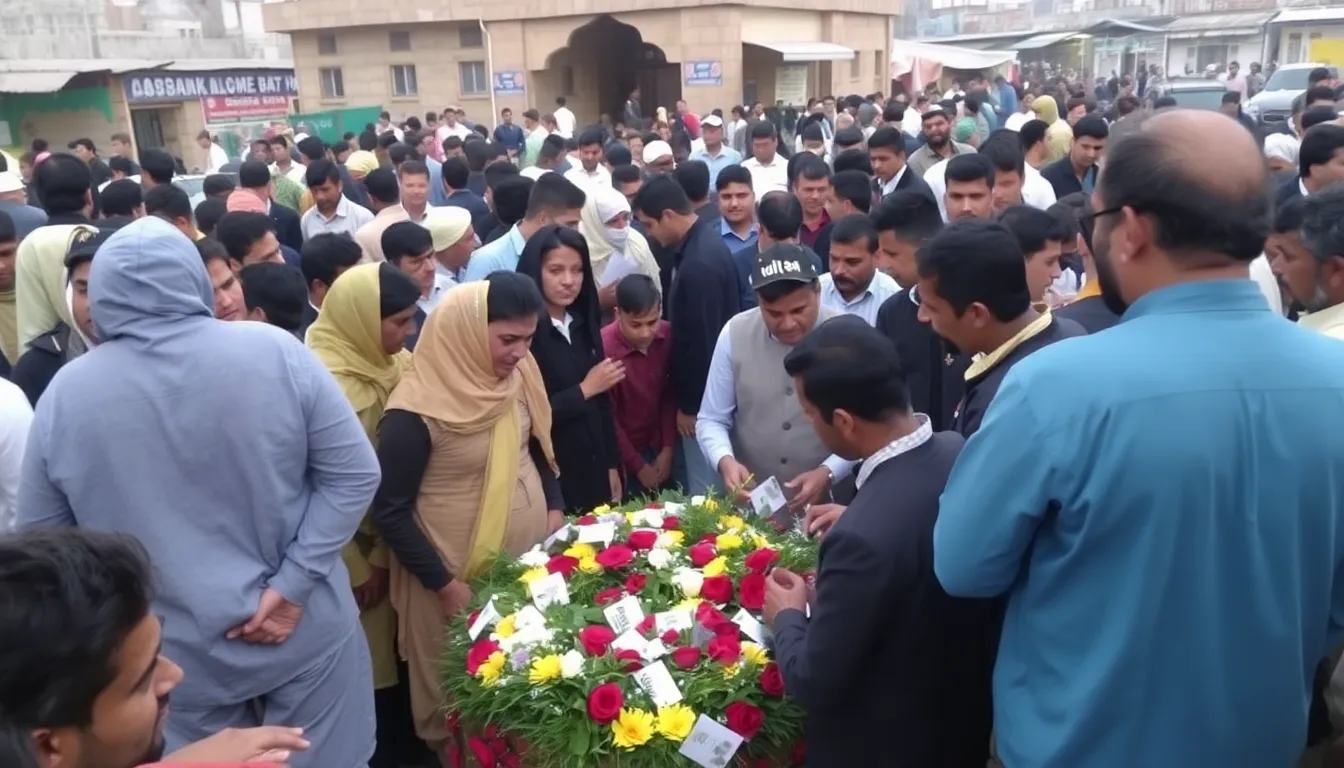
The impact of the blast on the local population and security measures
The recent blast at a mosque in Pakistan has left more than 30 individuals dead and many others injured, significantly affecting the local population. The victims include worshippers from various backgrounds, highlighting the tragedy’s widespread impact across different community segments. Families are now grappling with loss and trauma, which can lead to long-term psychological effects on those directly affected and the broader community.
In the immediate aftermath, local businesses, particularly those in the vicinity of the mosque, are likely to experience a downturn as people may avoid crowded areas due to security concerns. This situation could lead to reduced foot traffic and sales for merchants, affecting livelihoods and economic stability in the region. Additionally, the fear of further violence may deter potential visitors or customers from traveling to the area.
In the mid-term, there may be a push for increased security measures in public spaces, including places of worship. Authorities might implement stricter regulations and surveillance, which could change the landscape of community gatherings and religious practices. While this may enhance safety, it could also lead to feelings of mistrust and anxiety among citizens, affecting social cohesion.
- Increased security presence and measures in public spaces.
- Potential economic downturn for local businesses.
- Long-term psychological impacts on the community.
- Changes in community engagement and public gatherings.
Despite the grim circumstances, there may be opportunities for community solidarity and resilience-building initiatives. Local organizations and NGOs could step in to provide support for the affected families and promote healing through community events. Furthermore, this tragedy may spur discussions on the need for enhanced interfaith dialogue and community outreach, fostering a more unified response to violence and extremism.
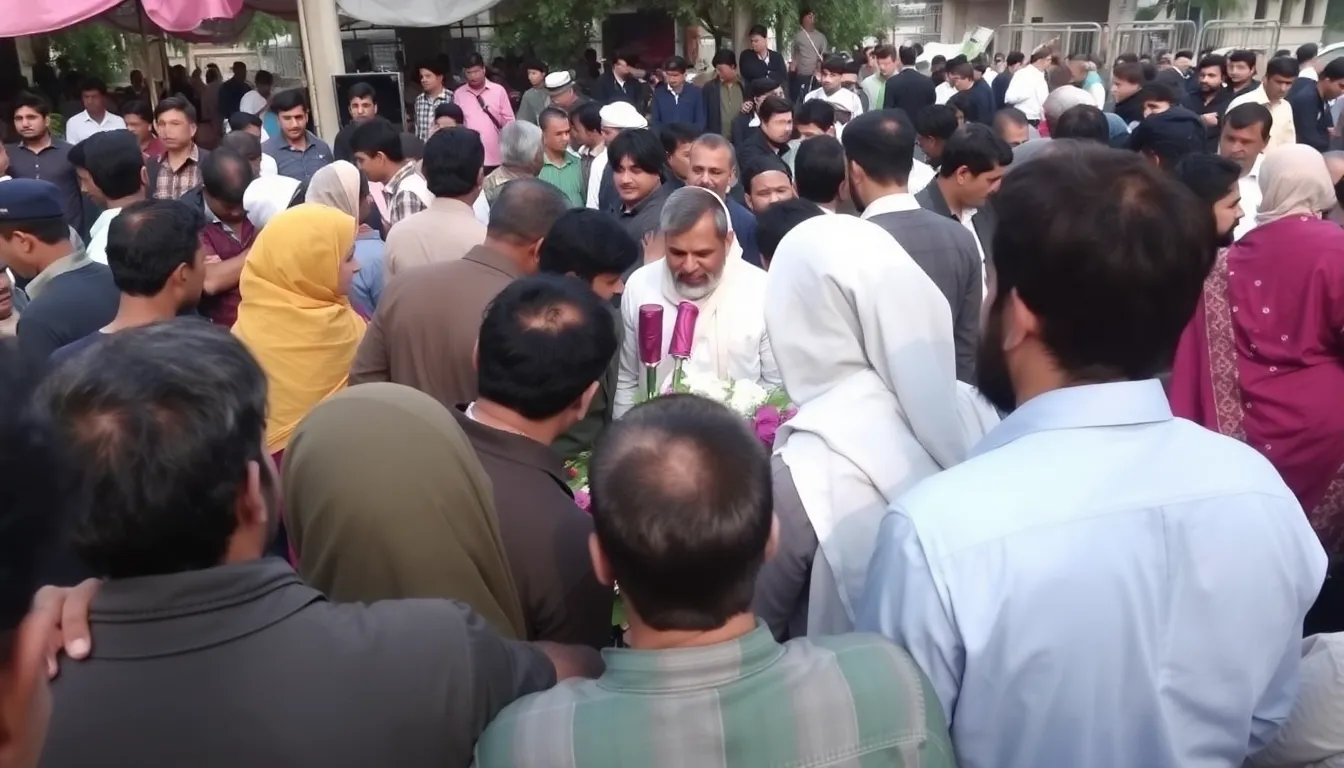
Frequently asked questions about the mosque blast
A: The exact cause of the explosion is still under investigation, but initial reports suggest it may have been a suicide bombing targeting worshippers.
A: Local authorities have increased security measures in the area and are conducting investigations to apprehend those responsible for the attack.
A: The community has expressed shock and grief over the loss of life, with many calling for justice and enhanced security to prevent future attacks.
A: Yes, places of worship in Pakistan have historically been targets for extremist violence, and there are ongoing concerns about the safety of religious minorities.
Key takeaways and future outlook on security in Pakistan
The recent tragic blast at a mosque in Pakistan, resulting in over 30 fatalities, underscores the persistent and escalating security challenges faced by the nation. This incident not only highlights the vulnerability of places of worship but also reflects broader issues related to extremism and sectarian violence. As authorities investigate the attack, the implications for public safety and communal harmony will be significant, necessitating a comprehensive response from both government and civil society.
Moving forward, it is essential to monitor the evolving security landscape in Pakistan, particularly in relation to the government’s counter-terrorism strategies and community resilience efforts. The response to this incident could set a precedent for how similar threats are managed in the future, influencing both domestic policies and international perceptions of security in the region.
- Increased security measures: Expect tighter security protocols at religious sites and public gatherings as authorities respond to the growing threat of violence.
- Community engagement: There may be a renewed focus on community-led initiatives aimed at fostering dialogue and preventing radicalization.
- Political implications: This incident could impact political stability, prompting discussions on governance and the effectiveness of current security policies.
- International response: The global community may reassess its approach to Pakistan, particularly concerning aid and counter-terrorism collaboration.