


Witnesses stated that the woman was attempting to disembark from the lift when her clothing became caught, leading to a fatal outcome. This incident has prompted discussions among ski resort operators and safety regulators about the need for enhanced safety measures to prevent similar accidents in the future.
Authorities in Japan are conducting an investigation into the circumstances surrounding the accident. The incident has drawn attention not only from local media but also from international news outlets, highlighting the potential risks associated with ski lifts and the importance of adhering to safety guidelines.
The Australian government has expressed condolences to the victim’s family and is working with Japanese authorities to gather more information. As the ski season continues, this event serves as a stark reminder of the inherent dangers in winter sports and the critical need for vigilance regarding safety standards.
Understanding ski lift operations and safety measures
Ski lifts are an essential part of winter sports infrastructure, designed to transport skiers and snowboarders up mountains efficiently. Over the years, ski lift technology has evolved significantly, with advancements aimed at enhancing safety and user experience. However, incidents involving ski lifts, while relatively rare, can have severe consequences, highlighting the importance of rigorous safety protocols and maintenance practices.
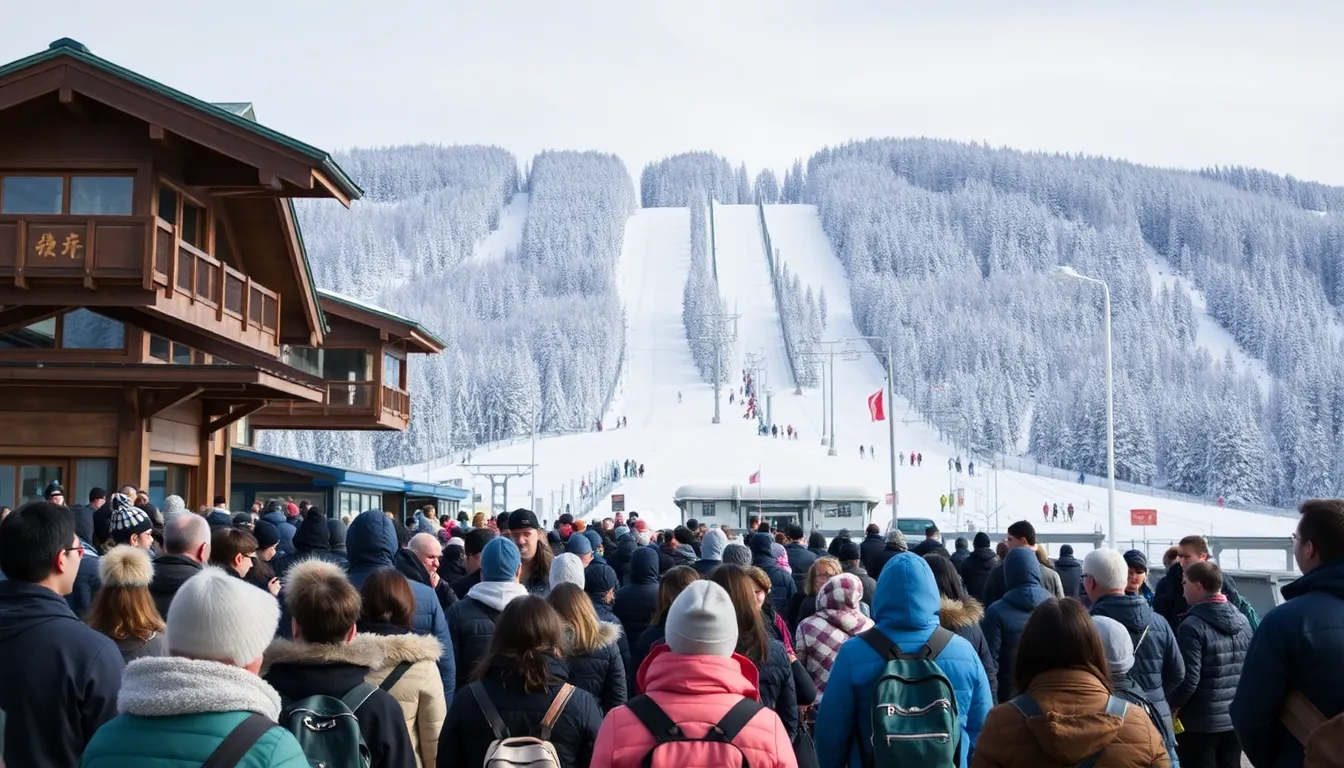
In Japan, ski resorts are a significant part of the tourism industry, attracting both domestic and international visitors. The country is renowned for its high-quality snow and picturesque landscapes, making it a popular destination for winter sports enthusiasts. However, the rapid growth of this industry has sometimes outpaced the implementation of comprehensive safety regulations, leading to calls for stricter oversight and improved safety measures across ski resorts.
Historical incidents and safety regulations
Historically, ski lift accidents have prompted regulatory changes in various countries. For instance, after a series of accidents in the 1980s and 1990s, many ski resorts in North America and Europe adopted more stringent safety standards, including regular inspections and mandatory operator training. In Japan, the government has also taken steps to enhance ski lift safety, but challenges remain, particularly in ensuring that all resorts adhere to these regulations consistently.
In recent years, there have been several notable incidents involving ski lifts worldwide, ranging from mechanical failures to human error. These events have raised awareness about the potential dangers associated with ski lifts and have led to increased scrutiny of safety practices. The tragic death of the Australian woman in Japan serves as a stark reminder of the risks involved and underscores the need for ongoing improvements in safety measures at ski resorts.
As the winter sports industry continues to grow, the balance between providing thrilling experiences and ensuring the safety of participants becomes increasingly critical. Ongoing education, training, and adherence to safety standards are essential to prevent future accidents and protect the lives of skiers and snowboarders.
Examining the responsibilities of ski resorts and safety regulations
The tragic incident involving an Australian woman who died after becoming snagged in a ski lift in Japan highlights critical issues surrounding ski resort safety regulations and the responsibilities of operators. This event has prompted a closer examination of the measures in place to protect skiers and snowboarders, as well as the accountability of ski resorts in ensuring a safe environment.
Key stakeholders in this situation include the ski resort operators, local and national government bodies, safety regulatory agencies, and the victims’ families. Each of these actors has distinct interests that shape their responses and actions following such incidents. For ski resorts, maintaining a positive reputation and ensuring customer safety is paramount, while government bodies are tasked with enforcing safety standards and regulations.
Conflicts may arise between the interests of profit-driven ski resorts and the imperative to prioritize safety. In many regions, the economic benefits generated by ski tourism can lead to pressure on resorts to minimize operational costs, which might inadvertently compromise safety measures. Additionally, the legal ramifications of such incidents can lead to complex liability issues, where the responsibility may be shared among multiple parties.
- Regulatory Compliance: Ski resorts must adhere to local and international safety regulations, which can vary significantly.
- Insurance Implications: Incidents can lead to costly insurance claims and increased premiums for resorts, impacting their financial stability.
- Public Perception: Negative media coverage can affect customer trust and future business, pushing resorts to enhance safety protocols.
- Legal Accountability: Determining liability can be contentious, involving investigations by authorities and potential lawsuits from affected families.
As this incident unfolds, it serves as a critical reminder of the need for stringent safety measures and the importance of transparent communication between ski resorts and their patrons. The broader implications of such tragedies extend beyond individual cases, affecting the entire ski industry and the regulatory frameworks that govern it, which have been a topic of discussion in previous incidents like other ski-related tragedies.
The impact of the incident on the ski community and tourism
The tragic death of an Australian woman after becoming snagged in a ski lift in Japan has sent shockwaves through the ski community and the broader tourism industry. This incident highlights the inherent risks associated with winter sports and the importance of safety measures in ski resorts. The immediate aftermath is likely to affect not only the local ski area but also the international perception of safety in ski tourism.
Various groups are impacted by this incident, including ski resorts, tourists, and the local economy. Ski resorts may face increased scrutiny regarding their safety protocols, which could lead to temporary declines in visitor numbers as potential tourists reconsider their travel plans. Additionally, the incident may prompt a review of safety regulations across the industry, affecting operators and manufacturers of ski lifts and related equipment.
- Increased safety regulations and inspections for ski lifts.
- Potential decline in tourism to ski resorts in Japan.
- Heightened awareness and concern among skiers and snowboarders.
In the short term, ski resorts may experience a drop in bookings as news of the incident spreads. This could lead to financial strain for local businesses that rely on winter tourism, including hotels, restaurants, and ski equipment rental shops. In the mid-term, however, there may be opportunities for resorts to enhance their safety measures, potentially attracting a more safety-conscious clientele.
Moreover, this incident may prompt ski resorts worldwide to reevaluate their safety protocols, creating a ripple effect that could lead to improved safety standards across the industry. While the risks associated with skiing cannot be entirely eliminated, there is potential for the industry to emerge stronger and more resilient, focusing on both safety and customer confidence in the long run.
A: An Australian woman became snagged in a ski lift in Japan, which led to her tragic death. The incident has raised serious concerns regarding ski lift safety. A: The accident took place at a ski resort in Japan, although specific details about the location have not been disclosed. A: Ski lifts are generally equipped with safety features, including emergency stop buttons and regular maintenance checks, but incidents can still occur due to various factors. A: Ski resorts are reviewing their safety protocols and may implement additional training for staff to prevent similar accidents in the future. A: While skiing can be safe, it is essential for resorts and skiers to remain vigilant about safety practices to minimize risks.
Frequently asked questions about the ski lift accident
Key takeaways and future implications for ski safety
The tragic incident involving an Australian woman who died after becoming snagged in a ski lift in Japan raises significant concerns about safety standards in ski resorts worldwide. As the ski season progresses, it is crucial for both operators and skiers to prioritize safety measures to prevent similar occurrences. Enhanced safety protocols, regular equipment inspections, and skier education can play vital roles in mitigating risks on the slopes.
This incident serves as a reminder of the inherent dangers associated with winter sports and the importance of vigilance. As ski resorts evaluate their safety practices, skiers should remain aware of their surroundings and adhere to guidelines to ensure a safer experience for everyone.
- Increased Safety Regulations: Expect ski resorts to implement stricter safety protocols and regular maintenance checks on lifts and equipment.
- Enhanced Training for Staff: Ski resort personnel may receive additional training to handle emergencies and ensure guest safety effectively.
- Awareness Campaigns: Look for initiatives aimed at educating skiers about safety practices and the risks associated with ski lifts.
- Technological Advancements: Innovations in ski lift technology may emerge, focusing on safety features that prevent accidents.