


On October 15, 2023, TikTok issued a statement denying these allegations, asserting that the company does not engage in censorship based on political viewpoints. The platform emphasized its commitment to fostering a diverse range of voices and maintaining an open environment for creative expression. TikTok also highlighted its content moderation practices, which involve a combination of automated systems and human review. For a deeper understanding of how such practices are analyzed, you might want to check out our article on BBC Inside Science.
The controversy has raised concerns about the influence of social media companies in shaping public discourse. Critics argue that the lack of transparency in content moderation practices can lead to unintended biases and the suppression of important conversations. As TikTok continues to grow in popularity, particularly among younger audiences, the stakes surrounding these claims become increasingly significant, much like the discussions surrounding username sharing in gaming.
In response to the backlash, TikTok has announced plans to enhance its content moderation policies and improve communication with users regarding content decisions. The company aims to build trust with its community while addressing the concerns raised by critics. As the situation unfolds, the platform’s actions will be closely monitored by stakeholders across the political and social spectrum.
Understanding the background of TikTok’s content policies
Since its launch in 2016, TikTok has rapidly evolved into one of the most popular social media platforms globally, particularly among younger audiences. However, its rise has not been without controversy. Concerns over data privacy, national security, and content moderation have led to increasing scrutiny from governments, particularly in the United States. This scrutiny has fueled claims that TikTok engages in censorship, especially regarding politically sensitive topics.
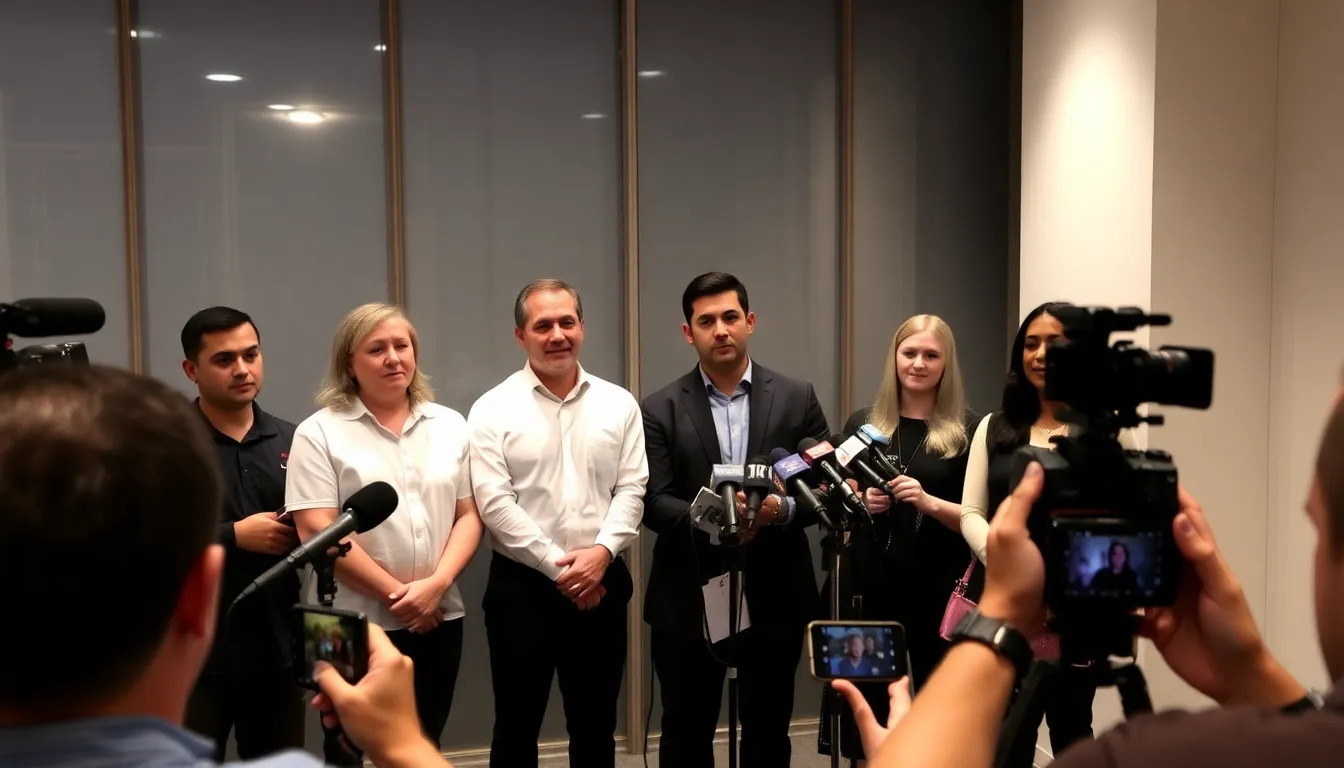
The platform, owned by the Chinese company ByteDance, has faced allegations of suppressing content that could be deemed unfavorable to the Chinese government. In 2020, the Trump administration attempted to ban TikTok, citing national security risks and concerns over user data being accessed by the Chinese government. Although the ban was never fully implemented, it set a precedent for the ongoing debate about the platform’s influence and governance.
Key Milestones in Content Moderation
In response to various allegations, TikTok has made several adjustments to its content moderation policies. In 2021, the platform announced the establishment of a transparency center in the U.S., aimed at providing insight into its content moderation practices. This move was part of an effort to build trust with users and regulators. Additionally, the company has publicly committed to ensuring that its content policies are free from political bias, emphasizing its dedication to fostering a diverse range of voices. Such efforts align with trends seen in platforms like those discussed in our article about Apple TV and content management.
Despite these efforts, critics argue that TikTok’s content moderation remains opaque. Reports have surfaced suggesting that specific topics, such as protests or criticisms of the Chinese government, may be subject to suppression. This has led to a broader conversation about the responsibilities of social media platforms in moderating content while balancing free speech and community guidelines.
The ongoing discourse surrounding TikTok’s content policies highlights the complex interplay between technology, governance, and societal values. As the platform continues to navigate these challenges, its approach to content moderation will likely remain a focal point in discussions about digital rights and censorship in the modern age.
Analyzing the stakeholders involved in the censorship debate
The ongoing debate over TikTok’s alleged censorship practices involves several key stakeholders, each with distinct interests and perspectives. Primarily, TikTok, owned by the Chinese company ByteDance, aims to maintain its user base and market presence in the U.S. while countering claims that it suppresses content critical of the Chinese government or other sensitive topics.
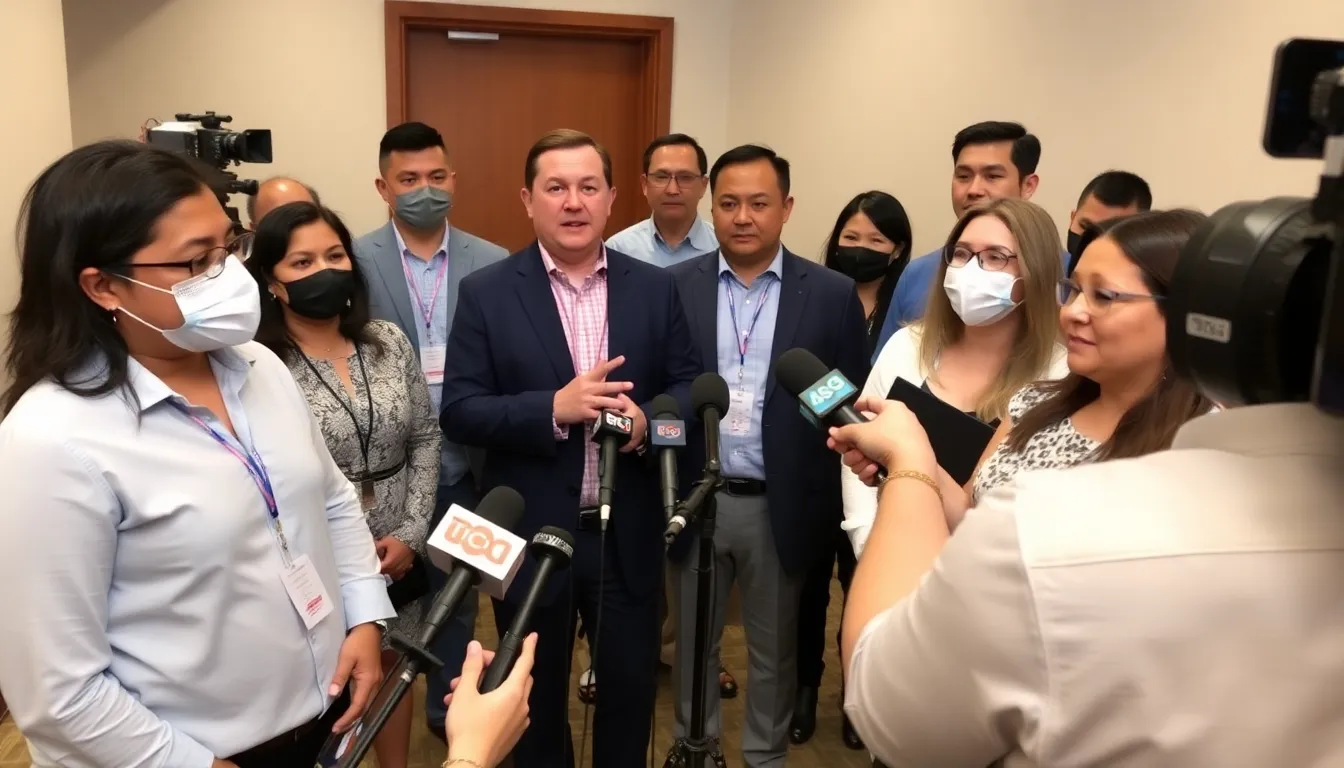
Another significant actor is the U.S. government, which has expressed concerns about national security and data privacy regarding TikTok’s operations. Lawmakers and regulators are particularly focused on how the platform manages user data and whether it could be manipulated for political purposes. This creates a tension between the government’s regulatory interests and TikTok’s business objectives.
Additionally, content creators and users on TikTok play a crucial role in this debate. Many creators rely on the platform for their livelihoods and express concerns about the transparency of content moderation practices. Their interests often conflict with the platform’s need to comply with legal and political pressures, leading to a complex dynamic.
- National Security Concerns: The U.S. government’s scrutiny of TikTok is driven by fears of data misuse and foreign influence.
- Economic Interests: TikTok’s ability to thrive in the U.S. market is tied to its reputation and user trust, which can be harmed by censorship allegations.
- User Experience: Content creators demand clarity on moderation policies to safeguard their content and ensure fair treatment.
- Political Pressure: Ongoing political narratives shape public perception and influence regulatory actions against TikTok.
- Global Implications: The outcomes of this debate may affect international relations and the global tech landscape.
Impact of censorship claims on TikTok users and the platform
The recent claims of censorship by TikTok have raised concerns among various groups, including content creators, influencers, and users who rely on the platform for expression and communication. These allegations not only affect individual users but also impact brands and businesses that utilize TikTok for marketing and engagement with their audiences.
In the short term, users may experience heightened anxiety regarding the visibility of their content, leading to a potential decrease in user engagement. Influencers and creators might alter their content strategies to avoid potential censorship, which could stifle creativity and innovation within the platform. Brands may reconsider their advertising strategies, affecting their reach and effectiveness in connecting with target audiences.
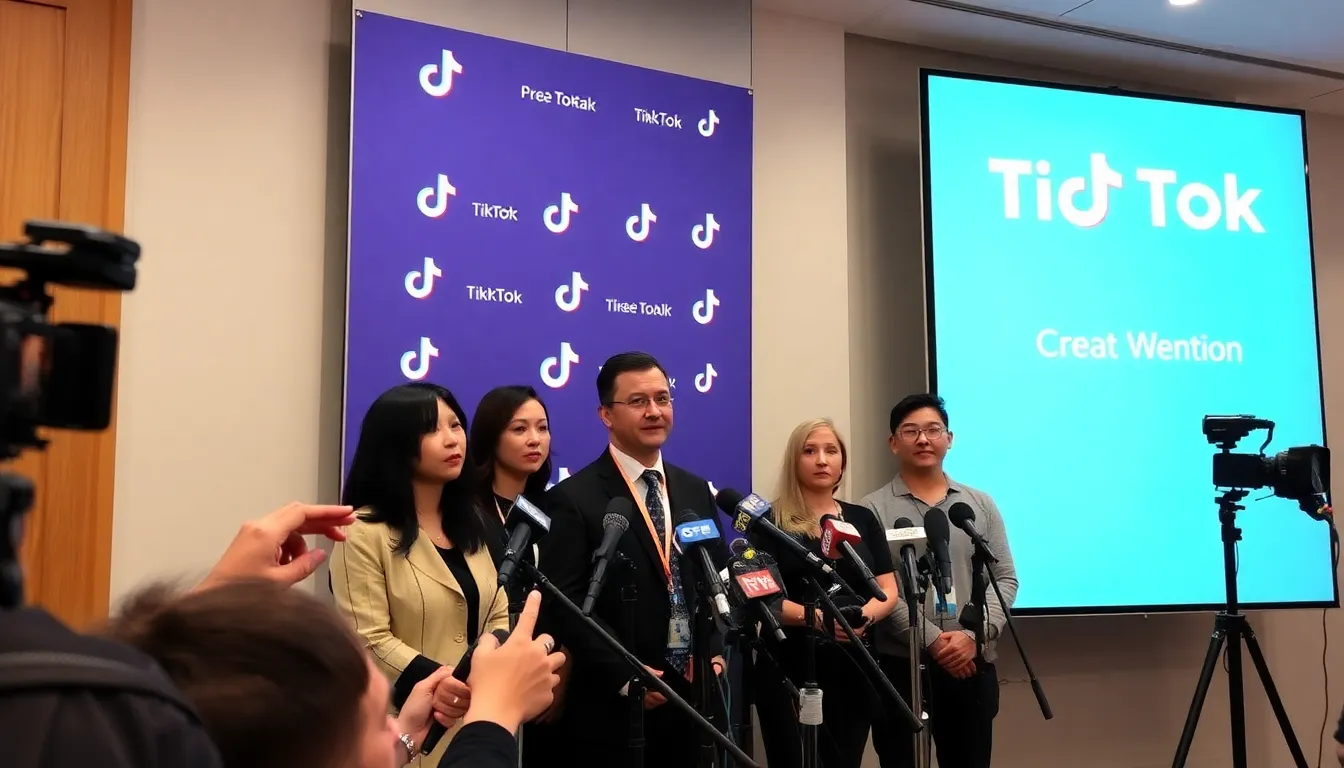
Mid-term impacts could include shifts in user demographics as creators and users migrate to alternative platforms perceived as more open. This migration could lead to a decrease in TikTok’s user base, which would subsequently affect advertising revenue and partnerships. Additionally, the ongoing scrutiny may prompt regulatory bodies to impose stricter guidelines on content moderation practices, influencing how platforms operate in the future.
- Risks: Decreased user engagement, migration to alternative platforms, potential regulatory scrutiny.
- Opportunities: Enhanced transparency initiatives, development of new content strategies, potential for innovative advertising solutions.
Overall, the implications of these censorship claims extend beyond TikTok itself, potentially reshaping the social media landscape and influencing user behavior across various platforms. As stakeholders navigate these challenges, the balance between freedom of expression and content moderation will remain a critical issue in the digital age.
A: Critics allege that TikTok censors content that is politically sensitive or critical of the platform. These claims have emerged as the platform faces increased scrutiny from lawmakers and users. A: TikTok has denied the allegations, emphasizing its commitment to user expression and stating that it does not engage in censorship based on political views. A: Users may feel uncertain about the platform’s content policies, potentially affecting their willingness to share diverse viewpoints. This could lead to a decrease in user engagement. A: Yes, lawmakers are discussing potential regulations that could impact TikTok’s operations in the US, especially concerning data privacy and content moderation. A: TikTok’s content moderation practices are similar to other platforms but face unique challenges due to its algorithm-driven nature, which can amplify certain content over others.
Frequently asked questions about TikTok’s content policies
Key takeaways and future outlook on TikTok’s content management
The ongoing discourse surrounding TikTok’s content management practices highlights the platform’s challenges in navigating accusations of censorship while maintaining user trust. As the company continues to assert its commitment to transparency and open dialogue, the implications of its content moderation policies will likely influence user engagement and regulatory scrutiny moving forward.
Stakeholders should closely monitor how TikTok addresses these claims, as its response could shape the future landscape of social media regulation and user experience. The balance between content moderation and freedom of expression remains a critical area of focus for both the platform and its users.
- Watch for potential regulatory changes as lawmakers increase scrutiny on content moderation practices across social media platforms.
- Observe TikTok’s efforts in enhancing transparency, which may include clearer communication around content moderation policies and user guidelines.
- Consider the impact of user feedback on TikTok’s policies, as community sentiment could drive adjustments to its content management strategies.
- Monitor the platform’s engagement metrics, as shifts in user behavior may indicate the effectiveness of its responses to censorship allegations.
- Stay informed about competing platforms’ approaches to content moderation, as they may influence TikTok’s strategies and user retention efforts.