


Emergency responders worked tirelessly to control the flames and evacuate workers from the site. Unfortunately, despite their efforts, four individuals were confirmed dead, and several others sustained injuries. The victims have been identified as employees of the factory, which has been a key player in the local economy. For more on the impact of industrial incidents, see our article on recent industrial challenges.
The cause of the fire remains under investigation, with authorities examining potential safety violations and operational protocols at the factory. This incident raises significant concerns about workplace safety standards in industrial settings, particularly in light of previous warnings about fire hazards in similar facilities.
The local community is in mourning, as families and friends of the victims seek answers and support. This tragedy not only highlights the human cost of industrial accidents but also underscores the importance of stringent safety regulations to prevent such occurrences in the future. Insights into similar industrial accidents can be found in our coverage of industrial safety practices.
Background on the biscuit factory and previous safety inspections
The tragic fire at the Greek biscuit factory, which resulted in the loss of four lives, has raised serious concerns about workplace safety standards in the country. This incident is not an isolated case; it highlights ongoing issues within the industrial sector regarding compliance with safety regulations and the enforcement of labor laws. The factory, a significant player in the local economy, has been in operation for several decades, contributing to both employment and the production of popular consumer goods.
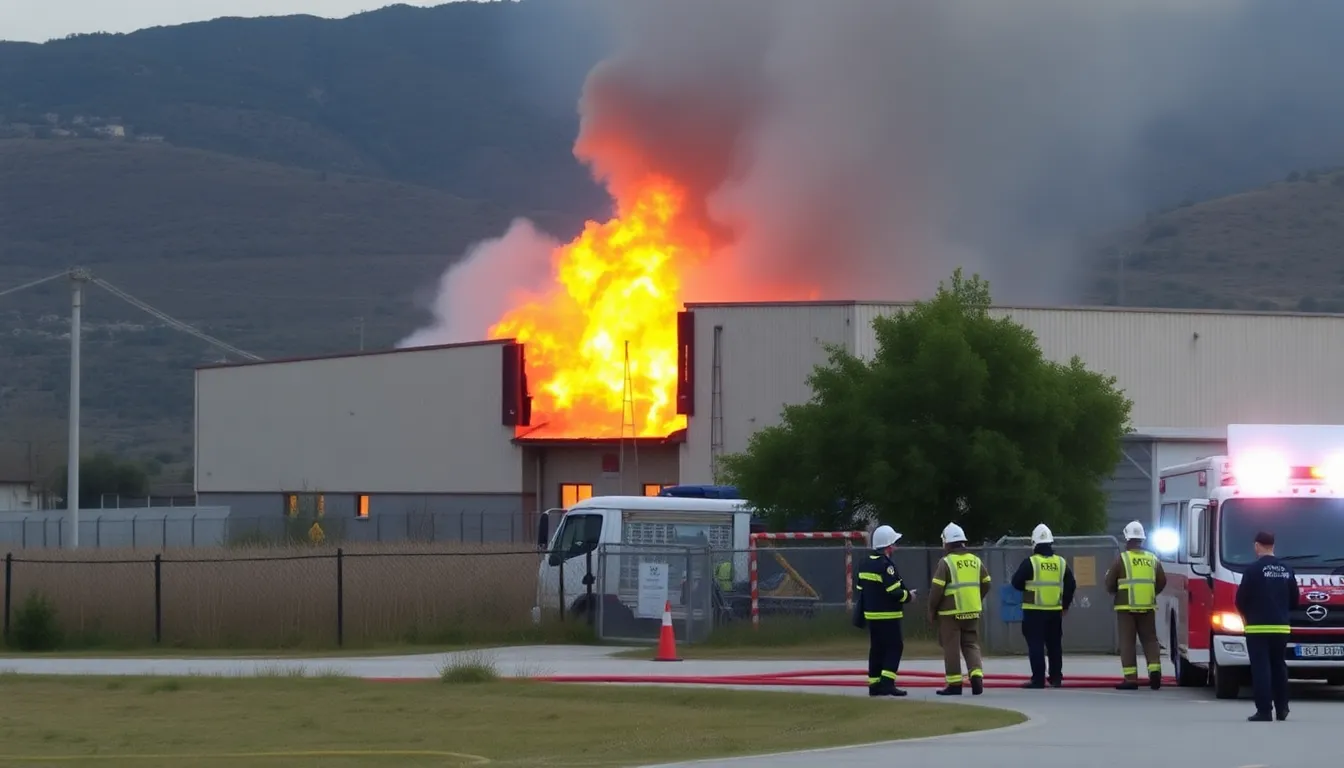
Historically, Greece has faced challenges in regulating industrial safety, particularly in the wake of the financial crisis that began in 2009. The economic downturn led to budget cuts in various sectors, including labor inspections, which weakened oversight and enforcement of safety protocols. This has created an environment where some factories may prioritize production and profits over the safety of their workers, leading to dangerous working conditions.
In recent years, there have been several incidents within the manufacturing sector that have raised alarms about safety practices. Reports indicate that the factory had undergone inspections in the past, but the effectiveness of these inspections has been questioned. Critics argue that while inspections may have occurred, they often lacked thoroughness, and many safety violations went unaddressed. This negligence ultimately culminated in the catastrophic event that unfolded, reminiscent of the ongoing discussions about workplace safety in similar contexts.
Previous Incidents and Regulatory Response
Following past industrial accidents in Greece, there have been calls for stricter regulations and improved safety measures. However, the response has often been slow and insufficient. The government has faced criticism for not implementing comprehensive reforms to ensure worker safety, leading to a cycle of repeated incidents. The latest tragedy may serve as a catalyst for change, prompting both public outcry and potential legislative action aimed at enhancing safety standards in the industrial sector.
Key stakeholders and issues surrounding the factory fire
The tragic fire at the Greek biscuit factory has drawn attention from various stakeholders, each with distinct interests and concerns. Among the primary actors are the factory owners, employees, local government authorities, and community members. The loss of life and the impact on the local economy have heightened the stakes for all involved.
Factory owners are primarily concerned with the operational and financial implications of the incident. The destruction of property and potential legal liabilities pose significant risks. Additionally, they face pressure to ensure the safety of their remaining workforce and to restore public confidence in their operations.
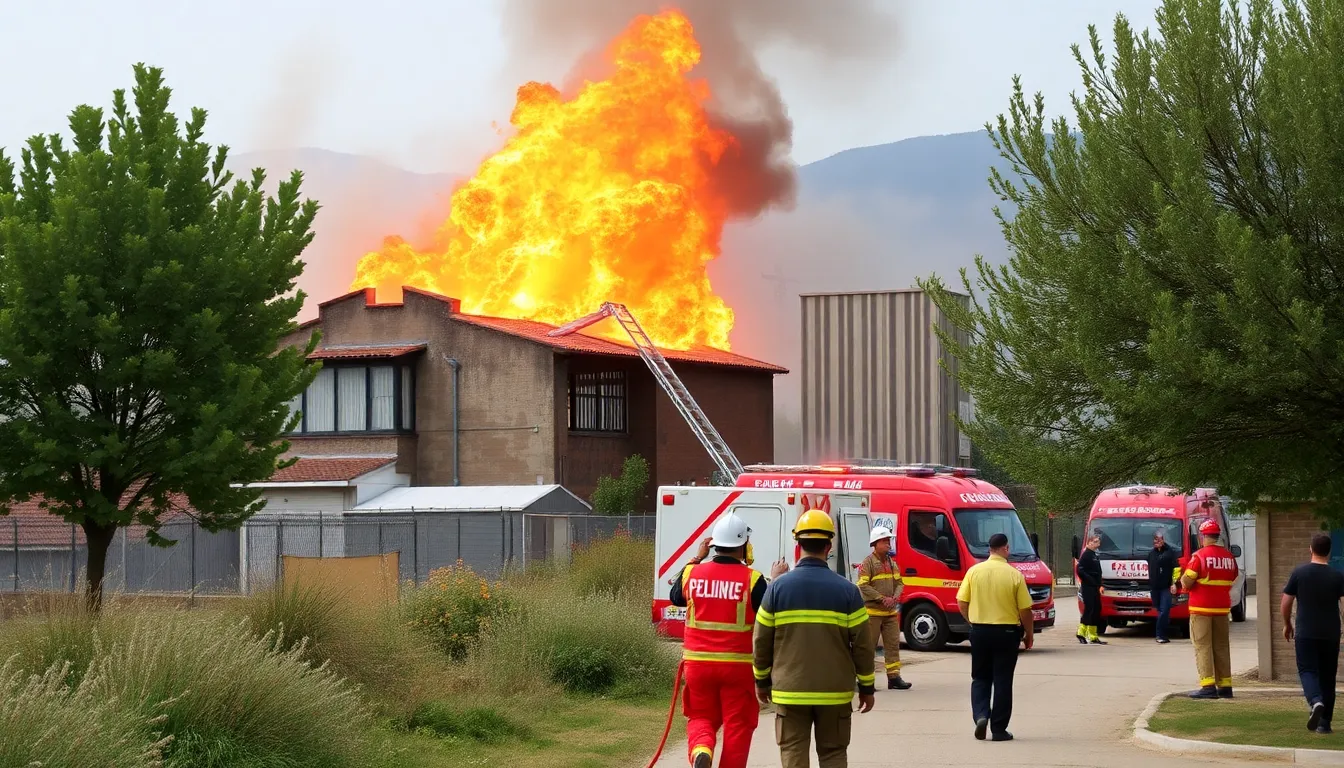
Local government authorities have a vested interest in the aftermath of the fire, particularly in terms of public safety and regulatory compliance. They will likely conduct investigations to determine the cause of the fire and assess whether proper safety protocols were in place. This could lead to stricter regulations for factories, impacting the broader industrial landscape in the region.
Community members, including the families of the deceased, are deeply affected by the tragedy. They seek answers and accountability, which may lead to demands for improved safety measures in local industries. The emotional toll on the community can also result in heightened scrutiny of the factory’s practices and a call for justice.
- Legal ramifications for the factory owners regarding workplace safety standards.
- Economic impact on the local community due to job losses and reduced factory operations.
- Potential changes in regulations governing fire safety and industrial operations.
- Emotional and psychological effects on families and community members affected by the tragedy.
- Public perception of the factory and its commitment to employee safety moving forward.
Impact on the local community and the biscuit industry
The tragic fire at the Greek biscuit factory has left a profound impact on various groups, notably the local community, workers’ families, and the biscuit industry at large. The loss of four lives has deeply affected the families and friends of the victims, creating a somber atmosphere in the region. Additionally, the local economy, which relies heavily on the factory for employment and commerce, faces significant challenges in the wake of this disaster.
In the short term, the immediate effects include disruption of production and supply chains. The factory’s closure will likely lead to job losses and financial strain for employees and their families. Local businesses that depend on the factory’s operations may also experience decreased sales, as fewer workers will be spending in the area. This situation could lead to a ripple effect, impacting various sectors, including retail and services.
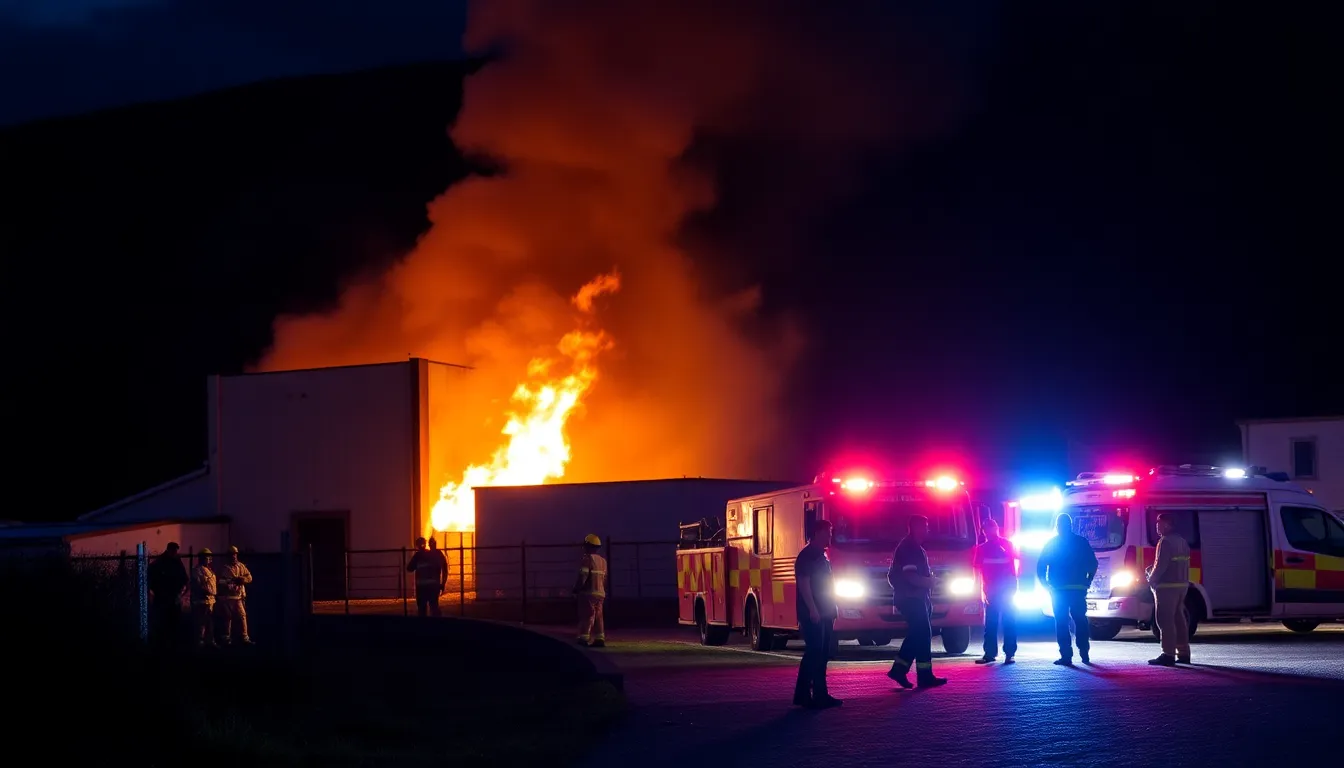
Mid-term impacts may involve a reassessment of safety regulations and policies within the biscuit industry. Authorities may implement stricter fire safety measures, influencing operational costs and production practices. Furthermore, companies may face increased scrutiny from consumers regarding safety protocols, potentially affecting brand reputation and consumer trust.
- Risks: Job losses, economic downturn in the local area, and increased operational costs.
- Opportunities: Potential for investment in safer production technologies and a shift towards more sustainable practices.
- Community support: Increased community solidarity and support for affected families may lead to stronger local networks.
As the community mourns the loss, there is also a chance for resilience and recovery. The tragedy may prompt a collective effort to enhance workplace safety and community support initiatives, fostering a more secure environment for workers in the future. Additionally, businesses may innovate in response to the crisis, exploring new markets or diversifying their product lines to mitigate risks associated with such disasters.
A: The exact cause of the fire is still under investigation, but initial reports suggest it may have been related to equipment malfunction. A: Tragically, four individuals lost their lives in the fire, and several others sustained injuries. A: Authorities are reviewing safety protocols and conducting thorough inspections of similar facilities to prevent future incidents. A: There have been mixed reports regarding the factory’s compliance with safety regulations, which are currently being examined. A: The local community has expressed deep sorrow and is rallying to support the families affected by the tragedy.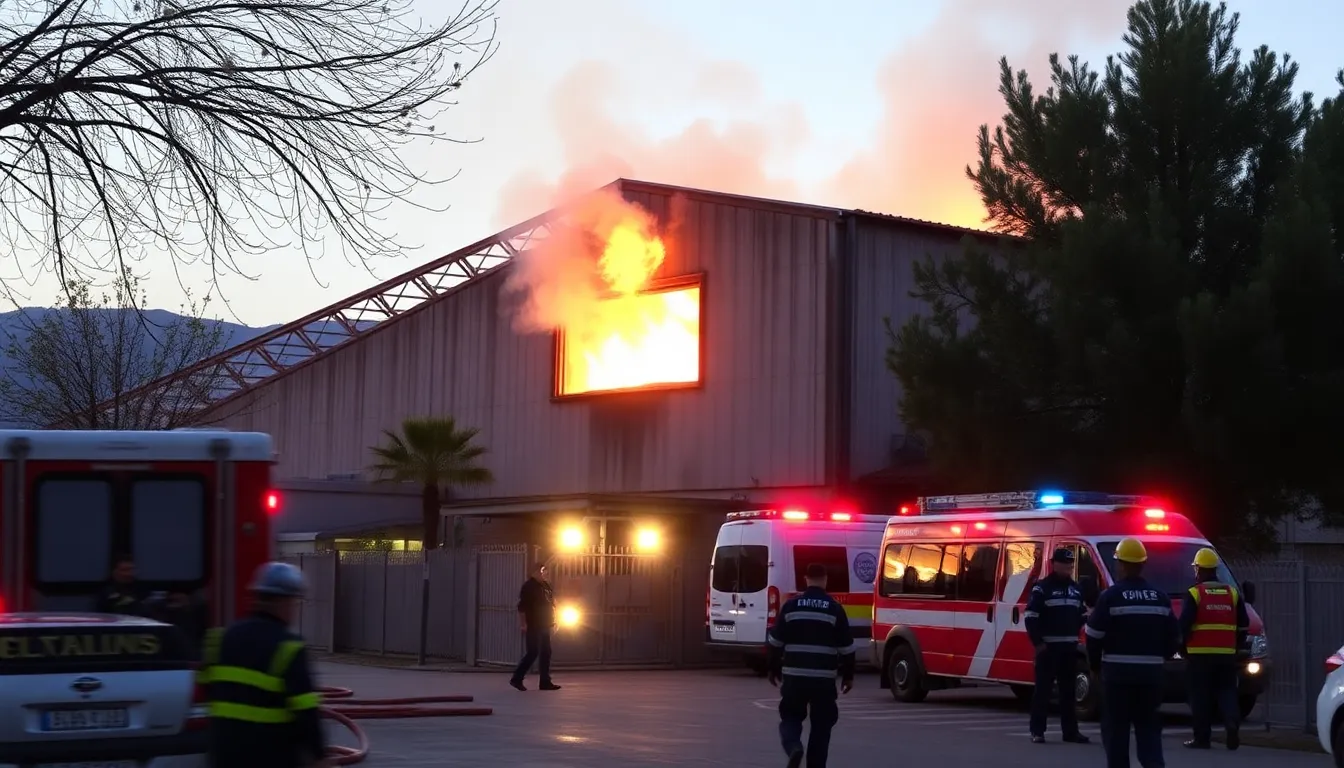
Frequently asked questions about the factory fire incident
Key takeaways and future implications of the incident
The tragic fire at the Greek biscuit factory has raised significant concerns regarding workplace safety and emergency preparedness in the manufacturing sector. As investigations proceed, the focus will likely shift towards understanding the causes of the fire and evaluating the adequacy of safety measures currently in place. This incident serves as a stark reminder of the potential hazards in industrial environments and the critical need for stringent safety protocols.
In light of this event, stakeholders must consider the broader implications for regulatory frameworks and community responses to such disasters. The impact on the local economy, particularly in terms of job losses and supply chain disruptions, will also be a crucial area to monitor in the coming weeks.
- Increased scrutiny of safety regulations in manufacturing facilities may lead to more stringent enforcement and compliance checks.
- Companies may invest in enhanced fire prevention and emergency response training for employees to mitigate future risks.
- The local community’s response and support for affected families will be essential in fostering resilience and recovery.
- Potential shifts in public perception regarding factory working conditions could drive demand for greater transparency from manufacturers.
- Long-term economic impacts on the region may necessitate government intervention to support affected workers and businesses.