


The match, held on January 16, highlighted several issues in Raducanu’s game, including inconsistency in her serve and difficulty in maintaining focus during critical points. Observers noted that her once-promising momentum following her historic US Open win in 2021 seems to have faltered, with this latest loss marking a continuation of her struggles in high-pressure situations. For more insights on similar challenges faced by young athletes, check out this article about Jade Scott.
Raducanu’s recent performances have drawn attention to the challenges young athletes face in sustaining success amidst high expectations. Since her breakthrough victory, she has battled injuries and fluctuating form, which have contributed to a lack of confidence on court. These factors have led to speculation about her training regimen and the support system surrounding her as she navigates the complexities of professional tennis. As we explore her journey, it’s worth reflecting on how young champions like Charles Leclerc are managing similar pressures, as detailed in this insightful piece.
As the tennis world watches closely, the implications of Raducanu’s performance extend beyond her personal journey. Her struggles serve as a reminder of the intense pressure young athletes endure and the unpredictable nature of sports. The upcoming months will be crucial for Raducanu as she seeks to regain her footing and re-establish herself among the elite in women’s tennis.
Understanding the background of Raducanu’s journey
Emma Raducanu’s rise to prominence in the world of tennis is a remarkable story that intertwines personal determination and the evolving landscape of women’s sports. Her historic victory at the 2021 US Open, where she became the first qualifier to win a Grand Slam title, not only highlighted her immense talent but also showcased the potential for young athletes to break through in a traditionally competitive field.
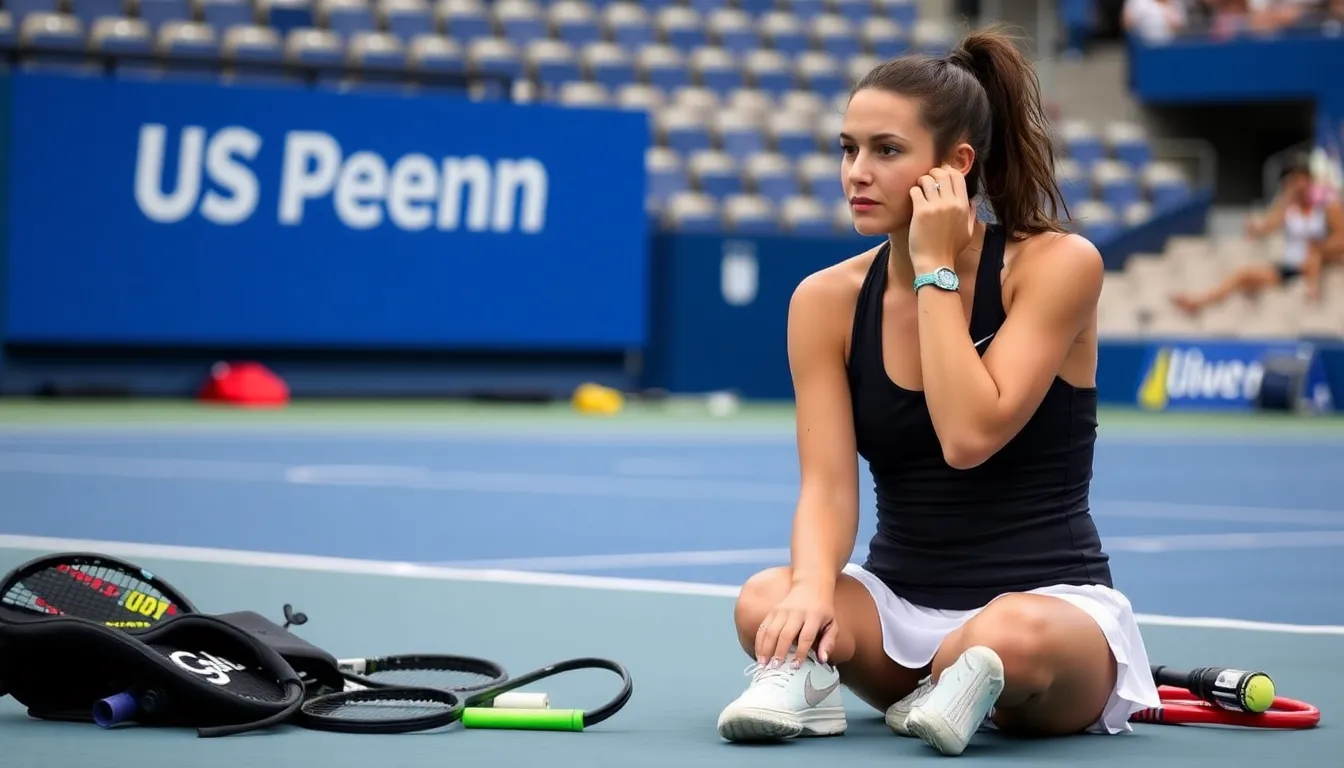
The journey to that iconic moment, however, was not without its challenges. Raducanu’s early career was marked by the pressures of balancing academic commitments and rigorous training schedules. Growing up in a multicultural environment, with a Romanian father and a Chinese mother, she navigated diverse cultural expectations while striving to excel in a sport that demands both physical prowess and mental resilience.
In the aftermath of her US Open triumph, expectations soared, creating a double-edged sword for the young athlete. The intense scrutiny from media and fans alike, coupled with the pressures of maintaining peak performance, posed significant hurdles. This phenomenon is not unique to Raducanu; many young champions have faced similar challenges, highlighting the need for comprehensive support systems in professional sports.
The Impact of Media and Public Expectations
The role of media in shaping public perception cannot be understated. Following her victory, Raducanu experienced a whirlwind of endorsements and public appearances, which, while beneficial for her career, also diverted focus from her training. The sudden shift in lifestyle and the weight of expectation can often lead to performance anxiety, a reality that many athletes encounter after achieving significant success. This aspect of athlete’s experiences is echoed in Kanye West’s reflections on pressure and public scrutiny.
As Raducanu navigates this complex landscape, her recent performances serve as a reminder of the importance of mental health and resilience in sports. Understanding the pressures and challenges she faces is crucial in appreciating her journey and the broader implications for young athletes in high-stakes environments.
Analyzing the factors contributing to Raducanu’s struggles
Emma Raducanu’s recent performance at the Grand Slam has drawn significant attention, not only from fans but also from various stakeholders in the sports industry. These stakeholders include her coaching team, sponsors, the media, and the governing bodies of tennis. Each has a vested interest in her success, which complicates the narrative surrounding her struggles.
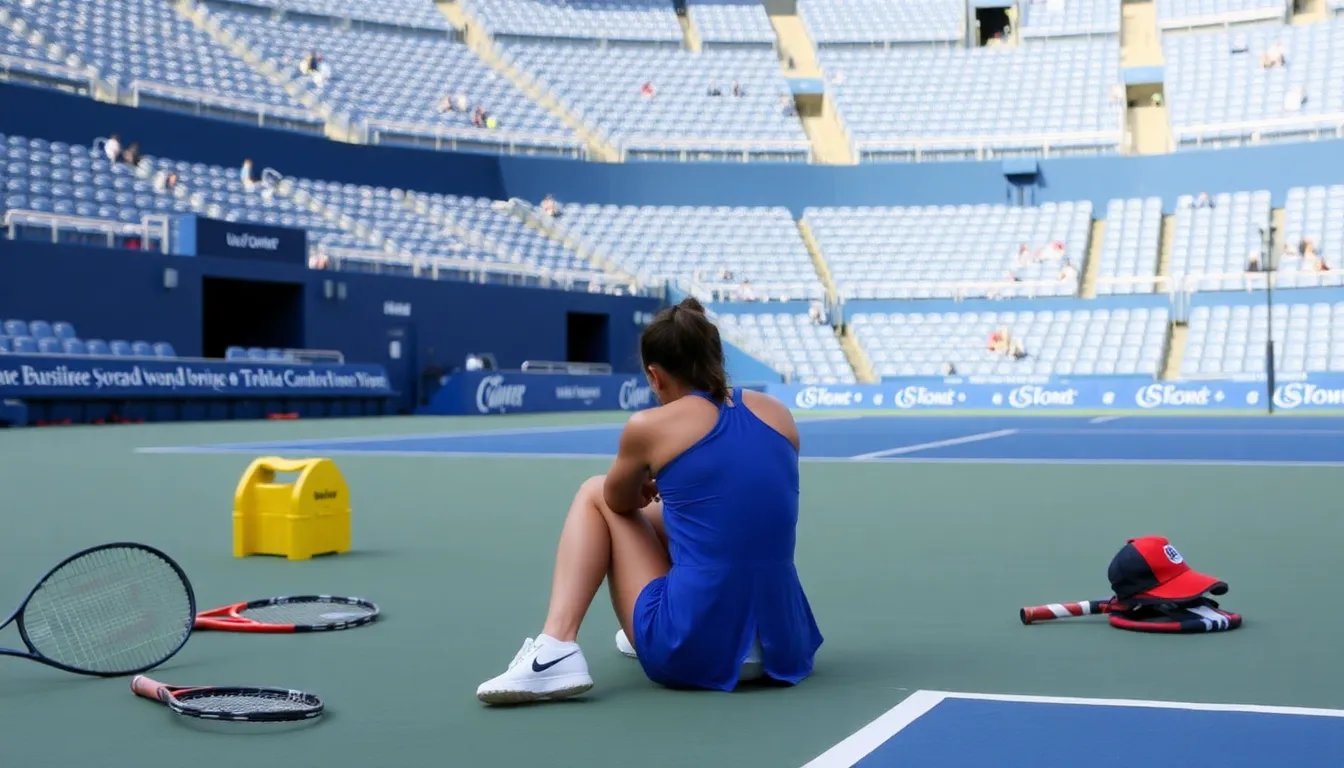
One key actor in this scenario is Raducanu’s coaching team, who are tasked with developing her skills and mental resilience. Their strategies and decisions directly influence her performance on the court. Conflicts may arise if there are differing opinions on training methods or match preparation, which could hinder her development and consistency.
Sponsors also play a crucial role, as they invest in Raducanu’s brand and career. Their expectations for her to perform well can create additional pressure, which may not always align with her personal goals or mental readiness. This dynamic can lead to trade-offs between commercial interests and the athlete’s well-being.
- Media scrutiny: The intense media coverage can amplify her struggles, creating a cycle of pressure that affects her performance.
- Fan expectations: As a former champion, fans expect high-level performances, which can be daunting for Raducanu.
- Governing bodies: Organizations like the WTA have a stake in promoting successful athletes, impacting how Raducanu is marketed and supported.
- Injury management: Concerns over physical health and injury can complicate her ability to compete at high levels consistently.
Ultimately, the interplay of these factors reveals a complex landscape where Raducanu’s individual challenges intersect with broader economic and legal issues in professional sports. Understanding these dynamics is essential for grasping the full scope of her current situation.
The impact of this performance on Raducanu’s career
Emma Raducanu’s disappointing performance at the Grand Slam has implications that extend beyond her personal ambitions. Various groups, including fans, sponsors, and the broader tennis community, are likely to feel the effects of her struggles. As a rising star in women’s tennis, her performance can also influence the perception of the sport among potential young athletes.
In the short term, Raducanu’s results may lead to decreased ticket sales and viewership for tournaments where she is expected to compete. Fans who have invested emotionally in her journey may feel disheartened, potentially affecting attendance and engagement. Sponsors might reassess their marketing strategies, considering the impact of her performance on brand visibility and affiliation with her image.
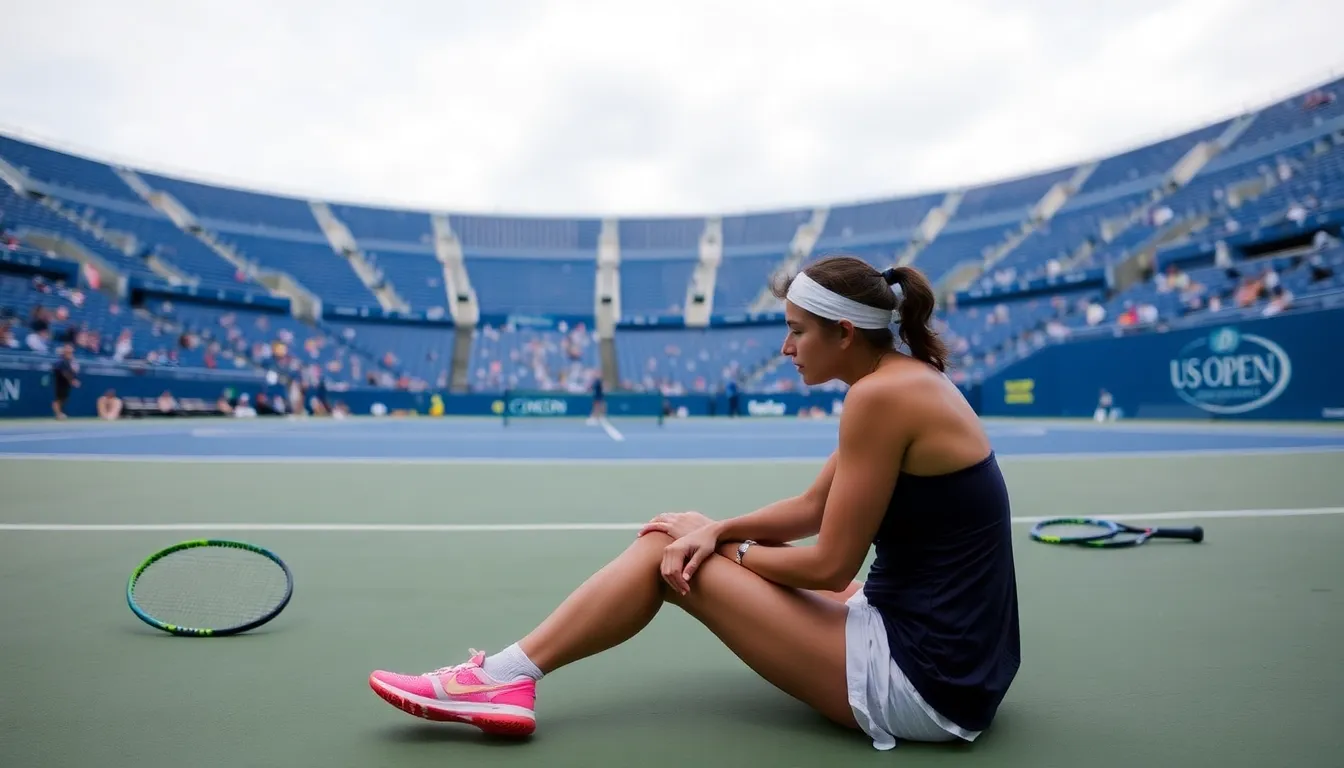
Mid-term impacts could include shifts in investment within the tennis industry. If Raducanu does not regain her form, sponsors may redirect their funds toward other athletes who are performing better. This could lead to a more competitive market for endorsements, as brands seek to align with winners. Additionally, her performance may deter young athletes from pursuing tennis as a viable career, affecting the sport’s growth in grassroots programs.
- Fans: Emotional investment may wane, impacting attendance and engagement.
- Sponsors: Potential reassessment of marketing strategies and endorsements.
- Tennis community: Possible decline in interest among young athletes.
However, there are also opportunities that may arise from this situation. Raducanu has a chance to regroup and refocus, which could lead to a remarkable comeback. A strong return could not only revitalize her career but also reignite interest among fans and sponsors alike. Furthermore, her journey through adversity may resonate with many, potentially inspiring a new narrative that could attract attention to the sport.
A: Raducanu struggled with consistency and faced difficulties in maintaining her focus throughout the match, leading to unforced errors and missed opportunities. A: Following her disappointing performance, Raducanu’s ranking may take a hit, which could impact her seedings in future tournaments. A: Fans and analysts expect Raducanu to regroup and work on her mental and physical game to improve her performance in upcoming tournaments. A: Yes, Raducanu has experienced ups and downs in her career, but this recent performance has been particularly noted as one of her most challenging. A: Raducanu has a team of coaches and sports psychologists who can provide support and guidance to help her navigate these challenges.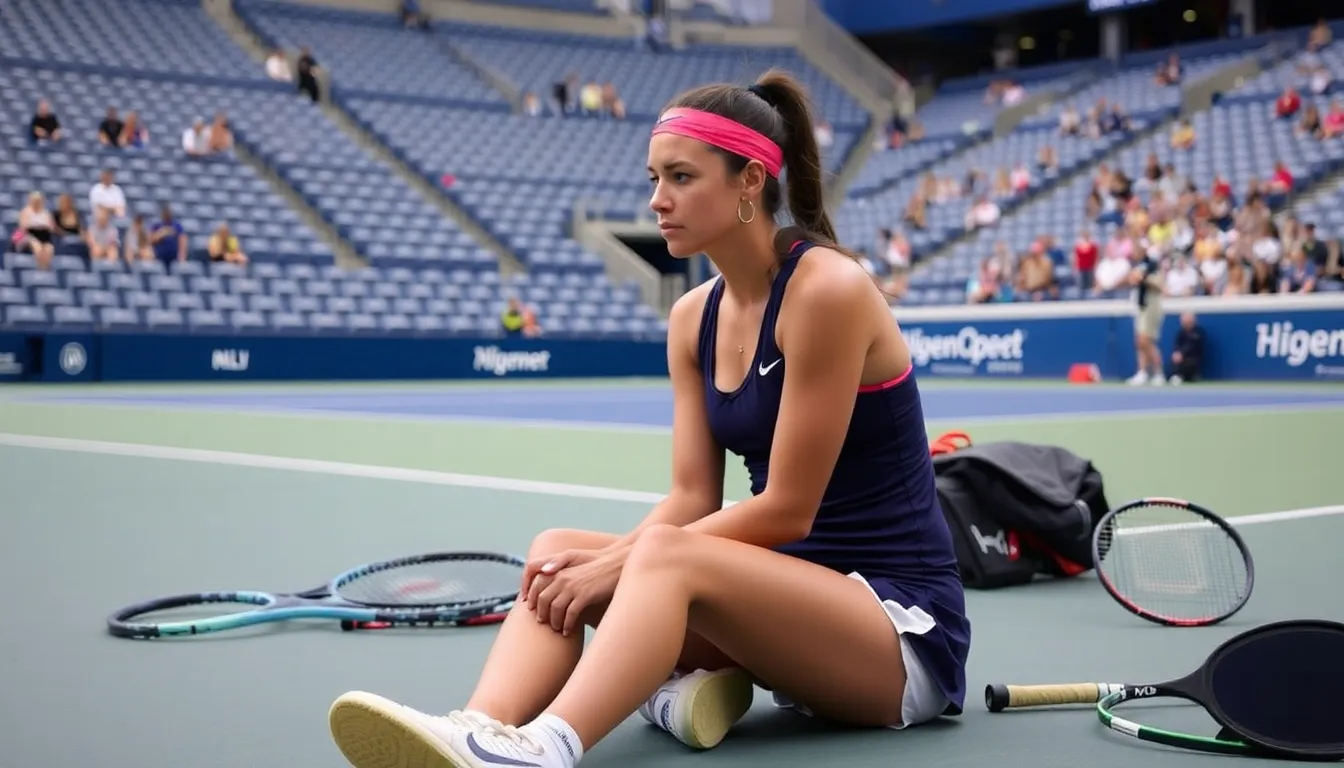
Frequently asked questions about Raducanu’s performance
Key takeaways and future outlook for Raducanu
Emma Raducanu’s recent performance at the Grand Slam has raised significant questions about her current form and mental resilience on the court. Despite her previous successes, this latest display has highlighted areas for improvement, particularly in handling pressure and maintaining consistency throughout matches. As she navigates the competitive landscape of professional tennis, understanding these challenges will be crucial for her development.
Looking ahead, Raducanu’s path will likely involve a focus on mental fortitude and strategic gameplay. Observers should watch for her adjustments in training and match preparation, as well as how she responds to setbacks. Her ability to learn from this experience will be pivotal in shaping her future performances.
- Mental resilience: Developing strategies to cope with high-pressure situations will be vital for Raducanu’s success.
- Consistency in performance: Focusing on maintaining a steady level of play throughout matches can help mitigate fluctuations in form.
- Coaching adjustments: Potential changes in her coaching team or training regimen may influence her approach to upcoming tournaments.
- Support system: Strengthening her support network off the court could provide the emotional stability needed during challenging times.
- Long-term development: Emphasizing gradual improvement rather than immediate results may lead to sustained success in her career.