


Born in Kingston, Jamaica, Dunbar began his musical journey in the 1960s and quickly rose to prominence as part of the duo Sly and Robbie. Together, they created a distinctive sound that blended traditional reggae with elements of rock, funk, and dancehall, significantly influencing artists across various genres. Their work with iconic artists such as Bob Marley, Peter Tosh, and Grace Jones cemented their legacy in music history.
The news of Dunbar’s passing has prompted tributes from fans and fellow musicians alike, highlighting his influence on both reggae and popular music as a whole. Many have taken to social media to express their condolences and share stories of how his music impacted their lives. This outpouring of grief underscores the profound effect Dunbar had on generations of artists and listeners.
As the reggae community mourns the loss of one of its legends, discussions about preserving his legacy and the future of reggae music are becoming increasingly relevant. Dunbar’s contributions to the genre will continue to resonate, reminding us of the rich cultural heritage that reggae represents. His passing serves as a stark reminder of the fragility of life and the importance of celebrating the artists who shape our musical landscape.
Understanding the influence of Sly Dunbar in reggae history
Sly Dunbar, born in 1951 in Kingston, Jamaica, was a key figure in the development of reggae music, particularly known for his innovative drumming style and production techniques. Alongside his musical partner Robbie Shakespeare, the duo formed the legendary rhythm section known as Sly and Robbie. Their collaboration not only shaped the sound of reggae but also helped to popularize it globally during the late 20th century.
The roots of reggae can be traced back to the late 1960s, a period marked by social and political upheaval in Jamaica. The genre emerged as a voice for the marginalized, reflecting the struggles and aspirations of the Jamaican people. As reggae evolved, artists began to explore themes of resistance, love, and spirituality, with Sly Dunbar playing a pivotal role in this transformation through his dynamic rhythms and creative arrangements.
Milestones in Sly Dunbar’s Career
Throughout his career, Sly Dunbar contributed to numerous iconic albums and singles, working with a diverse array of artists, including Peter Tosh, Bob Marley, and Grace Jones. One of the significant milestones was the release of the album “Taxi” in the late 1970s, which showcased the unique sound of Sly and Robbie and solidified their status in the reggae scene. Their innovative approach to music production also led to the emergence of dancehall in the 1980s, further expanding the genre’s reach.
In addition to his musical achievements, Sly Dunbar was influential in the economic landscape of Jamaica’s music industry. His success helped to pave the way for future generations of musicians and producers, demonstrating that reggae could not only be a cultural export but also a viable business. This shift contributed to the global recognition of reggae as a significant musical genre, influencing artists across various genres worldwide.
As the reggae community mourns the loss of Sly Dunbar, it is essential to reflect on his immense contributions to the genre and the broader cultural landscape. His legacy will continue to inspire musicians and fans alike, ensuring that the rhythms of reggae resonate for generations to come.
Examining the contributions and collaborations of Sly Dunbar
Sly Dunbar, a legendary figure in the reggae music scene, passed away at the age of 73, leaving behind a profound legacy that has influenced countless artists and genres. His contributions as a drummer and producer have shaped the sound of reggae, making him a pivotal player in the genre’s evolution. As fans and fellow musicians mourn his loss, various stakeholders in the music industry reflect on their relationships with Dunbar and the impact of his work, especially as key stakeholders.
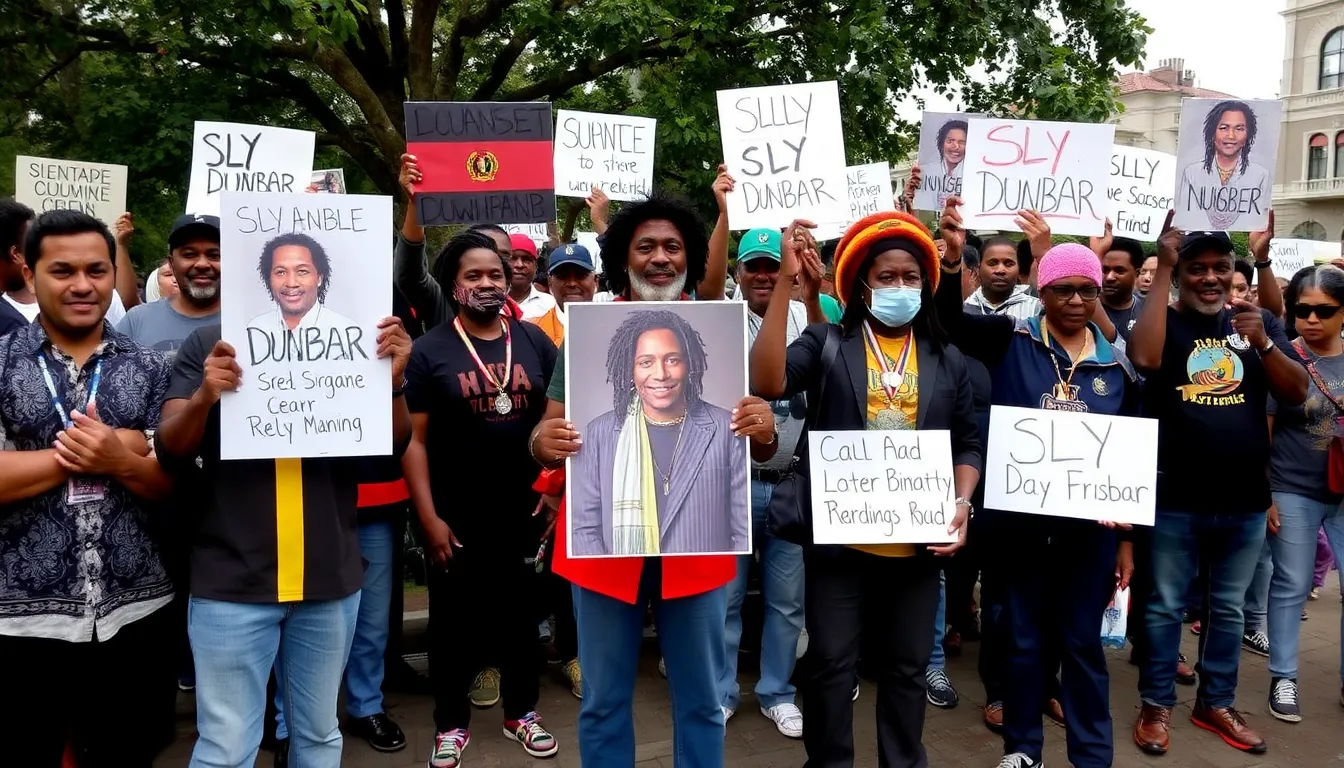
Key stakeholders include music artists, record labels, and cultural organizations that promote reggae music. Artists who collaborated with Dunbar often express gratitude for his innovative approach, which helped them achieve greater recognition. Record labels that have worked with him may now face challenges in maintaining the momentum of the projects he was involved in, potentially affecting their financial interests and market presence.
- Artists: Many musicians, both established and emerging, relied on Dunbar’s expertise to enhance their sound, creating a network of influence that extends beyond reggae.
- Record Labels: The loss of Dunbar may lead to a reevaluation of ongoing projects and future collaborations, as his unique style was integral to many recordings.
- Cultural Organizations: Groups dedicated to preserving and promoting reggae music may face challenges in honoring Dunbar’s legacy while continuing to support the genre’s growth.
Conflicts may arise as stakeholders navigate the balance between honoring Dunbar’s memory and adapting to the changing landscape of the music industry. For instance, the commercialization of reggae could clash with the genre’s roots and cultural significance, prompting discussions on how to best honor Dunbar’s contributions while staying true to the music’s origins.
Additionally, legal issues regarding intellectual property and royalties may surface, particularly for the artists and labels involved in projects with Dunbar. Ensuring that his contributions are recognized and compensated fairly will be crucial in maintaining the integrity of his legacy, as well as supporting the artists who collaborated with him.
The impact of Sly Dunbar’s passing on fans and the music industry
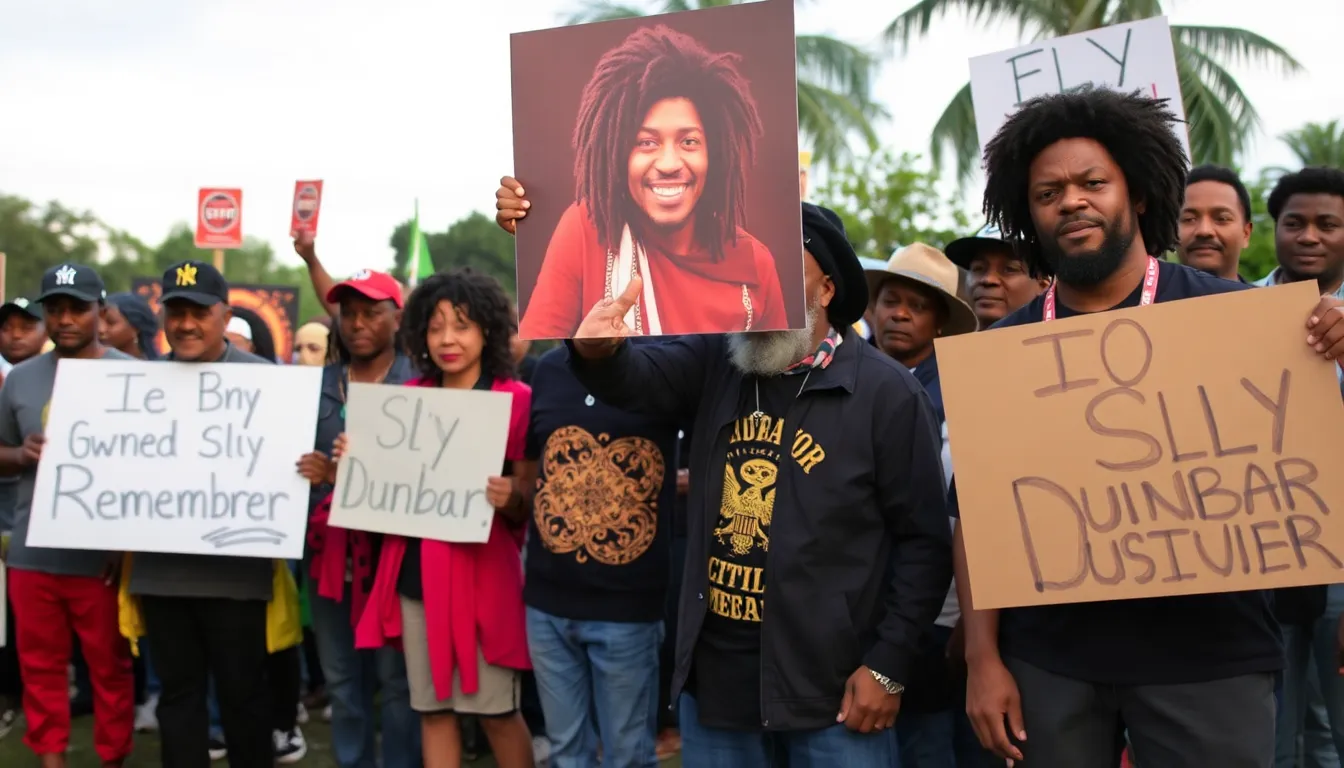
The death of Sly Dunbar, a legendary figure in reggae music, reverberates through various groups and industries, particularly the music community and his devoted fan base. His influence as a drummer and producer has left an indelible mark on reggae and beyond, impacting artists, fans, and music producers worldwide.
In the short term, fans and fellow musicians are likely to experience a wave of grief and reflection. Concerts, tributes, and memorials are expected to emerge as communities come together to celebrate his life and contributions. This could lead to increased interest in reggae music, prompting a resurgence of classic tracks and albums featuring Dunbar’s work.
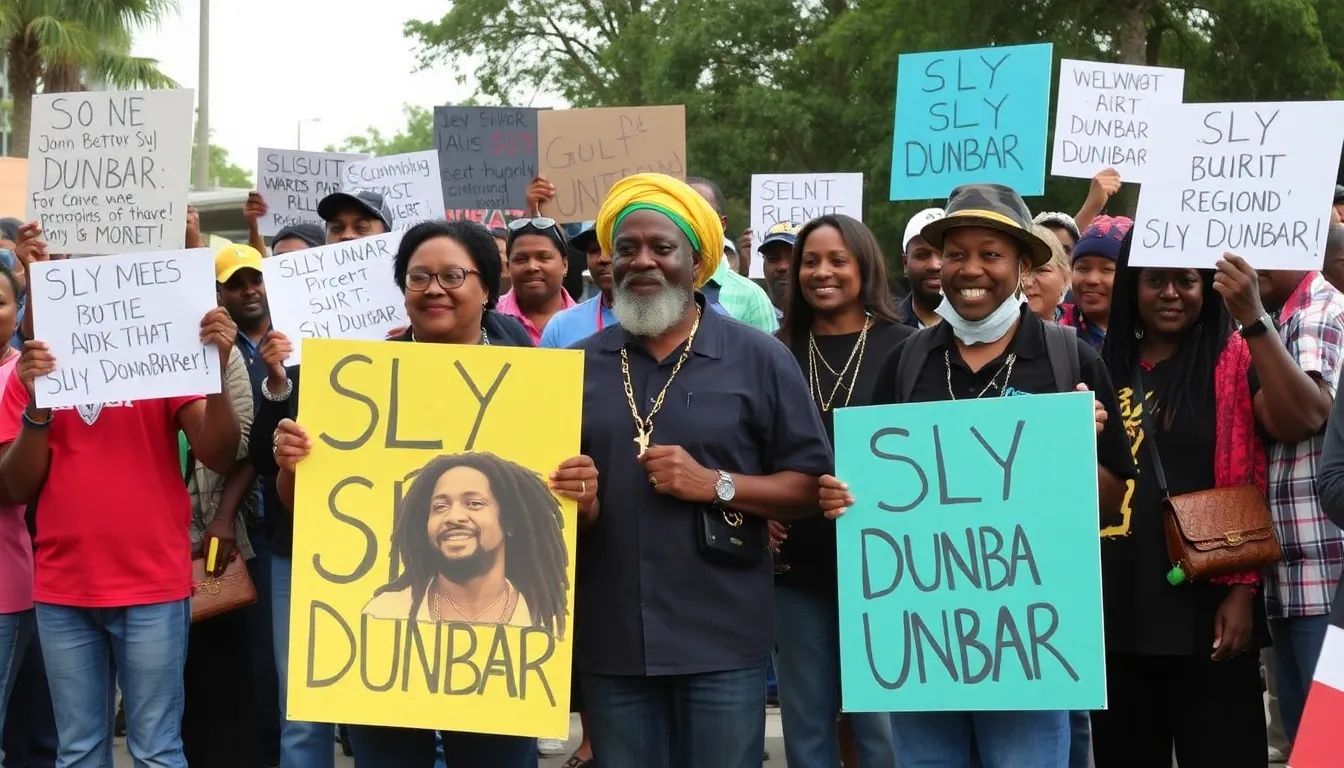
From a business perspective, the music industry may see fluctuations in sales of reggae music and merchandise. Record labels and streaming platforms might capitalize on this moment by promoting compilations and remastered versions of Dunbar’s iconic tracks, creating potential revenue opportunities. Additionally, tribute concerts could provide financial boosts to local venues and artists.
- Short-term risks: Potential decline in morale within the reggae community and reduced attendance at events.
- Mid-term opportunities: Increased engagement in reggae music, leading to new collaborations and projects inspired by Dunbar’s legacy.
- Policy impacts: Potential for renewed focus on music education and support for local artists in Jamaica and globally.
Regions with a strong reggae culture, particularly Jamaica, will feel the loss acutely. However, this could also serve as a catalyst for revitalizing interest in reggae music, attracting new listeners and fostering cultural exchange. As the industry mourns, it may also find ways to innovate and honor Dunbar’s contributions, ensuring that his legacy continues to inspire future generations.
A: Sly Dunbar was a renowned Jamaican drummer and producer, known for his pivotal role in the development of reggae music. He was part of the famous duo Sly and Robbie, which revolutionized the genre. A: Sly Dunbar collaborated with numerous artists, producing iconic tracks for legends like Bob Marley, Peter Tosh, and Grace Jones. His work has left an indelible mark on reggae and pop music. A: Sly Dunbar’s innovative drumming style and production techniques have influenced various genres, including hip-hop and dancehall, making him a key figure in contemporary music. A: Sly Dunbar’s legacy is characterized by his contributions to reggae music and his ability to blend traditional sounds with modern influences. He is remembered as a pioneer who shaped the future of the genre.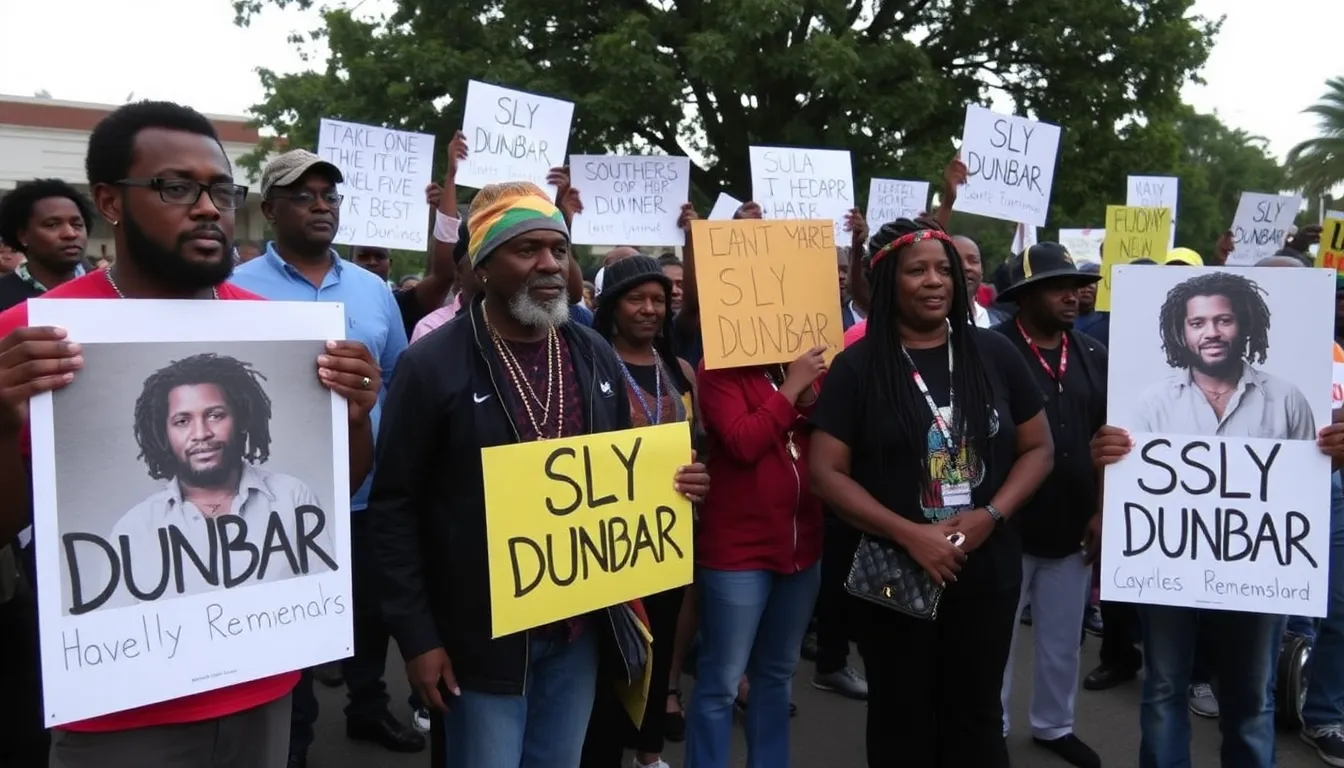
Frequently asked questions about Sly Dunbar
Reflecting on Sly Dunbar’s legacy and future of reggae
Sly Dunbar’s passing marks a significant moment in the history of reggae music, as he was not only a prolific drummer but also a key figure in shaping the genre’s sound. His collaborations with numerous artists and his innovative approach have left an indelible mark on reggae, influencing generations of musicians. As the music community mourns his loss, it also faces the challenge of continuing his legacy and nurturing the next wave of talent in the reggae scene.
The future of reggae may see a resurgence of interest in its roots, as artists and fans alike reflect on the contributions of legends like Dunbar. This moment serves as a reminder of the importance of preserving musical heritage while also embracing new influences and sounds that can propel the genre forward.
- The reggae community may rally to honor Dunbar’s contributions through tribute concerts and collaborations that highlight his influence.
- Emerging artists could draw inspiration from Dunbar’s innovative techniques, potentially leading to a new wave of creativity within the genre.
- Record labels and producers may seek to revive classic reggae sounds, blending them with contemporary styles to attract a broader audience.
- Educational initiatives could emerge, focusing on the history and techniques of reggae drumming, ensuring that Dunbar’s legacy is passed on to future generations.