


Significant developments include the establishment of the U.S. Cyber Command in 2010, which has since been tasked with defending military networks and conducting offensive cyber operations. In 2021, the Biden administration emphasized the importance of cybersecurity, particularly following high-profile attacks such as the Colonial Pipeline ransomware incident, which underscored vulnerabilities in critical infrastructure. For further insights on government actions, check out the article on Taliban releasing a female athlete.
The Pentagon’s focus on computer warfare is not limited to defensive measures; it also encompasses offensive operations aimed at disrupting adversaries’ capabilities. For instance, in 2022, the U.S. conducted cyber operations against Russian entities in response to the invasion of Ukraine, showcasing the growing reliance on digital tactics to achieve strategic objectives without conventional military engagement.
This evolving landscape raises questions about the implications of cyber warfare on international relations and military ethics. As nations ramp up their cyber capabilities, the potential for escalation and unintended consequences increases, making it essential for policymakers to navigate this complex terrain carefully.
Understanding the Evolution of Cyber Warfare
The concept of cyber warfare has evolved significantly since the dawn of the digital age. Initially, the internet was seen as a tool for communication and information sharing, but as its use expanded, so did the potential for malicious activities. The early 2000s marked a pivotal moment when attacks such as the infamous “Mafiaboy” incident demonstrated the vulnerabilities of major websites, leading to a growing recognition of cyber threats.
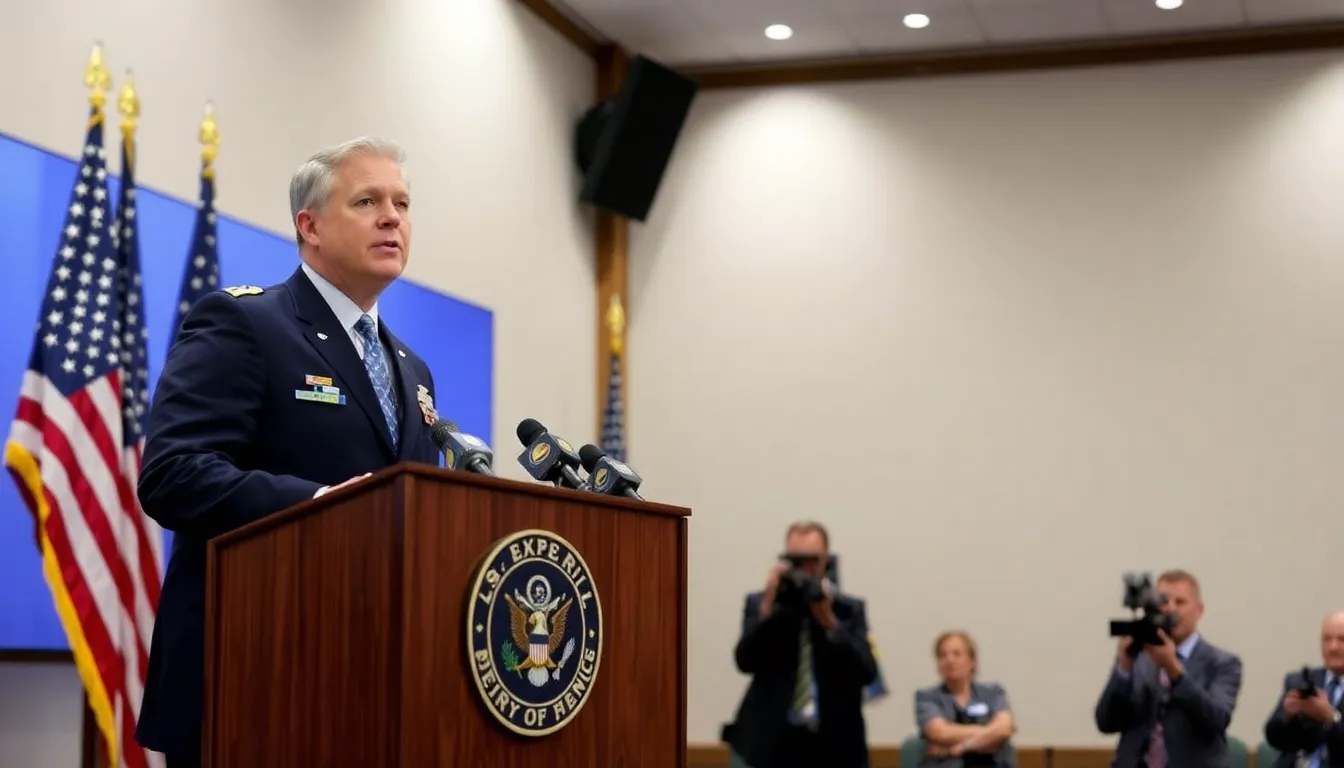
In the geopolitical arena, the rise of state-sponsored cyber operations has transformed the landscape of international relations. Notable events such as the 2007 cyberattacks on Estonia and the 2016 interference in the U.S. presidential election highlighted how nations could leverage cyber capabilities to achieve strategic objectives without traditional military engagement. These incidents underscored the need for robust cybersecurity measures and the integration of cyber capabilities into national defense strategies.
The Pentagon’s Cyber Strategy
In response to these evolving threats, the Pentagon has made significant strides in developing its cyber warfare capabilities. The establishment of the United States Cyber Command (USCYBERCOM) in 2010 marked a formal acknowledgment of cyber warfare as a critical component of national security. This command focuses on defending military networks and conducting offensive operations against adversaries, reflecting a shift towards proactive cyber strategies. More about evolving technologies can be found in our piece on the Minecraft and Hytale crossplay mod.
The economic implications of cyber warfare are also noteworthy. As nations invest heavily in cyber capabilities, the defense industry has adapted, leading to increased funding for cybersecurity firms and technology development. This shift not only affects military budgets but also has broader implications for international trade and economic stability, as cyber vulnerabilities can disrupt critical infrastructure and economic systems.
Overall, the integration of cyber warfare into the Pentagon’s arsenal represents a significant evolution in military strategy, driven by technological advancements and the changing nature of global conflict. As nations continue to navigate this complex landscape, the importance of cyber capabilities in national defense will only grow. For more on complex issues, consider reading about Timothy Busfield’s legal troubles.
Key Stakeholders and Their Interests in Cyber Operations
As the Pentagon increasingly incorporates computer warfare into its military strategy, several key stakeholders emerge, each with distinct interests and concerns. These stakeholders include government entities, private tech companies, military personnel, and international actors, all of whom play a role in shaping the landscape of cyber operations.

The U.S. Department of Defense (DoD) is at the forefront of this transition, seeking to enhance national security through advanced cyber capabilities. The DoD’s primary interest lies in developing offensive and defensive cyber strategies to deter adversaries and protect critical infrastructure. This goal often conflicts with the need for transparency and accountability in military operations, raising questions about the ethical implications of cyber warfare.
Private technology firms are also significant stakeholders, as they provide the tools and expertise necessary for cyber operations. These companies are driven by profit motives and the desire to innovate, but they also face the challenge of navigating government contracts and the potential for liability in the event of cyber incidents. The relationship between the military and the tech sector is complex, characterized by both collaboration and competition.
Internationally, other nations are closely monitoring the U.S. approach to cyber warfare. Countries such as China, Russia, and North Korea have developed their own cyber capabilities and may view the Pentagon’s advancements as a threat. This dynamic creates a landscape of tension where nations may engage in cyber espionage or retaliatory attacks, complicating diplomatic relations and global security.
- Ethical Concerns: The implications of using cyber warfare raise ethical questions about civilian harm and the rules of engagement.
- Legal Framework: Existing international laws may not adequately address the complexities of cyber operations, leading to potential legal ambiguities.
- Economic Interests: The involvement of private companies in military contracts can lead to conflicts of interest and concerns over profit-driven motivations.
- Geopolitical Tensions: The escalation of cyber capabilities can heighten tensions between nations, potentially leading to an arms race in cyberspace.
- Public Perception: How the public perceives cyber warfare can influence policy decisions and the level of support for military operations.
The Effects of Cyber Warfare on Global Security
As the Pentagon increasingly incorporates computer warfare into its arsenal, various groups, industries, and regions are poised to experience significant impacts. Governments, private sector companies, and citizens alike will find themselves navigating a new landscape shaped by the realities of cyber conflict. The implications of this shift extend beyond military applications, affecting daily life and business operations across the globe.
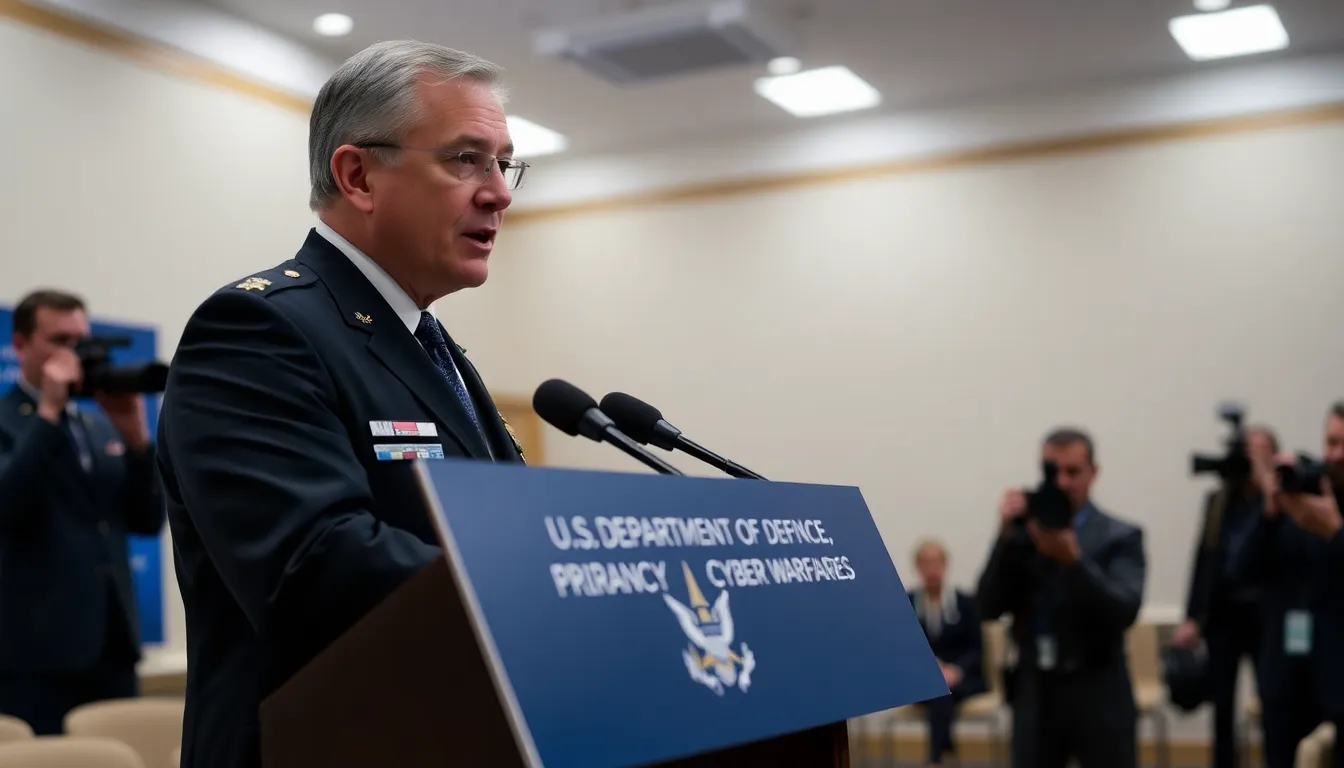
In the short term, individuals and businesses may face heightened risks of cyberattacks, leading to potential disruptions in services and operations. Critical infrastructure, including power grids and communication networks, could become prime targets for adversaries, resulting in widespread outages and chaos. The financial sector, too, is vulnerable, as cyber intrusions could compromise sensitive data and lead to substantial economic losses.
Mid-term impacts may include a shift in policy as governments implement stricter regulations and security measures to protect against cyber threats. This could lead to increased investment in cybersecurity technologies and practices, creating opportunities for tech companies specializing in defense solutions. Moreover, as nations bolster their cyber capabilities, there may be a ripple effect on international relations, with countries reassessing alliances and strategies in response to emerging threats.
- Increased cybersecurity spending across industries
- Potential for new job creation in tech and defense sectors
- Heightened public awareness and education on cyber safety
- Risk of escalation in cyber conflicts between nations
While the risks associated with cyber warfare are significant, there are also opportunities for innovation and collaboration. Businesses that adapt to the evolving threat landscape can leverage new technologies to enhance their security posture, while governments can foster partnerships with the private sector to develop robust defense strategies. Ultimately, the integration of computer warfare into military strategy will reshape not only the battlefield but also the everyday experiences of people around the world.
A: Computer warfare refers to the use of digital attacks to disrupt, damage, or destroy information systems and networks. It encompasses a range of activities from espionage to sabotage. A: The Pentagon is integrating computer warfare into its military strategies by developing offensive and defensive cyber capabilities. This includes protecting critical infrastructure and conducting cyber operations against adversaries. A: Risks include potential escalation of conflicts, unintended consequences affecting civilian infrastructure, and the challenge of attribution in cyber attacks. These factors complicate international relations. A: Computer warfare enhances national security by providing new tools for defense and deterrence. However, it also poses threats from state and non-state actors who can exploit vulnerabilities. A: Ethical considerations include the potential for collateral damage, the legality of cyber operations under international law, and the moral implications of targeting civilian infrastructure.
Frequently Asked Questions About Computer Warfare
Future Directions and Key Takeaways on Cyber Warfare
The integration of cyber warfare into the Pentagon’s strategic framework marks a significant evolution in military operations. As nations increasingly rely on digital infrastructure, the potential for cyber attacks to disrupt critical systems has become a pressing concern. This shift not only alters the landscape of traditional warfare but also necessitates a reevaluation of defense strategies to encompass a broader range of threats.
Looking ahead, the importance of developing robust cyber capabilities cannot be overstated. With adversaries continually adapting their tactics, the U.S. must prioritize innovation and resilience in its cyber defense mechanisms. This evolving battlefield underscores the need for collaboration between government, private sector, and international allies to effectively counter cyber threats.
- Investment in Cybersecurity: Continued funding and resources should be allocated to enhance cybersecurity measures across all military branches.
- Training and Expertise: Developing specialized training programs for personnel to ensure they are equipped with the latest skills in cyber operations.
- Public-Private Partnerships: Strengthening collaborations with tech companies to leverage their expertise and technology in defense strategies.
- International Cooperation: Fostering alliances with other nations to share intelligence and best practices in combating cyber threats.