


The team is preparing for crucial fixtures in the Six Nations Championship, and the absence of these athletes raises questions about their ability to compete at the highest level.
In recent weeks, injuries have been reported for players such as Tadhg Furlong and Robbie Henshaw, both of whom are vital to Ireland’s defensive and offensive plays. With the next match scheduled for March 11, 2023, against England, the coaching staff is under pressure to adapt their tactics and find suitable replacements.
The impact of these injuries extends beyond the current season, as the team must also consider the long-term effects on player fitness and team dynamics. As they navigate this challenging period, Ireland’s management is focused on recovery protocols and potential call-ups from the wider squad to mitigate the risks associated with a depleted roster.
Understanding the background of Ireland’s injury situation
Historically, injuries in sports can stem from a variety of factors, including the intensity of training, the physical demands of the game, and even the psychological pressures athletes face; in Ireland, rugby is not just a sport.
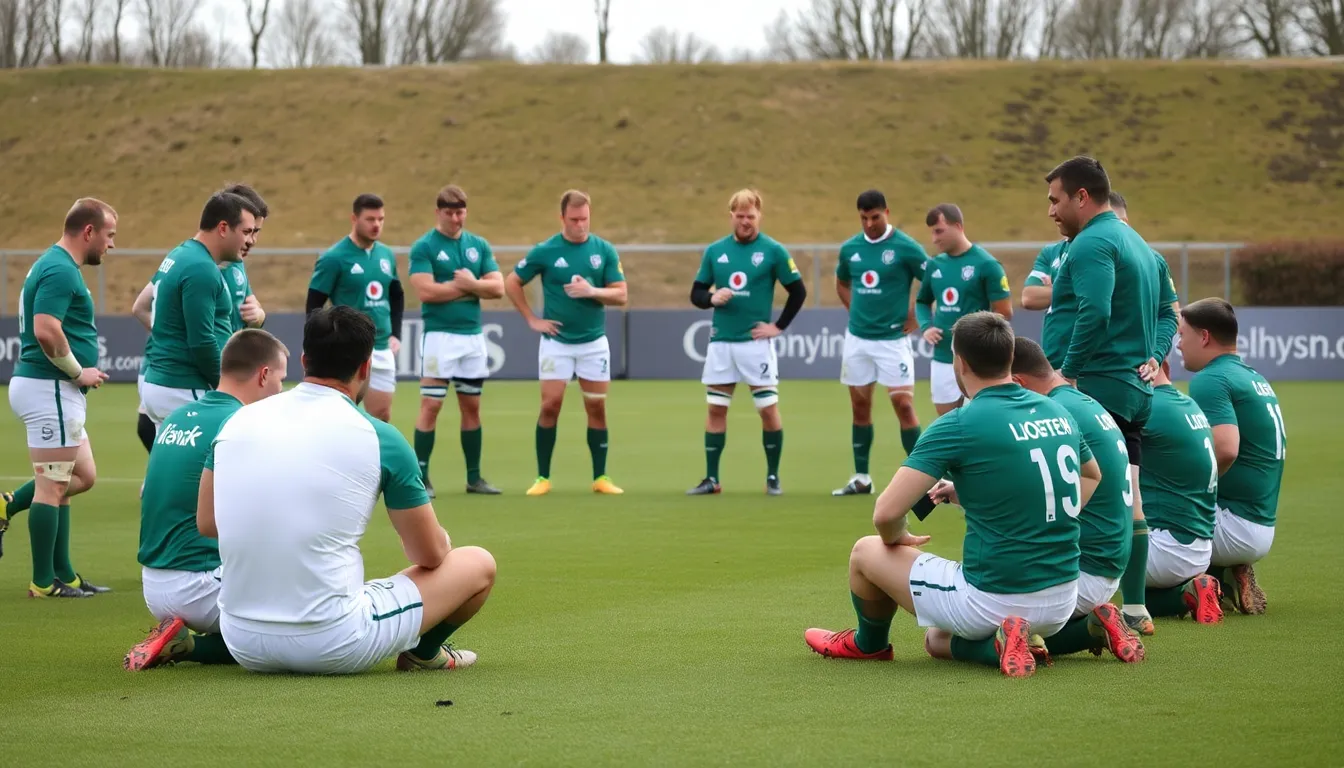
In the past few years, the Irish rugby team has enjoyed a period of unprecedented success, culminating in their performance in the Six Nations and other international competitions. However, with this success comes an increased physical toll on players, leading to a higher incidence of injuries. The rigorous training regimes and the competitive nature of international matches can exacerbate this situation, as players push their limits in pursuit of victory.
The impact of player welfare
Player welfare has become a focal point in discussions surrounding sports injuries. In recent years, governing bodies have begun to implement stricter protocols regarding player health and recovery times. The focus on player longevity and safety is a response to the growing awareness of the long-term effects of injuries, particularly concussions. As a result, teams like Ireland are compelled to navigate the delicate balance between fielding their best players and ensuring their well-being.
An extensive injury list can lead to decreased performance on the field, which in turn affects ticket sales, sponsorships, and overall revenue; thus, the current injury situation not only impacts the team’s immediate prospects but also has broader economic ramifications for the sport in Ireland.
As the Irish team prepares for upcoming matches, the historical context of injuries in rugby, coupled with the evolving landscape of player welfare and economic pressures, shapes the narrative surrounding their current challenges. Understanding these factors is crucial for fans and stakeholders as they navigate the complexities of the sport and its athletes.
Analyzing the implications of the injury list on team dynamics
The recent announcement by Ireland’s head coach, Andy Farrell, regarding an injury list that is “larger than normal” has raised significant concerns among fans, players, and management alike. This situation not only affects team performance but also highlights the broader implications for various stakeholders involved in Irish rugby.
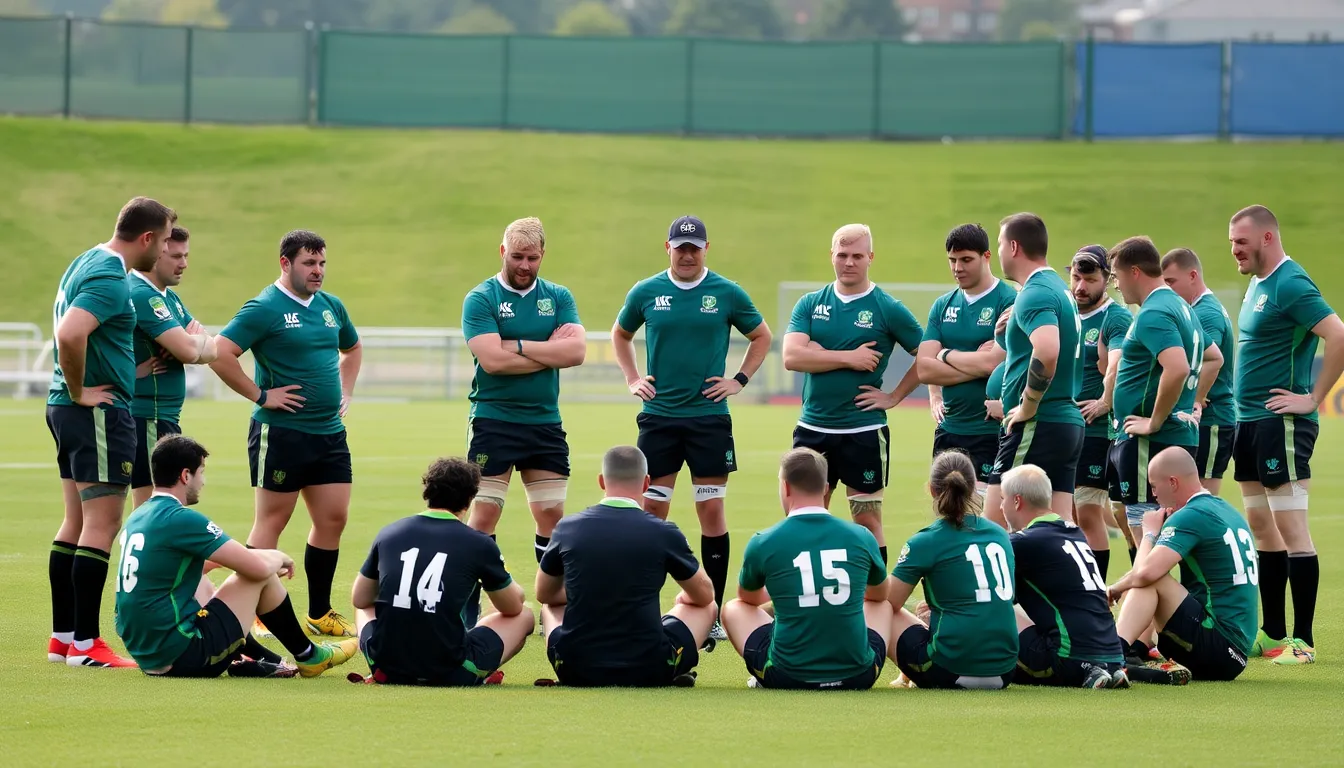
Key stakeholders in this context include the Irish Rugby Football Union (IRFU), the coaching staff, the players, and the fans. Each group has distinct interests that may conflict or align depending on the circumstances surrounding the injury list. For instance, the IRFU is focused on maintaining the national team’s competitive edge, while players are concerned about their health and career longevity.
- IRFU’s Interests: Ensuring the team’s success in international competitions while managing player welfare and financial implications.
- Coaching Staff’s Concerns: Developing effective game strategies that accommodate the available player roster.
- Players’ Perspectives: Balancing the desire to compete with the need for recovery and injury prevention.
- Fans’ Expectations: Supporting the team while seeking transparency and accountability from the management.
Trade-offs are inevitable in this scenario. For example, the coaching staff may need to prioritize certain players for upcoming matches, potentially sidelining others who are less fit but still capable. This decision could lead to internal conflicts among players and impact team morale. Additionally, the IRFU may face economic pressures if the team underperforms due to these injuries, which could affect sponsorship deals and ticket sales.
Moreover, the legal ramifications of player injuries cannot be overlooked. The IRFU has a duty of care towards its players, and any negligence in managing player health could lead to legal challenges. The economic implications also extend to the insurance costs associated with injuries, which can significantly impact the organization’s budget. As the situation develops, it will be crucial for all stakeholders to navigate these complexities in a manner that supports both the team’s immediate needs and long-term goals.
How the injuries affect players and team performance
The recent announcement by head coach Andy Farrell regarding an injury list that is ‘larger than normal’ has raised concerns across various sectors. The immediate impact is felt most acutely by the players, who face increased pressure to recover quickly or risk missing out on crucial matches. This situation not only affects the individual athletes but also the overall team dynamics and performance on the field.
Fans and local communities are also affected, as injuries can lead to disappointing game outcomes and diminished morale. The local economy, particularly in regions with a strong rugby culture, may experience short-term downturns as ticket sales and merchandise purchases decline due to uncertainty around player availability. Businesses that rely on match-day revenue, such as pubs and restaurants, could see a drop in patronage.
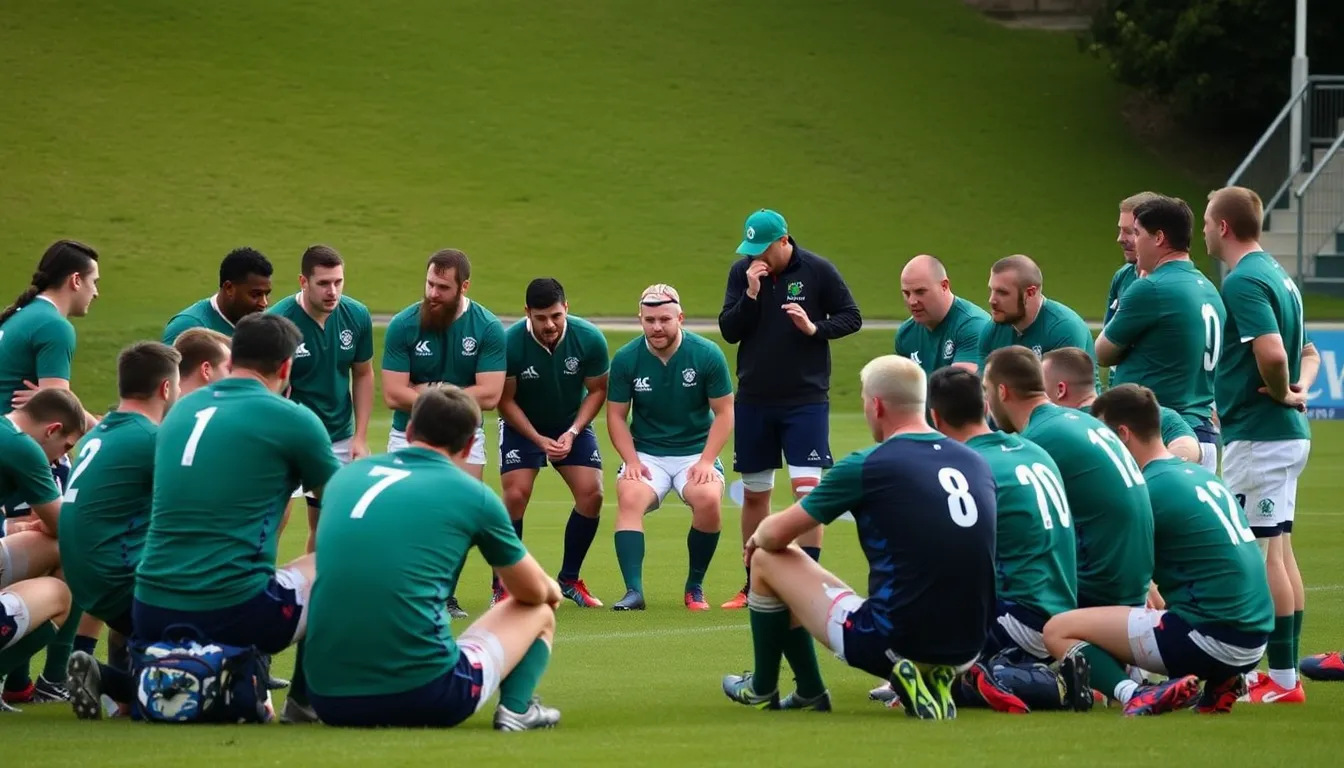
In the mid-term, the Irish Rugby Football Union (IRFU) may need to reassess its player management and injury prevention strategies. This could lead to changes in training protocols and a greater emphasis on player health, which may benefit the sport in the long run. However, there are risks associated with this, including the potential for overhauls that might disrupt established routines and team chemistry.
- Short-term impacts: Decreased team performance, reduced fan engagement, and lower local business revenue.
- Mid-term impacts: Potential policy changes in player management and training protocols.
- Opportunities: Innovations in injury prevention and rehabilitation could arise, benefiting the sport as a whole.
Overall, while the current situation presents challenges, it also opens the door for potential advancements in player care and team strategy, which could strengthen the sport in the future.
A: Ireland’s injury list is larger than usual, with several key players sidelined. This situation has raised concerns about the team’s competitiveness in upcoming matches. A: Key players including some starters are currently dealing with injuries, which could significantly impact the team’s overall performance. A: Coach Farrell is actively working on strategies to adapt the team lineup and ensure that they remain competitive despite the injuries. A: Injuries can affect team morale negatively, but the coaching staff aims to maintain a positive environment and motivate the remaining players. A: While some players are expected to return soon, others may be out for an extended period, and updates will depend on their recovery progress.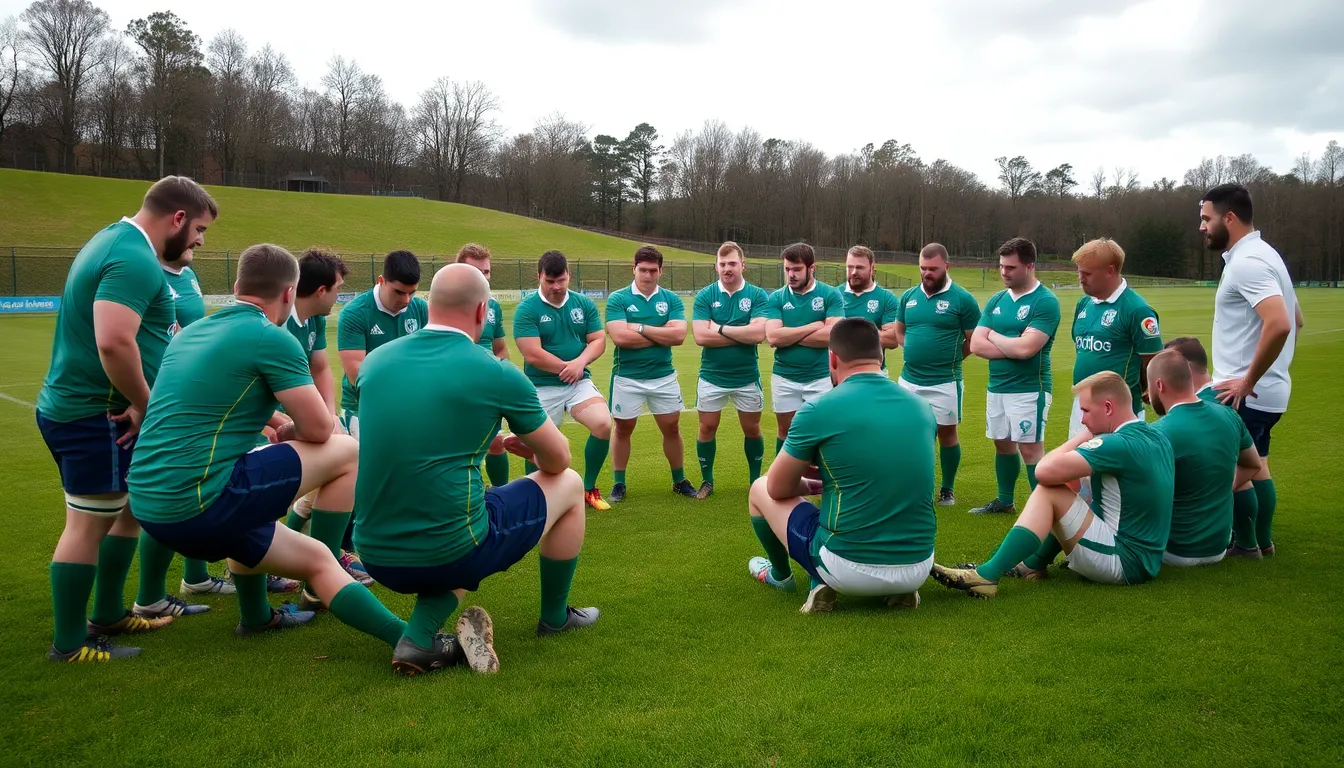
Frequently asked questions about Ireland’s injury list
Key takeaways and future outlook for Ireland’s team
The recent announcement regarding Ireland’s injury list, described as ‘larger than normal’ by coach Andy Farrell, raises significant concerns for the team as they approach critical fixtures. With key players sidelined, the depth and resilience of the squad will be tested. This situation not only impacts the immediate performance but also shapes the team’s strategy moving forward.
As Ireland navigates this challenging period, the focus will shift to how effectively they can adapt their game plan and leverage their remaining talent. The upcoming matches will serve as a crucial litmus test for the team’s ability to cope under pressure and maintain their competitive edge.
- Monitor the recovery timelines of injured players, as their return could significantly influence team dynamics.
- Watch for potential shifts in player positions or strategies that Farrell may implement to compensate for absences.
- Assess the performance of emerging players stepping into key roles, which could impact future selections.
- Consider the psychological effects on the team, as managing morale will be as important as physical readiness.
- Evaluate the implications for Ireland’s long-term goals, especially in light of upcoming tournaments and the need for squad depth.