


The U.S. Agency for International Development (USAID) has stated that future funding will be contingent upon African governments making specific financial commitments towards their own healthcare systems, which reflects a broader trend in foreign policy that emphasizes accountability. This shift in policy aims to encourage self-sufficiency among these countries but has led to apprehension about the potential negative impact on health outcomes for millions of vulnerable individuals.
Critics argue that linking aid to funding pledges could disproportionately affect low-income countries that are already struggling to meet their healthcare needs. Many of these nations rely heavily on U.S. support to fund essential health services, and the cuts could exacerbate existing challenges, including inadequate medical infrastructure and limited access to life-saving treatments.
The implications of these changes are significant, as they could alter the landscape of international health assistance in Africa, much like the initiatives from the HIV/AIDS epidemic. As countries navigate these new requirements, health experts urge for a balanced approach that considers both the need for accountability and the immediate health crises facing many communities.
Understanding the Background of U.S. Health Aid Policies
The relationship between the United States and African nations regarding health aid has evolved significantly over the past few decades. Historically, U.S. health aid to Africa has been driven by a combination of humanitarian concerns, geopolitical interests, and the desire to combat global health crises. The HIV/AIDS epidemic in the late 1990s and early 2000s marked a pivotal moment, leading to the establishment of initiatives such as the President’s Emergency Plan for AIDS Relief (PEPFAR) in 2003, which committed billions of dollars to combat the disease across the continent.
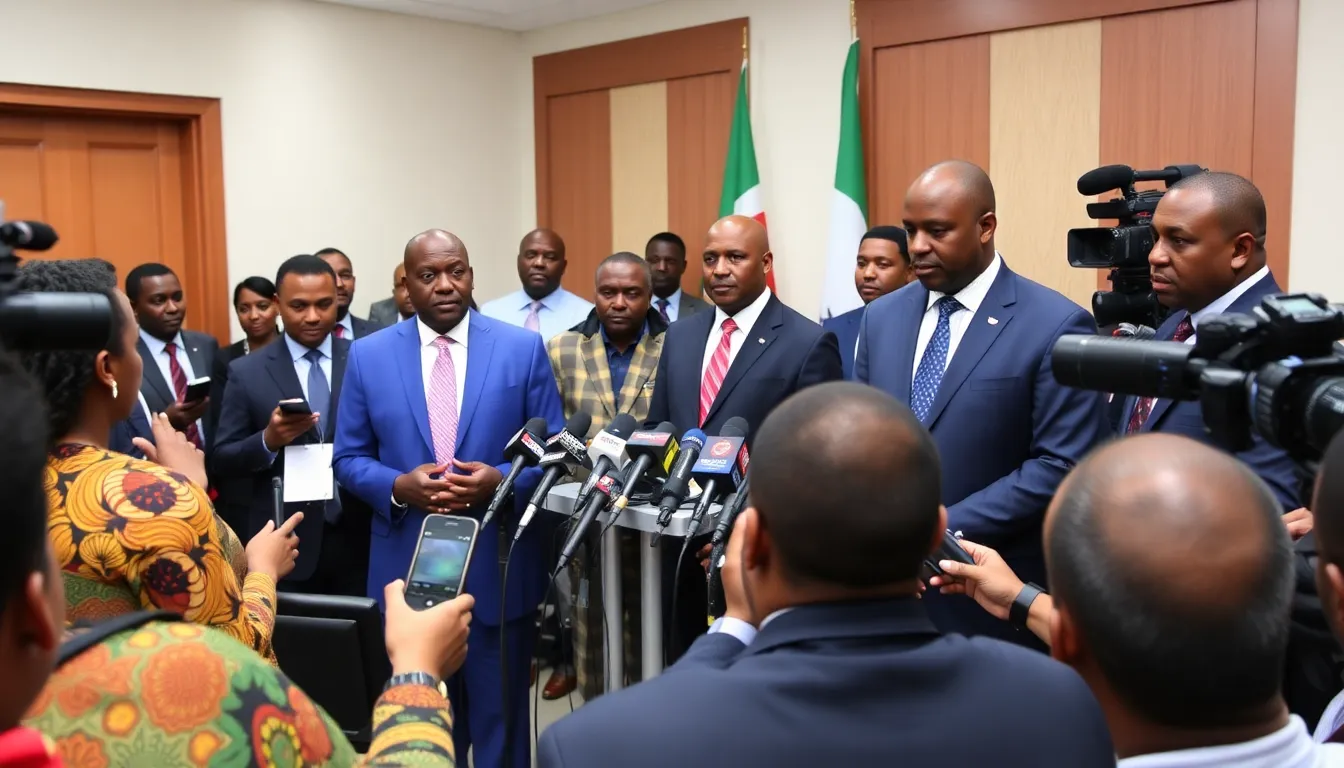
In recent years, however, U.S. health aid has increasingly been tied to the financial commitments made by African governments. This shift reflects a broader trend in U.S. foreign policy that emphasizes accountability and sustainability in aid distribution. The rationale behind this approach is that by requiring African nations to pledge funding towards their own health systems, the U.S. aims to foster greater self-reliance and reduce dependency on foreign aid. This strategy has been met with mixed reactions, as many view it as a necessary step towards sustainable development, while others see it as a conditional approach that could undermine health initiatives during critical times.
Key Milestones in U.S. Health Aid to Africa
Several key milestones have shaped the current landscape of U.S. health aid. The launch of PEPFAR was a watershed moment that set a precedent for future health programs to be more targeted and results-oriented, much like the innovative solutions seen in technology. However, the recent policy changes that link health aid to African governments’ funding commitments signal a significant shift in how these initiatives will be structured and implemented moving forward.
Moreover, the economic implications of these changes cannot be ignored. Many African nations are grappling with budget constraints and competing priorities, which raises concerns about their ability to meet the new funding requirements. As the U.S. continues to reassess its foreign aid strategy, the balance between supporting health initiatives and encouraging financial responsibility among African nations remains a contentious issue, with potential impacts on public health outcomes across the continent.
Key Stakeholders and Issues Surrounding the Aid Cuts
The recent decision by the U.S. to cut health aid to African nations while tying future funding to specific pledges has created a complex landscape of stakeholders with varying interests. The primary actors include the U.S. government, African governments, non-governmental organizations (NGOs), and the populations of the affected countries.
The U.S. government, particularly through agencies like the U.S. Agency for International Development (USAID), aims to leverage aid as a tool for promoting accountability and governance among African nations. By conditioning financial support on pledges to improve health systems, the U.S. seeks to ensure that its investments yield measurable results in public health outcomes.
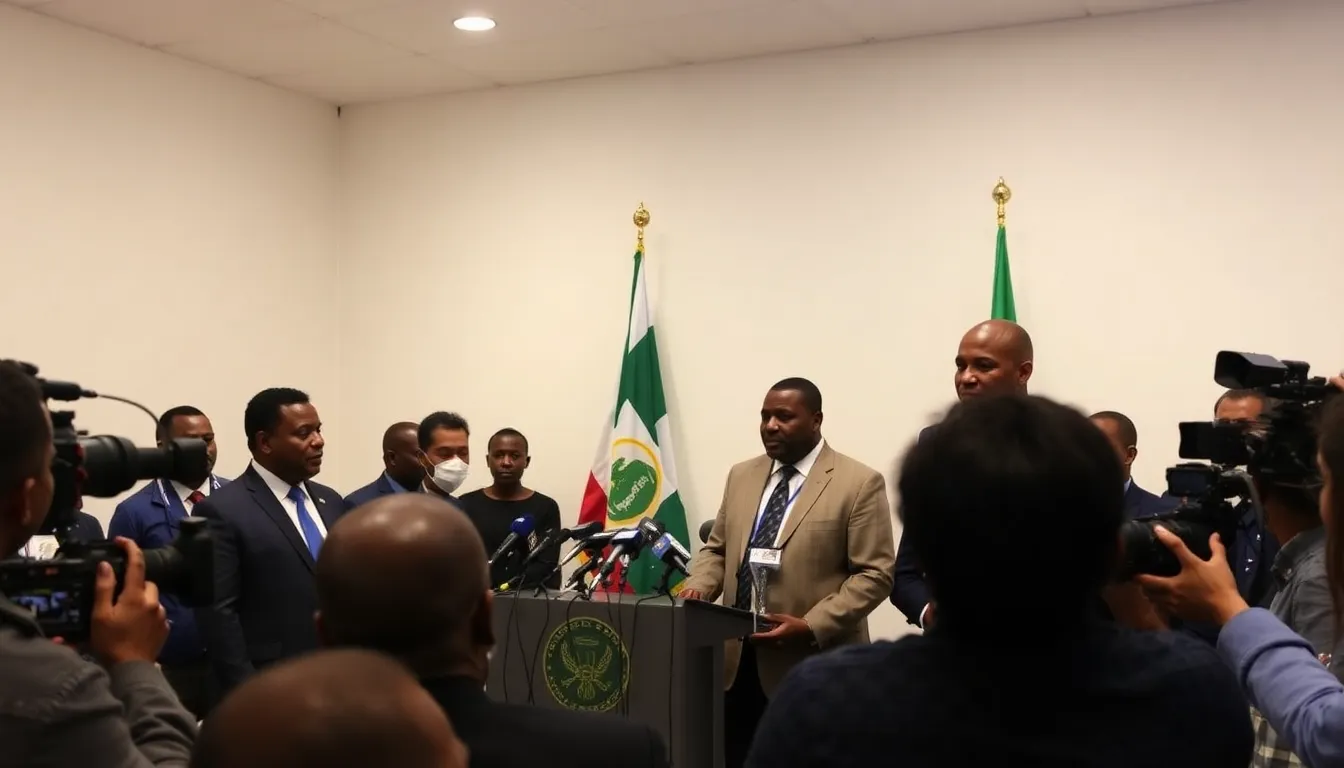
African governments, on the other hand, face a dual challenge. While they may welcome the financial support, the conditions attached to it could create tensions between the need for immediate health funding and the desire for sovereignty in decision-making. This situation raises critical questions about the balance of power in international aid and the implications for national policy autonomy.
NGOs play a crucial role as intermediaries in this scenario, often advocating for the needs of local populations. They may find themselves in a position of conflict, as they strive to meet immediate health needs while navigating the restrictions imposed by U.S. aid policies. The effectiveness of their programs could be jeopardized if funding becomes contingent on governmental commitments that are difficult to fulfill.
- U.S. Government Interests: Promoting accountability and governance in recipient countries.
- African Governments’ Dilemma: Balancing health funding needs with national sovereignty.
- NGO Challenges: Navigating funding restrictions while addressing urgent health needs.
- Public Health Outcomes: Potential risks to health services if aid cuts lead to service interruptions.
- Long-term Development Goals: The impact of aid conditions on sustainable health system improvements.
The Impact of Aid Cuts on Health Services in Africa
The recent decision by the U.S. to cut health aid to African nations and link it to funding pledges from these governments has significant implications for various groups and industries. Vulnerable populations, including women, children, and those living with chronic diseases, are likely to face immediate challenges in accessing essential health services. Health care providers, particularly in low-income regions, may struggle to maintain current service levels without the expected support from international aid.
In the short term, the reduction in funding could lead to a decrease in the availability of critical health programs, such as maternal health initiatives and vaccination campaigns. This may result in increased morbidity and mortality rates, particularly among the most disadvantaged groups. Health care facilities may experience a strain on resources, leading to longer wait times and reduced quality of care. Additionally, public health campaigns aimed at preventing diseases may be scaled back, further exacerbating health challenges.
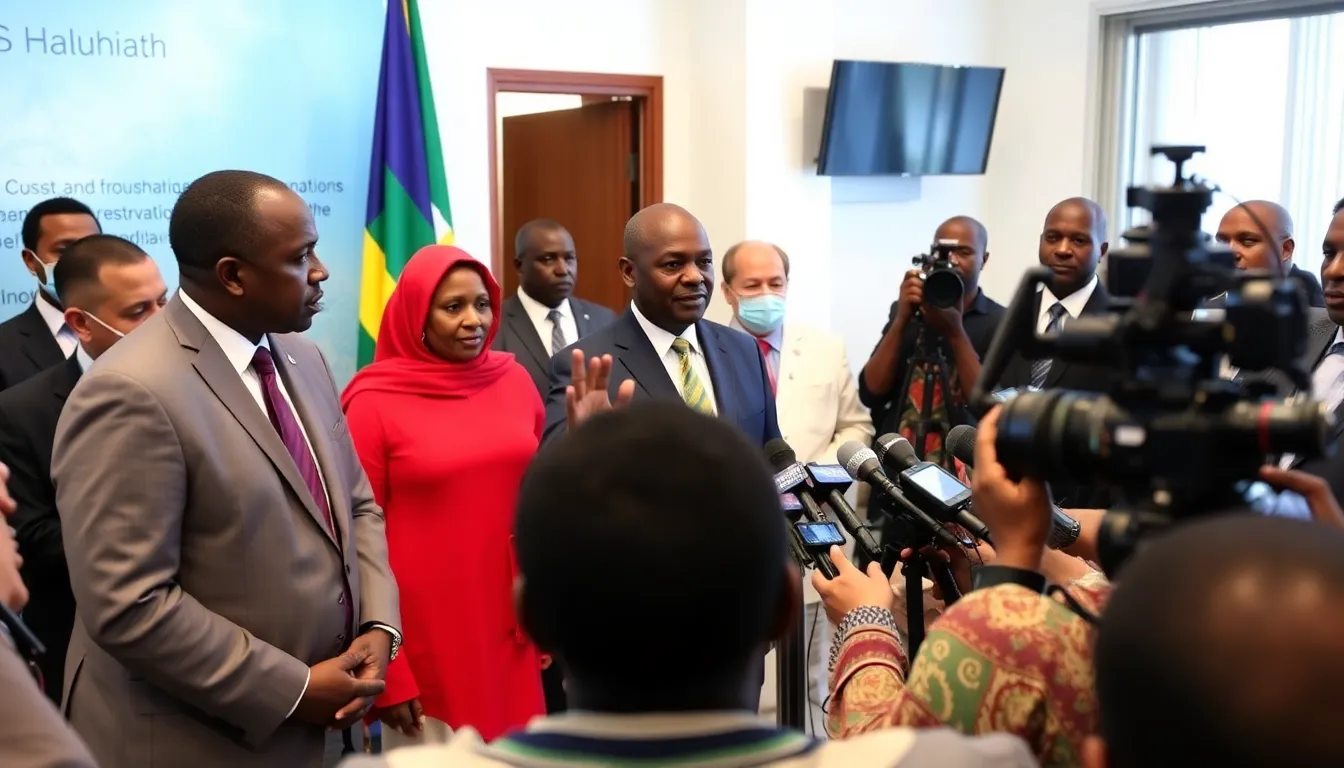
In the mid-term, the impact on daily life could extend beyond health care access. Economic stability in affected regions may be compromised as health-related issues hinder workforce productivity. Businesses reliant on a healthy workforce may face increased absenteeism and reduced output, affecting overall economic growth. Furthermore, governments may be forced to reallocate budgets to cover health care gaps, impacting other essential services such as education and infrastructure.
Despite these challenges, there are potential opportunities that may arise from this situation. African governments may be incentivized to increase their own health funding, leading to more sustainable health systems in the long run. Additionally, local health organizations and private sector entities may step in to fill gaps left by the aid cuts, fostering innovation and new partnerships in health care delivery.
- Immediate decline in access to essential health services.
- Increased pressure on local health care systems and providers.
- Potential economic repercussions due to workforce health issues.
- Opportunities for local governments to invest more in health care.
- Emergence of new partnerships in health care delivery.
A: The U.S. is cutting health aid as part of a new policy that ties funding to commitments from African governments to contribute more to their own health budgets. A: The cuts may lead to reduced healthcare services, increased disease prevalence, and greater challenges in managing public health crises in affected countries. A: Ongoing health programs may face funding shortages, which could disrupt services like vaccinations, maternal health, and disease control initiatives. A: Certain critical health initiatives may still receive funding, but they will likely be evaluated on a case-by-case basis depending on the commitments made by local governments. A: African governments are expected to increase their own health funding and demonstrate commitment to health initiatives to secure U.S. aid.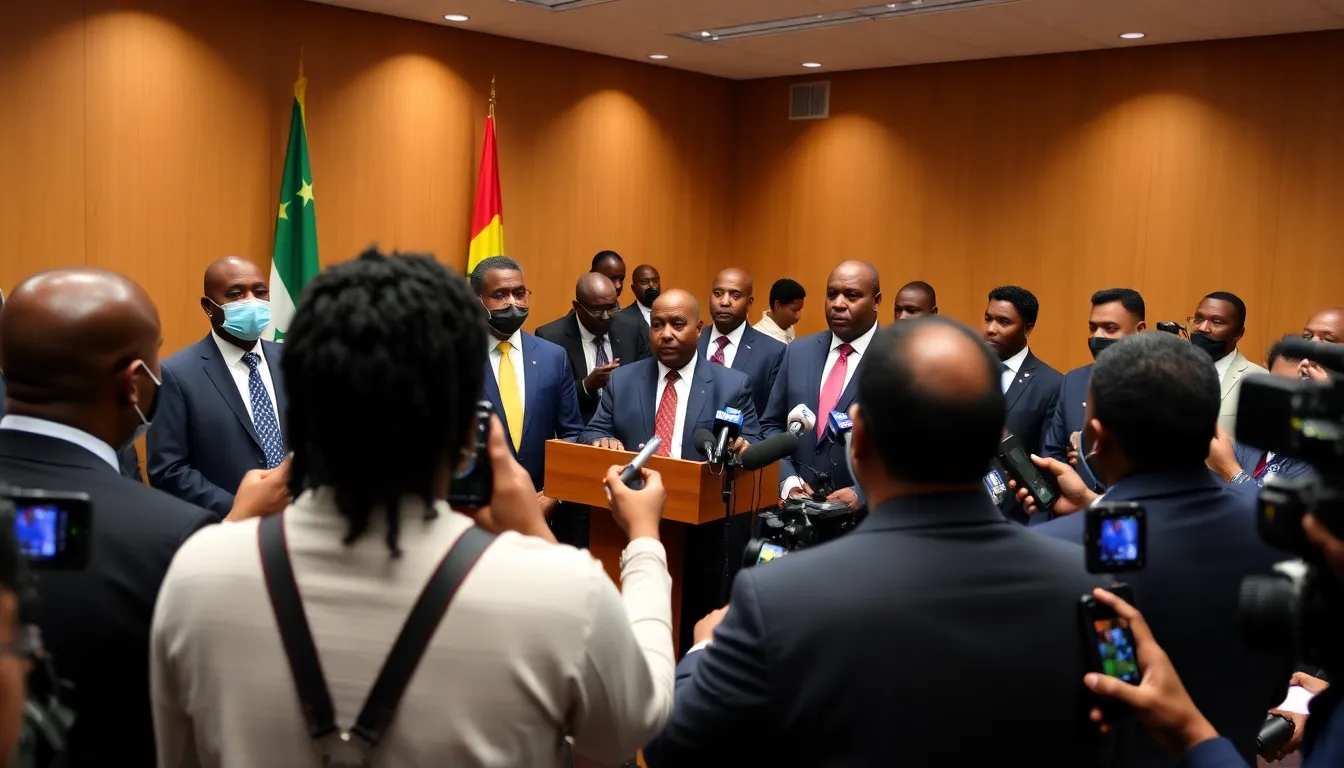
Frequently Asked Questions About U.S. Health Aid Cuts
Key Takeaways and Future Outlook on Health Aid
The recent decision by the U.S. to cut health aid and condition future funding on commitments from African governments marks a significant shift in international health policy. This move underscores the growing expectation for recipient nations to take a more active role in funding their health initiatives. As the landscape of global health funding evolves, various implications for both U.S. foreign policy and health outcomes in Africa are emerging.
Stakeholders will need to closely monitor how African governments respond to these funding conditions, as their ability to mobilize resources domestically will be critical. The long-term effects on public health systems and the potential for increased inequality in health access are areas that warrant attention as this policy unfolds.
- Increased Accountability: African governments may prioritize health funding and governance to meet U.S. conditions, potentially leading to more sustainable health systems.
- Impact on Public Health: Reduced U.S. funding could strain health programs, particularly in areas like maternal and child health, which may see immediate negative outcomes.
- Shift in Partnerships: Local and international NGOs might need to adapt their strategies to fill funding gaps, fostering new collaborations focused on health innovation.
- Monitoring and Evaluation: The effectiveness of this funding model will require robust tracking mechanisms to assess health outcomes and the efficacy of government commitments.